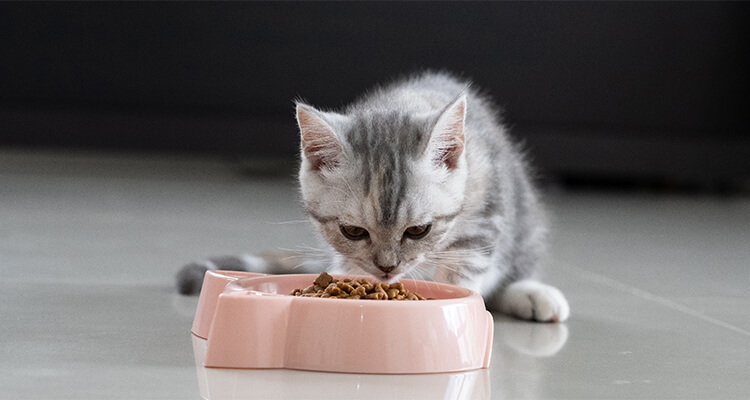
You want the best for your cat, and feeding them the right food at the right time is a big part of that. But when exactly should your cat switch from kitten food to adult food?
It’s a question many cat owners struggle with. Choosing the wrong time can affect your cat’s health and happiness. You’ll discover clear signs to watch for and expert tips to make this transition easy and stress-free for both you and your furry friend.
Keep reading to ensure your cat gets the nutrition they need at every stage of life.
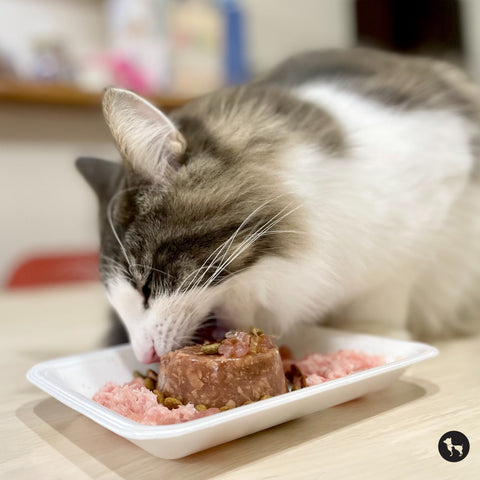
Credit: headsupfortails.com
Signs Your Cat Is Ready
Recognizing when your cat is ready to switch to adult food is essential for their health and growth. Cats show clear signs that indicate this transition is necessary. Paying close attention to these signals helps you avoid feeding them inappropriate food that could affect their wellbeing.
Age Milestones
Most cats are ready to move to adult food around one year old. This age marks the end of their rapid growth phase. However, some larger breeds may benefit from kitten food for a few extra months.
Have you noticed your cat’s birthday approaching? That could be your cue to start thinking about the change. Timing this switch around the one-year mark aligns with their nutritional needs.
Behavioral Changes
Your cat’s eating habits can reveal a lot. When they start showing less interest in kitten food or seem to prefer more solid, less calorie-dense meals, it’s a sign. You might also see changes in their energy levels—they may become less hyperactive and more settled.
Observe if your cat is curious about your food or seems ready for bigger meals. These behaviors often suggest their dietary needs are evolving. Have you noticed your cat turning away from their kitten food lately?
Physical Development
Physical signs like changes in teeth and body size help indicate readiness. Adult cats have fully developed teeth, which makes chewing harder adult food easier. Their muscle mass and body shape also start to stabilize around this time.
Look closely at your cat’s body—are they filling out? Is their fur sleek and healthy? These signs show they’re growing out of kittenhood and need food that supports maintenance instead of growth.
Nutritional Differences Between Kitten And Adult Food
Kitten food and adult cat food differ in many key ways. These differences meet the changing needs of cats as they grow. Feeding the right food at the right age supports healthy development and keeps cats strong. Understanding these nutritional differences helps cat owners make better choices.
Protein And Fat Content
Kitten food has higher protein and fat levels than adult food. Growing kittens need more protein to build muscles and tissues. Fat provides energy for their active lifestyle and supports brain development. Adult cats require less protein and fat to maintain their weight and health.
Vitamin And Mineral Needs
Kittens need extra vitamins and minerals for bone growth and immune health. Calcium and phosphorus help form strong bones and teeth. Vitamins A and D support vision and skin health. Adult cat food has balanced nutrients to maintain overall well-being but with lower amounts suited for mature cats.
Calorie Requirements
Kitten food contains more calories per serving than adult food. Kittens burn a lot of energy during growth and playtime. Higher calories help them gain weight steadily and stay energetic. Adult cats need fewer calories to avoid obesity and stay fit at a stable weight.
Transitioning Your Cat’s Diet
Cats usually start eating adult food around one year old. Switching gradually helps avoid stomach upset. Watch your cat’s growth and health to know the best time.
Transitioning your cat’s diet from kitten food to adult cat food is a crucial step in ensuring their health and well-being. Just like humans, cats have different nutritional needs at various life stages. Knowing when and how to switch your furry friend’s diet can help avoid any digestive issues and ensure they continue to thrive.Gradual Food Introduction
When transitioning your cat to adult food, a gradual introduction is key. Start by mixing a small amount of adult cat food with their current food. Over the course of a week, gradually increase the proportion of adult food while decreasing the kitten food. This slow transition helps your cat adjust to the new taste and texture. Rapid changes can lead to upset stomachs or rejection of the new food. Have you noticed how some cats can be surprisingly picky about their meals?Monitoring Health And Appetite
Keep a close eye on your cat’s health and appetite during the transition. Is your cat eating the new food eagerly, or are they reluctant to try it? Monitor their weight and energy levels to ensure the new diet is meeting their needs. Regular vet visits can provide valuable insights into your cat’s health. Vets can help you decide if the new diet is suitable or if adjustments are necessary. Are there any changes in your cat’s coat or energy level?Common Transition Challenges
Some cats may face challenges during the dietary switch. You might notice digestive issues like diarrhea or vomiting, which can be distressing for both you and your cat. If these symptoms persist, consult your vet. Another challenge can be resistance to change, where your cat refuses to eat the new food. In such cases, patience and persistence are your best allies. Have you tried offering the new food as a treat to spark their interest? By taking a thoughtful approach to transitioning your cat’s diet, you can ensure a smooth and healthy changeover. Remember, every cat is unique, and what works for one might not work for another.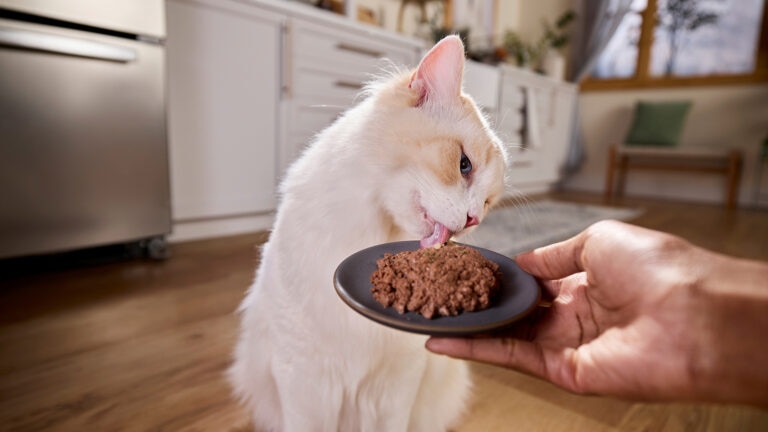
Credit: www.chewy.com
Special Considerations
Deciding when your cat should switch to adult food isn’t one-size-fits-all. Several factors play a role beyond just age. Paying attention to these special considerations can help you make the best choice for your cat’s health and happiness.
Breed And Size Factors
Different breeds and sizes of cats grow at different rates. Large breeds like Maine Coons may take longer to mature and might benefit from kitten food beyond the typical 12 months. Smaller breeds often reach adulthood faster and can switch earlier.
Have you noticed your cat’s growth rate? Adjusting their diet based on their breed’s needs supports healthy development and prevents nutritional gaps.
Health Conditions Impacting Diet
Cats with certain health issues may require special diets. For example, cats with kidney problems often need food formulated to reduce kidney strain, regardless of age. Diabetes or allergies can also affect the type of adult food your cat should eat.
Talk to your vet if your cat has health concerns—they can recommend the best adult food that meets those needs. Ignoring these conditions could worsen their health or delay recovery.
Indoor Vs Outdoor Cats
Indoor cats usually have lower energy needs compared to outdoor cats. Outdoor cats are more active and may require higher calorie adult food to maintain their energy levels. The environment your cat lives in affects how much and what type of food they should eat.
Think about your cat’s daily routine. Does your cat spend most of the day indoors lounging, or are they running around outside? Tailoring the diet to their lifestyle helps avoid weight issues and supports overall wellbeing.
Expert Tips For Feeding Schedule
Setting up the right feeding schedule for your cat as it transitions to adult food is crucial. It ensures your feline friend gets the right nutrients without overeating or feeling hungry. Here are some expert tips to help you design a feeding routine that suits your cat’s needs perfectly.
Meal Frequency
Adult cats usually do well with two meals a day—morning and evening. This helps maintain consistent energy levels throughout the day and keeps their metabolism steady. If your cat is very active, you might consider three smaller meals instead, but avoid free feeding to prevent overeating.
Portion Control
Measuring your cat’s food is key to avoiding weight gain. Use the feeding guidelines on the adult food packaging as a starting point, then adjust based on your cat’s activity level and body condition. You can track progress by checking your cat’s weight regularly and noticing changes in their energy or coat quality.
Hydration Importance
Water is just as important as food in your cat’s diet. Always provide fresh water and encourage your cat to drink by placing water bowls in multiple locations. If your cat prefers wet food, it can help with hydration, but never rely on it alone to meet their water needs.
When To Consult A Veterinarian
Knowing when to consult a veterinarian about your cat’s diet is important. Cats may need a change in food or special care. A vet can check your cat’s health and advise on the right nutrition. Early advice helps avoid serious problems. Watch your cat closely for any signs that need professional attention.
Signs Of Nutritional Deficiency
Look for dull fur or hair loss. Weakness or slow movement can appear. Your cat might have dry skin or sores. Poor appetite or weight loss may show. These signs suggest your cat lacks key nutrients. A vet can test and recommend the best diet.
Behavioral Concerns
Changes in mood or activity can signal a problem. Your cat may become restless or irritable. Loss of interest in play or socializing is a warning. Sudden hiding or hiding more than usual is odd. Such changes might link to poor nutrition. A vet’s checkup will help find the cause.
Weight Management Issues
Rapid weight gain or loss needs attention. Overweight cats risk diabetes and joint pain. Underweight cats may have health problems too. Difficulty eating or swallowing is a concern. Regular vet visits keep your cat’s weight in check. They guide you on feeding amounts and types.
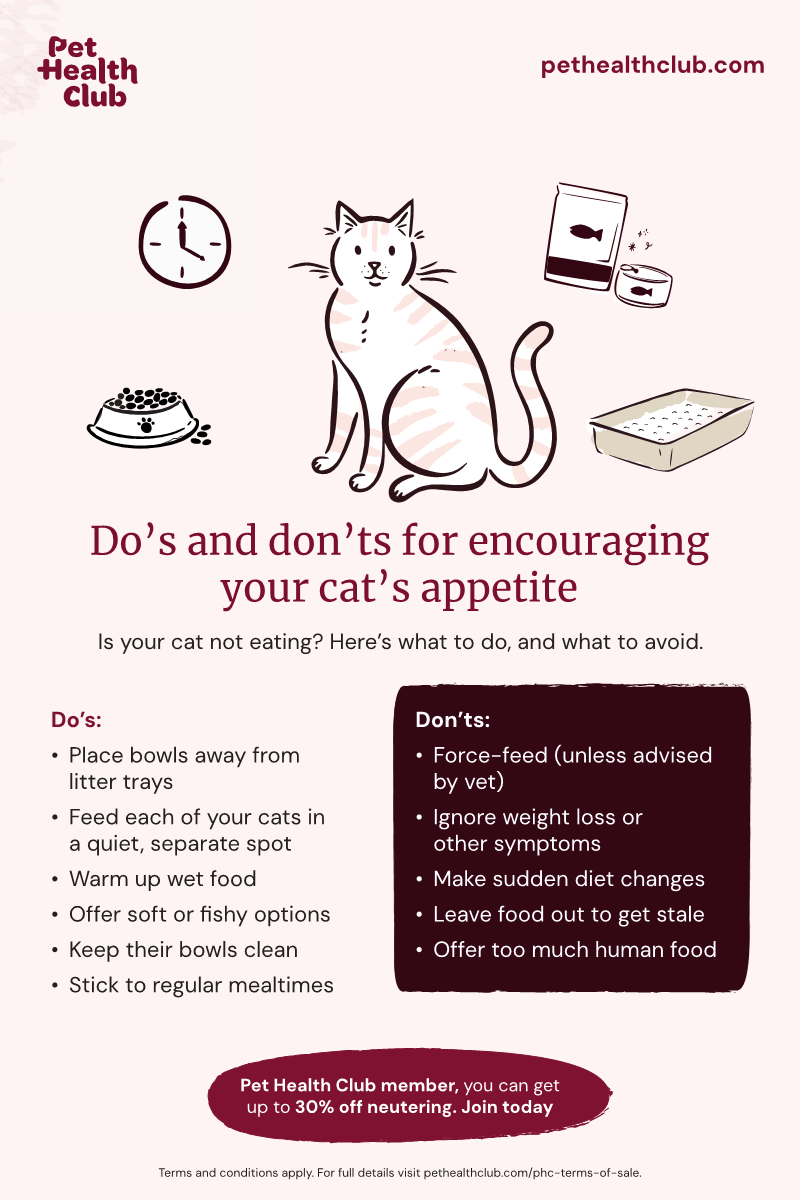
Credit: www.pethealthclub.com
Frequently Asked Questions
When Is The Right Age To Switch My Cat To Adult Food?
Most cats should transition to adult food at about one year old. This age ensures they get the right nutrients for mature health. Consult your vet for specific breed or health needs before switching.
What Signs Indicate My Cat Needs Adult Food?
If your kitten is over 12 months and less active, adult food is suitable. Look for stable weight and decreased growth. These signs mean their nutritional needs have shifted.
Can Feeding Adult Food Too Early Harm My Cat?
Yes, feeding adult food too early can cause nutrient deficiencies. Kittens need extra protein and calories for growth. Premature switching may stunt development and affect health.
How To Transition My Cat From Kitten To Adult Food?
Gradually mix adult food with kitten food over 7-10 days. Increase adult food proportion daily to avoid digestive upset. This method helps your cat adjust smoothly to new nutrition.
Conclusion
Cats usually start eating adult food around one year old. Watch their growth and health to decide the right time. Changing food slowly helps avoid stomach problems. Choose adult food that meets your cat’s needs. Remember, each cat is different and may need changes sooner or later.
Keep checking with your vet for advice. Feeding your cat the right food supports a long, healthy life. Simple steps make a big difference in your pet’s happiness. Your care helps your cat stay strong and active every day.



Leave a Reply