
Grooming a feisty cat can feel like a challenge you’re not ready for. You want your furry friend to look and feel their best, but their sharp claws and quick moves make it tough.
What if you could turn grooming time into a calm, even enjoyable experience for both of you? You’ll discover simple, effective tips to handle your spirited cat with confidence. Keep reading, and you’ll learn how to make grooming less stressful and more rewarding—both for your cat and yourself.

Credit: www.youtube.com
Preparing For Grooming
Preparing a feisty cat for grooming sets the stage for a smoother experience. Cats can sense tension, so calm preparation helps reduce stress. Getting ready involves selecting proper tools, making a peaceful space, and choosing the best time for grooming. These steps make the process easier for both you and your cat.
Choosing The Right Tools
Pick tools that suit your cat’s coat and temperament. Use a soft-bristled brush for sensitive skin. A fine-toothed comb helps remove tangles without pulling. Nail clippers designed for cats keep paws safe. Avoid noisy or sharp tools that scare your cat.
Creating A Calm Environment
Find a quiet spot with few distractions. Keep the room warm and well-lit. Use soft blankets or cushions for comfort. Speak in a gentle, soothing voice. Avoid sudden movements or loud noises. Let your cat explore the space before starting.
Timing Your Sessions
Choose a time when your cat feels relaxed. Many cats calm down after eating or playtime. Keep grooming sessions short, about 5 to 10 minutes. Stop if your cat shows signs of stress. Regular, brief sessions build trust over time.
Handling A Feisty Cat
Handling a feisty cat requires patience and careful attention. These cats can be easily startled or upset during grooming. Understanding how to calm and control them helps make grooming safer and more effective. Approach your cat with calm energy and respect its boundaries.
Reading Cat Body Language
Watch your cat’s body closely for signs of stress or anger. Look for these signals:
- Ears flattened or turned sideways
- Tail twitching or flicking rapidly
- Hissing, growling, or spitting sounds
- Wide eyes with dilated pupils
- Stiff or tense body posture
Recognizing these signs early helps prevent bites or scratches. Pause if your cat shows discomfort. Let it relax before continuing grooming.
Using Gentle Restraints
Gentle restraints keep your cat safe without causing fear. Use soft towels or blankets to wrap the cat snugly. This limits sudden movements but does not hurt the cat.
- Wrap the towel around the cat’s body firmly but gently
- Leave the head and one paw free for grooming
- Hold the cat close to your body for extra security
Use this method to calm your cat and prevent injury. Avoid tight or harsh restraining tools that increase stress.
Managing Aggression Safely
Stay calm and speak softly to reduce your cat’s fear. Use a calm voice and slow movements. Do not punish or yell at your cat.
- Offer treats before and after grooming to build trust
- Take breaks if your cat becomes too agitated
- Wear protective gloves if necessary to avoid scratches
Focus on creating a safe, positive experience. Over time, your cat may become more comfortable with grooming sessions.
Step-by-step Grooming Process
Grooming a feisty cat requires patience and understanding. Cats can be particular about their grooming routines. Breaking the process into simple steps can make it easier. Each step ensures your cat stays comfortable and calm. Let’s explore the best techniques for grooming your spirited feline friend.
Brushing Techniques
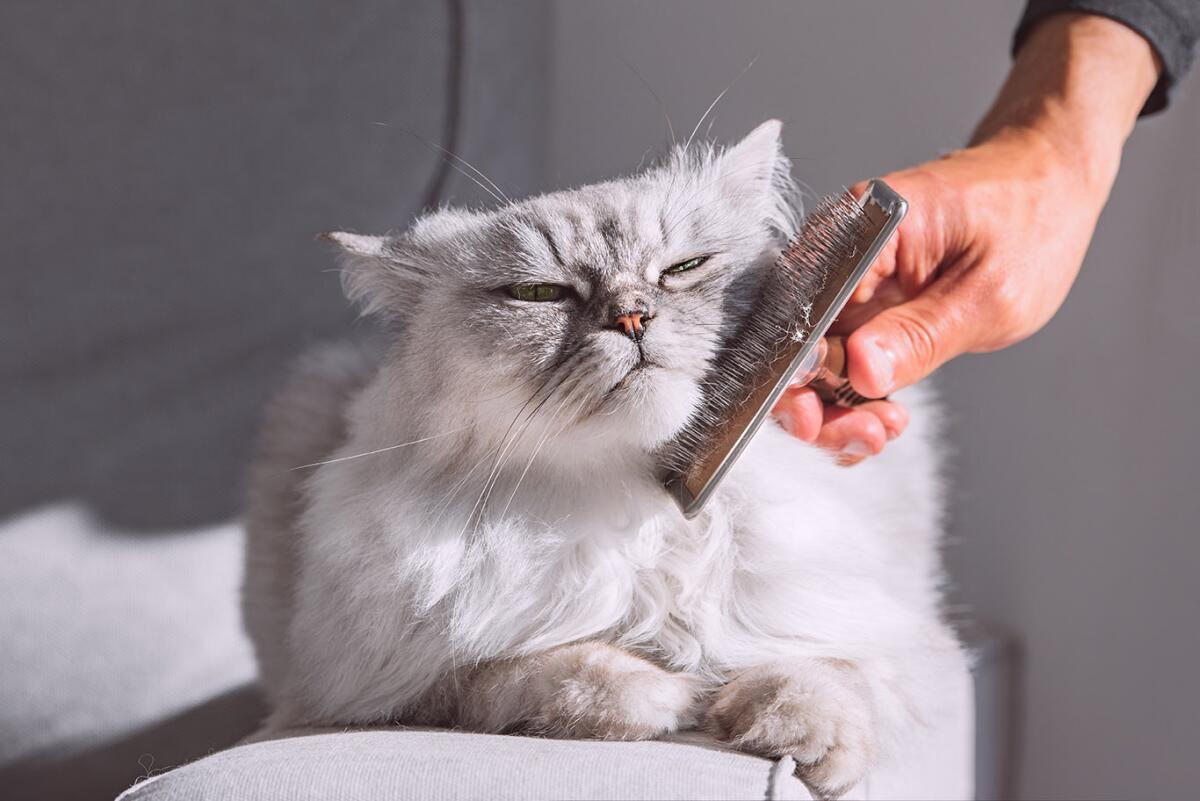
Choose a brush suitable for your cat’s fur type. Start gently and let your cat sniff the brush. Begin brushing from the head, moving towards the tail. Use slow, gentle strokes to avoid startling your cat. If your cat resists, offer a treat to create a positive association. Regular brushing prevents matting and reduces shedding.
Bathing Tips For Difficult Cats
Prepare everything before you start. Use a non-slip mat in the sink or tub. Fill it with a few inches of lukewarm water. Gently place your cat in the water, speaking calmly. Use a cat-safe shampoo and massage it into the fur. Rinse thoroughly to remove all soap. Wrap your cat in a towel and dry gently.
Nail Trimming Without Stress
Choose a quiet space with good lighting. Use cat-specific nail clippers for safety. Gently hold your cat’s paw and press slightly to extend the nails. Clip only the sharp tip, avoiding the quick. Trim a few nails at a time, offering treats and praise. Regular trimming keeps nails healthy and prevents scratching.

Credit: www.reddit.com
Reducing Stress During Grooming
Grooming a feisty cat can quickly turn into a battle if you don’t pay attention to their stress levels. Keeping your cat calm not only makes the process smoother but also strengthens the trust between you and your furry friend. How can you make grooming a less stressful experience for both of you?
Using Calming Aids
Calming aids can be a game changer for anxious cats. Products like pheromone sprays or diffusers create a soothing environment by mimicking natural calming scents. You might also try a calming collar or herbal supplements after consulting your vet.
Try using these aids 15-30 minutes before grooming to help your cat settle down. You’ll often notice subtle changes like relaxed posture or slower breathing, which mean your cat is more ready to be handled.
Positive Reinforcement Strategies
Reward your cat for calm behavior during grooming with treats or gentle praise. This encourages them to associate grooming with positive experiences rather than fear.
Break the grooming session into small, manageable steps. For example, start by touching their paws or brushing a small patch of fur, then immediately reward them. This builds confidence and reduces resistance over time.
Incorporating Breaks
Short breaks during grooming sessions can prevent your cat from feeling overwhelmed. Watch your cat’s body language closely; if they start to tense up or try to escape, it’s time to pause.
Use these breaks to pet or talk softly to your cat, helping them relax before continuing. This approach keeps the grooming process calm and controlled, even with the most spirited cats.
Maintaining Grooming Between Sessions
Maintaining grooming between professional sessions helps keep a feisty cat calm and comfortable. Regular care reduces tangles and dirt buildup. It also strengthens your bond with the cat through gentle touch. Small daily efforts make grooming easier over time.
Regular Brushing Habits
Brush your cat often with a soft, flexible brush. Short sessions work best for feisty cats. Start with a few strokes and watch their reaction. Focus on favorite spots like the back and sides. Keep the brush moving gently to avoid pulling fur.
Choose a quiet time when the cat feels relaxed. Use calm, soothing tones to ease anxiety. Reward your cat with treats or praise after brushing. This builds trust and makes brushing a positive experience.
Spot Cleaning Fur
Use a damp cloth or pet wipes for quick clean-ups. Target dirty areas like paws, face, and belly. Avoid soaking the fur; just lightly wipe dirt away. This prevents mats and keeps the coat fresh between baths.
Keep cleaning tools within easy reach. Clean your cat after outdoor adventures or playtime. Spot cleaning helps reduce shedding and odors. It also keeps your home cleaner.
Monitoring Skin And Coat Health
Check your cat’s skin daily for redness or bumps. Look for dry patches or signs of irritation. Healthy skin means a healthier coat and less discomfort. Notice changes in fur texture or color as well.
Early detection of skin issues allows quick action. Consult a vet if you spot wounds, fleas, or unusual hair loss. Keeping skin healthy supports your cat’s overall well-being and mood.
When To Seek Professional Help
Knowing when to seek professional help for grooming your feisty cat can save both you and your pet a lot of stress. Sometimes, despite your best efforts, your cat’s behavior or grooming needs exceed what you can handle safely and effectively at home. Recognizing these moments early helps prevent injury and ensures your cat gets the care it truly needs.
Identifying Grooming Challenges
Is your cat becoming overly aggressive or fearful during grooming sessions? Persistent scratching, biting, or hiding are clear signs that grooming is causing distress. You might also notice mats that are too tight or painful to touch, or skin irritation that’s hard to manage alone.
Ask yourself if grooming attempts are worsening your cat’s behavior or if the task feels unsafe. If your cat’s fur is tangled beyond what you can carefully comb out, it may be time to call in a professional. Ignoring these challenges could lead to injuries for both you and your cat.
Benefits Of Professional Groomers
Professional groomers have the experience and tools to handle difficult cats calmly and safely. They can trim nails, remove mats, and clean sensitive areas without causing unnecessary stress. Groomers also spot health issues like skin infections or parasites that you might miss.
Hiring a groomer can turn grooming into a positive experience for your cat. Think about the relief you’ll feel knowing your pet is in skilled hands. Plus, groomers can give you tips tailored to your cat’s personality and coat type.
Preparing Your Cat For The Groomer
Before your appointment, help your cat get used to the idea of being handled. Gently touch their paws, ears, and tail daily to reduce sensitivity. Offer treats and calm words to create positive associations.
Bring along your cat’s favorite blanket or toy to the groomer for comfort. Inform the groomer about your cat’s temperament and any specific fears or triggers. This preparation helps your cat stay calm and makes the grooming process smoother.

Credit: www.lemon8-app.com
Frequently Asked Questions
How Do I Calm A Feisty Cat Before Grooming?
To calm a feisty cat, use gentle voice and slow movements. Offer treats and create a quiet space. Short grooming sessions help reduce stress and build trust.
What Tools Are Best For Grooming A Feisty Cat?
Use soft brushes, grooming gloves, and nail clippers designed for sensitive cats. Avoid loud or harsh tools that may scare your cat.
How Often Should I Groom A Feisty Cat?
Groom your feisty cat 2-3 times a week. Regular grooming prevents matting and reduces shedding, keeping your cat healthy and comfortable.
How Can I Safely Trim A Feisty Cat’s Nails?
Trim nails slowly and calmly, holding the paw gently. Use sharp cat nail clippers and avoid cutting the quick to prevent pain.
Conclusion
Grooming a feisty cat takes patience and care. Stay calm and gentle during each session. Use treats to create positive moments. Short grooming times work best for shy cats. Always watch your cat’s mood and respect limits. Over time, trust will grow between you.
A well-groomed cat feels happier and healthier. Keep practicing, and grooming will become easier. Small steps lead to big progress. Your cat will thank you with purrs and love.

Leave a Reply