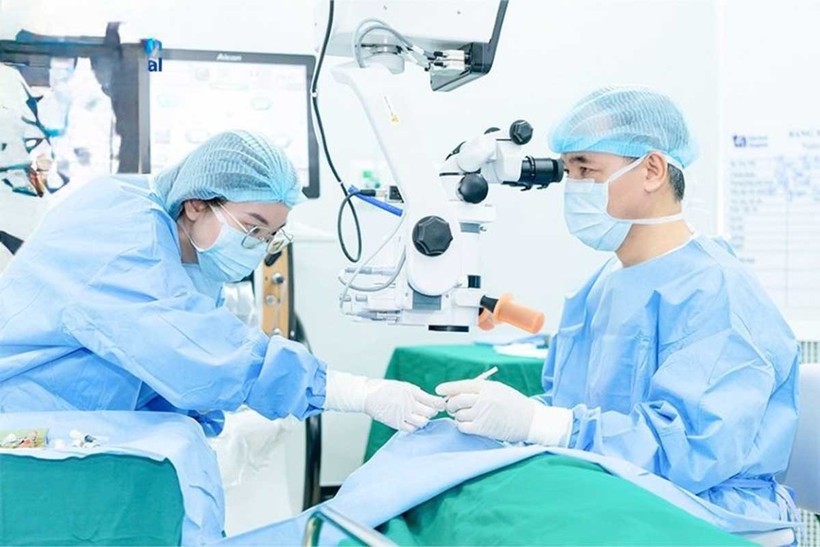
Are you curious about the kind of health care you can expect in Vietnam? Whether you’re planning a trip, moving, or just want to know more, understanding Vietnam’s health care system is important for your peace of mind.
From hospitals to clinics, and traditional medicine to modern treatments, Vietnam offers a mix of options that might surprise you. Keep reading to discover what health care looks like here, so you can feel confident and prepared no matter your situation.

Credit: nyaspubs.onlinelibrary.wiley.com
Health Care System In Vietnam
The health care system in Vietnam offers a mix of public and private services, along with a strong presence of traditional medicine. Whether you’re a local or a visitor, understanding these options can help you make better decisions for your health. You might be surprised at how accessible and affordable some services are, especially compared to other countries in the region.
Public Health Care Facilities
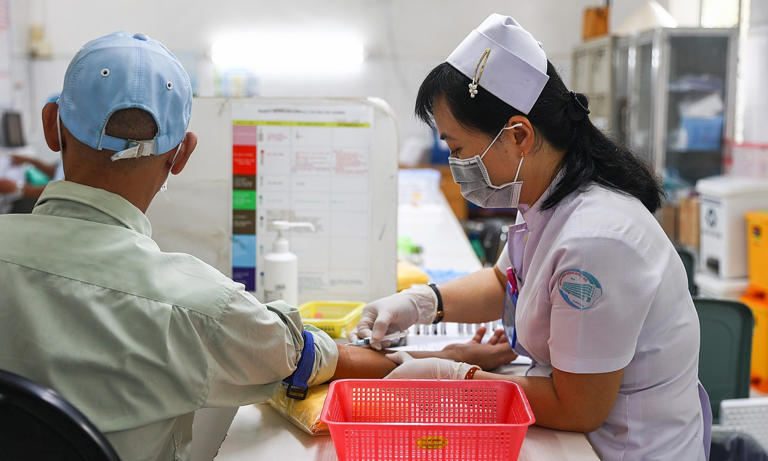
Vietnam’s public health care system is extensive, covering urban and rural areas through hospitals, clinics, and community health centers. These facilities are funded by the government, making services affordable or free for many citizens.
However, public hospitals can be crowded, and waiting times may be long. Despite these challenges, public health care is reliable for emergency care, vaccinations, and basic treatment. Have you considered how public health infrastructure impacts your travel plans or long-term stays?
Private Health Care Options
If you prefer shorter wait times and more personalized care, private health care is widely available in Vietnam’s major cities. Private hospitals and clinics often have modern equipment and English-speaking staff, catering especially to expats and tourists.
Costs are higher than in the public system but still reasonable compared to Western countries. Many expats choose private care for specialist consultations or elective procedures. Would you feel more comfortable choosing private health care knowing it offers convenience and better facilities?
Role Of Traditional Medicine
Traditional medicine remains a vital part of Vietnam’s health care culture. Many people use herbal remedies, acupuncture, and massage alongside or instead of Western medicine.
This approach is deeply rooted in Vietnamese history and offers a more holistic way to treat illness. You might find that traditional treatments provide relief where modern medicine falls short. Have you ever tried integrating traditional methods into your health routine?
Credit: www.msn.com
Accessibility And Coverage
Accessibility and coverage are key factors that shape your healthcare experience in Vietnam. Knowing how health services are structured and who can access them helps you make better decisions about your care. Let’s break down what you need to know about health insurance, the urban-rural divide, and government efforts to widen healthcare reach.
Health Insurance Programs
Vietnam offers several health insurance programs designed to reduce your out-of-pocket costs. The most common is the Social Health Insurance (SHI), which covers a wide range of medical services, from hospital stays to basic treatments.
If you work in the formal sector, you likely contribute to SHI through your employer. For those in informal jobs or self-employed, voluntary insurance options exist but often come with higher premiums.
Understanding your insurance coverage can save you unexpected expenses. Have you checked what treatments and medicines your plan actually covers?
Rural Vs Urban Access
Healthcare access in Vietnam varies significantly between rural and urban areas. Cities like Hanoi and Ho Chi Minh boast modern hospitals and clinics with advanced equipment and specialists.
In contrast, rural regions may have fewer facilities, and some are understaffed or lack specialized care. This means you might need to travel to urban centers for more complex treatments.
When you hear about someone in a rural village facing delays in treatment, it highlights the gap in healthcare accessibility. How would your healthcare needs be affected if you lived far from a city hospital?
Government Initiatives
The Vietnamese government actively works to improve healthcare accessibility through various programs. One example is the “Health Care Fund for the Poor,” which helps low-income families get free or subsidized medical services.
There are also ongoing efforts to upgrade rural healthcare infrastructure and train more medical staff in underserved areas. Mobile clinics and telemedicine projects are gaining traction, bringing care closer to remote communities.
These initiatives show that progress is possible, but continuous support is needed. What role can you play in supporting or benefiting from these programs?
Quality Of Medical Services
Vietnam offers a diverse range of medical services. The quality of these services has improved over the years. Hospitals and clinics strive to meet international standards. Patients can expect modern facilities and skilled healthcare professionals. The focus on quality ensures better patient outcomes.
Hospital Standards
Vietnamese hospitals maintain high standards of care. Many hospitals have international accreditations. These institutions follow strict protocols for patient safety. Clean and well-equipped facilities are a priority. Staff training is regular to maintain quality service.
Availability Of Specialists
Specialists are available in various medical fields. Cardiologists, neurologists, and more serve patients. Major cities have a higher concentration of specialists. This availability ensures timely and expert care. Patients receive comprehensive treatment plans.
Medical Technology And Equipment
Hospitals use advanced medical technology. Equipment is updated to keep up with global standards. Diagnostic tools are modern and efficient. This ensures accurate and quick diagnosis. Treatment methods are also cutting-edge, enhancing patient care.
Credit: www.historynet.com
Common Health Challenges
Vietnam faces many health challenges that affect its population daily. These challenges range from infections to long-term diseases. Understanding these common issues helps improve healthcare services and public health efforts.
Infectious Diseases
Infectious diseases remain a major health concern in Vietnam. Diseases like dengue fever, tuberculosis, and malaria occur often. These infections spread quickly in crowded and tropical areas. The government and health workers focus on vaccination and public education to control outbreaks.
Chronic Conditions
Chronic diseases are rising due to lifestyle changes. Conditions such as diabetes, heart disease, and cancer affect many adults. These diseases need long-term care and regular check-ups. Early detection and healthy habits can reduce their impact.
Maternal And Child Health
Maternal and child health is a priority in Vietnam. Many mothers face risks during pregnancy and childbirth. Access to prenatal care and skilled birth attendants improves outcomes. Child health programs focus on nutrition and vaccinations to reduce illness and death rates.
Cost Of Health Care
Understanding the cost of health carein Vietnam can help you plan better for your medical needs. Whether you’re a local resident or a foreigner, knowing how expenses stack up will save you from unexpected bills. Let’s break down what you might expect when you seek treatment here.
Treatment Expenses
Treatment costs in Vietnam are generally lower than in Western countries. A simple doctor’s visit might cost you between $10 and $30, depending on the clinic. More complex procedures, like surgeries or specialist consultations, can range from a few hundred to a few thousand dollars.
Private hospitals usually charge more but offer faster service and modern facilities. Public hospitals are more affordable but may involve longer waiting times. Have you thought about what level of care you prefer and how much you’re willing to spend?
Insurance Coverage Limits
Vietnam’s public health insurance covers many common illnesses, but it has its limits. For example, certain high-cost treatments or imported medicines might not be fully covered. If you have private insurance, check the fine print carefully—some policies cap reimbursements or exclude specific treatments.
Many expats find it worth investing in international health insurance to avoid gaps in coverage. Ask yourself: does your current plan meet your health needs in Vietnam, or do you need extra protection?
Out-of-pocket Payments
Out-of-pocket expenses can add up, especially if you seek care outside the public system. These costs include consultation fees, medication, diagnostic tests, and sometimes unexpected charges. It’s common to pay upfront and then claim reimbursement, which means you should keep all receipts and documents.
Planning ahead by setting aside a health budget can ease stress during emergencies. What’s your strategy to handle health care costs without disrupting your finances?
Health Care For Expats And Tourists
Health care in Vietnam for expats and tourists is steadily improving. Facilities offer a mix of traditional and modern treatments. Many doctors speak English or have interpreters available. This helps foreigners feel comfortable and understood. Costs are generally lower than in Western countries. This makes Vietnam a popular choice for both routine and urgent care.
Medical Tourism Trends
Vietnam is becoming a top spot for medical tourism in Asia. Visitors come for dental care, cosmetic surgery, and wellness treatments. High-quality services attract people from nearby countries. The government supports this trend by improving healthcare infrastructure. Many clinics offer packages that include travel and accommodation. This makes medical trips easy and affordable.
Hospitals With International Services
Several hospitals in big cities cater to foreigners. They provide:
- English-speaking staff
- International standards of care
- Modern medical equipment
- Comfortable patient rooms
These hospitals often have partnerships with overseas institutions. They handle everything from minor illnesses to complex surgeries. Many expats choose these facilities for peace of mind.
Emergency Care Facilities
Emergency services are available in major cities and tourist areas. Ambulances respond quickly to urgent calls. Hospitals have emergency rooms open 24/7. Staff trained in emergency medicine provide care for accidents and sudden illnesses. Tourists should know emergency numbers and nearby hospitals. Having travel insurance is highly recommended for fast service.
Future Of Health Care In Vietnam
The future of health care in Vietnam looks promising as the country actively addresses its challenges while embracing innovation. Changes are underway to create a system that better serves all citizens, especially in rural areas where access remains limited. You might wonder how these efforts will shape your experience with health services here.
Health Care Reforms
Vietnam has launched important reforms aimed at improving the health care system’s efficiency and fairness. These reforms focus on expanding health insurance coverage so more people can afford medical care without financial stress. Additionally, the government is decentralizing services, giving local clinics more autonomy to respond quickly to community needs.
This shift means you might soon notice faster service and better treatment options closer to home. Also, policies now encourage private sector participation, which introduces competition and can lead to higher quality care at more reasonable prices.
Technological Advancements
Technology is transforming how health care is delivered across Vietnam. Telemedicine is gaining ground, allowing patients in remote areas to consult specialists without traveling long distances. Imagine getting expert advice from your phone or computer — this convenience can save you time and money.
Hospitals are also adopting electronic health records, which streamline patient information management and reduce errors. This change helps doctors make quicker, more accurate decisions about your treatment. In some urban centers, AI tools assist in diagnosing diseases earlier than before, improving outcomes significantly.
Improving Access And Quality
Efforts to improve access focus on building more clinics and improving transportation options to reach them. Health workers are receiving better training to provide higher quality care, particularly in rural regions. If you live outside major cities, you may soon find health services more reachable and reliable.
Community health programs are also expanding to educate people about prevention and early detection of illnesses. You could benefit from workshops, screenings, and vaccination drives that promote healthier living. How would having easier access to these services change your approach to health?
Frequently Asked Questions
What Types Of Healthcare Services Are Available In Vietnam?
Vietnam offers public hospitals, private clinics, and international healthcare centers. Services include general medicine, dentistry, pediatrics, and specialized care. Urban areas have better facilities, while rural regions rely on community health stations. Medical tourism is growing due to affordable, quality treatments.
How Is The Quality Of Healthcare In Vietnam?
Healthcare quality varies widely. Major cities like Hanoi and Ho Chi Minh City have modern hospitals with skilled staff. Rural areas may lack advanced equipment. Private hospitals generally offer higher standards and English-speaking doctors, attracting expats and tourists seeking reliable medical care.
Is Health Insurance Necessary For Visitors In Vietnam?
Health insurance is highly recommended for visitors. It covers unexpected medical costs and emergencies. Many hospitals require upfront payment without insurance. Travel insurance with medical coverage offers peace of mind, especially for foreigners unfamiliar with local healthcare systems.
What Common Health Concerns Should Travelers Know In Vietnam?
Travelers should be aware of dengue fever, foodborne illnesses, and air pollution risks. Vaccinations for hepatitis A, typhoid, and tetanus are advised. Drink bottled water and avoid street food from unhygienic sources to prevent sickness during your stay.
Conclusion
Vietnam offers a variety of healthcare services for different needs. Hospitals and clinics provide both public and private care options. Traditional medicine is also common and valued. Many doctors speak English, which helps foreigners. Costs are generally lower than in Western countries.
Quality varies, so research is important before choosing care. Overall, Vietnam’s healthcare system can meet basic and some advanced needs. It is a practical choice for residents and travelers alike. Stay informed, and you can find good care in Vietnam.




Leave a Reply