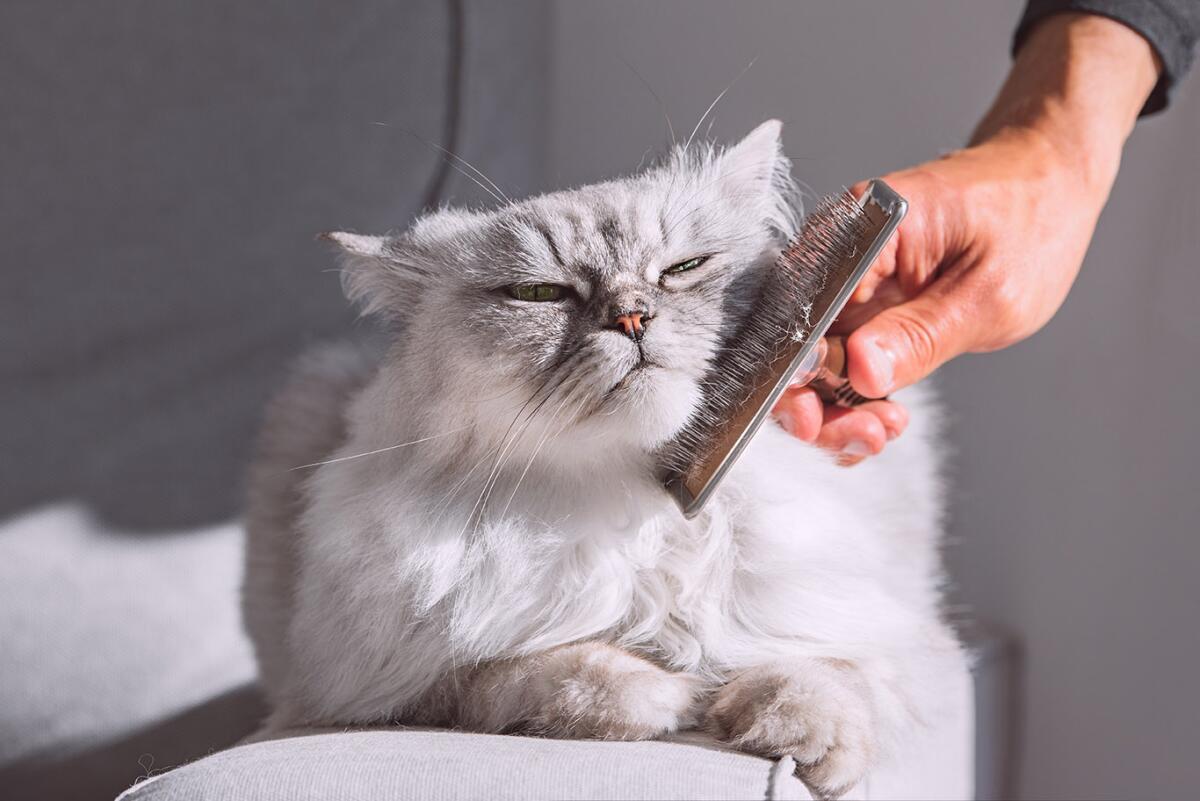
Have you ever wondered if grooming your cat is really necessary? You might think cats take care of themselves, but there’s more to it than just a quick lick here and there.
Grooming your cat can improve their health, reduce shedding, and even strengthen the bond between you. But is it something you should be doing regularly? Keep reading to discover the surprising benefits—and a few important tips—that will help you decide if grooming your cat is right for you and your furry friend.
Benefits Of Cat Grooming
Cat grooming offers several important benefits for your feline friend. It keeps their coat clean and healthy. Grooming also helps control shedding and reduces hairballs. Plus, it allows you to spot health problems early. Regular grooming sessions can improve your cat’s comfort and well-being.
Improved Coat Health
Brushing your cat removes dirt and loose fur. It spreads natural oils across the coat. This makes the fur shiny and soft. Grooming prevents mats and tangles, especially in long-haired cats. A healthy coat means your cat feels better every day.
Reduced Shedding And Hairballs
Regular grooming helps catch loose hair before it falls off. This lowers the amount of fur around your home. It also reduces hairballs, which happen when cats swallow loose fur. Less hairball discomfort means a happier cat and cleaner space.
Early Detection Of Health Issues
Grooming time is perfect for checking your cat’s skin. Look for bumps, wounds, or parasites like fleas. Spotting these early can prevent serious illness. You may also notice changes in weight or behavior. Early detection leads to faster treatment and recovery.
Signs Your Cat Needs Grooming
Knowing when your cat needs grooming can save you from dealing with uncomfortable mats and skin problems later. Cats are usually good at cleaning themselves, but they might need your help if certain signs show up. Watching for these signs helps you keep your cat healthy and happy.
Matted Or Tangled Fur
Have you noticed clumps of fur sticking together or thick mats? These can pull on your cat’s skin and cause pain or irritation. Long-haired cats are especially prone to tangles, but even short-haired cats can develop mats if they can’t groom properly due to age or illness.
Try running your fingers through your cat’s fur regularly. If you feel knots or clumps, it’s time to grab a comb. Ignoring mats can lead to skin infections, so early grooming is key.
Excessive Shedding
Shedding is normal, but if you find fur all over your furniture or clothes in large amounts, it might mean your cat needs grooming. Brushing helps remove loose fur and reduces hairballs, which can make your cat sick.
Have you ever noticed your cat coughing up hairballs frequently? Regular grooming can reduce this problem by getting rid of loose fur before your cat swallows it.
Dirty Or Oily Coat
If your cat’s coat looks dull, greasy, or has visible dirt, it’s a clear sign grooming is overdue. Cats usually keep their fur clean, so a dirty coat might mean your cat is having trouble grooming itself due to health issues or obesity.
Look closely at your cat’s fur and skin. If you spot flakes, dandruff, or oily patches, a gentle bath or brushing session could make a big difference in comfort and hygiene.
Grooming Tools For Cats
Cats benefit from regular grooming to keep their fur clean and healthy. Using the right grooming tools helps reduce shedding and prevents matting. Simple grooming routines also strengthen the bond between you and your cat.
Cats have a natural instinct to groom themselves. Still, they benefit from your help. Proper grooming keeps their fur clean and reduces shedding. Let’s explore the essential grooming tools for your feline friend.Brushes And Combs
Different cats need different grooming tools. Short-haired cats need soft-bristle brushes. Long-haired cats benefit from wide-tooth combs. These tools reduce tangles and mats. Regular brushing also lowers the risk of hairballs. Keep your cat’s coat shiny and healthy.Nail Clippers
Keeping your cat’s nails trimmed is vital. Overgrown nails can cause pain. Choose clippers designed for cats. They are safer and more effective. Trim nails every few weeks. It helps prevent scratches and damage to furniture.Ear And Eye Cleaning Supplies
Cats can develop ear wax or eye discharge. Use special wipes or solutions for cleaning. Check their ears and eyes weekly. Look for redness or unusual discharge. Regular cleaning keeps infections at bay. Your cat stays comfortable and healthy.
Credit: justcatsclinic.com
How To Groom Your Cat
Grooming your cat is essential for their health and happiness. Regular grooming keeps their coat clean and prevents mats. It also helps you check for skin problems or parasites.
Grooming sessions can be a bonding time with your cat. Keep sessions short and gentle to keep your cat calm. Use the right tools and be patient.
Brushing Techniques
Choose a brush suitable for your cat’s fur type. Soft-bristle brushes work well for short hair. Slicker brushes are better for long or thick fur.
- Brush in the direction of hair growth.
- Use gentle strokes to avoid hurting your cat.
- Focus on areas where mats form, like behind ears and under legs.
- Remove loose hair to reduce shedding.
- Make brushing a daily or weekly habit depending on fur length.
Nail Trimming Tips
Trim your cat’s nails every two to three weeks. Use a sharp, pet-safe nail clipper. Handle paws gently to avoid stress.
- Press the paw to extend the claws.
- Cut only the sharp tip, avoiding the pink quick inside.
- Trim a little at a time to prevent cutting too deep.
- Give treats to keep your cat relaxed.
- If unsure, ask a vet or groomer for guidance.
Cleaning Ears And Eyes
Check your cat’s ears and eyes regularly for dirt or discharge. Use a soft cloth or cotton ball dampened with warm water.
- Wipe the outer ear gently without going deep inside.
- Clean around the eyes carefully to remove tear stains.
- Use separate cloths for eyes and ears to avoid infections.
- Watch for signs of infection like redness or bad smell.
- Visit the vet if you notice unusual symptoms.
Handling Difficult Cats
Grooming a cat can be tricky, especially if your cat does not like to be touched. Some cats may hiss, scratch, or try to run away. Handling difficult cats requires patience and care. Creating a calm space and using gentle techniques can help your cat feel safe during grooming.
Creating A Calm Environment
Choose a quiet room with few distractions. Soft lighting and a warm temperature help your cat relax. Use a comfortable surface like a soft towel or blanket. Speak in a soft, soothing voice to keep your cat calm. Short sessions work better than long ones. Stop if your cat shows signs of stress.
Using Treats And Positive Reinforcement
Offer small treats during and after grooming. This helps your cat associate grooming with good things. Praise your cat with gentle words and petting. Use favorite toys to distract and reward. Be consistent with rewards to build trust. Positive reinforcement makes grooming less scary.
When To Seek Professional Help
Some cats remain stressed or aggressive despite your efforts. A professional groomer or vet can help. They have tools and skills to handle difficult cats safely. Professionals can trim nails or remove mats without hurting your cat. Ask your vet for recommendations if needed. Safety for you and your cat is the priority.
Grooming Frequency And Schedule
Setting the right grooming frequency and schedule for your cat is essential for their comfort and health. Your cat’s coat type, the season, and their personal needs all play a big role in how often you should groom them. Paying attention to these factors helps you avoid overdoing or neglecting grooming, keeping your cat happy and clean.
Short-haired Vs Long-haired Cats
Short-haired cats usually need less grooming. Brushing them once a week often works well to remove loose hair and reduce shedding. However, long-haired cats require more frequent attention—sometimes daily brushing—to prevent tangles and mats.
If you have a long-haired cat, skipping grooming can lead to painful knots and skin problems. Think about how much time you can realistically spend each day. Could a quick 10-minute brushing fit into your routine?
Seasonal Grooming Needs
Grooming needs can change with the seasons. Cats often shed more in spring and fall as they transition between coats. During these times, increase grooming frequency to daily or every other day to manage shedding effectively.
In winter, your cat might need less frequent grooming because their coat thickens and stays put. Watch for signs like excessive shedding or matting, which could mean it’s time to brush more often. Are you noticing changes in your cat’s coat with the seasons?
Adjusting For Age And Health Conditions
Older cats or those with health issues might struggle with grooming themselves. Arthritis or obesity can make reaching certain areas difficult. In these cases, you may need to brush your cat more often to keep their coat clean and comfortable.
If your cat has skin problems or allergies, consult your vet about a grooming schedule that supports their condition. Sometimes gentle, frequent grooming helps soothe irritated skin. How does your cat react to grooming—does it seem to relax or stress them?
Common Grooming Mistakes To Avoid
Grooming your cat is important, but it’s easy to make mistakes that can harm your furry friend or make grooming a stressful experience. Knowing what to avoid helps keep grooming sessions safe and enjoyable for both of you. Let’s look at some common grooming errors and how you can steer clear of them.
Over-grooming Risks
It might seem like the more grooming, the better, but too much can actually cause problems. Over-grooming can irritate your cat’s skin, leading to redness, dryness, or even small wounds.
Think about your cat’s natural grooming habits. They usually keep themselves clean without needing constant brushing. If you notice your cat’s skin looking sore or they start hiding during grooming, it might be time to ease up.
Using The Wrong Tools
Using tools that aren’t designed for cats can hurt their skin or make grooming less effective. For example, stiff brushes meant for dogs can pull on your cat’s fur and cause discomfort.
Invest in grooming tools made specifically for cats, like soft-bristled brushes or fine-toothed combs. These tools help remove loose hair without hurting your cat’s delicate skin.
Ignoring Signs Of Discomfort
Your cat can’t tell you when grooming hurts, but they show it through behavior. If your cat tenses up, tries to escape, or swats at the brush, take a moment to stop and check for any issues.
Ignoring these signs can damage your relationship with your cat and make future grooming sessions harder. Instead, try to keep sessions short and positive, rewarding your cat with treats or gentle petting.

Credit: www.purina.com
)
Credit: www.northroadvet.com.au
Frequently Asked Questions
How Often Should You Groom Your Cat?
Groom your cat weekly to prevent mats and reduce shedding. Long-haired cats may need grooming several times a week. Regular brushing also helps monitor skin health and reduces hairballs.
Can Grooming Improve My Cat’s Health?
Yes, grooming removes dirt, loose fur, and parasites. It also helps detect skin issues early. Grooming supports better coat condition and overall well-being.
Is Grooming Necessary For Indoor Cats?
Indoor cats still shed and benefit from grooming. It helps reduce hairballs and keeps their coat clean. Grooming also strengthens your bond with your cat.
What Tools Are Best For Cat Grooming?
Use a soft-bristle brush for short hair and a wide-tooth comb for long hair. Nail clippers and grooming wipes are also helpful for maintenance.
Conclusion
Grooming your cat helps keep its coat clean and healthy. It reduces hairballs and prevents matting. Regular brushing also strengthens your bond with your pet. Cats feel more comfortable and relaxed after grooming. It can also help you spot skin problems early.
Not all cats need the same grooming routine. Watch your cat’s behavior to find what works best. Small efforts can make a big difference in your cat’s life. Caring for your cat’s coat is a simple way to show love.


Leave a Reply