Are you thinking about adding a furry friend to your home but worry about how your current cat will react? Choosing the right cat breed can make all the difference in creating a peaceful, happy household.
Some breeds naturally get along better with others, making your life easier and your cats’ lives more joyful. You’ll discover which cat breeds tend to be friendlier, more social, and better at living together. Keep reading to find the perfect match for your family and ensure your cats enjoy each other’s company from day one.
Traits Of Friendly Cat Breeds
Understanding the traits of friendly cat breeds helps you choose a feline companion that fits well with your lifestyle and existing pets. Friendly cats often show behaviors that make living with them a joy. Recognizing these traits can guide you toward a harmonious multi-cat household or a loving cat-family bond.
Social Behavior Patterns
Friendly cat breeds tend to seek interaction, not only with humans but also with other cats. They enjoy being part of a group and often initiate play or grooming with their feline friends. You might notice breeds like the Ragdoll or Siamese engaging actively with both people and pets, showing clear signs of social ease.
Have you observed how some cats seem to invite company while others prefer solitude? Those inviting types usually have social behavior patterns that include curiosity, tolerance, and a gentle approach to new friends.
Temperament And Personality
Temperament plays a huge role in how well a cat gets along with others. Friendly breeds often display calmness, patience, and a willingness to share space and attention. For instance, the Burmese breed is known for its affectionate and easygoing nature, making it less likely to cause conflicts.
Personality traits such as playfulness and adaptability also contribute to friendliness. Cats that enjoy interactive toys and gentle handling tend to be more open to forming bonds. If your cat is naturally curious and confident, it might be easier for them to accept new companions.
Adaptability To Families
Some cat breeds adjust better to busy households with kids or other pets. Friendly breeds typically handle noise, changes, and different routines without stress. The Maine Coon, for example, is famously tolerant and often thrives in lively family environments.
Do you wonder how your cat will react to a new baby or a dog? Choosing a breed known for adaptability can reduce anxiety for everyone involved. Look for cats that show resilience and a gentle demeanor, as these qualities help them settle in various family settings.
Top Cat Breeds That Get Along Well
Choosing cat breeds that naturally get along can make your home a happier place. Some breeds have personalities that mesh well with others, making multi-cat households easier to manage. Understanding which breeds tend to get along can save you time and stress as you expand your feline family.
Ragdoll
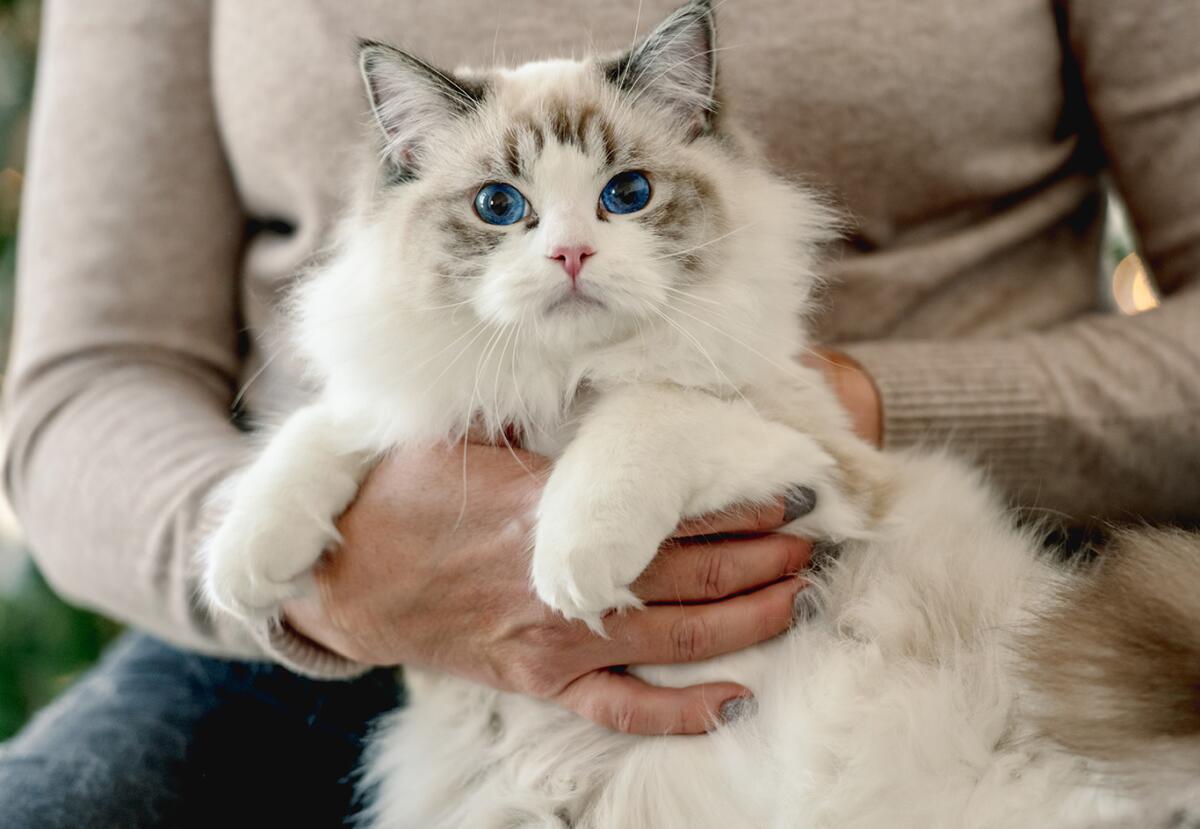
Ragdolls are known for their gentle and easygoing nature. They often enjoy the company of other cats and rarely show aggression. Their calm demeanor makes them excellent companions for both cats and humans, creating a peaceful environment.
If you want a cat that adapts well to others, Ragdolls are a solid choice. They usually avoid conflicts and prefer to cuddle rather than fight. Have you noticed how relaxed your cat becomes when a Ragdoll is around?
Siamese
Siamese cats are social and vocal, craving interaction with others. They tend to form strong bonds with their feline housemates. Their playful energy encourages other cats to engage and stay active.
While their talkative nature might surprise you, it helps prevent misunderstandings between cats. Consider a Siamese if you want a lively cat that encourages harmony through communication. Could your current cat benefit from a chatty companion?
Maine Coon
Maine Coons are large but gentle giants in the cat world. Their patient and friendly attitude helps them get along well with other pets. They often act like the peacemakers in a multi-cat household.
Because of their size and calmness, smaller cats usually feel safe around Maine Coons. Adding one could balance dynamics if your other cats are shy or nervous. What peacekeeping role could a Maine Coon play in your home?
Burmese
Burmese cats thrive on social interaction and often prefer living with other cats. They are affectionate and enjoy playing together, which helps build strong bonds. Their outgoing personality encourages harmony rather than competition.
Think about a Burmese if your cats need a friendly, engaging companion. Their love for company can reduce loneliness and destructive behavior. How might a Burmese change the social life of your cats?
Scottish Fold
Scottish Folds have a calm and adaptable temperament that suits multi-cat homes. They are neither too shy nor too dominant, finding a comfortable place among other cats. Their unique folded ears add to their charm but don’t affect their social skills.
These cats often adjust quickly to new feline friends, making introductions smoother. If you want a balanced personality that fits well with others, consider a Scottish Fold. Are you ready to welcome a cat that blends in effortlessly?
Breeds Known For Sociability With Other Pets
Some cat breeds naturally enjoy the company of other pets. They show friendly and gentle behavior. These breeds often adapt well in homes with multiple animals. Their sociable nature makes them great companions for dogs and other cats. Understanding these breeds helps in choosing the right pet for a peaceful home.
Abyssinian
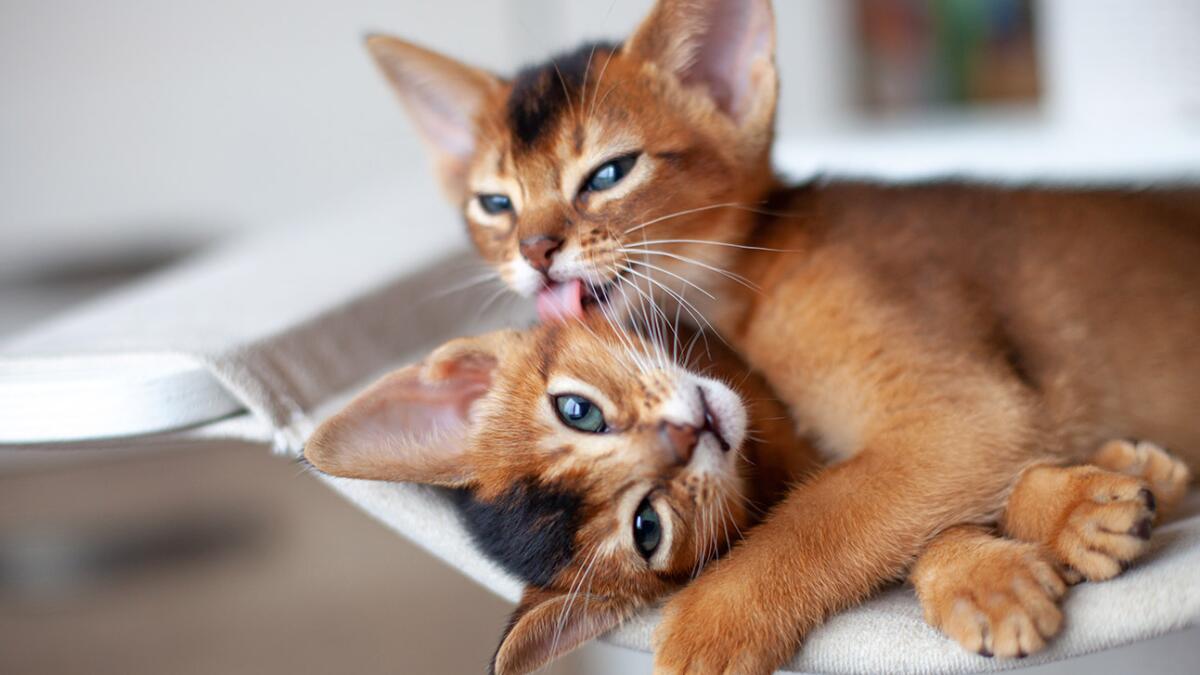
The Abyssinian is known for its playful and outgoing personality. This breed loves attention and enjoys being part of family activities. Abyssinians often get along well with dogs and other cats. They are curious and active, which helps them bond quickly with other pets. Their friendly nature makes them less likely to be aggressive.
Birman
Birmans are gentle and affectionate cats. They thrive in homes with other animals due to their calm temperament. This breed rarely shows aggression and prefers peaceful interactions. Birmans enjoy cuddling and socializing, making them good companions for dogs and cats alike. Their trusting nature helps build strong bonds.
Sphynx
The Sphynx is a very social and loving breed. It seeks warmth and attention from humans and pets. This breed often welcomes other animals and enjoys close contact. Sphynx cats are playful and curious, which helps them connect well with dogs and cats. Their friendly and outgoing personality creates a harmonious home environment.

Credit: www.rd.com
Tips For Introducing Cats To Each Other
Introducing cats to each other can be a delicate process that requires patience and care. Your approach can make a big difference in how well they get along. With thoughtful steps, you can help your cats build a peaceful relationship that lasts.
Gradual Introduction Steps
Start by keeping the new cat separated from your resident cat. Let them get used to each other’s scent by swapping bedding or using a cloth to gently rub one cat and then the other.
After a few days, allow brief visual contact through a baby gate or a cracked door. Watch their reactions closely—curiosity is good, but hissing or growling means you need to slow down.
Only when both cats seem calm and interested, try short supervised meetings in a neutral area. Keep these encounters positive by offering treats and praise.
Creating A Safe Environment
Make sure each cat has its own space with food, water, litter box, and resting spots. This reduces competition and stress.
Provide plenty of vertical space like cat trees or shelves so your cats can escape or observe from a distance. Cats feel more secure when they can choose their level of interaction.
Think about hiding spots too—small boxes or covered beds help shy cats relax during introductions.
Monitoring And Managing Interactions
Stay close during initial interactions and watch body language carefully. Tail twitching, flattened ears, or dilated pupils can signal discomfort.
If a confrontation occurs, calmly separate the cats without yelling or punishing. Use a gentle distraction like a toy or treat instead.
Keep sessions short and positive, gradually increasing time together as they get more comfortable. Have you noticed your cat’s favorite calming activity to help ease tension during these moments?
Signs Of Compatibility Between Cats
Cats have unique ways of showing they get along. Observing them closely can reveal signs of compatibility. These signs help cat owners understand their pets better. Let’s explore these signs in detail.
Body Language Cues
Body language is key in cat communication. Friendly cats often have relaxed tails and soft eyes. They may groom each other, showing trust and comfort. Watch for slow blinking. It’s a sign of affection between cats.
Play Behavior
Playful interactions indicate compatibility. Cats that chase and pounce without aggression enjoy each other’s company. Playful wrestling is normal if no one gets hurt. Sharing toys also shows they get along well.
Shared Resting Spaces
Cats that nap close together are usually friends. Shared resting spots mean they trust each other. They may even curl up in the same bed or chair. This behavior shows a strong bond between them.
Credit: www.latimes.com
Choosing The Right Cat For Your Home
Choosing the right cat for your home means thinking beyond just looks or popularity. You want a pet that fits smoothly into your daily life and creates a peaceful environment. The right choice depends on your living space, daily routine, and what kind of energy you want around you.
Considering Lifestyle And Space
Your lifestyle shapes the kind of cat that will thrive with you. If you work long hours or travel often, a low-maintenance breed that enjoys solitude, like the British Shorthair, might be a better fit.
Space matters just as much. Larger breeds or highly active cats, such as Bengals, need room to roam and play. Do you have enough space to meet their needs, or would a calm, smaller breed like the Scottish Fold suit your home better?
Matching Energy Levels
Matching your energy level with your cat’s is key to harmony. If you’re active and enjoy playtime, breeds like Abyssinians or Siamese cats will keep up with you and stay engaged.
On the other hand, if you prefer quiet evenings and a relaxed pace, calm breeds like Ragdolls or Persians can provide companionship without overwhelming your space. Have you thought about how much daily interaction you’re ready to give?
Age And Gender Factors
Age affects how cats interact with each other and with you. Kittens bring energy and curiosity but need more attention and patience. Older cats tend to be calmer and may appreciate a quiet environment.
Gender can influence compatibility as well. Some people find that male cats are more social and playful, while females can be independent and territorial. However, personality often matters more than gender.
Think about your tolerance for activity and noise. Are you ready for a lively kitten, or would a mature cat better fit your calm household?
:quality(75))
Credit: manypets.com
Frequently Asked Questions
Which Cat Breeds Are Best For Multi-cat Homes?
Breeds like Ragdolls, Maine Coons, and Siamese are known for their friendly nature. They usually tolerate other cats well and adapt to shared living spaces easily. These breeds often form strong bonds with other cats, making them ideal for multi-cat households.
How To Introduce Different Cat Breeds Properly?
Introduce cats slowly in a neutral space. Use scent swapping and supervised meetings. Gradually increase interaction time to reduce stress and promote positive relationships between breeds.
Can Calm Cat Breeds Get Along With Energetic Ones?
Yes, calm breeds like British Shorthairs can coexist with energetic breeds if introduced properly. Proper socialization and environment enrichment help balance their energy levels for harmony.
Are Certain Cat Breeds More Social And Friendly?
Yes, breeds like Burmese, Scottish Fold, and Abyssinians are naturally social and friendly. They enjoy company and adapt well to living with other cats or pets.
Conclusion
Choosing the right cat breeds can bring peace to your home. Friendly and social cats often get along well. Cats like Ragdolls, Maine Coons, and Siamese enjoy company. Introducing cats slowly helps them build trust. Watching their behavior lets you know if they are happy.
Happy cats create a calm and joyful atmosphere. Remember, every cat has its own personality. Patience and care make all the difference. Your cats can become great friends with time. Enjoy the love and fun they bring!



Leave a Reply