Have you noticed your cat ignoring toys that once sparked endless play? It can be puzzling and even a little worrying when your furry friend suddenly loses interest in their favorite games.
You might wonder, “Why won’t my cat play with toys anymore? ” Understanding the reasons behind this change can help you reconnect with your pet and bring back those joyful moments. Keep reading to discover what might be going on and how you can reignite your cat’s playful spirit.
Changes In Cat’s Age
As your cat grows older, you might notice a shift in how they interact with their toys. Changes in your cat’s age can significantly affect their play habits, energy levels, and interest in activities. Understanding these changes helps you adjust your expectations and find new ways to keep your feline friend happy and engaged.
Kitten Play Vs Adult Cat Behavior
Kitten play is often frantic and nonstop. Kittens explore the world by pouncing on anything that moves, batting toys around with excitement. Their play is not just fun—it’s how they learn about hunting and social skills.
Adult cats, however, tend to be more selective and deliberate. Their play sessions are shorter but more purposeful. Instead of chasing every toy, they might prefer stalking or pouncing on specific ones that mimic prey.
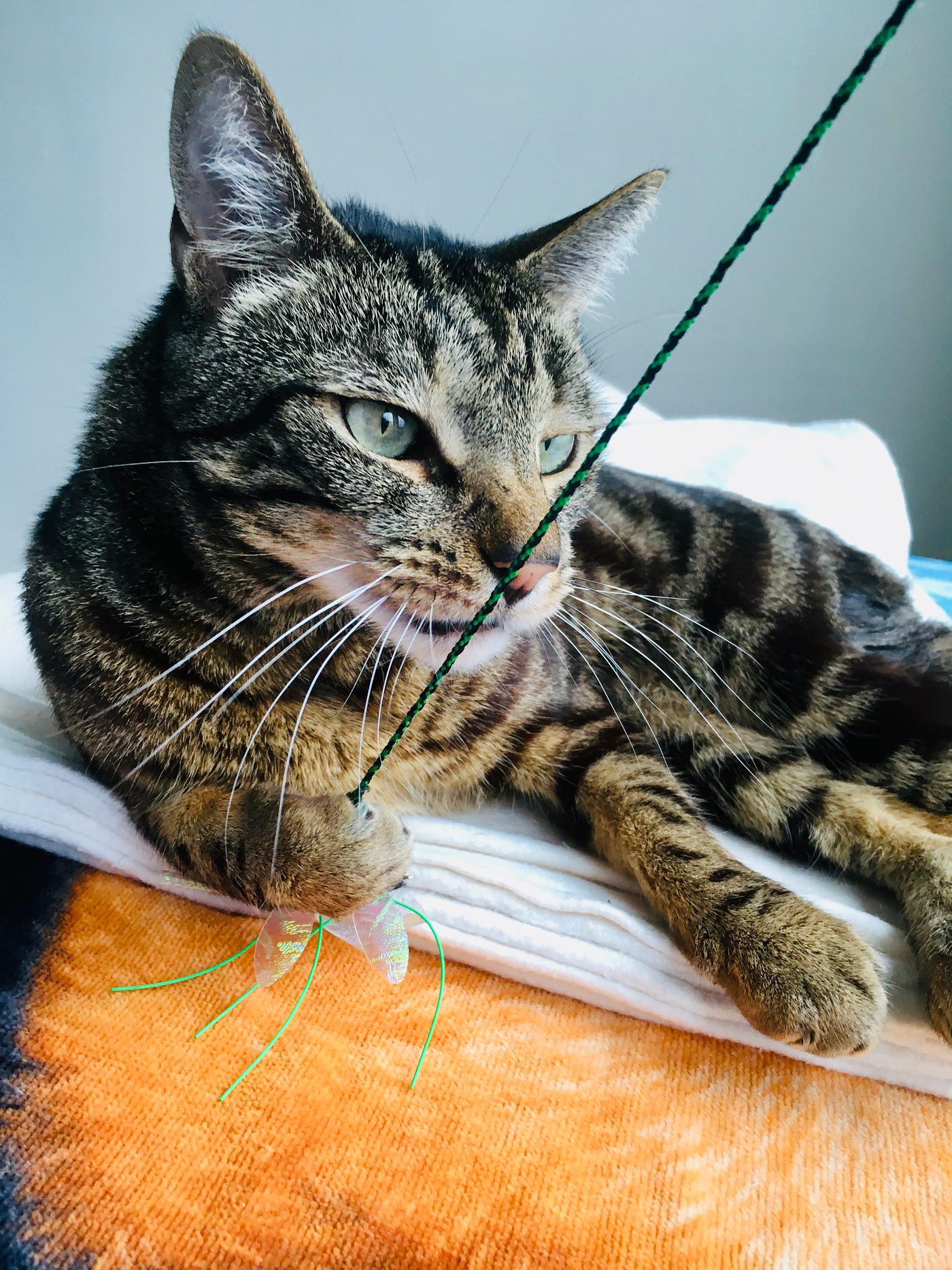
If your adult cat suddenly loses interest in toys, ask yourself if the toys still mimic their natural hunting instincts. Could a feather wand or a laser pointer reignite their curiosity?
Senior Cats And Activity Levels
Senior cats often reduce their activity levels as they age. Joint stiffness or arthritis can make energetic play uncomfortable or even painful. You might notice your older cat prefers resting over chasing toys.
To encourage play, try softer, lighter toys that don’t require fast movement. Slow, gentle interaction can stimulate their mind without causing strain. Have you tried interactive toys that encourage mental stimulation rather than physical exertion?
Pay attention to your senior cat’s changing needs. Adjusting playtime to their comfort level can keep them happy and mentally sharp while respecting their aging body.
Credit: medium.com
Health Issues Affecting Play
When your cat suddenly loses interest in toys, it might not just be boredom or a change in personality. Health issues can play a big role in reducing their desire to play. Understanding these health-related causes can help you spot problems early and get your furry friend the care they need.
Common Illnesses Reducing Energy
Illnesses like anemia, infections, or thyroid problems can drain your cat’s energy quickly. Cats with these conditions often appear tired and less willing to engage in play. Have you noticed your cat sleeping more or moving less? These subtle signs can hint at underlying health issues.
Sometimes, cats hide their discomfort well, making it harder to detect illness right away. If your cat’s playful spark is missing, a vet visit might reveal issues like kidney disease or diabetes. Early detection can make a big difference in managing these illnesses and restoring your cat’s energy.
Pain And Mobility Problems
Pain from arthritis or injuries can make even the thought of chasing a toy unbearable. Older cats especially may struggle with joint stiffness or muscle soreness. Watch for signs like limping, reluctance to jump, or unusual grooming habits around painful spots.
Imagine trying to play when every move causes discomfort. Would you want to? Your cat feels the same way. Adjusting playtime with gentler activities or softer toys can help keep them engaged without causing pain.
Have you tried interactive toys that don’t require much movement? Sometimes, simple changes can reignite your cat’s interest and keep them mentally active despite physical challenges.
Boredom And Toy Fatigue
Cats can lose interest in their toys over time due to boredom and toy fatigue. This happens when toys stay the same for too long. Cats crave new experiences and challenges. Without these, toys become dull and unexciting. Understanding this can help you keep your cat active and happy.
Repetitive Toys Losing Appeal
Toys that look or act the same quickly become boring. Cats are smart and notice repetition. A toy that always rolls the same way or makes the same noise loses its charm. The cat stops playing because it no longer feels interesting or fun.
Signs of toy fatigue include:
- Ignoring toys completely
- Less active playtime
- Trying to play with other objects
Introducing New And Interactive Toys
New toys can spark your cat’s interest again. Interactive toys that move or respond to the cat’s actions are even better. These toys challenge your cat’s mind and body.
Try these ideas:
- Battery-operated toys that mimic prey
- Puzzle feeders that reward with treats
- Varied textures and shapes
Rotate toys every week. This keeps playtime fresh and exciting. Your cat will stay curious and eager to play.
Environmental Factors
Environmental factors often play a big role in why your cat might suddenly lose interest in toys. Cats are sensitive creatures, and even small changes around them can affect their behavior and mood. Understanding these influences can help you create a more inviting play space for your feline friend.
Stress And Anxiety Impact
Your cat’s environment can cause stress or anxiety that stops them from playing. Loud noises, unfamiliar visitors, or even a new pet can make your cat feel uneasy. When stressed, cats often withdraw and avoid activities they once enjoyed, including playing with toys.
Think about any recent changes or events that could be causing tension. Have you moved furniture, introduced new family members, or had renovation work nearby? These factors may disrupt your cat’s sense of safety and make playtime less appealing.
Changes In Home Setup
Changes in your home’s layout or routine can confuse your cat and reduce their interest in toys. Cats thrive on consistency and may react negatively if their favorite play area is moved or blocked. Even shifting a scratching post or litter box can impact their comfort.
Try to keep your cat’s play zones familiar and accessible. If you’ve rearranged furniture or added new items, watch how your cat responds. You might need to reintroduce toys gradually or create new cozy spots where your cat feels secure and ready to engage.
Personality And Mood Shifts
Cats, like people, go through changes in personality and mood that can affect their playfulness. If your cat suddenly stops showing interest in toys, it might not be about the toys themselves but about shifts happening inside your furry friend. Understanding these changes can help you respond with patience and care.
Natural Changes In Interest
Your cat’s play habits can evolve naturally over time. Younger cats often have bursts of energy and curiosity, while older cats may prefer quieter activities.
Sometimes, your cat might simply be bored with the same toys. Switching up the type of toys or introducing new textures and sounds can reignite their interest.
Have you noticed if your cat’s energy levels dip during certain times of day? Cats often have mood cycles that influence when they want to play or rest.
Recognizing When Your Cat Needs Space
Not every moment is right for play. If your cat walks away or hides when you bring out toys, it may be signaling a need for alone time.
Respecting these signals can actually strengthen your bond. Cats appreciate when their boundaries are honored.
Look for signs like:
- Flattened ears
- Tail flicking
- Avoiding eye contact
These can indicate your cat isn’t in the mood to engage. Instead of pushing, try offering affection quietly or letting your cat initiate play when ready.
:strip_icc()/GettyImages-475355341-7acb7b34374e4afa94e9a3006389080a.jpg)
Credit: www.thesprucepets.com
Tips To Encourage Play
As a cat owner, it can be disheartening when your feline friend suddenly loses interest in their toys. But don’t worry; there are several ways to rekindle their playful spirit. With a few adjustments and some creativity, you can transform playtime into an exciting part of their day once again.
Engaging Your Cat With Variety
Cats, much like humans, can grow bored with the same routine. Offering a variety of toys can reignite their interest. Try rotating their toys every few days to keep things fresh and exciting.
Introduce toys with different textures, sounds, and movements. A feather wand today, a bouncy ball tomorrow. Each offers a new experience that can captivate your cat’s attention.
Observe your cat to see which types of toys they gravitate towards. This can provide insights into what engages them most and help you choose new toys they’ll love.
Using Playtime To Strengthen Bond
Playtime is more than just fun—it’s an opportunity to bond with your cat. Engaging directly with them using toys like laser pointers or interactive puzzles can strengthen your connection.
Set aside dedicated time each day for play. Even a short session can make a big difference in your relationship and your cat’s overall happiness.
Are there times your cat seems more playful? Consider adjusting your play schedule to align with their natural energy peaks. This way, you both get the most out of the experience.
Remember, patience and observation are key. By understanding your cat’s preferences and needs, you can create a playtime routine that’s both enjoyable and beneficial for them—and for you.
:strip_icc()/kittenandshoe-GettyImages-532112084-40dbe91379b74c2bad654faf6292f505.jpeg)
Credit: www.thesprucepets.com
Frequently Asked Questions
Why Has My Cat Suddenly Stopped Playing With Toys?
Cats may stop playing due to boredom, stress, or health issues. Aging and changes in environment also affect their interest in toys. Observing behavior and consulting a vet can help identify the cause.
Can Health Problems Cause My Cat To Avoid Toys?
Yes, health issues like arthritis, dental pain, or illness can reduce a cat’s playfulness. A vet check-up is essential to rule out medical causes and ensure your cat’s well-being.
How Can I Make Toys More Interesting For My Cat?
Rotate toys regularly and use interactive ones like feather wands or laser pointers. Adding catnip or treats can also stimulate your cat’s natural hunting instincts and encourage play.
Does My Cat’s Age Affect Its Interest In Toys?
Yes, older cats often lose interest in toys due to lower energy or health problems. Providing gentle, soft toys and shorter play sessions can help maintain engagement.
Conclusion
Cats may stop playing for many reasons. Age, health, or stress can affect their mood. Changing toys or routines might help. Give your cat time and gentle encouragement. Watch for any signs of illness. A happy cat plays again. Keep trying different toys and playtimes.
Your patience can bring back the fun. Stay calm and enjoy quiet moments together. Play is part of your cat’s well-being.

Leave a Reply