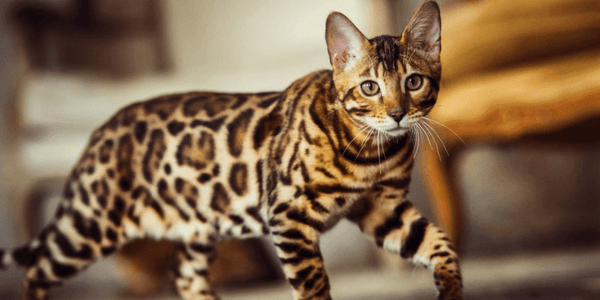
Are you passionate about Bengal cats and want to turn that passion into something more? Becoming a Bengal cat breeder can be a rewarding experience, but it takes more than just love for these beautiful animals.
You need the right knowledge, skills, and care to breed healthy, happy Bengals. In this guide, you’ll discover exactly what it takes to start breeding Bengal cats the right way. Keep reading to learn how you can create a successful breeding program that benefits both you and your cats.
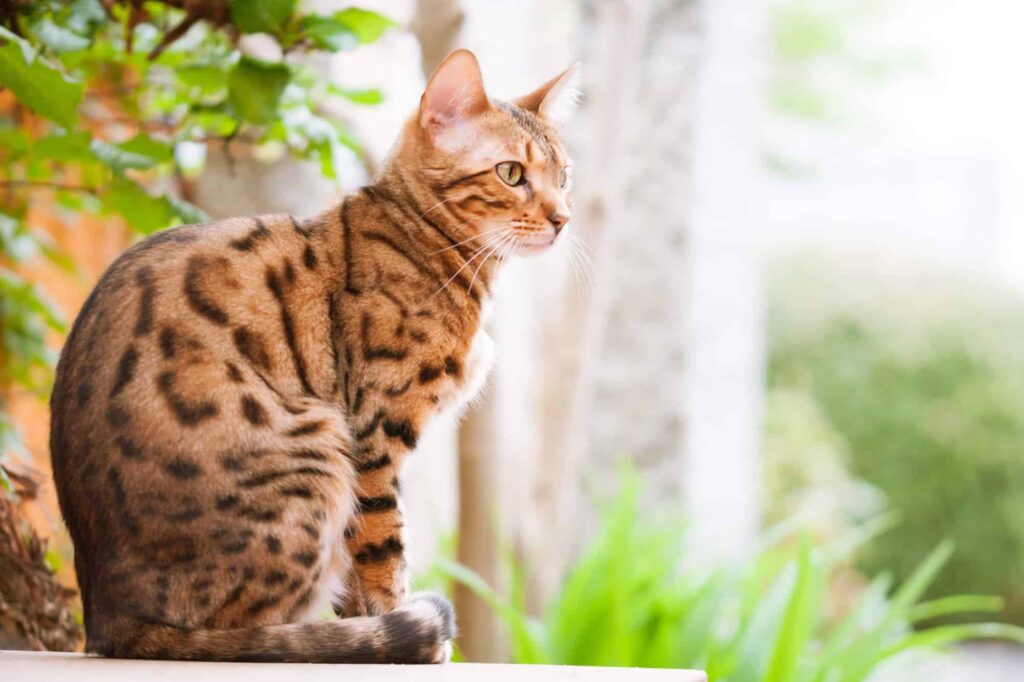
Credit: rawznaturalpetfood.com
Choosing Bengal Cats
Choosing the right Bengal cats for breeding is the foundation of your success. This decision shapes the health, temperament, and future of your breeding line. It’s more than just picking pretty cats; it’s about understanding their qualities deeply and making informed choices that reflect your breeding goals.
Selecting Healthy Breeding Cats
Your first priority should be the health of the cats. Look for Bengals with clear eyes, clean ears, and shiny coats—signs of good health. Request veterinary records to verify vaccinations and screenings for common feline diseases.
Ask about any hereditary health issues in their lineage. Choosing cats free from genetic disorders reduces risks in future litters. Remember, a healthy cat is more likely to produce healthy kittens, saving you time and worry.
Evaluating Temperament And Traits
Temperament matters just as much as physical traits. Bengal cats are known for their playful and energetic nature, but some individuals may be more social or calm. Spend time interacting with potential breeders to see if their personality fits the lifestyle you want to promote.
Consider traits like curiosity, friendliness, and tolerance to handling. These behaviors will influence how well kittens adapt to new homes. Would you want your kittens to be outgoing family pets or more independent companions? Your choice shapes the character of your breeding program.
Understanding Bengal Cat Genetics
Genetics can feel complex, but understanding basic Bengal cat genetics is crucial. Bengals carry specific genes responsible for their unique spotted or marbled coats. Knowing which genes your cats carry helps avoid undesirable traits and promotes breed standards.
Keep a detailed pedigree and consider genetic testing to identify carriers of recessive traits. This practice helps you plan matings that enhance desirable features while minimizing health risks. How confident are you in reading and applying genetic information to your breeding choices?
Setting Up Your Breeding Space
Setting up your breeding space is one of the most important tasks when becoming a Bengal cat breeder. This space needs to be comfortable, safe, and well-organized to ensure the health and well-being of both the mother and her kittens. Thoughtful preparation can prevent many common problems and make your breeding experience smoother and more enjoyable.
Creating A Safe Environment
Your breeding area should be quiet and free from hazards. Bengal cats are energetic and curious, so remove any sharp objects, toxic plants, or small items they could swallow. Make sure the room temperature stays warm and stable, as kittens can’t regulate their body heat well at first.
Consider soundproofing the space or using white noise machines to reduce stress from household noises. You want your cats to feel secure, so avoid placing the space near busy areas. Have you thought about how lighting might affect your cats’ comfort? Soft, natural light is best.
Essential Supplies And Equipment
Equip your breeding space with the right tools to handle daily care and emergencies. A comfortable nesting box is crucial—choose one large enough for the mother and her kittens, lined with soft, washable bedding. You’ll also need food and water bowls, litter boxes, and grooming supplies nearby.
Don’t forget medical essentials like a first aid kit, digital thermometer, and scales to monitor kitten growth. Heating pads can help keep newborns warm but be sure they have enough space to move away if they get too hot. Have you prepared for unexpected situations with backup supplies?
Maintaining Cleanliness And Hygiene
Cleanliness is vital to prevent infections and keep your cats healthy. Clean the nesting box daily and replace bedding regularly. Use pet-safe disinfectants to wipe down surfaces and litter boxes at least twice a week.
Always wash your hands before and after handling kittens to avoid spreading germs. If you notice any signs of illness, act quickly and consult your vet. How will you set a cleaning routine that fits your schedule and keeps your breeding space spotless?
Breeding Preparation
Preparing to breed Bengal cats requires proper knowledge of genetics and health checks. Ensuring a clean, safe environment helps support the mother and kittens. Careful planning leads to healthy and happy Bengal cats.
Breeding Preparation Embarking on the journey of becoming a Bengal cat breeder is both exciting and demanding. Preparation is key to ensuring success and maintaining the health and well-being of your cats. It involves more than just pairing two cats; it requires careful planning and attention to detail. Let’s dive into the crucial aspects of breeding preparation.Health Checks And Vaccinations
Ensuring your Bengal cats are in top health is the first step in breeding preparation. Schedule regular veterinary check-ups to monitor their overall health. Make sure your cats are up-to-date with vaccinations, as this prevents the spread of diseases among your breeding cats and future kittens. A comprehensive health check should include screenings for common genetic issues. Discuss with your vet about specific tests for Bengals, such as those for heart and kidney conditions. Healthy parents are more likely to produce healthy kittens, giving you peace of mind and a good reputation as a breeder.Timing The Breeding Cycle
Understanding the breeding cycle of your Bengal cats is crucial for successful mating. Female Bengal cats typically experience heat cycles every few weeks. However, timing the mating process requires observation and patience. Track the female’s heat cycles to identify the most fertile periods. This increases the chances of successful conception. Have you considered keeping a breeding diary? It can be invaluable for tracking cycles and predicting future patterns.Pairing Compatible Cats
Selecting the right pair of cats is a critical component of breeding preparation. Compatibility goes beyond physical traits; consider temperament and genetic compatibility. Observe the cats’ interactions to ensure they are comfortable with each other. Research the lineage of both cats to avoid undesirable traits or genetic disorders. Compatibility in personality and genetics can make all the difference in producing healthy, well-adjusted kittens. Remember, successful breeding is as much about the journey as it is about the destination. Each step in the preparation process brings you closer to becoming a responsible and successful Bengal cat breeder.Pregnancy And Birth Care
Pregnancy and birth care are crucial stages in Bengal cat breeding. Your attention during this time directly impacts the health of both the queen and her kittens. Understanding how to monitor, prepare, and assist can make the difference between a smooth delivery and potential complications.
Monitoring The Queen’s Health
Keep a close eye on the queen’s behavior and physical condition throughout her pregnancy. Regularly check her appetite, energy levels, and weight gain to catch any unusual changes early. You should also schedule vet visits to monitor fetal development and rule out infections or other issues.
Track her temperature daily as labor approaches— a drop of about 1-2 degrees Fahrenheit often signals that delivery is near. Have a calendar handy to note milestones and symptoms, so you can share accurate updates with your vet.
Preparing For Labor
Create a quiet, comfortable nesting area where the queen can feel safe. Use a box lined with soft blankets in a warm, low-traffic part of your home. Keep essentials like clean towels, disposable gloves, and a heating pad within reach.
Prepare a list of emergency contacts, including your vet and an emergency animal hospital. Familiarize yourself with the signs of labor, such as restlessness, pacing, and vocalizing. This way, you’ll know exactly when to step in or call for help.
Assisting With Delivery
Most Bengal cats deliver without needing help, but stay ready to assist if complications arise. Gently remove any membranes covering the kittens’ faces to help them breathe. Use clean towels to dry the newborns and stimulate breathing if necessary.
If a kitten gets stuck for more than 30 minutes or the queen shows excessive distress, contact your vet immediately. Remember, your calm presence can reduce stress for the queen, so speak softly and move slowly during the process.
Kitten Care And Development
Caring for Bengal kittens is key to raising healthy cats. Early care shapes their growth and behavior. Proper attention during this stage helps build strong, happy cats.
Feeding And Nutrition
Bengal kittens need a balanced diet with high protein. Use quality kitten food designed for growth. Feed small, frequent meals throughout the day. Fresh water must always be available. Avoid giving cow’s milk; it can upset their stomach. Consult a vet to choose the best food for your kittens.
Socialization And Handling
Handle kittens gently from an early age. This helps them become comfortable with people. Play with them daily using safe toys. Expose kittens to different sounds and sights. Encourage positive experiences with other pets. This builds confidence and reduces fear later in life.
Tracking Growth Milestones
Monitor kitten weight weekly to ensure healthy growth. Watch for key stages like opening eyes and walking. Note when they start eating solid food. Check teeth development and mobility. Keep records to spot any health issues early. Regular vet visits support proper development.

Credit: www.outdoorbengal.com
Marketing And Selling Bengal Kittens
Marketing and selling Bengal kittens is as much about building trust as it is about showcasing your kittens’ unique qualities. Your approach can make a big difference in finding the right homes for these beautiful cats. It’s not just about attracting buyers; it’s about creating connections with people who will care deeply for your kittens.
Creating Effective Listings
Your listings should highlight what makes your Bengal kittens special. Use clear, high-quality photos that show their coat patterns and playful personalities. Write detailed descriptions that cover their health, temperament, and any special care they need.
Include information about their lineage, vaccinations, and socialization. Buyers appreciate transparency and detailed info—it builds confidence. Have you ever bought something online without enough info? Don’t let your potential buyers feel that way.
Screening Potential Buyers
Not every interested person will be the right fit for your kittens. Ask questions to understand their experience with cats and how they plan to care for a Bengal. This helps ensure your kittens go to homes that will provide love and proper care.
Consider a short phone call or video chat to get a better sense of the buyer’s environment. Don’t hesitate to say no if something feels off. Protecting your kittens’ future is more important than making a quick sale.
Setting Prices And Contracts
Price your Bengal kittens based on their pedigree, health, and market demand. Check what other reputable breeders charge to stay competitive but fair. Avoid undervaluing your kittens; quality care and breeding take time and resources.
Draft a clear sales contract outlining health guarantees, spay/neuter agreements, and return policies. This protects both you and the buyer. Have you prepared a contract that covers unexpected situations? It’s a smart step that can save stress later.
Legal And Ethical Responsibilities
Being a Bengal cat breeder is more than just pairing cats and raising kittens. You have legal and ethical duties that protect your cats, your reputation, and the breed’s future. Understanding these responsibilities helps you build trust and ensures your breeding program is respected.
Registering Your Cattery
Registering your cattery with recognized organizations is essential. It gives your breeding operation legitimacy and access to valuable resources. Most cat associations require you to provide details about your breeding plans and facilities.
Registration also helps potential buyers verify the authenticity of your Bengals. It shows you are committed to maintaining breed standards. Have you checked which registries are respected in your region?
Following Breeding Regulations
Every area has specific laws about animal breeding. These may cover health checks, vaccinations, and the number of litters you can have annually. Ignoring these rules can lead to fines or losing your breeding license.
Keep detailed records of each cat’s health and lineage. This transparency protects you if questions arise about your practices. How do you stay updated on changing regulations in your area?
Promoting Ethical Breeding Practices
Ethics in breeding means prioritizing the well-being of your cats over profit. Avoid breeding cats with genetic defects or poor temperaments. Your goal should be healthy Bengals with good personalities.
Consider the impact on the cats’ lives and the people who will adopt them. Responsible breeders also educate buyers about proper Bengal care. What steps can you take today to make your breeding more ethical?
Troubleshooting Common Issues
Troubleshooting is part of being a Bengal cat breeder. Challenges arise in health, behavior, and breeding. Knowing how to handle these issues keeps your cats healthy and happy. This section explains key solutions for common problems.
Managing Health Problems
Monitor your Bengals closely for signs of illness. Common issues include respiratory infections and parasites. Regular vet checkups help catch problems early. Vaccinate and deworm your cats on schedule. Keep their living area clean and dry. Provide a balanced diet to boost immunity. If any Bengal shows unusual behavior or appetite loss, consult a vet immediately. Early treatment prevents serious health complications.
Handling Behavioral Challenges
Bengal cats are active and curious. Sometimes they show aggression or anxiety. Create a calm and safe environment for them. Use interactive toys to reduce boredom. Avoid loud noises and sudden changes. Establish a daily routine for feeding and playtime. Socialize kittens early to build confidence. If aggression occurs, identify triggers and remove them. Patience and consistency help improve behavior over time.
Dealing With Breeding Setbacks
Breeding Bengals can have setbacks like failed pregnancies or small litters. Track the female’s health and breeding cycles carefully. Provide extra nutrition before and after mating. Stress can affect pregnancy, so keep the environment quiet. If a pregnancy fails, allow time for recovery before trying again. Work with an experienced vet for advice on reproductive health. Sometimes, genetics cause breeding challenges, so review bloodlines thoughtfully.
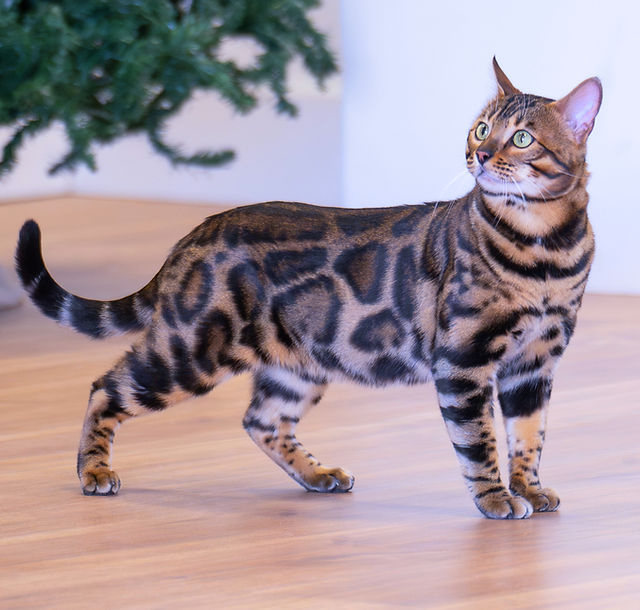
Credit: www.amarillobengals.com
Frequently Asked Questions
What Qualifications Do I Need To Breed Bengal Cats?
You need knowledge of genetics, cat care, and breeding ethics. Experience with Bengal cats and a registered cattery are essential. Proper licensing and adherence to local laws are also required.
How Do I Select Healthy Bengal Cats For Breeding?
Choose cats with strong health, good temperament, and proper Bengal markings. Screen for genetic diseases and ensure vaccinations are up to date. Avoid breeding cats with health or behavioral issues.
What Is The Ideal Environment For Bengal Cat Breeding?
Provide a clean, safe, and spacious area with controlled temperature. Ensure proper nutrition and regular veterinary care. A stress-free environment promotes healthy mating and kitten development.
How Can I Care For Bengal Kittens After Birth?
Keep kittens warm, feed the mother well, and monitor health closely. Socialize kittens gently and schedule vet checkups. Early care impacts their growth and future temperament.
Conclusion
Breeding Bengal cats takes care, patience, and love. Know their needs and health well. Keep their environment clean and safe. Choose strong, healthy cats to breed. Learn from experienced breeders and vets. Always put cats’ well-being first. Enjoy watching these beautiful cats grow.
This journey can bring joy and pride. Stay ready to learn and improve. Your Bengal cats will thank you.


Leave a Reply