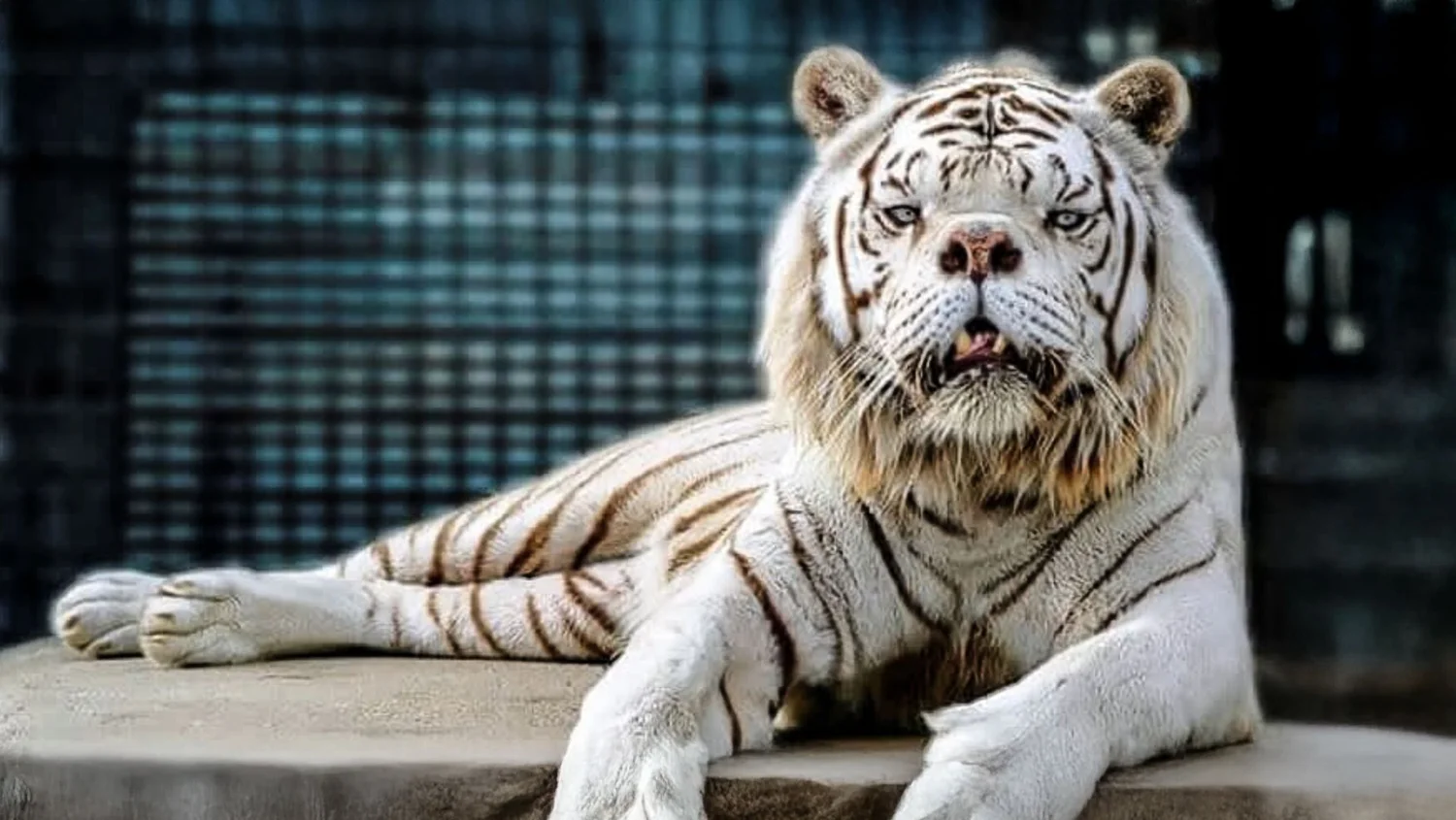
Have you ever wondered what challenges big cats face beyond the wild roar and fierce hunts? These majestic creatures might look strong and fearless, but they struggle with serious health problems that can affect their survival.
Understanding these issues not only helps protect them but also connects you to the hidden struggles of animals you admire. Keep reading to discover the surprising health threats big cats deal with and why your awareness can make a difference.
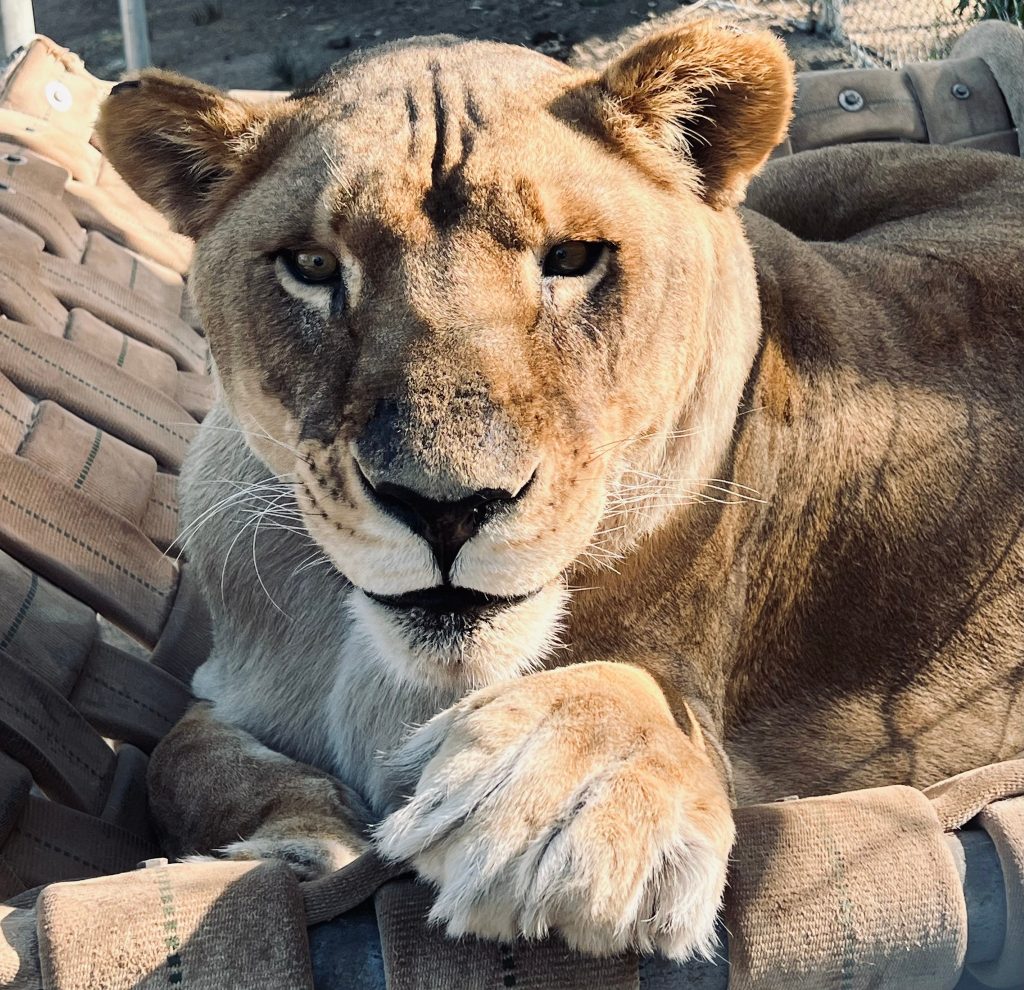
Credit: www.lionstigersandbears.org
Common Health Issues In Big Cats
Big cats, such as lions, tigers, and leopards, face a range of health challenges that can impact their survival both in the wild and captivity. Understanding these common health issues helps you appreciate the complexity of their care and the efforts needed to protect these majestic animals. Let’s look closely at some health problems that frequently affect big cats.
Infectious Diseases
Infectious diseases pose a serious threat to big cats. Viruses like feline immunodeficiency virus (FIV) and feline leukemia virus (FeLV) weaken their immune systems, making it hard to fight off other illnesses.
There’s also the risk of bacterial infections, such as tuberculosis, which can spread through contact with infected animals or contaminated environments. Have you ever wondered how these diseases affect a big cat’s daily life and hunting ability?
Parasitic Infections
Parasites like ticks, fleas, and intestinal worms often infect big cats. These parasites drain essential nutrients, causing weakness and sometimes severe illness.
For instance, mange, caused by mites, can lead to hair loss and skin infections, making the cat vulnerable to other health problems. Keeping an eye on parasite control is crucial if you’re involved in big cat care or conservation.
Chronic Conditions
Chronic conditions such as arthritis and dental disease frequently affect older big cats. Arthritis limits their mobility, which is vital for hunting and defending territory.
Dental problems can cause pain and difficulty eating, leading to poor nutrition. Have you considered how managing these chronic conditions can improve the quality of life for aging big cats?
Impact Of Captivity On Big Cat Health
Captivity changes the natural life of big cats drastically. It affects their health in many ways. The limited space, lack of natural hunting, and constant human presence create many challenges. These animals face serious health problems that wild cats rarely experience. Understanding these impacts helps improve care and welfare in captivity.
Stress And Behavioral Disorders
Big cats in captivity often suffer from stress. They cannot roam freely or hunt like in the wild. This causes frustration and anxiety. Stress leads to abnormal behaviors such as pacing, over-grooming, or aggression. These signs show mental and physical health decline. Without proper enrichment, stress worsens and reduces life quality.
Nutritional Deficiencies
Captive diets may lack variety and essential nutrients. Big cats need a balanced diet rich in proteins, vitamins, and minerals. Zoo or sanctuary feeding sometimes falls short. Poor nutrition weakens the immune system and bones. Nutritional gaps cause diseases like anemia and dental problems. Regular diet reviews are vital for healthy cats.
Limited Physical Activity
Big cats require daily exercise to stay strong. Small enclosures limit their movement and hunting practice. Lack of exercise leads to obesity and muscle loss. It also increases the risk of joint problems. Physical inactivity lowers their natural fitness and survival skills. Providing space and stimulation encourages healthy activity.
Genetic Disorders And Inbreeding
Genetic disorders and inbreeding present serious challenges to the health of big cats. These issues arise when populations become isolated or small, leading to a limited gene pool. This can increase the risk of inherited diseases and reduce the overall resilience of these magnificent animals.
Reduced Genetic Diversity
When big cat populations shrink, the variety of genes within them decreases. This reduction in genetic diversity makes it harder for the species to adapt to changes in their environment or resist diseases. You might wonder how this impacts survival—less diversity means fewer chances for beneficial traits to appear.
For example, isolated tiger populations in some reserves show limited genetic variation, which makes them vulnerable to illnesses and environmental stress. This is why maintaining diverse habitats and connecting isolated groups is crucial for their survival.
Inherited Diseases
Inbreeding often leads to inherited diseases that affect big cats’ health and longevity. These conditions can include heart defects, deformities, and immune system problems. You might not realize that some of these diseases quietly reduce an animal’s ability to hunt or reproduce effectively.
In zoos, careful genetic monitoring helps reduce the chance of passing on such diseases. But in the wild, monitoring is harder, leaving many cats at risk of suffering from genetic disorders without any intervention.
Effects On Reproduction
Inbreeding can also harm reproduction rates in big cats. Offspring from closely related parents often have lower survival rates and may suffer from birth defects. This slows population growth and can push endangered species closer to extinction.
Have you thought about how this affects conservation efforts? Breeders and wildlife managers must carefully plan matings to avoid inbreeding and keep populations healthy. This means tracking family lines and sometimes moving animals between reserves to boost genetic diversity.
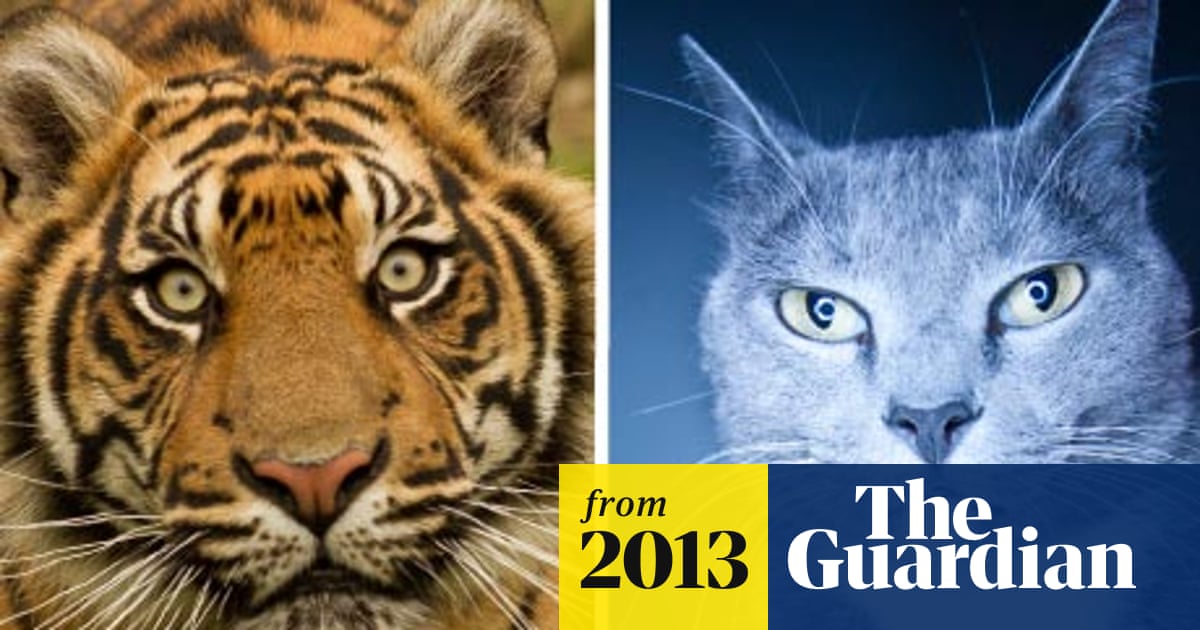
Credit: www.theguardian.com
Environmental Threats And Pollution
Big cats, such as lions, tigers, and leopards, face serious challenges from environmental threats and pollution. These dangers not only harm their health but also disrupt their natural habitats and food sources. Understanding these issues helps you see the urgency in protecting these majestic creatures.
Toxic Exposure
Big cats often come into contact with harmful chemicals like pesticides and heavy metals. These toxins can accumulate in their bodies, leading to weakened immune systems and reproductive problems.
For example, tigers living near industrial areas may ingest polluted water or contaminated prey. Have you ever considered how something invisible like pollution can silently damage these powerful animals?
Habitat Destruction
Human activities like deforestation and urban expansion are shrinking the living spaces of big cats. This forces them into smaller, fragmented areas where food is scarce and conflicts with humans increase.
When their homes disappear, big cats struggle to find shelter and mates, which directly affects their survival. What would you do if your home was taken away without warning?
Climate Change Effects
Changes in temperature and weather patterns impact the ecosystems that big cats rely on. Altered rainfall can reduce prey availability and cause water shortages.
For instance, prolonged droughts may push lions to roam further, increasing the risk of dangerous encounters with humans. How can you help reduce climate change to protect these animals?
Human-related Risks
Big cats face numerous challenges due to human activities. These magnificent creatures struggle with threats that can severely impact their survival. Understanding these risks can help in their conservation efforts.
Poaching And Illegal Trade
Poaching poses a significant threat to big cats. Their skins, bones, and other body parts are highly valued. This illegal trade is driven by demand for traditional medicine and luxury items. Poaching reduces their numbers drastically. It disrupts their natural habitats and causes a decline in their population.
Human-wildlife Conflict
As human populations grow, big cats lose their habitats. This leads to increased encounters with humans. Often, these encounters result in conflicts. Farmers may kill big cats to protect livestock. Such actions threaten the survival of these majestic animals.
Disease Transmission From Humans
Big cats are at risk from diseases spread by humans. Close contact with human settlements increases this risk. Diseases like tuberculosis and canine distemper can be deadly. These illnesses can spread rapidly, affecting entire populations of big cats.

Credit: bigcatrescue.org
Conservation Efforts To Improve Health
Big cats face many health challenges due to habitat loss, disease, and human threats. Conservation efforts focus on improving their health and survival. These efforts combine science, care, and protection to support big cat populations.
Veterinary Care Advances
Veterinary care for big cats has improved greatly in recent years. Experts now use better tools to diagnose and treat illnesses. Wildlife hospitals provide emergency care and long-term treatment.
Vaccinations help prevent common diseases. Regular health checkups catch problems early. This care extends the lives of many big cats in the wild and captivity.
Habitat Restoration
Healthy habitats are vital for big cat health. Conservation groups work to restore forests and grasslands. Restoring habitats increases prey availability and lowers stress for big cats.
Protected areas reduce human conflicts and poaching risks. Clean water and safe shelter improve overall well-being. These efforts create safer spaces for big cats to thrive.
Breeding Programs
Breeding programs help increase big cat numbers. Zoos and wildlife centers breed animals carefully to avoid inbreeding. Healthy genetics reduce disease risks in future generations.
Some programs release bred cats back into the wild. This boosts wild populations and genetic diversity. Breeding efforts support the long-term survival of endangered species.
Frequently Asked Questions
What Common Diseases Affect Big Cats In The Wild?
Big cats often face diseases like feline leukemia, tuberculosis, and parasitic infections. These illnesses weaken their immune systems and reduce survival chances.
How Does Habitat Loss Impact Big Cats’ Health?
Habitat loss causes stress, malnutrition, and increased disease risk in big cats. It limits prey availability and forces them into human conflict zones.
Can Big Cats Suffer From Genetic Health Problems?
Yes, inbreeding in isolated populations leads to genetic defects and reduced fertility. This weakens resilience to diseases and environmental changes.
What Role Does Diet Play In Big Cats’ Health Issues?
Poor diet from scarce prey causes malnutrition and weakened immunity. Proper nutrition is vital for their strength and disease resistance.
Conclusion
Big cats face many health challenges in the wild and captivity. Diseases, injuries, and aging affect their survival. Protecting their habitats helps reduce these problems. Regular health checks in zoos keep them safe. Understanding their health needs supports conservation efforts.
Everyone can help by spreading awareness about their struggles. These majestic animals deserve care and respect. Their well-being impacts the whole ecosystem. Keeping big cats healthy keeps nature balanced. Let’s work together to support their future.


Leave a Reply