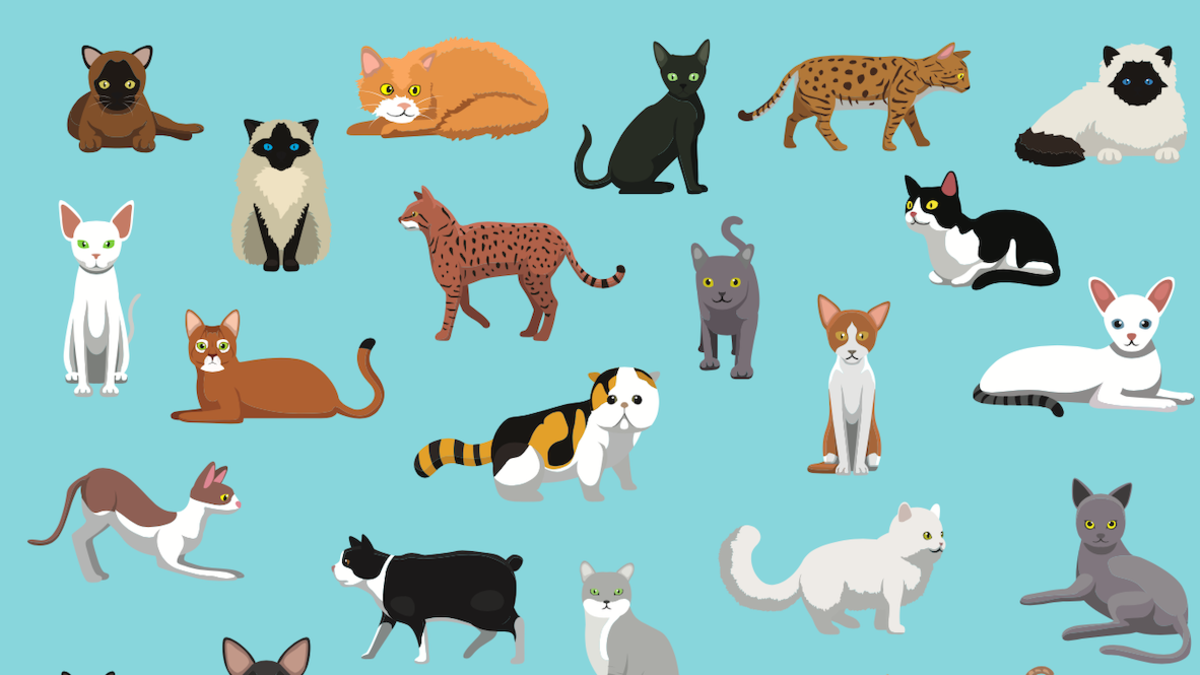
Have you ever wondered just how many different cat breeds exist around the world? If you’re a cat lover or simply curious, knowing the variety of feline friends out there can surprise and delight you.
From fluffy giants to sleek little hunters, each breed has its own unique look and personality. You’ll discover the fascinating number of cat breeds recognized worldwide and what makes each one special. Keep reading—you might find your next favorite furry companion waiting to be discovered!
Global Cat Breed Count
Counting cat breeds worldwide is trickier than you might think. Different organizations recognize different numbers, and new breeds appear as breeders experiment with unique traits. Knowing how many breeds exist gives you a clearer picture of the diversity you can encounter in the feline world.
Official Cat Breed Registries
Major cat associations like The International Cat Association (TICA), Cat Fanciers’ Association (CFA), and Fédération Internationale Féline (FIFe) each maintain their own list of recognized breeds. For example, TICA currently recognizes around 73 breeds, while CFA lists about 44. These differences arise because each group has distinct standards and criteria for breed recognition.
Differences In Breed Recognition
Not all cat breeds are accepted universally. Some breeds are popular in one region but unknown elsewhere. The Khao Manee, for instance, is well known in Thailand but less recognized globally. This variation can make you wonder: how do you decide which breed counts?
Emerging And Experimental Breeds
Breeders continuously develop new breeds by mixing existing ones or emphasizing rare traits. These experimental breeds might not be officially recognized yet but add to the overall count. Have you ever met a cat with an unusual coat or eye color that didn’t match any known breed?
Estimated Total Number Of Cat Breeds
Combining official and emerging breeds, the total number worldwide falls roughly between 70 and 100. This range captures the well-established breeds plus those still gaining recognition. It’s exciting to think that the world of cats is still evolving right before our eyes.
Popular Cat Breeds
Cats come in many shapes, sizes, and colors worldwide. Some breeds are well-loved for their unique looks and friendly nature. Popular cat breeds often become family pets. They fit well into many homes and lifestyles.
Top Domestic Breeds
Domestic cats make up a large part of popular breeds. They vary widely but share common traits. Many are known for being affectionate and easy to care for.
- American Shorthair:Known for a sturdy build and sweet personality.
- British Shorthair:Famous for a plush coat and calm nature.
- Persian:Recognized for long fur and gentle temperament.
- Siamese:Noted for striking blue eyes and vocal behavior.
- Maine Coon:Large size and friendly, playful spirit.
Famous International Breeds
Many breeds come from specific countries and have global fans. These cats often have unique features linked to their origin.
- Bengal:Wild-looking spots with a lively personality, from the USA.
- Russian Blue:Elegant silver-blue coat and shy nature, from Russia.
- Sphynx:Hairless with a warm and curious nature, from Canada.
- Scottish Fold:Folded ears and calm behavior, from Scotland.
- Japanese Bobtail:Short tail and active, social traits, from Japan.
Rare And Exotic Breeds
Rare and exotic cat breeds fascinate many cat lovers worldwide. These breeds stand out for their unusual looks and distinct personalities. They are less common and often have unique features not found in popular breeds. Exploring these cats reveals a fascinating world of diversity and charm.
Unique Traits
Rare cat breeds often have one or more special traits. Some have unusual coat patterns or colors that catch the eye. Others possess distinct body shapes or ear styles. Many have unique behaviors or vocal sounds. These traits make each rare breed truly special.
- Sphynx cats have no fur, with soft, warm skin.
- Kurilian Bobtails have short, fluffy tails resembling a bunny’s tail.
- Scottish Folds have ears that fold forward, creating a cute look.
- Ashera cats are large with spotted coats and a wild appearance.
Geographical Origins
Many rare breeds come from specific parts of the world. Their origins often shape their looks and traits. Some breeds developed in isolated regions, making them less common globally. Understanding where these cats come from adds to their mystery and charm.
| Breed | Origin | Notable Feature |
|---|---|---|
| Turkish Van | Turkey | Water-loving cat with a unique coat pattern |
| Azores | Portugal (Azores Islands) | Rare breed with a spotted coat |
| Serengeti | United States (bred from Bengal and Oriental cats) | Long legs and spotted coat like a wild cat |
| Chausie | Middle East | Wild look with a strong, muscular body |

Credit: m.youtube.com
Cat Breed Classification
Cat breeds vary widely, with over 70 recognized types worldwide. Each breed has unique traits, colors, and personalities to explore. Understanding breed classification helps in identifying and appreciating these differences.
Cat Breed Classification When you think about the diverse world of cats, it’s fascinating to realize how many different breeds exist. Cats have been companions to humans for thousands of years, and their breeds have evolved with distinct characteristics. Understanding how these breeds are classified can help you appreciate the unique traits each one offers.Longhair Vs Shorthair
The most basic classification of cats is based on their fur length. Longhair cats, such as the Persian and Maine Coon, boast luxurious, flowing coats that require regular grooming. Shorthair cats, like the British Shorthair and Siamese, have sleek, easy-to-maintain fur that suits busy lifestyles. Have you ever noticed how longhair cats seem to glide gracefully across the room? Their fur isn’t just for looks; it’s an adaptation for colder climates. On the other hand, shorthair cats often appear more athletic and agile, reflecting their origins in warmer regions.Color And Pattern Variations
Beyond fur length, color and pattern variations make each cat truly unique. Some cats wear solid colors, while others display striking patterns like tabby, calico, or tortoiseshell. These variations can create a rainbow of possibilities, from the deep black of a Bombay to the orange stripes of a classic tabby. Did you know that a cat’s color can sometimes hint at their personality? For instance, many people believe that tortoiseshell cats are particularly feisty. While there’s no scientific proof, it’s fun to ponder if your cat’s coat influences their behavior. When choosing a cat, does the color or pattern catch your eye first, or do you focus more on personality? Understanding these classifications can make your decision more informed and enjoyable.Cat Breed Registries
Cat breed registries play a vital role in identifying and preserving cat breeds worldwide. They keep official records and set the standards for each breed. These registries help breeders maintain breed purity and promote healthy traits. Their work ensures that recognized breeds have clear definitions and unique characteristics.
Major Organizations
Several major organizations manage cat breed registries globally. Each has its own system and rules. The most well-known include:
- The Cat Fanciers’ Association (CFA)
- The International Cat Association (TICA)
- The Fédération Internationale Féline (FIFe)
- The Governing Council of the Cat Fancy (GCCF)
These organizations register breeds, organize shows, and support breeders. Their decisions influence how many breeds are officially recognized.
Breed Recognition Criteria
Breed recognition depends on strict criteria. Registries require clear documentation of a breed’s history. They look for consistent physical traits and behaviors. Breeders must provide evidence of stable breeding lines. Genetic health and uniqueness are also important factors. This process can take years before a breed gains full recognition.

Credit: www.latimes.com
Choosing The Right Breed
Choosing the right cat breed is key for a happy home. Each breed has unique traits that affect your daily life. Think about your lifestyle before picking a breed. Some cats are active and playful. Others prefer calm and quiet times. Knowing what fits your routine helps both you and the cat.
Temperament Considerations
Temperament varies widely among cat breeds. Some cats are friendly and social. Others enjoy solitude and quiet corners. Some breeds are curious and love to explore. Others may be shy or reserved. Think about how a cat’s personality matches your family. Consider children, other pets, and your daily schedule. A good match reduces stress for everyone.
Care And Maintenance
Care needs differ from one breed to another. Long-haired cats need regular brushing to avoid mats. Short-haired cats require less grooming but still need care. Some breeds need special diets or health checks. Activity level also matters. Active cats may need more playtime and stimulation. Choose a breed whose care fits your time and budget.
Credit: www.thewildlifediaries.com
Frequently Asked Questions
How Many Cat Breeds Exist Worldwide Currently?
There are approximately 70 to 75 recognized cat breeds globally. Different cat associations may list slightly varied numbers based on breed standards.
Which Organizations Recognize Cat Breeds Worldwide?
Major organizations include CFA, TICA, and FIFe. Each has its own breed recognition criteria and standards.
Are New Cat Breeds Still Being Developed Today?
Yes, breeders continuously develop new breeds through selective breeding. This helps enhance unique traits and diversity.
What Factors Define A Cat Breed Officially?
A cat breed is defined by distinct physical traits, behavior, and pedigree. Consistency in these traits is crucial for recognition.
Conclusion
Cats come in many breeds, each with its own charm. Around the world, over 70 recognized cat breeds exist. Each breed shows unique traits and colors. Some cats are fluffy, while others have short hair. People choose breeds based on looks and personality.
Learning about cat breeds helps in caring for them better. Whether you want a playful or calm cat, there is a breed for you. Exploring cat breeds can be fun and rewarding. Cats bring joy, no matter their breed or size.



Leave a Reply