Is your cat refusing to use the litter box? You’re not alone, and it can be really frustrating.
When your furry friend suddenly avoids their litter box, it’s more than just a mess—it’s a sign that something might be wrong. Understanding why your cat won’t use the litter box can save you stress and help your pet feel comfortable again.
Keep reading, because uncovering the reasons behind this behavior could change everything for you and your cat.

Credit: www.reddit.com
Common Reasons Cats Avoid Litter Boxes
Cats avoiding their litter boxes can be frustrating and puzzling. Understanding the common reasons behind this behavior can help you find the right solution faster. Let’s look at some key factors that often cause cats to steer clear of their litter boxes.
Medical Issues
Sometimes, your cat’s refusal to use the litter box signals a health problem. Urinary tract infections, kidney disease, or arthritis can make it painful or difficult for them to go. Have you noticed any changes in their bathroom habits or signs of discomfort? A vet visit can rule out or treat these issues quickly.
Litter Box Location
Where you place the litter box matters a lot to your cat. If it’s too noisy, hard to reach, or in a busy area, your cat may avoid it. Think about a quiet, private spot where your cat feels safe to do their business. Have you checked if the box’s location changes your cat’s behavior?
Litter Preferences
Not all cats like the same type of litter. Some prefer fine, clumping litter, while others may dislike strong scents or rough textures. Your cat’s sensitive paws might reject certain litters. Try offering different kinds to see which one your cat prefers—it could make a big difference.
Box Cleanliness
A dirty litter box is a major turnoff for cats. They are clean animals and expect their bathroom to be well-maintained. Scoop waste daily and change the litter regularly to keep it fresh. Have you noticed your cat avoiding a box that hasn’t been cleaned recently?
Stress And Anxiety
Stress from changes in the household or new pets can cause litter box avoidance. Cats may react by urinating or defecating outside the box as a sign of anxiety. Think about recent changes in your home and try to reduce stress with calming aids or extra attention.
Territorial Behavior
Cats are territorial creatures and may avoid the litter box if another cat has used it. This can lead to marking behavior or choosing a new spot altogether. If you have multiple cats, make sure there are enough litter boxes—ideally one per cat plus one extra—to avoid conflicts.
Choosing The Right Litter Box
Choosing the right litter box is key to solving many litter box issues. Cats have different needs and preferences. A wrong litter box can cause avoidance. Understanding size, type, and placement helps. This section guides you through selecting the best litter box for your cat.
Size And Type
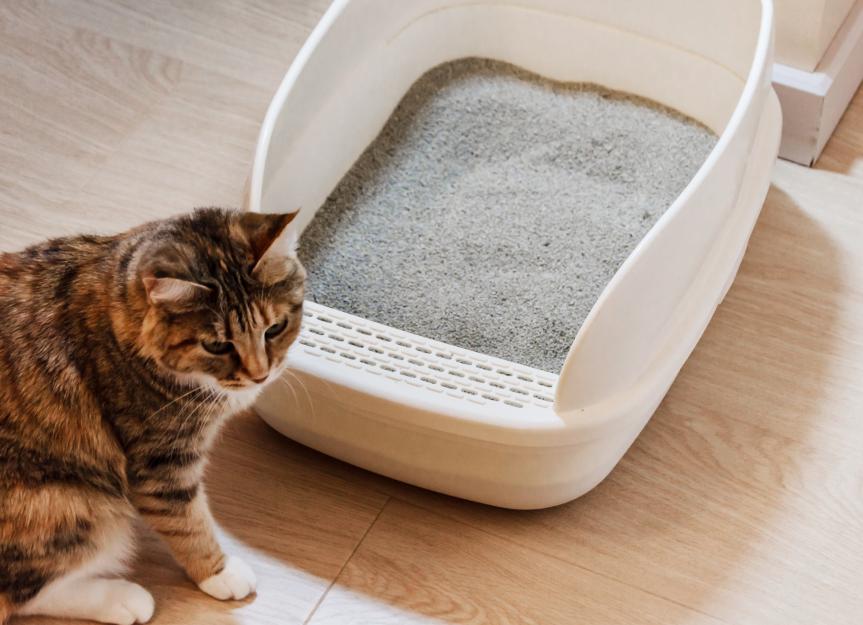
Pick a litter box that fits your cat’s size. Bigger cats need bigger boxes to move comfortably. Small boxes feel cramped and scary. Some cats prefer shallow boxes for easy access. Others like deeper boxes to dig and cover waste. Consider your cat’s age and mobility too.
Covered Vs. Open Boxes
Covered boxes offer privacy and reduce smell. Some cats feel trapped inside covered boxes. Open boxes provide fresh air and easy access. Watch your cat’s reaction to both types. Choose the style that makes your cat feel safe and comfortable.
Number Of Boxes Needed
Provide enough litter boxes for your home. The rule is one box per cat plus one extra. This prevents competition and stress between cats. Spread boxes around different rooms. Cats dislike sharing or waiting for a box to be free.
Selecting Suitable Cat Litter
Choosing the right cat litter affects your cat’s willingness to use the box. Cats prefer soft, clean, and unscented litter. Avoid dusty or strong-smelling types that may cause discomfort or avoidance.
Selecting Suitable Cat Litter Choosing the right cat litter can make a significant difference in whether your feline friend uses the litter box. Cats can be quite particular, and the type of litter you select can affect their willingness to use it. Let’s dive into the different aspects that might influence your cat’s litter preferences.Types Of Cat Litter
Cats have their own unique tastes, and the type of litter you choose can greatly impact their comfort.- Clay Litter:A popular choice due to its clumping ability and affordability, but its dustiness can be a turn-off for some cats.
- Silica Gel Litter:Known for excellent odor control and low tracking, yet some cats might find the texture unusual.
- Biodegradable Litter:Made from natural materials like corn, wheat, or pine, offering an eco-friendly option, though it may not clump as well.
Scented Vs. Unscented
The aroma of litter might be pleasant for humans, but overpowering scents can deter cats. Cats have a much more sensitive sense of smell than we do. While scented litters aim to mask odors, they can be off-putting to your pet. Opting for unscented litter might be more appealing to a cat’s natural instincts. If you’re unsure, try offering both options and see which your cat gravitates towards.Texture Preferences
The feel of the litter under your cat’s paws can be just as important as the scent. Cats often have specific texture preferences. Some may prefer the fine granules of clay litter, while others may lean towards the larger, chunkier pieces of pine or newspaper pellets. When trying to pinpoint the right texture, observe your cat’s behavior. Do they dig enthusiastically, or do they seem hesitant? Their actions can give you clues about their comfort level. By tuning into your cat’s needs and preferences, you can create a more inviting litter box environment. Remember, the goal is to make the litter box a welcoming space your cat will use regularly.Maintaining A Clean Litter Box
Keeping your cat’s litter box clean is one of the most important steps to ensure they use it consistently. Cats are naturally clean animals, and a dirty box can quickly turn them away. You might not realize how sensitive they are to smells and textures until you see them avoiding the litter box altogether.
Cleaning Frequency
How often you clean the litter box can make a big difference. Ideally, you should scoop out waste at least once a day. This prevents odors from building up and keeps the box inviting for your cat.
If you have multiple cats, increase the scooping to twice a day. Weekly full changes of litter are also necessary to maintain freshness. Ask yourself: is your cat avoiding the box because it smells unpleasant?
Proper Cleaning Techniques
Using the right cleaning methods matters. Avoid harsh chemical cleaners that leave behind strong scents. Instead, use mild soap and warm water to scrub the box thoroughly.
Make sure you rinse well to remove any soap residue. Dry the box completely before adding fresh litter to prevent clumping issues. Your cat will appreciate a clean and scent-neutral environment.
Replacing Litter
Not all litter is the same, and replacing it regularly keeps your cat happy. Over time, litter absorbs odors and loses its effectiveness, even if you scoop daily.
Change the litter fully once a week or more if needed. Experiment with different types of litter to find what your cat prefers—clumping, non-clumping, scented, or unscented. Have you noticed your cat avoiding the box after you switched to a new litter?
Reducing Stress For Your Cat
Stress can be a major reason why your cat avoids the litter box. Cats are sensitive creatures and changes in their environment or routine can make them anxious. Reducing stress helps your cat feel safe and more willing to use their litter box consistently.
Creating A Calm Environment
Keep your home quiet and peaceful, especially near the litter box area. Loud noises, sudden movements, or high traffic can scare your cat away from their spot.
Try placing the litter box in a low-traffic area where your cat can use it undisturbed. Have you noticed if your cat avoids the box when guests are around?
Providing Safe Spaces
Cats need places where they can retreat and feel secure. Adding cozy hideouts or covered beds helps reduce their anxiety.
If your cat feels threatened, they might avoid the litter box to protect themselves. Make sure your cat has easy access to safe spots near the litter box to encourage use.
Using Calming Products
Calming sprays, diffusers, or collars with pheromones can help ease your cat’s stress. These products mimic natural cat signals that promote relaxation.
Try using a pheromone diffuser near the litter area and watch for changes in your cat’s behavior. Could this simple addition be the key to solving your litter box issues?
Training And Behavioral Tips
Training a cat to use the litter box takes patience and consistency. Understanding cat behavior helps solve litter box issues. Using positive methods encourages good habits and reduces stress. Small changes in routine make a big difference in cat behavior.
Positive Reinforcement
Reward cats immediately after using the litter box. Use treats or gentle petting as a reward. Praise your cat with a soft voice to build trust. Avoid punishment, as it can cause fear and confusion. Consistent rewards help cats learn the right place to go.
Redirecting Accidents
Clean accidents thoroughly to remove scent markers. Place the cat gently in the litter box after an accident. Offer a clean, quiet litter box in an easy-to-reach spot. Use a litter type your cat prefers to encourage use. Observe and guide your cat calmly without stress.
Consulting A Behaviorist
Seek a behaviorist if problems continue despite training efforts. A professional can identify underlying causes of litter issues. They offer tailored advice based on your cat’s unique behavior. Early help prevents problems from becoming habits. Behaviorists teach effective techniques for long-term success.
When To See A Vet
Knowing when to see a vet is crucial if your cat suddenly stops using the litter box. This behavior can signal underlying health issues that need prompt attention. Ignoring these signs might make the problem worse for your pet and stressful for you.
Identifying Symptoms
Watch for changes in your cat’s bathroom habits. Is your cat straining, crying, or spending too much time in the litter box? Are there any signs of blood or unusual odor in the urine? These symptoms often indicate urinary tract infections or bladder problems.
Also, note if your cat is avoiding the litter box entirely or if accidents happen frequently in different places. Lethargy, loss of appetite, or excessive licking around the genital area can also be red flags. Recognizing these signs early can save your cat from pain and complications.
Medical Tests And Treatments
Your vet will likely start with a physical exam and ask detailed questions about your cat’s behavior. They may recommend tests such as urine analysis, blood work, or X-rays to identify infections, stones, or other issues.
Treatment can vary from antibiotics for infections to special diets for urinary crystals. Sometimes, surgery might be necessary if there are blockages. Knowing the exact cause helps your vet provide the right treatment quickly.
Preventive Care
Regular vet check-ups can catch problems before they become serious. Ask your vet about diet plans that support urinary health and keep your cat hydrated.
Maintaining a clean litter box and reducing stress in your cat’s environment also helps prevent litter box avoidance. Have you considered how your cat’s daily routine and surroundings might affect their bathroom habits?

Credit: www.yahoo.com
Credit: www.petmd.com
Frequently Asked Questions
Why Won’t My Cat Use The Litter Box Anymore?
Cats may avoid the litter box due to stress, illness, or dirty conditions. Check for health issues and keep the box clean. Changing the type of litter or box location can also help encourage use.
How Can Stress Affect My Cat’s Litter Box Habits?
Stress causes cats to avoid the litter box as a coping mechanism. Changes in environment, new pets, or loud noises can trigger this behavior. Reducing stress with a calm space and routine helps restore normal litter habits.
Could A Medical Problem Cause Litter Box Refusal?
Yes, urinary tract infections, bladder stones, or arthritis often cause litter box avoidance. Pain or discomfort makes cats associate the box with discomfort. Consult a vet to diagnose and treat medical issues promptly.
What Litter Box Issues Discourage Cats From Using It?
Dirty litter, strong odors, or the wrong box size can deter cats. Cats prefer clean, odor-free boxes with enough space. Regular scooping and choosing the right box improve litter box use.
Conclusion
Cats avoid litter boxes for many reasons. Stress, health issues, or dirty boxes can cause problems. Try cleaning the box often and placing it in a quiet spot. Watch your cat’s behavior and visit the vet if needed. Patience helps both you and your cat.
Small changes can make a big difference. Understanding your cat’s needs creates a happy home. Keep trying and stay calm. Your cat will feel comfortable again.

Leave a Reply