
Is your home starting to smell like your cat’s litter box? You’re not alone, and the good news is, you don’t have to live with that unpleasant odor.
Imagine walking into your room and feeling fresh air instead of a strong, unwanted smell. You’ll discover simple and effective ways to stop your cat litter box from smelling. These easy tips will help you keep your space clean and odor-free, making both you and your cat happier.
Keep reading to find out how you can say goodbye to those stubborn smells for good.
Causes Of Litter Box Odor
Understanding why your cat’s litter box smells can help you tackle the problem more effectively. Odor doesn’t just appear out of nowhere—it usually comes from a combination of factors that you can control. Let’s look at the main causes of litter box odor so you can keep your home fresh and your cat happy.
Common Smell Sources
Urine and feces are the primary sources of litter box odors. Over time, ammonia builds up from urine, creating a strong, unpleasant smell. Bacteria also play a role by breaking down waste and releasing odors.
Sometimes, the litter box itself can contribute to the smell. Plastic boxes can absorb odors, and if the box isn’t washed regularly, residue builds up. Have you checked if your litter box material might be holding on to smells?
Impact Of Litter Type
The type of litter you use makes a big difference in controlling odor. Clumping litters trap moisture and waste, making it easier to scoop out smelly parts quickly. Non-clumping litters might hold odors longer because they don’t isolate waste as well.
Some litters contain odor-absorbing additives like baking soda or activated charcoal. Others rely on natural materials like pine or corn, which can control odor differently. What type of litter does your cat prefer, and how well does it handle smell?
Role Of Cleaning Frequency
How often you clean the litter box directly affects odor levels. Even the best litter can’t fight smell if waste is left for days. Scooping daily and washing the box weekly helps keep odors under control.
Ignoring cleaning schedules invites bacteria and ammonia to build up, making the smell worse. Have you noticed a difference in odor when you adjust your cleaning routine?
Choosing The Right Litter
Choosing the right cat litter plays a big role in stopping bad smells. Different types of litter have different ways to control odor. Picking the best one helps keep your home fresh and your cat happy.
Clumping Vs Non-clumping
Clumping litter forms solid clumps when wet. This makes cleaning easier and stops odors quickly. Non-clumping litter absorbs moisture but does not form clumps. It may need changing more often to control smell. Many cat owners prefer clumping litter for its convenience and odor control.
Natural And Odor-absorbing Options
Natural litters use materials like corn, wheat, or pine. These options often absorb smells well without chemicals. Some have activated charcoal or baking soda added to trap odors. Natural litters are gentle on cats’ paws and eco-friendly. They help keep the litter box area fresh for longer.
Unscented Vs Scented Litter
Unscented litter does not mask smells but neutralizes them. It is good for cats with sensitive noses or allergies. Scented litter covers odors with fragrances. This can hide the smell but may bother some cats. Choosing unscented litter often leads to a fresher, cleaner environment.
Effective Cleaning Techniques
Keeping your cat’s litter box fresh starts with effective cleaning techniques. The right habits can prevent odor build-up and make your home more pleasant. Cleaning regularly and thoroughly is key to controlling smells before they become a problem.
Daily Scooping Tips
Scooping waste every day is the simplest way to reduce litter box odor. Remove clumps and solid waste promptly to stop smells from spreading. Use a scoop with slotted holes to catch clean litter and save time.
Consider setting a reminder on your phone to scoop at the same time each day. This builds consistency and ensures you don’t forget. Have you noticed how quickly a clean box improves your cat’s mood and your living space?
Deep Cleaning Schedule
Even with daily scooping, a deep clean is essential. Empty the entire box, wash it with warm water and mild soap, and dry it completely before adding fresh litter. Doing this once a week prevents odor-causing bacteria from building up.
Try using baking soda during deep cleaning—it neutralizes odors naturally. Avoid harsh chemicals that can irritate your cat’s sensitive paws or respiratory system. How often do you deep clean your cat’s box? Adjust based on your cat’s habits and number of cats in your home.
Safe Cleaning Products
Choosing the right cleaning products protects your cat’s health and keeps odors at bay. Opt for unscented, non-toxic cleaners specifically designed for pet areas. Natural options like vinegar and baking soda are effective and safe alternatives.
Avoid bleach and ammonia-based products since their strong fumes can stress your cat and cause them to avoid the litter box. Have you ever switched cleaners and noticed a difference in your cat’s willingness to use the box? Your choice of cleaner can make all the difference.
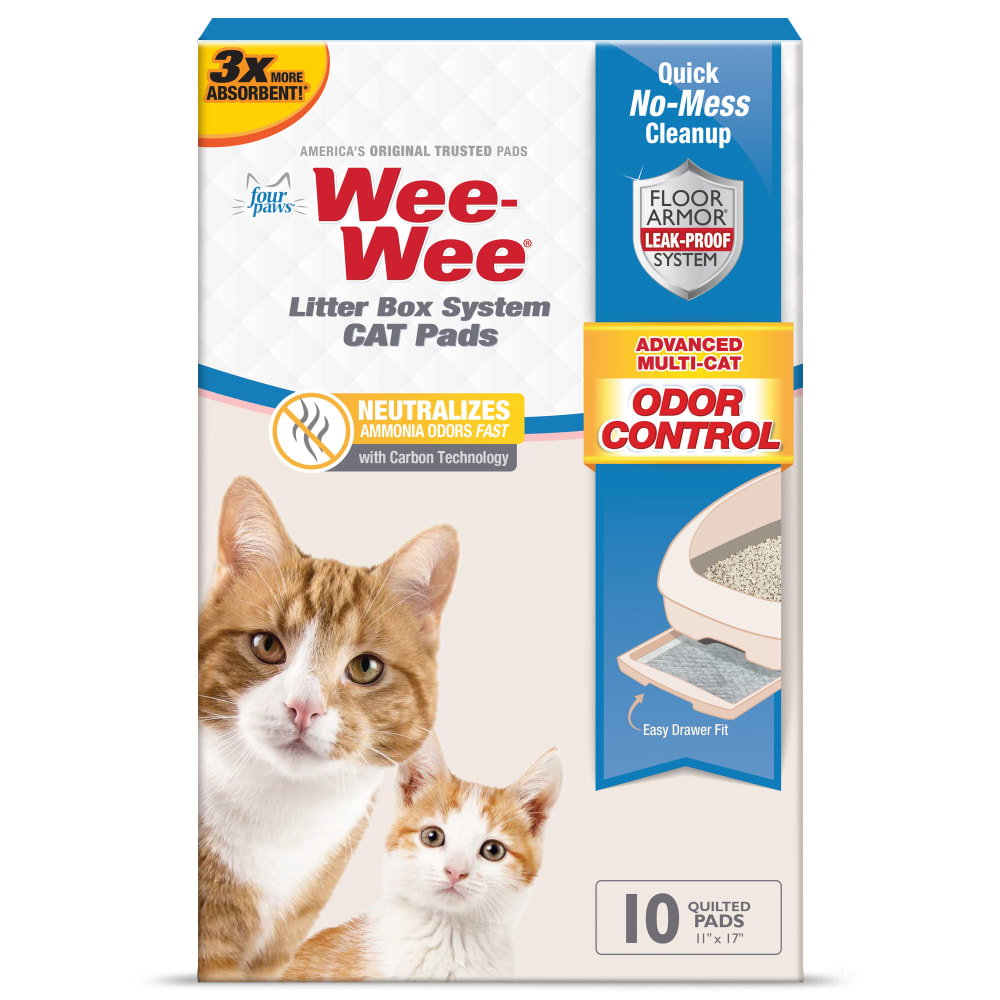
Credit: www.fourpaws.com
Litter Box Placement
Choosing the right spot for your cat’s litter box greatly affects odor control. Proper placement keeps smells from spreading and makes cleaning easier. Cats prefer quiet, private areas, but these spaces must also help reduce odor buildup. Thoughtful positioning balances your cat’s comfort with a fresher home environment.
Ideal Locations
- Choose a quiet corner away from food and water bowls.
- Pick areas with low foot traffic to avoid stress for your cat.
- Bathrooms, laundry rooms, or spare rooms often work well.
- Avoid placing the box near heating vents or direct sunlight.
- Ensure the spot is easy to access for both you and your cat.
Ventilation Benefits
Good airflow helps remove unpleasant odors quickly. A well-ventilated space keeps air fresh and reduces moisture. Open windows or vents near the litter box improve air circulation. Using a small fan can also help move air and disperse smells. Proper ventilation prevents odors from lingering in one spot.
Avoiding Humidity
High humidity causes litter to clump and smell faster. Damp areas encourage bacteria and mold growth around the box. Avoid placing the litter box in basements or bathrooms with poor ventilation. Keep the area dry and clean to control moisture. Using moisture absorbers nearby can help maintain dryness.
Additional Odor Control Methods
Controlling litter box odor goes beyond regular cleaning. Some extra methods help keep the air fresh longer. These techniques work well alongside daily maintenance. They trap smells and prevent odor buildup. Explore easy ways to reduce litter box smell effectively.
Using Baking Soda
Baking soda is a natural odor absorber. Sprinkle a thin layer at the bottom of the litter box. It neutralizes bad smells without harming your cat. Baking soda also helps keep the litter dry. Replace the baking soda with every litter change. This simple step reduces strong ammonia odors.
Litter Deodorizers
Litter deodorizers come in powders or sprays. They mask or absorb unpleasant smells. Choose unscented or lightly scented options for sensitive cats. Apply the deodorizer directly to the litter surface. Use it after scooping waste to boost freshness. Many products contain natural enzymes to break down odors.
Activated Charcoal Filters
Activated charcoal traps odor particles effectively. Place charcoal filters near or inside the litter box. They absorb moisture and smells without chemicals. Charcoal filters last for weeks before replacement. Use charcoal in combination with other odor control methods. It creates a cleaner, fresher environment for your cat and home.

Credit: www.skoutshonor.com
Maintaining Multiple Cats’ Litter Boxes
Maintaining multiple cats’ litter boxes is essential for a fresh home. Each cat has different habits and needs. Proper care reduces odors and keeps cats happy. Setting up and managing several boxes takes effort but pays off in cleanliness. It also prevents litter box problems and stress among cats.
Number Of Boxes Needed
Provide one litter box per cat plus one extra. This rule helps avoid overcrowding and conflicts. Cats prefer having choices for their bathroom spots. More boxes mean less chance of accidents outside the box. Place boxes in quiet, separate areas to give each cat privacy.
Preventing Cross-contamination
Use separate scoops for each box to avoid spreading germs. Clean boxes daily to keep bacteria low. Change litter completely once a week or more if needed. Wash the boxes with mild soap and water regularly. Avoid strong-smelling cleaners that can deter cats from using boxes.
Managing Increased Odor
Choose clumping litter that traps moisture and odor well. Add baking soda under the litter to absorb smells naturally. Use covered boxes with good ventilation to contain odor. Place air purifiers or odor absorbers near litter areas. Scoop waste at least twice daily to stop smells from building up.
Behavioral Tips To Reduce Smell
Keeping your cat’s litter box from smelling can be challenging. Behavioral changes can significantly reduce litter box odor. Simple habits and understanding your cat’s needs can make a difference. Let’s explore some effective behavioral tips.
Encouraging Proper Use
Ensure your cat feels comfortable using the litter box. Place the box in a quiet, accessible area. Avoid areas with loud noises or frequent disturbances. Clean the box regularly to maintain a fresh environment.
Introduce your cat to the litter box early. Reward them with treats after they use it. This positive reinforcement encourages consistent use. A happy cat is less likely to avoid the box.
Addressing Medical Issues
Litter box avoidance might indicate a medical problem. Cats in discomfort may urinate outside the box. Observe your cat for signs of illness.
Consult a vet if your cat shows unusual behavior. Addressing health issues promptly can prevent litter box problems. Ensuring your cat’s health reduces the risk of odors.
Regular Vet Checkups
Schedule regular vet visits for your cat. Routine checkups help detect potential health issues early. Early detection can prevent litter box avoidance.
Discuss any behavioral changes with your vet. They can offer advice tailored to your cat’s needs. A healthy cat uses the litter box properly, reducing unwanted smells.

Credit: www.amazon.com
Frequently Asked Questions
How Often Should I Clean My Cat’s Litter Box?
Clean the litter box at least once daily to prevent odor build-up. Regular scooping removes waste and reduces smell. Deep clean the box weekly with mild soap and water to maintain freshness.
What Type Of Litter Controls Odor Best?
Clumping clay litter or silica gel crystals are best for odor control. These materials absorb moisture and trap smell effectively. Choose unscented litter to avoid irritating your cat’s nose.
Can Baking Soda Help Stop Litter Box Odor?
Yes, sprinkling baking soda under the litter neutralizes odors naturally. It absorbs moisture and keeps the box smelling fresh. Use sparingly to avoid affecting your cat’s comfort.
Where Is The Best Place To Put A Litter Box?
Place the litter box in a well-ventilated, quiet area away from food. Good airflow helps reduce odor. Avoid cramped or humid spaces to keep smells at bay.
Conclusion
Keeping your cat’s litter box fresh takes simple steps. Scoop the box daily to stop smells early. Use good quality litter that clumps well. Clean the box with soap and water often. Place the box in a well-ventilated area. Try adding baking soda to absorb odors.
These easy habits make your home smell better. A clean litter box keeps your cat happy too. Small changes bring big freshness to your space. Give these tips a try and enjoy a fresher home.

Leave a Reply