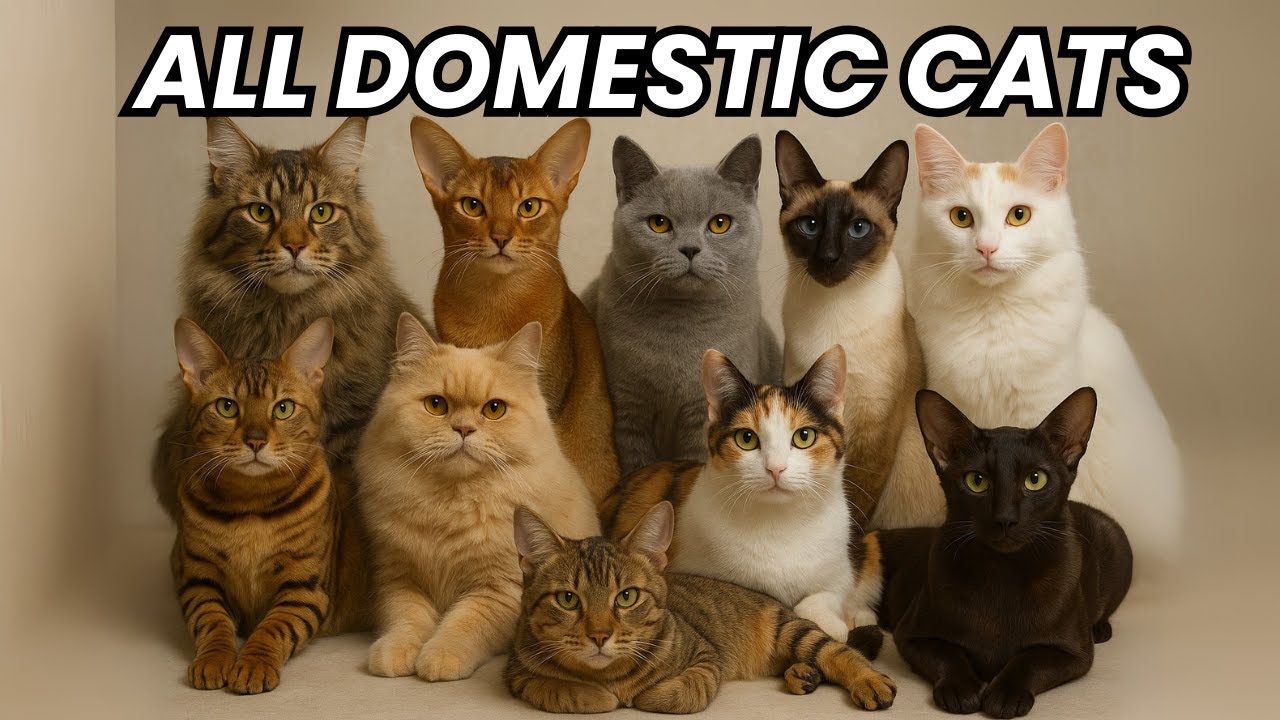
Have you ever wondered just how many different domestic cat breeds exist around the world? If you’re a cat lover, knowing about these breeds can make you appreciate your furry friend even more.
From fluffy and playful to sleek and mysterious, each breed has its own unique charm. You’ll discover fascinating facts about the variety of cat breeds, helping you understand what makes your cat special or guiding you if you’re thinking about adding a new feline friend to your family.
Keep reading to unlock the surprising world of domestic cats!
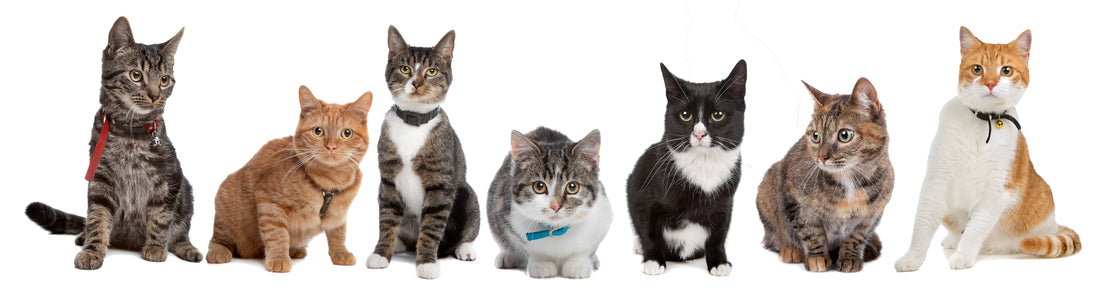
Credit: meowfia.us
Global Cat Breed Count
Counting the number of domestic cat breeds worldwide is more complex than it seems. Different cat organizations recognize varying breeds, and new breeds continue to emerge. Understanding the global cat breed count helps you appreciate the diversity and uniqueness of cats around the world.
What Defines A Cat Breed?
Before counting breeds, it’s important to know what qualifies as a breed. A cat breed has specific physical traits and a documented lineage. These traits are consistent enough to be passed down through generations.
Breeds can vary in coat color, pattern, body shape, and personality. This definition helps organizations decide which cats count as official breeds.
Major Cat Registries And Their Breed Lists
Several major organizations maintain lists of recognized cat breeds. Each registry has its own criteria and breed recognition process.
- The Cat Fanciers’ Association (CFA)recognizes about 44 breeds.
- The International Cat Association (TICA)lists around 73 breeds.
- The Fédération Internationale Féline (FIFe)recognizes approximately 48 breeds.
These numbers show the variation in breed recognition worldwide. You might find a breed accepted by one group but not by another.
Why Do Breed Counts Differ?
Breed counts differ because organizations use different standards and rules. Some registries are stricter about what they accept. Others include newer or experimental breeds.
This means the total number of domestic cat breeds can be anywhere from 40 to 70+. It depends on who you ask and what criteria they use.
Emerging Breeds And Their Impact
New cat breeds often come from natural mutations or crossbreeding efforts. Breeders work to stabilize these breeds so they become officially recognized.
These emerging breeds add excitement but also cause the breed count to shift regularly. It’s a reminder that the world of cats is always evolving.
How Does This Affect You As A Cat Lover?
Knowing the global breed count encourages you to explore beyond popular breeds. You might discover unique breeds that fit your lifestyle better.
Have you ever considered how a rare breed’s personality might suit your home? The variety means there’s likely a perfect feline friend waiting for you.
Major Cat Breed Categories
Domestic cats come in many breeds, grouped into major categories. These categories help us understand their origins and traits. Each category reflects different breeding histories and characteristics. Knowing these groups makes it easier to explore the world of cats.
Natural Breeds
Natural breeds developed without human intervention. They evolved in specific regions over time. These cats adapted to local climates and environments. Examples include the Maine Coon from the USA and the Siamese from Thailand. Natural breeds often have strong hunting skills and unique looks.
Hybrid Breeds
Hybrid breeds are a mix between domestic cats and wild species. Breeders create them to combine wild traits with domestic friendliness. The Bengal, a mix of domestic cats and Asian leopard cats, is popular. Hybrids usually have striking patterns and energetic personalities. They require special care and attention.
Newly Developed Breeds
Newly developed breeds result from careful breeding by cat fanciers. Breeders select specific traits to create unique looks and temperaments. The Scottish Fold, with its folded ears, is a famous example. These breeds often gain popularity quickly. They reflect modern trends in the cat world.
Popular Cat Breeds Worldwide
Many cat breeds exist worldwide, each with unique traits and charm. Some breeds stand out due to their history, appearance, or personality. These popular breeds often become family favorites. They offer a glimpse into the diversity of domestic cats around the globe.
Siamese
Siamese cats are famous for their striking blue eyes and sleek bodies. They have a short coat with color points on their ears, face, paws, and tail. Known for being vocal and social, Siamese cats enjoy interaction and play. Their intelligence makes them easy to train and fun companions.
Maine Coon
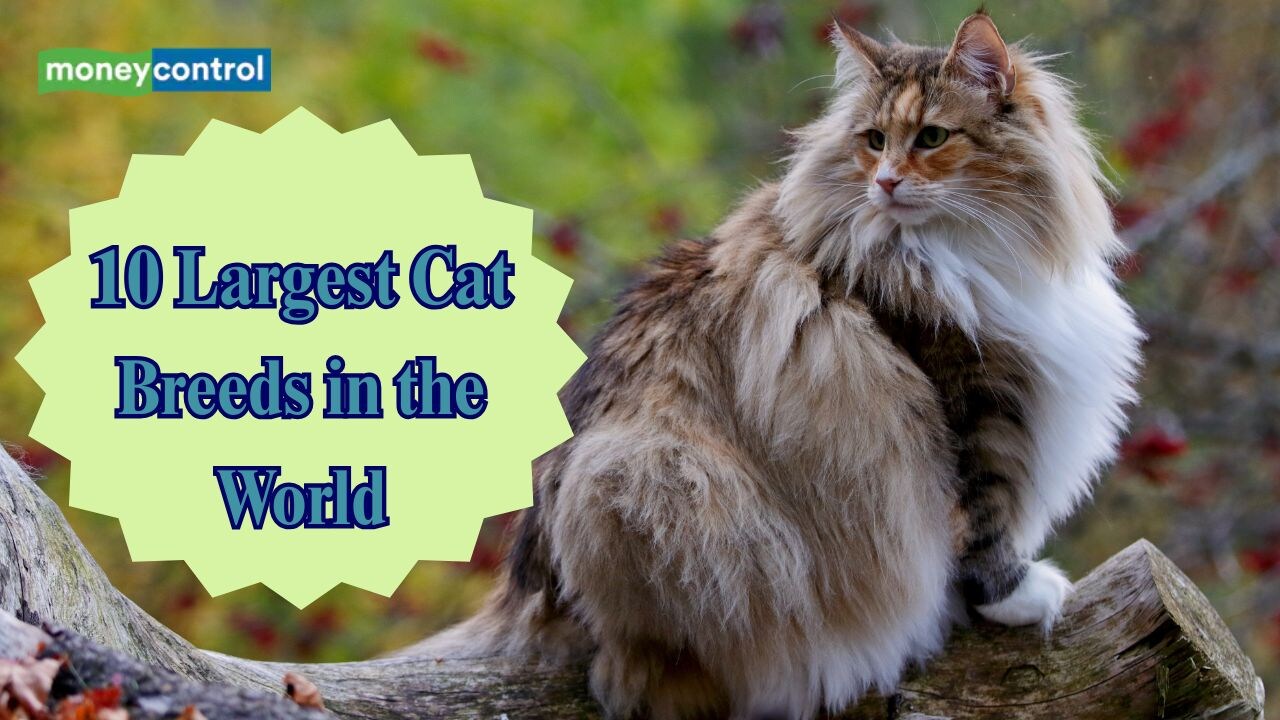
Maine Coons are large cats with thick, long fur and tufted ears. They have a gentle nature and adapt well to families with children or other pets. This breed is known for being friendly and loyal. Their bushy tail and rugged look give them a wild charm.
Persian
Persians have long, flowing coats and a calm, sweet temperament. Their round faces and short noses make them easy to recognize. These cats prefer quiet, indoor environments. They require regular grooming to keep their fur soft and clean.
Bengal
Bengals resemble wild leopards with their spotted coats. They are active and curious cats who love to explore. Bengals are playful and need plenty of stimulation. Their unique look and lively personality attract many cat lovers.
Credit: www.moneycontrol.com
Breed Recognition Organizations
Breed recognition organizations set the standards for domestic cat breeds worldwide. They officially recognize around 70 to 100 breeds, depending on the group. Each organization may list different breeds based on their rules and criteria.
In the fascinating world of domestic cats, understanding how many breeds exist can be quite a journey. Breed recognition organizations play a crucial role in defining and categorizing these breeds. These organizations set the standards and classifications that guide breeders, owners, and cat enthusiasts in identifying and appreciating the rich diversity of feline companions.Cfa Standards
The Cat Fanciers’ Association (CFA) is one of the largest and oldest cat breed registries in the world. It recognizes 45 distinct breeds, each with its own unique characteristics and charm. These standards are meticulously detailed, considering aspects like coat color, pattern, and even personality traits. Imagine having a Persian cat; under CFA standards, its luxurious coat and sweet disposition are key attributes. When you adopt or purchase a cat, knowing these standards can help you understand and appreciate your pet’s breed better.Tica Classifications
The International Cat Association (TICA) offers a slightly different perspective, recognizing over 70 breeds. This organization is known for its inclusivity and flexibility, even allowing for the recognition of new and experimental breeds. Have you ever wondered about the unique Savannah cat? TICA’s classifications might help you explore such a rare breed’s origins and traits. This broader recognition can enhance your understanding of the feline world, offering insights into breeds you might not encounter every day.Fife Recognitions
The Fédération Internationale Féline (FIFe) is a major international cat organization, particularly influential in Europe. It recognizes 48 breeds, with a focus on maintaining high standards of health and welfare. If you’re considering a breed like the Russian Blue, FIFe’s recognition ensures that these cats are bred to exemplify their distinct silvery coat and green eyes. This recognition can guide you in making informed decisions about choosing a breed that fits your lifestyle and preferences. Do these organizations inspire you to look deeper into the world of cat breeds? Understanding their standards can be a rewarding step in your journey as a cat lover.Factors Influencing Breed Numbers
Many factors influence the number of domestic cat breeds worldwide. These factors shape how breeds develop and change over time. Understanding these influences helps explain why breed counts vary across sources.
Genetic Diversity
Genetic diversity plays a key role in breed variety. Cats with wide genetic pools can create new breeds more easily. Limited diversity can lead to fewer recognized breeds. Breeders often select traits to maintain or enhance diversity. This process affects the number of distinct breeds recognized globally.
Breeding Practices
Breeding methods affect how many breeds exist. Some breeders focus on strict standards to create unique breeds. Others crossbreed to develop new traits and combinations. Registered cat associations set rules that impact breed recognition. Selective breeding influences breed survival and expansion.
Cultural Preferences
Cultural tastes shape which breeds become popular or rare. Some regions favor certain cat features or sizes. Local traditions may promote native breeds over imported ones. Media and celebrity cats can boost interest in specific breeds. These preferences affect breed numbers seen in different areas.

Credit: www.yahoo.com
Rare And Endangered Cat Breeds
Rare and endangered cat breeds hold a special place in the world of domestic cats. These breeds are unique due to their limited numbers and distinct traits. Protecting these rare breeds helps preserve genetic diversity and rich cat heritage.
Many rare breeds face threats from habitat loss, low breeding populations, or lack of awareness. These cats often have fascinating appearances and temperaments that make them stand out.
Characteristics
- Unique physical features, such as unusual coat patterns or colors
- Distinctive body shapes and sizes compared to common breeds
- Special behavioral traits, often more reserved or highly social
- Strong links to specific geographic regions or cultures
- Low population numbers, making them hard to find
Conservation Efforts
- Breeding programs aim to increase population safely
- Cat registries document and support rare breed recognition
- Education raises public interest and awareness
- Collaboration between breeders helps maintain genetic health
- Rescue and shelter groups focus on protecting endangered breeds
Future Trends In Cat Breeding
The future of cat breeding is evolving with new trends and ideas. Breeders and cat lovers are exploring new breeds and focusing on health and well-being. This shift aims to balance beauty with care for the animals. The following sections highlight key trends shaping the future of cat breeding.
Emerging Breeds
New cat breeds continue to appear worldwide. These breeds often have unique looks and traits that attract attention. Breeders work to create cats with special colors, patterns, or body shapes.
Some emerging breeds include:
- Hybrid breeds mixing wild and domestic traits
- New coat patterns and colors
- Smaller or larger size variations
These breeds may gain popularity as people seek fresh and distinct pets. Careful breeding helps maintain their health and temperament.
Ethical Considerations
Ethics in cat breeding is gaining importance. Many breeders focus on preventing health problems linked to certain traits. They avoid overbreeding and prioritize the cat’s welfare.
Key ethical points include:
- Screening for genetic diseases
- Ensuring good living conditions
- Promoting natural behavior and social needs
These practices help produce healthy, happy cats. The future favors breeders who respect animal rights and focus on long-term care.
Frequently Asked Questions
How Many Domestic Cat Breeds Exist Worldwide?
There are approximately 70 to 100 recognized domestic cat breeds globally. The exact number varies by cat associations. Each breed has unique traits, appearances, and temperaments, appealing to different cat lovers.
Which Organization Recognizes The Most Cat Breeds?
The International Cat Association (TICA) recognizes around 73 breeds. Other groups like CFA and FIFe have their own breed lists, which slightly differ. TICA’s wide recognition makes it a leading authority on cat breeds.
What Defines A Domestic Cat Breed?
A domestic cat breed is a group with distinct, inheritable traits. These traits include coat patterns, colors, body shape, and personality. Breeding standards help maintain these unique features over generations.
Are New Domestic Cat Breeds Still Being Developed?
Yes, breeders continuously develop new domestic cat breeds. This happens through selective breeding for traits like appearance or behavior. New breeds gain recognition after meeting specific criteria from cat associations.
Conclusion
Domestic cat breeds vary widely in looks and personality. There are over 70 recognized breeds worldwide. Each breed has unique traits that attract different people. Knowing these breeds helps you choose the right cat. Cats bring joy and comfort to many homes.
Exploring breeds can be fun and educational. Every cat, no matter the breed, deserves love and care. Whether you want a playful or calm cat, the options are many. Enjoy discovering the wonderful world of domestic cats.



Leave a Reply