
If you have a cat, you know how important a clean litter box is. But have you ever wondered how much cat litter you should put in the box?
Too little, and your cat might dig out of frustration. Too much, and it can be messy and wasteful. Finding the right amount can make a big difference in keeping your cat happy and your home clean. You’ll discover the simple secrets to filling your litter box just right every time.
Keep reading to learn how to make your cat’s bathroom experience comfortable and stress-free.

Credit: www.amazon.com
Choosing The Right Litter Box Size
Choosing the right litter box size is key for your cat’s comfort and hygiene. The right size helps cats move freely and cover their waste properly. This choice also affects how much cat litter you need to use. A box too small or too large can cause problems like litter scatter or avoidance. Size matters not just for one cat but for households with several cats.
Small Vs Large Boxes
Small boxes suit kittens or tiny cats. They fit better in small spaces and use less litter. But small boxes limit movement and can feel cramped. Large boxes offer more space and comfort. Cats can dig and cover waste easily in bigger boxes. They also reduce litter scatter outside the box. Large boxes need more litter to fill properly. Balance size with your cat’s body length and tail size for best fit.
Considerations For Multiple Cats
Multiple cats need more litter space to avoid fights and mess. A good rule: one box per cat plus one extra box. Bigger or deeper boxes can handle more litter and waste. Place boxes in different areas to reduce stress. Use high-sided boxes to keep litter contained. More cats mean more frequent cleaning and litter changes. Proper box size helps keep all cats happy and healthy.

Credit: www.amazon.com
Types Of Cat Litter
Choosing the right type of cat litter affects cleanliness and odor control. Different litters suit different cats and owners. Understanding the varieties helps decide how much litter to use. Types vary by how they clump and what materials they contain.
Clumping Vs Non-clumping
Clumping litter forms solid clumps when wet. It makes cleaning easier and faster. You scoop out the clumps daily, keeping the box fresh. Non-clumping litter absorbs moisture but does not clump. It needs full changing more often than clumping types. Clumping litter usually lasts longer between changes. Non-clumping is often cheaper but can smell more quickly.
Material Differences
Cat litter materials affect dust, odor, and texture. Common materials include:
- Clay: Most popular, absorbs well, can be dusty.
- Silica gel: Controls odor, low dust, lasts longer.
- Wood: Natural, biodegradable, gentle on paws.
- Corn or wheat: Eco-friendly, biodegradable, clumps well.
- Recycled paper: Dust-free, lightweight, less odor control.
Each material needs a different amount for proper coverage. Clay and silica require about 2-3 inches depth. Natural litters may need more for absorption. Knowing material helps keep cats happy and litter boxes clean.
Ideal Litter Depth
Cat litter should be about two to three inches deep to allow easy digging and odor control. Too little makes it hard for cats to cover waste, while too much can cause messes. Finding the right depth keeps your cat happy and your home clean.
Ideal litter depth is a crucial factor for maintaining a clean and comfortable environment for your feline friend. Many cat owners often underestimate the importance of this simple aspect, which can lead to a variety of issues, such as an unhappy cat or a messier home. Ensuring the right amount of litter in the box can make all the difference in keeping your cat content and your home tidy.Recommended Inches For Optimal Use
Most experts agree that a litter depth of 2 to 3 inches is generally ideal for most cats. This provides enough litter for your cat to dig and cover waste, which is a natural behavior for them. A depth of 3 inches also ensures that waste doesn’t reach the bottom of the box, making it easier to clean. Keep in mind that every cat is unique. Some might prefer a slightly deeper layer, especially if they are more vigorous in their digging. Observing your cat’s behavior can help you adjust the depth accordingly.Adjusting Depth For Cat Preferences
Your cat might have specific preferences when it comes to litter depth. Some cats might like a shallower layer, while others enjoy burying their waste deeper. Pay attention to signs like excess litter outside the box, which might indicate it’s too full. Try different depths to see what works best for your cat. You can start with the standard 2 to 3 inches and gradually add or remove litter to suit your cat’s habits. If you notice your cat consistently scratching at the bottom of the box, consider adding more litter. Remember, a happy cat means a happier household, so investing time in finding the ideal litter depth can yield positive results for both you and your feline companion. Have you ever noticed your cat avoiding the litter box? Sometimes, a simple adjustment in litter depth can make all the difference.Impact Of Litter Depth On Odor Control
The depth of cat litter in your litter box plays a crucial role in controlling odors. Too little litter can expose waste quickly, causing unpleasant smells to spread. On the other hand, too much litter might trap odors but can make cleaning harder and waste less visible.
How Depth Affects Smell
Shallow litter, usually less than two inches, often fails to absorb urine properly. This leaves moisture near the surface, increasing odor. Deeper litter, around three to four inches, provides better absorption and helps keep smells contained.
However, piling litter too deep—over five inches—can reduce airflow. Poor airflow slows drying and can actually worsen odors. Finding the right balance is key to keeping your home smelling fresh.
Maintaining Freshness
Regularly scooping waste and adding fresh litter maintains odor control regardless of depth. Consider topping off the litter to maintain the ideal depth instead of completely changing it daily. This practice extends the litter’s effectiveness and keeps smells at bay.
Have you noticed how your cat’s litter box smells after a few days? Adjusting the litter depth might be the simple fix you need. Experiment with different depths and observe how odor changes to find what works best for your cat and home.
Cleaning And Maintenance Tips
Keeping your cat’s litter box clean is essential not only for your home’s smell but also for your cat’s health. Proper cleaning and maintenance can prevent unpleasant odors and discourage your feline friend from finding alternative spots to do their business. Let’s dive into some effective tips that can make this chore easier and more efficient for you.
Scooping Frequency
Scooping your cat’s litter box daily is a game changer. Removing waste regularly keeps the litter fresh and reduces odors significantly.
Even if you use clumping litter, don’t skip this step. A quick daily scoop can make a big difference in how your home smells and how comfortable your cat feels using their box.
Ask yourself: Have you noticed your cat hesitating before entering the box? It could be a sign you need to scoop more often.
Replacing Litter Completely
Changing out all the litter at least once a week helps maintain a clean and healthy environment. Over time, litter absorbs moisture and odors that scooping alone can’t remove.
When you replace the litter, wash the box with mild soap and warm water to remove any lingering smells or bacteria. Avoid harsh chemicals that might deter your cat from using the box.
Try to observe your cat’s behavior after a complete litter change—sometimes they prefer a fresh box more than you expect, making your cleaning efforts even more worthwhile.
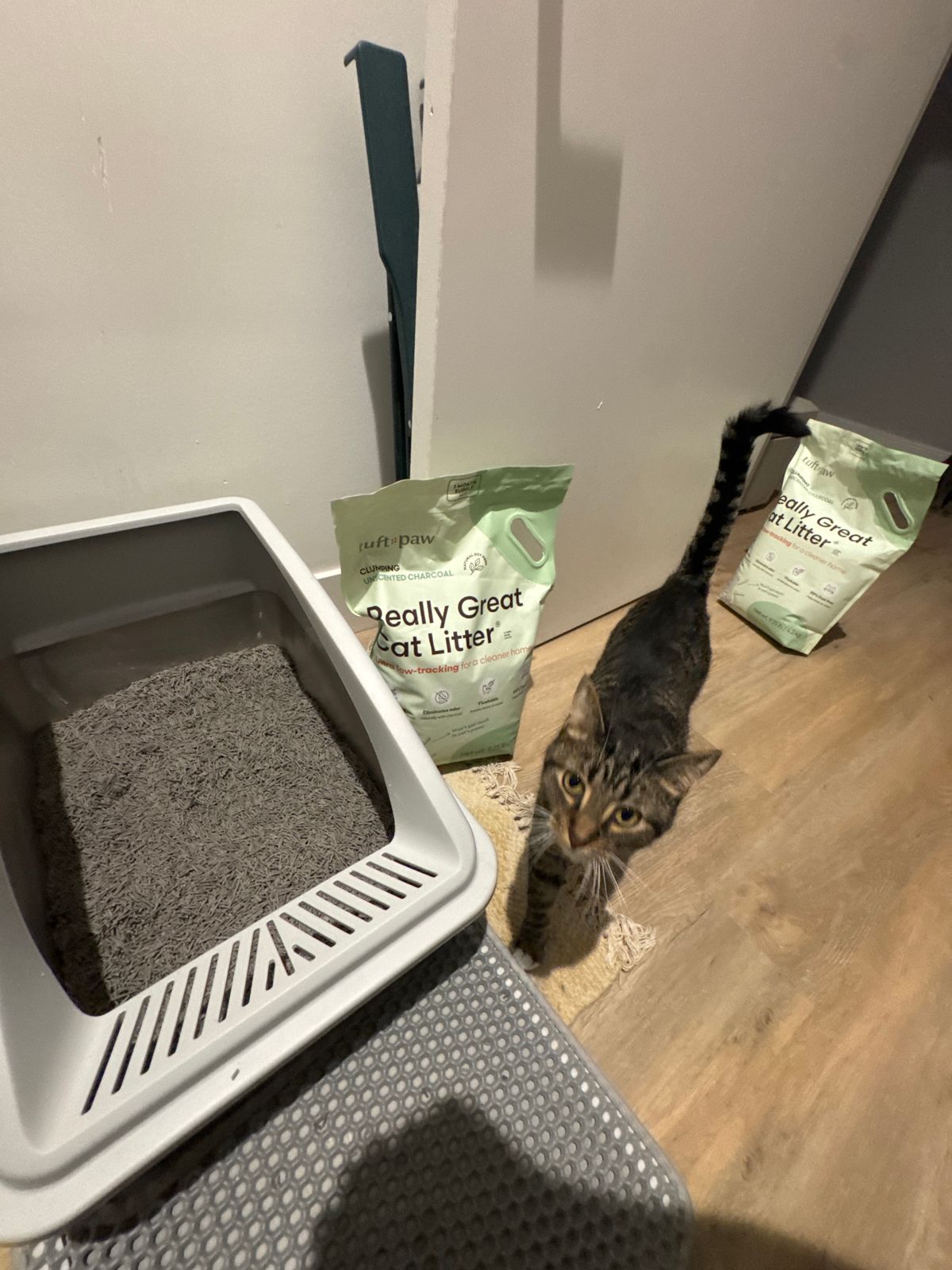
Credit: www.tuftandpaw.com
Common Mistakes With Litter Depth
Getting the right amount of cat litter in the box can feel tricky. Many cat owners struggle with how deep the litter should be. Too little or too much can cause problems for both you and your cat. Understanding common mistakes with litter depth helps you create a comfortable and clean space for your feline friend.
Too Shallow Issues
Using too little litter may seem like a good way to save money, but it often backfires. A shallow layer doesn’t absorb odors well, leading to unpleasant smells quickly spreading in your home. Cats might also dig through the thin layer, scratching the bottom of the box, which can be uncomfortable and discourage them from using it.
Have you noticed your cat avoiding the litter box or leaving messes outside? Shallow litter could be the culprit. Cats like to bury their waste easily, and if the litter isn’t deep enough, they might feel frustrated or insecure.
Too Deep Problems
On the flip side, adding too much litter can cause its own set of issues. A very deep layer makes it harder for cats to dig and move the litter around, which can be overwhelming for them. Excessive litter also means more waste gets buried too deep, making it difficult to spot and clean promptly.
Think about how your cat reacts when stepping into a deep sandbox. Some cats might avoid it or end up tracking litter outside the box. Plus, using too much litter increases your costs and the effort needed for cleaning.
Signs Your Cat Prefers Different Litter Depth
Noticing your cat’s comfort with their litter box can hinge on understanding their preferred litter depth. Cats can be surprisingly particular about how much litter they like under their paws. Observing subtle signs can help you adjust the litter depth to keep your feline friend happy and healthy.
Behavioral Clues
Watch how your cat interacts with the litter box. If your cat scratches excessively or seems hesitant to dig, the litter might be too shallow or too deep.
Some cats may try to cover their waste poorly if the litter depth isn’t right. If you notice your cat stepping out quickly or avoiding the box, it might be a sign the litter feels uncomfortable.
Have you seen your cat paw at the edge of the box instead of digging? This could mean the litter layer is too thin, making it harder to bury waste properly.
Health Considerations
Changes in litter depth can impact your cat’s health. If the litter is too deep, it might cause dust that irritates their respiratory system.
Conversely, too little litter can expose your cat’s paws to hard surfaces, leading to discomfort or paw pad issues.
Pay attention if your cat starts urinating outside the box; it might be avoiding the litter due to discomfort caused by the depth. Adjusting the amount of litter can often resolve these issues before they affect your cat’s wellbeing.
Frequently Asked Questions
How Much Cat Litter Should Fill A Litter Box?
Fill the litter box with about 2 to 3 inches of cat litter. This depth allows cats to dig and cover waste effectively, maintaining cleanliness and odor control.
Why Is The Litter Depth Important For Cats?
Proper litter depth helps cats bury their waste comfortably. Too little litter can discourage use, while too much can cause messes outside the box.
How Often Should You Change Cat Litter?
Change cat litter completely every 1 to 2 weeks. Scoop daily to remove waste and keep the box fresh and hygienic for your cat.
Does Litter Box Size Affect Litter Amount?
Yes, larger litter boxes need more litter to maintain the 2-3 inch depth. Adjust the amount based on the box’s dimensions for optimal use.
Conclusion
Choosing the right amount of cat litter keeps your cat happy and healthy. Too little litter can cause messes. Too much litter wastes money and space. A good rule is to fill the box about two to three inches deep.
Check the litter daily and clean regularly. This helps control odor and keeps your home fresh. Remember, each cat is different. Watch your cat’s habits and adjust the litter as needed. Simple steps like these make a big difference. Your cat will thank you with a clean, comfy place.

Leave a Reply