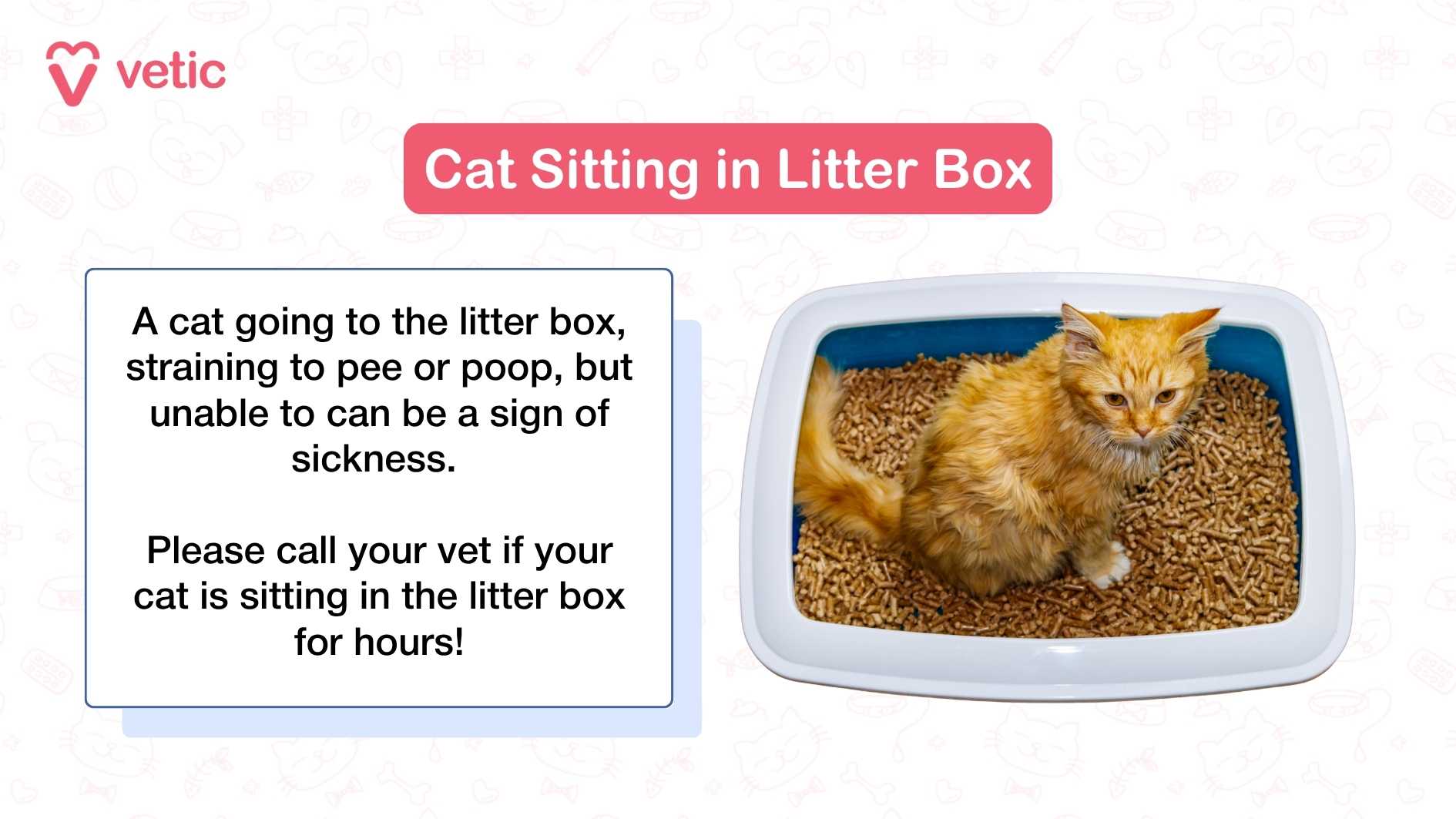
Is your cat suddenly pooping right next to the litter box instead of inside it? You might feel confused, frustrated, or even worried about what’s going on.
This behavior can be puzzling, but understanding the reasons behind it is the first step to fixing the problem. You’ll discover why your cat is acting this way and what simple changes you can make to help your furry friend get back to using the litter box properly.
Keep reading—your cat’s comfort and your peace of mind are closer than you think.
Common Reasons Cats Avoid Litter Boxes
Understanding why your cat is avoiding the litter box can feel frustrating. Cats are usually clean animals, so when they start pooping outside the box, it signals something is off. Knowing the common reasons behind this behavior can help you fix the issue quickly and keep your cat comfortable.
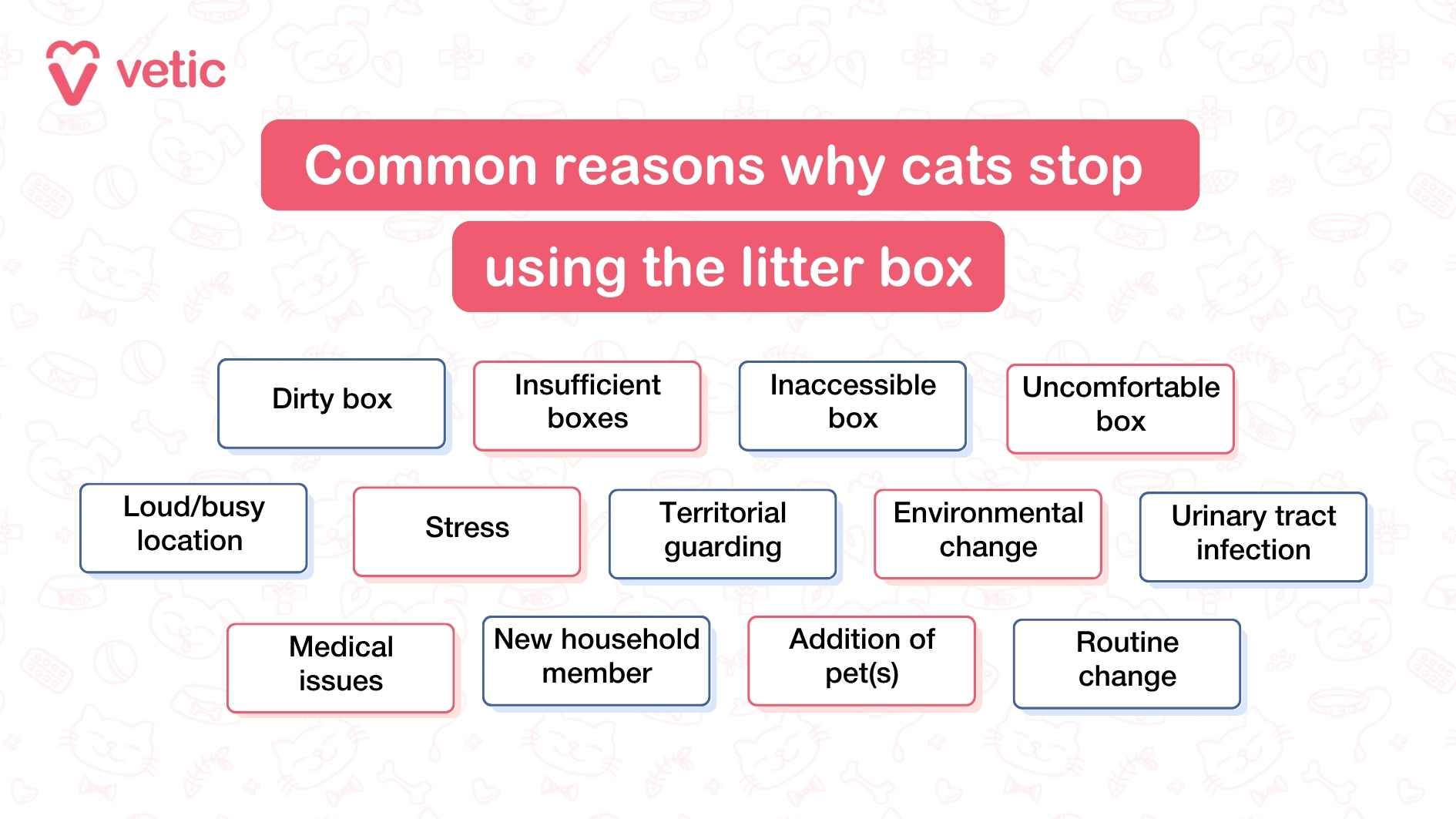
Dirty Litter Or Box
Cats dislike using a dirty litter box. If you don’t scoop the box daily or change the litter regularly, your cat might find it unpleasant. I once had a cat who refused to use his box until I cleaned it thoroughly; after that, he went back to normal instantly.
Try cleaning the box more often and see if your cat’s behavior changes. Cleanliness is key to encouraging proper litter box use.
Litter Box Location Issues
The spot where you place the litter box matters a lot. If it’s in a noisy area, near the washing machine, or a busy hallway, your cat might avoid it. Cats want privacy and quiet when they do their business.
Consider moving the box to a calm, low-traffic area. Ask yourself: Is the current location comfortable for your cat?
Type Of Litter
Not all litters are equal in your cat’s eyes. Some cats dislike scented or clumpy litters, while others prefer finer textures. A friend switched to a natural, unscented litter and noticed her cat started using the box again within days.
Experiment with different types of litter to find what your cat prefers. Your cat’s preferences might surprise you.
Stress And Anxiety
Changes at home can stress cats, causing them to avoid the litter box. New pets, visitors, or changes in routine might make your cat uneasy. Have you recently introduced anything new in your cat’s environment?
Try to keep things stable and provide quiet spaces for your cat. Sometimes, calming products or pheromone diffusers help reduce anxiety.
Medical Problems
Health issues like urinary tract infections, constipation, or arthritis can make using the litter box painful. If your cat suddenly stops using the box, a vet visit is crucial. Ignoring medical problems can make the behavior worse.
Watch for other signs like frequent trips to the box or straining. Your cat’s health should always come first.
Credit: vetic.in
Behavioral Causes For Pooping Outside
Cats sometimes poop outside their litter box due to behavior issues. These actions often reflect their feelings or environment. Understanding these behaviors helps solve the problem quickly. Below are common behavioral causes that lead to pooping outside the box.
Territorial Marking
Cats mark territory to feel safe and secure. Pooping outside the box can be a way to claim an area. This is common in multi-cat homes. The cat may feel threatened by others nearby. Marking helps reduce stress by showing ownership.
Changes In Household
New people, pets, or furniture can upset a cat’s routine. Cats dislike sudden changes. These changes can cause anxiety or confusion. As a result, the cat might avoid the litter box. Pooping outside may be a sign of discomfort.
Negative Experiences With Litter Box
A bad experience at the box can cause avoidance. Loud noises or rough handling might scare a cat. Dirty litter or a box in a noisy spot can also discourage use. The cat looks for a safer, cleaner place to go.
Health Issues Affecting Litter Box Use
Cats have specific reasons for pooping outside their litter box. Health issues play a big role in this behavior. Addressing these health concerns can encourage your cat to use the litter box properly. Let’s explore some common health problems affecting litter box use.
Digestive Disorders
Digestive disorders can cause discomfort for your cat. Issues like diarrhea or constipation make it hard for them to use the litter box. They may associate the box with pain and avoid it. Regular vet check-ups can help manage these conditions.
Urinary Tract Infections
Urinary tract infections (UTIs) are common in cats. A UTI causes pain and frequent urination. Your cat might avoid the litter box if it associates it with this pain. Treatment from a vet is crucial for resolving UTIs.
Arthritis And Mobility Problems
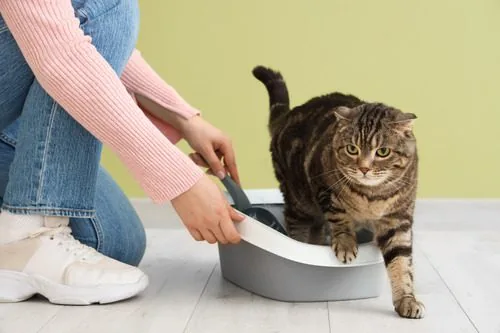
Older cats often face arthritis and mobility problems. Jumping into or out of a litter box becomes difficult. Provide a low-sided box for easier access. This simple change can make a big difference for your cat.
Credit: lacvets.com
Fixes To Encourage Proper Litter Box Use
Encouraging your cat to use the litter box properly takes patience and the right approach. Small changes in cleaning, litter choice, and environment can make a big difference. Understanding your cat’s needs helps prevent accidents outside the box. Here are practical fixes to try.
Cleaning And Maintenance Tips
Keep the litter box clean daily. Scoop out waste at least once a day. Wash the box with mild soap weekly to remove odors. Avoid strong-smelling cleaners that can scare your cat. Use warm water and rinse thoroughly. Place the box in a quiet, low-traffic area. Cats like privacy when they use the box. Having multiple boxes around the house can help, especially for multiple cats.
Choosing The Right Litter And Box
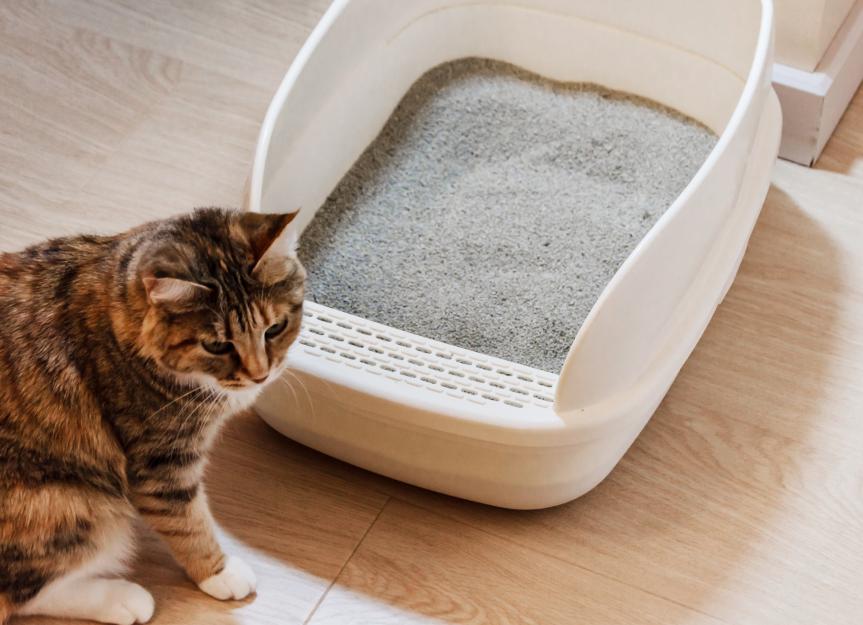
Select a litter your cat prefers. Many cats like unscented, clumping litter. Avoid dusty or rough types that irritate paws. The box should be large enough for your cat to move comfortably. Covered boxes may trap odors but can feel cramped. Try an open box if your cat dislikes covered ones. Experiment with different sizes and styles. Keep the box in the same spot to avoid confusion.
Reducing Stress In Cats
Stress can cause litter box issues. Keep a consistent daily routine. Provide safe hiding spots and quiet areas. Avoid loud noises and sudden changes in the home. Play and interact with your cat regularly. Use calming products like pheromone diffusers if needed. Make sure all cats in the home have enough space and resources. Address conflicts between pets quickly.
When To See A Vet
Persistent litter box problems may signal health issues. Watch for signs like straining, blood, or pain during elimination. Frequent urination or accidents outside the box need medical attention. Infections, bladder stones, and other conditions cause discomfort. A vet visit can rule out or treat medical causes. Early treatment helps your cat feel better faster. Don’t delay if your cat’s behavior suddenly changes.
Credit: www.petmd.com
Frequently Asked Questions
Why Is My Cat Pooping Next To The Litter Box?
Cats may poop outside the box due to stress, illness, or litter box issues. Poor cleaning, wrong box type, or location can cause this behavior. Addressing these factors often resolves the problem quickly.
Can Medical Issues Cause Litter Box Problems?
Yes, medical problems like urinary tract infections or constipation can cause litter box avoidance. If your cat suddenly stops using the box, consult a vet immediately to rule out health issues.
How Does Litter Box Cleanliness Affect My Cat?
Cats prefer a clean litter box. Dirty boxes can discourage use and lead to pooping nearby. Scoop daily and change litter regularly to keep your cat comfortable and prevent accidents.
Does Litter Box Size And Type Matter?
Absolutely. Cats need a spacious, comfortable litter box. A box that’s too small or covered may deter use. Choose a box suited to your cat’s size and preference for better habits.
Conclusion
Cats pooping outside the litter box can be frustrating. It often means they feel stressed or uncomfortable. Clean the box often and keep it in a quiet place. Try different types of litter to find what your cat likes. Watch for signs of illness and visit the vet if needed.
Patience and care help your cat feel safe and happy. Small changes can make a big difference in their habits. Keep observing and adjusting to solve the problem. Your cat will thank you with better behavior soon.

Leave a Reply