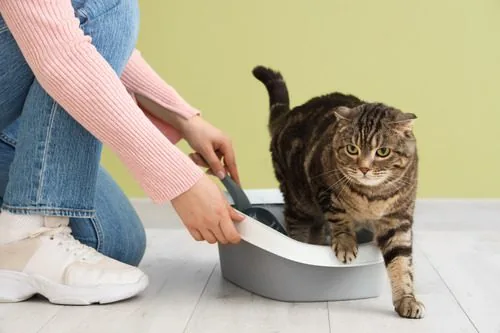
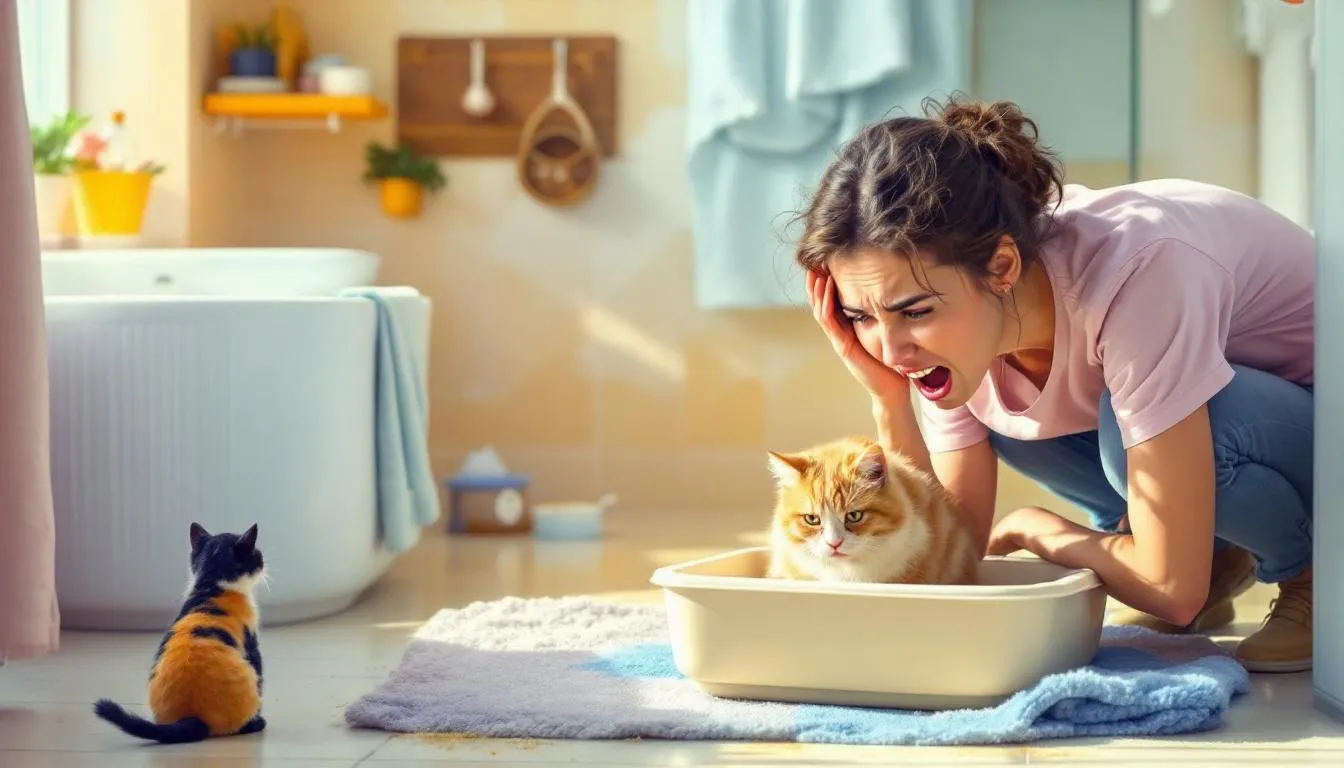
Is your cat suddenly pooping outside the litter box? It can be frustrating and confusing, especially when you don’t know why it’s happening.
You might worry about your cat’s health or wonder if something in your home is bothering them. Understanding the real reasons behind this behavior can help you fix the problem quickly and keep your home clean. You’ll discover the common causes and simple solutions to get your cat back to using the litter box like before.
Keep reading—your cat will thank you!
Common Reasons Cats Avoid Litter Box
When your cat starts pooping outside the litter box, it can be frustrating and confusing. Understanding why this happens is the first step to fixing the problem. Cats have specific reasons for avoiding their litter boxes, and recognizing these can save you time and stress.
Medical Issues
Health problems often cause cats to avoid the litter box. Urinary tract infections, constipation, or digestive issues can make using the box painful. If your cat suddenly stops using the litter box, a vet visit is essential to rule out medical causes.
Litter Box Cleanliness
Cats are very particular about cleanliness. A dirty litter box can quickly become a no-go zone. You might clean the box daily, but if your cat still avoids it, try scooping more often or changing the litter entirely.
Litter Type Preferences
Not all cats like the same type of litter. Some prefer clumping, while others like non-clumping or natural materials like wood or paper. Have you noticed your cat digging less or avoiding certain textures? Switching litter types might solve the problem.
Stress And Anxiety
Stress can cause a cat to change its bathroom habits. Loud noises, new pets, or even changes in your schedule can make your cat anxious. Think about any recent events that could have unsettled your cat and look for ways to reduce their stress.
Territorial Marking
Sometimes cats poop outside the box to mark their territory. This behavior is more common in multi-cat households or if a new animal has been introduced. Adding extra litter boxes and giving each cat their own space can help reduce this behavior.
Changes In Environment
Moving to a new home or rearranging furniture can confuse your cat. They rely on familiar surroundings and routines. If you’ve recently changed your cat’s environment, try to keep litter boxes in quiet, consistent locations to help them adjust.
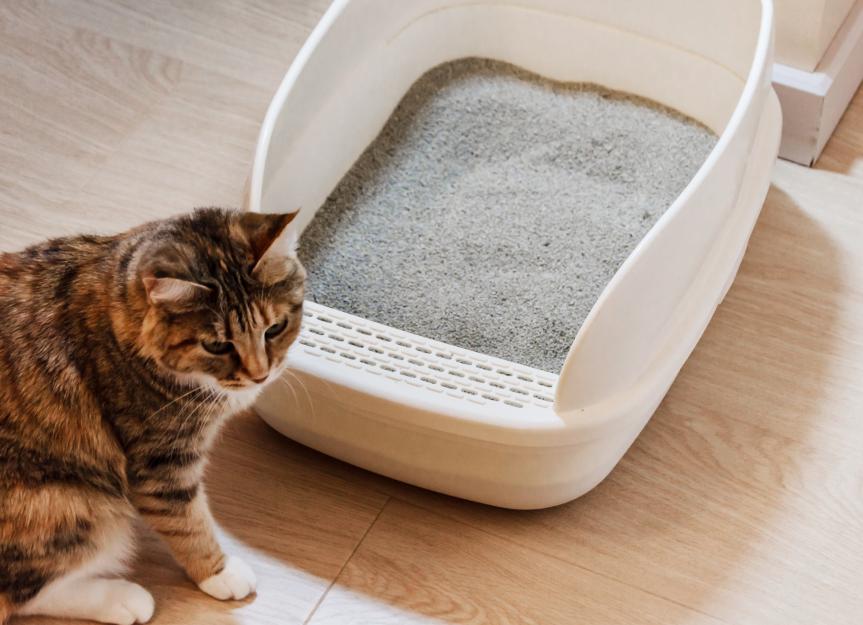
Credit: www.petmd.com
Identifying Health Problems
Noticing your cat pooping outside the litter box can be frustrating, but it might signal underlying health problems. Understanding these health issues early can save your cat from discomfort and prevent more serious complications. Let’s look closely at some common health-related reasons why your cat might avoid the litter box.
Urinary Tract Infections
Urinary tract infections (UTIs) are painful for cats and often cause changes in bathroom habits. A cat with a UTI might associate the litter box with pain, leading them to avoid it entirely. You might see your cat straining or going outside the box because they want to find a more comfortable spot.
If your cat suddenly starts pooping or peeing outside the litter box, check for signs like frequent attempts to urinate or blood in the urine. These signs call for a vet visit—ignoring them could worsen the infection and your cat’s distress.
Digestive Issues
Digestive problems like constipation or diarrhea can also cause your cat to skip the litter box. Your cat might feel uncomfortable or rushed, leading to accidents outside the usual spot. Sometimes, the litter box itself might smell unpleasant due to frequent soiling, causing your cat to avoid it.
Have you noticed changes in your cat’s stool or appetite? These clues help you decide if a trip to the vet is needed to rule out issues like parasites or food sensitivities.
Pain Or Mobility Challenges
Cats with arthritis or injuries may find it hard to climb into or balance in the litter box. This physical discomfort can push them to choose easier places for elimination. Older cats often face this problem, but younger cats with injuries can be affected too.
Try observing if your cat hesitates or seems stiff near the litter box. Offering a box with lower sides or placing it in a more accessible location might help. Are you ready to adjust your cat’s environment to ease their pain and encourage proper litter box use?
Improving Litter Box Setup
Cats often avoid their litter box due to dirty trays or poor location. A clean, quiet spot with the right litter can encourage proper use. Changing the setup can reduce accidents and keep your home fresh.
Improving the litter box setup can greatly reduce your cat’s stress. Cats are sensitive creatures, and a comfortable litter box can make a big difference. Creating a welcoming environment encourages your cat to use the litter box consistently. Let’s explore how to make the litter box more appealing.Choosing The Right Litter
Cats have preferences for litter types. Unscented clumping litter often works best. Strong scents can deter cats. Experiment with different textures and brands. Observe your cat’s reactions to find the best fit.Box Size And Accessibility
A larger litter box gives your cat ample space. It should be at least one and a half times the cat’s length. Ensure it’s easy to enter and exit. For older or arthritic cats, low-entry boxes are ideal.Number Of Litter Boxes Needed
A good rule is one box per cat, plus one extra. This reduces territorial stress. Place them in quiet, private areas. This provides options and prevents crowding.Cleaning Frequency Tips
Cats dislike dirty boxes. Scoop waste daily to maintain freshness. Change the litter completely every week. Regular cleaning prevents odors and keeps the space inviting.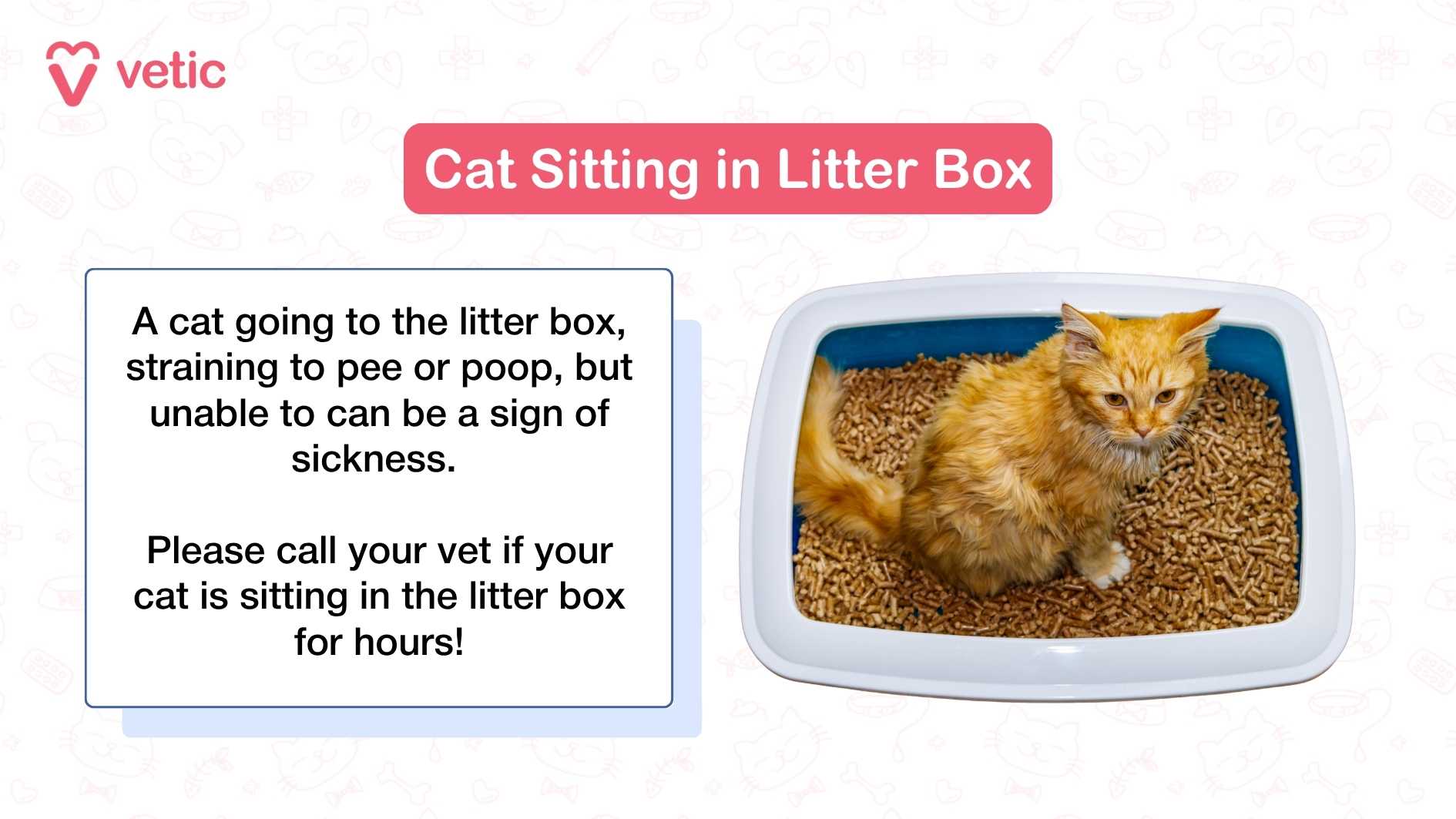
Credit: vetic.in
Addressing Behavioral Causes
Behavioral reasons often cause cats to avoid their litter boxes. Cats are sensitive creatures. Changes in their environment or routine can cause anxiety. Stress can lead cats to find other places to relieve themselves.
Understanding and addressing these behaviors helps stop unwanted pooping outside the box. It creates a calm, safe space for cats to feel secure. Focus on reducing stress, providing comfort, and managing interactions with other pets.
Reducing Stress Triggers
Stress makes cats act out in many ways. Loud noises, new people, or changes at home can upset them. Keep your cat’s routine steady. Avoid sudden changes in feeding, playtime, or sleeping areas.
Use calming products like pheromone sprays or diffusers. These can ease anxiety and create a relaxing atmosphere. Quiet spaces away from busy rooms help cats feel safe.
Providing Safe Spaces
Cats need places where they feel secure. Provide cozy beds or hideouts in quiet corners. These spots give cats privacy and comfort.
Make sure litter boxes are in calm, low-traffic areas. Avoid placing boxes near noisy appliances or busy hallways. Multiple safe spots can reduce fear and encourage proper use of the litter box.
Dealing With Multi-cat Households
Having more than one cat can cause tension. Cats may compete over resources like food, water, or litter boxes. Provide one litter box per cat plus one extra. This reduces fights and stress.
Separate feeding and resting areas. Observe how cats interact and intervene if aggression appears. Patience and consistent routines help cats live peacefully together.
Quick Fixes To Redirect Behavior
Redirecting a cat’s pooping behavior outside the litter box requires quick and clear actions. Changing habits needs patience and consistency. Small adjustments can lead to big improvements fast. Addressing the problem early helps prevent it from becoming a long-term issue.
Using Enzymatic Cleaners
Cleaning soiled areas with enzymatic cleaners removes odors fully. Cats return to spots that smell like waste. These cleaners break down organic material completely. Avoid regular cleaners that mask smells without eliminating them. Apply the cleaner generously to all affected spots. Let the area dry before allowing the cat back in.
Positive Reinforcement Techniques
Reward cats for using their litter box correctly. Use treats, petting, or gentle praise immediately after they finish. This builds a connection between good behavior and positive outcomes. Avoid punishing cats for accidents. It causes fear and confusion. Consistency in rewards helps speed up learning and habit change.
Temporary Confinement Strategies
Limit the cat’s space temporarily to encourage litter box use. Use a small room with a clean litter box and essentials. This reduces chances of accidents elsewhere. Increase the cat’s freedom slowly as good behavior continues. Monitor closely and clean any accidents right away. This method helps reset habits and focus the cat’s routine.

Credit: www.aol.com
When To Seek Veterinary Help
Knowing when to seek veterinary help is crucial if your cat continues to poop outside the litter box. Sometimes, the issue is more than just a behavioral quirk or a litter preference. Ignoring persistent problems might put your cat’s health at risk or prolong their discomfort.
Persistent Issues Despite Changes
If you’ve tried switching litter types, cleaning routines, and even changing the litter box location without success, it’s time to consider professional advice. Your cat might be signaling an underlying health problem or stress that you can’t see. Don’t wait until the problem worsens—early intervention can save both your patience and your cat’s wellbeing.
Signs Of Serious Illness
Watch closely for symptoms like straining to poop, blood in the stool, or sudden changes in appetite and behavior. These signs often point to medical conditions such as urinary tract infections, gastrointestinal issues, or kidney problems. If any of these symptoms appear, contact your vet immediately to prevent complications.
Professional Behavioral Support
Sometimes, your cat’s litter box problems stem from anxiety or stress rather than illness. A vet can help you determine if a behaviorist’s input is needed to address these challenges. Professional guidance can provide you with tailored strategies to help your cat feel secure and comfortable using their litter box again.
Frequently Asked Questions
Why Is My Cat Pooping Outside The Litter Box?
Cats may poop outside due to stress, illness, or litter box issues. Check for medical problems first. Ensure the box is clean and in a quiet, accessible location. Behavioral or environmental changes can also cause this problem.
How Can I Stop My Cat From Pooping Outside?
Keep the litter box clean and odor-free. Provide multiple boxes in different locations. Use the litter type your cat prefers. Address any medical issues by consulting a vet. Reduce stress and maintain a consistent routine to help your cat feel secure.
Can Health Problems Cause Litter Box Avoidance?
Yes, health issues like infections, constipation, or arthritis can cause avoidance. Pain or discomfort may make your cat avoid the litter box. A vet checkup is essential to rule out or treat medical causes.
Does Litter Box Cleanliness Affect Cat’s Bathroom Habits?
Absolutely. Cats prefer a clean litter box. Dirty boxes can deter them from using it. Scoop waste daily and change litter regularly. This encourages proper bathroom habits and prevents accidents.
Conclusion
Cats pooping outside the litter box can be frustrating. Many reasons cause this behavior. Stress, illness, or dirty boxes often lead to accidents. Watch your cat closely to spot changes. Keep the litter box clean and placed in quiet areas.
Try different types of litter to find what your cat likes. Consult a vet if problems continue. Patience and care help your cat feel safe and happy. Understanding your cat’s needs improves your bond and home peace. Small steps make a big difference in solving this issue.

Leave a Reply