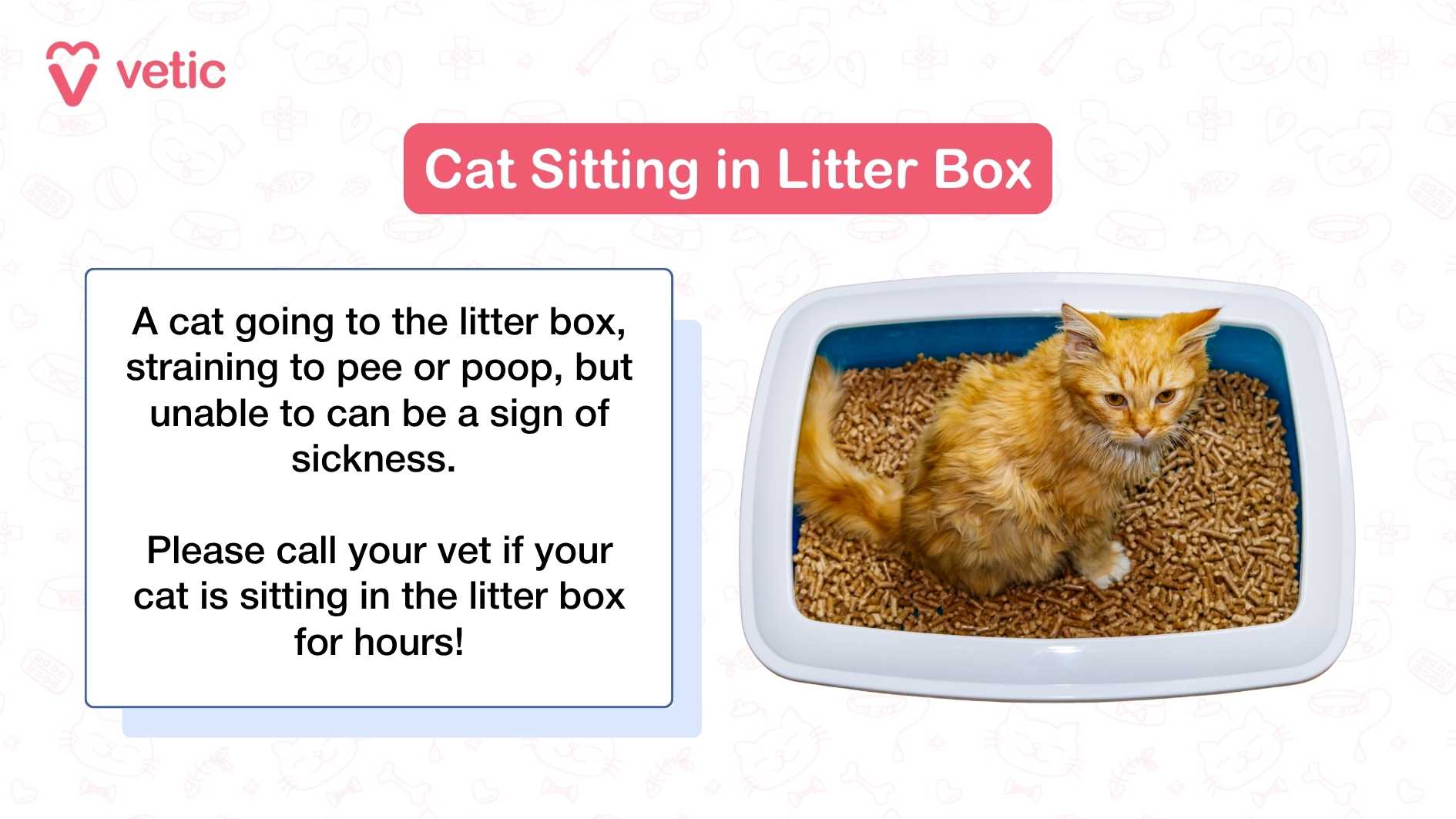
Have you ever caught your cat just sitting in the litter box and wondered why? It’s a strange sight that can leave you worried or confused.
Your cat’s unusual behavior might be trying to tell you something important about their health or comfort. Understanding the reasons behind this can help you keep your furry friend happy and safe. Keep reading to discover why your cat is spending time in the litter box and what you should do next.
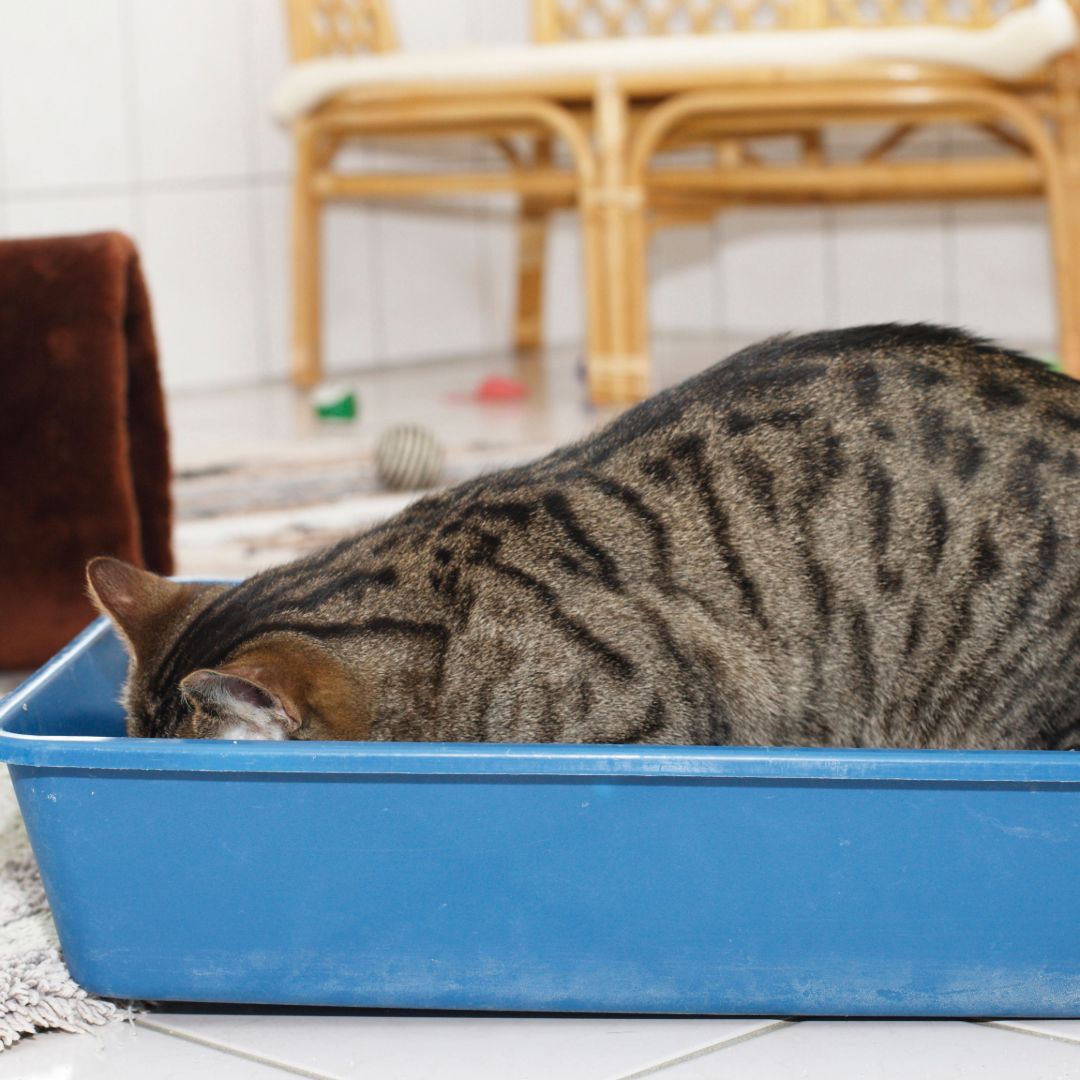
Credit: www.petsradar.com
Common Cat Litter Box Behaviors
Understanding common cat litter box behaviors helps identify normal and unusual actions. Cats use litter boxes naturally but may show signs that need attention. Observing these behaviors can reveal if your cat is healthy or stressed. Knowing typical patterns and discomfort signs is important for pet care.
Typical Use Patterns
Cats usually visit the litter box multiple times daily. They enter, dig, eliminate, and cover their waste quickly. Most cats prefer clean, quiet spaces for their bathroom needs. Some cats may sit or stay longer if they are relaxed or curious. Regular use shows comfort and good health.
Signs Of Discomfort
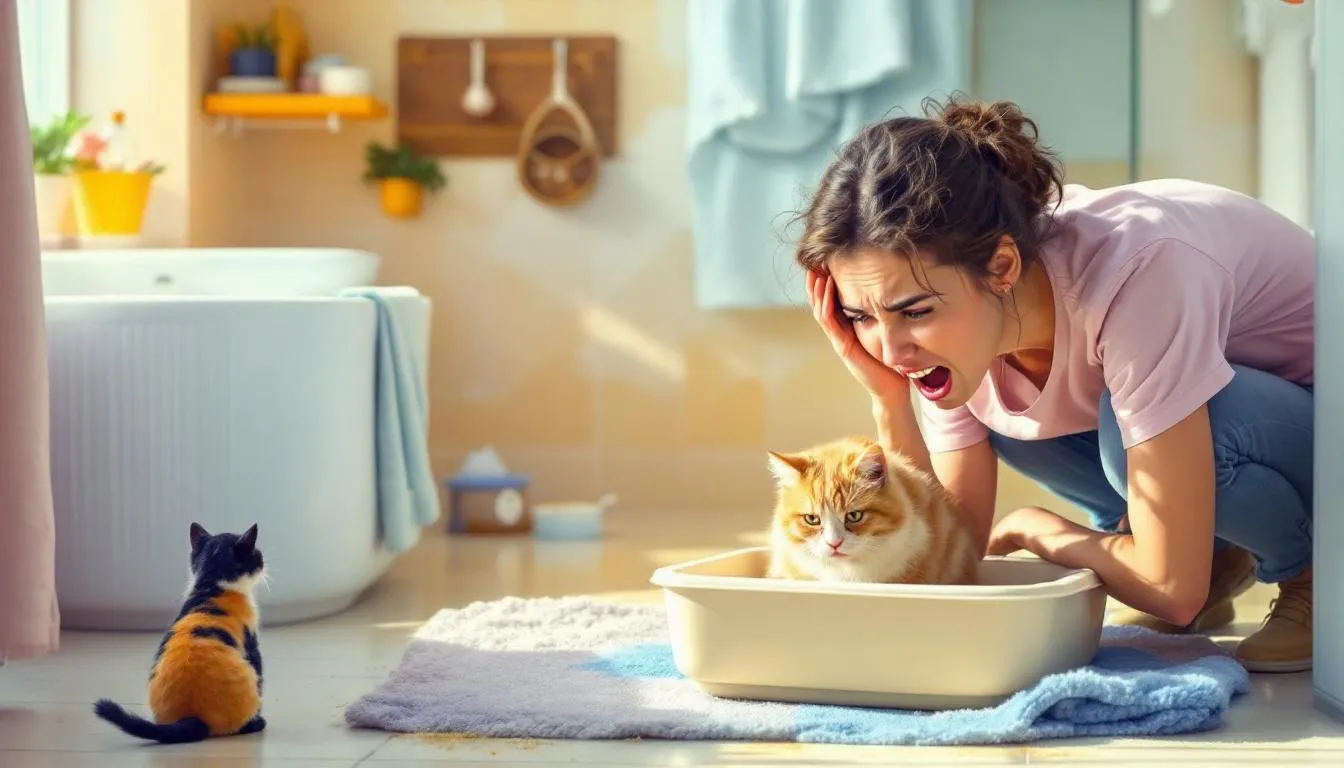
Sitting in the litter box without eliminating can signal pain or stress. Cats may strain, vocalize, or show restlessness in the box. Other signs include frequent attempts to urinate with little result. Discomfort can stem from urinary infections, blockages, or anxiety. Immediate attention helps prevent serious health issues.
Health Issues Behind Litter Box Sitting
Cats sitting in their litter box for long periods can signal health problems. This behavior is often a sign of discomfort or pain. Understanding the health issues behind this can help you take better care of your cat.
Urinary Tract Infections
Urinary tract infections (UTIs) are common in cats. They cause pain and a frequent need to urinate. Cats may sit in the litter box to try to relieve the discomfort. Signs include straining, blood in the urine, and vocalizing while urinating. UTIs require prompt treatment from a vet to avoid serious complications.
Digestive Problems
Digestive problems can also make cats stay in the litter box. Constipation or diarrhea can cause pain and stress. Cats may stay in the box because they feel the need to use it often. They might also sit there to avoid pain when trying to defecate. A vet visit is important to diagnose and treat these issues properly.
Pain And Discomfort
Pain from injuries or arthritis can make cats seek comfort in the litter box. The box may feel like a safe place to rest. Cats may stay there because moving is painful. Watch for other signs like limping or reluctance to jump. A vet can help find the cause and suggest treatment to ease the pain.
Stress And Anxiety Factors
Stress and anxiety can cause cats to act strangely, like sitting in the litter box. Changes in their environment or health issues often trigger this behavior. It shows they feel unsafe or uncomfortable.
Cats sometimes sit in the litter box due to stress or anxiety. Understanding these factors helps in addressing the behavior. A cat’s environment, social interactions, and attachment to humans play a big role. Identifying the root cause is key to helping your cat.Changes In Environment
Cats are sensitive to changes in their surroundings. A new home, furniture, or even different smells can unsettle them. They might find solace in familiar places, like the litter box. It’s their safe zone amidst unfamiliarity. Ensure your cat’s space feels stable. Gradual changes can ease their stress.Social Stress
Social interactions impact a cat’s comfort level. New pets or frequent visitors may cause unease. Cats value territory and familiarity. They might retreat to the litter box to escape social stress. Observing their interactions helps in understanding their stress triggers. Create a peaceful environment for your cat.Separation Anxiety
Cats form strong bonds with their humans. When left alone, they may experience separation anxiety. This anxiety could lead them to the litter box, a place of comfort. Spend quality time with your cat to reassure them. Consider interactive toys to keep them engaged when you’re not around.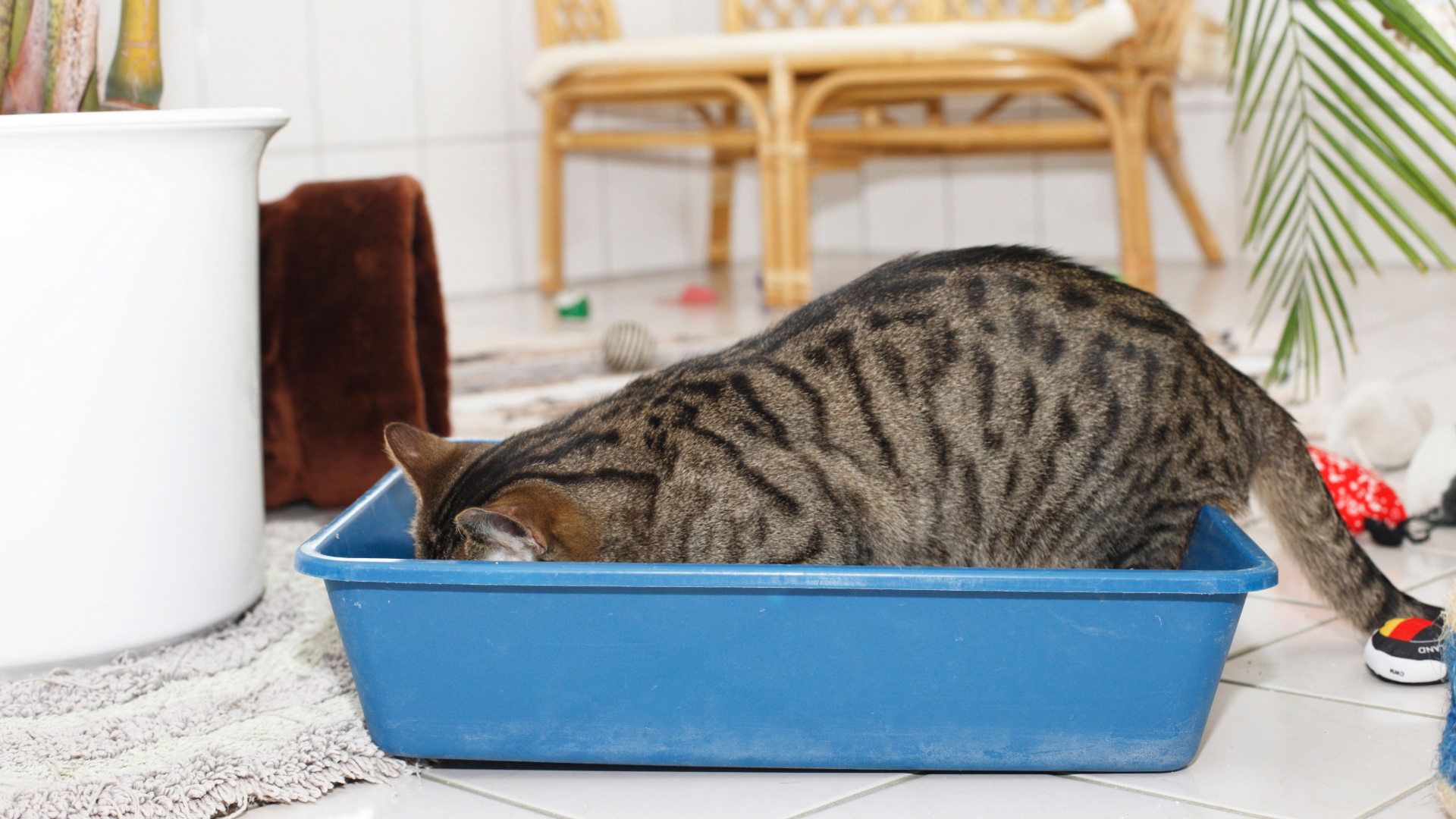
Credit: www.petsradar.com
Territorial And Behavioral Causes
Cats often sit in their litter boxes due to territorial and behavioral reasons. These actions can express their feelings or habits. Understanding these causes helps in addressing the issue calmly and effectively.
Marking Territory
Cats use their scent to claim spaces. Sitting in the litter box leaves their smell there. This behavior tells other cats that this area belongs to them. Stress or changes in the home can increase this marking. It helps the cat feel safe and in control.
Seeking Comfort
The litter box can feel like a small, secure spot. Cats may sit there to feel protected. Anxiety or fear can make them choose this place. It acts as a refuge from loud noises or strangers. The familiar smell of the box adds to their comfort.
Habit Formation
Cats are creatures of habit. Sitting in the litter box can become routine. This may happen if they once felt unwell or stressed. Repeating the behavior gives them a sense of stability. Changing this habit requires patience and gentle encouragement.
When To Seek Veterinary Help
Noticing your cat sitting in the litter box for long periods can be worrying. Sometimes, this behavior signals discomfort or an underlying health issue that needs urgent attention. Knowing when to seek veterinary help can make a big difference in your cat’s recovery and comfort.
Warning Signs To Watch
Pay close attention if your cat is straining, crying out, or showing signs of pain while in the litter box. These behaviors often indicate urinary tract problems or constipation.
Other signs include frequent attempts to urinate with little result, blood in the urine, or your cat avoiding the litter box altogether. Changes in appetite, lethargy, or vomiting alongside litter box sitting should raise immediate concern.
Has your cat’s behavior changed suddenly? If you notice any of these symptoms, don’t wait to get professional advice.
Diagnostic Approaches
Your veterinarian will start with a thorough physical exam and may ask detailed questions about your cat’s behavior and litter box habits. Urine tests are common to check for infections, crystals, or blood.
Sometimes, an X-ray or ultrasound is needed to look for bladder stones or blockages. These tests help pinpoint the exact cause and guide effective treatment.
Remember, early diagnosis can prevent serious complications, so be honest and detailed when describing your cat’s symptoms to the vet.
Treatment Options
Treatment depends on the diagnosis but often includes antibiotics for infections or special diets for urinary health. If your cat has a blockage, emergency care might be necessary to relieve it.
Hydration is key. Encouraging your cat to drink water helps flush out the urinary system and supports recovery.
Sometimes, your vet might recommend pain relief or anti-inflammatory medications to keep your cat comfortable. Follow all instructions closely and keep a close eye on your cat’s progress.
Tips To Encourage Healthy Litter Box Use
Encouraging your cat to use the litter box properly can solve many frustrating issues. Cats often sit in their litter boxes for reasons related to comfort, cleanliness, or stress. Focusing on simple, actionable steps can help your feline friend feel safe and willing to use their box as intended.
Litter Box Maintenance
Keeping the litter box clean is crucial. Cats dislike dirty litter, and a smelly box can drive them away. Scoop waste daily and completely change the litter at least once a week to maintain freshness.
Think about the type of litter you use. Some cats prefer unscented, fine-grain litter because it feels softer on their paws. Have you noticed your cat avoiding the box after you switch brands? That might be the reason.
Creating A Comfortable Space
Your cat needs a quiet, private place for their litter box. Avoid placing it near noisy appliances or in busy areas. Cats seek calm when they use the bathroom, so a peaceful corner can make a big difference.
Size matters too. The box should be large enough for your cat to turn around comfortably. If your cat is older or has mobility issues, consider a box with lower sides for easier access.
Behavioral Training
Reward your cat for using the litter box correctly. Positive reinforcement, like treats or gentle praise, helps them associate the box with good things. If accidents happen, avoid punishment—it can increase anxiety and worsen the problem.
If your cat continues to sit in the litter box without using it, observe for signs of stress or health issues. Sometimes, a vet visit can uncover underlying problems. Could your cat be trying to tell you something through this unusual behavior?
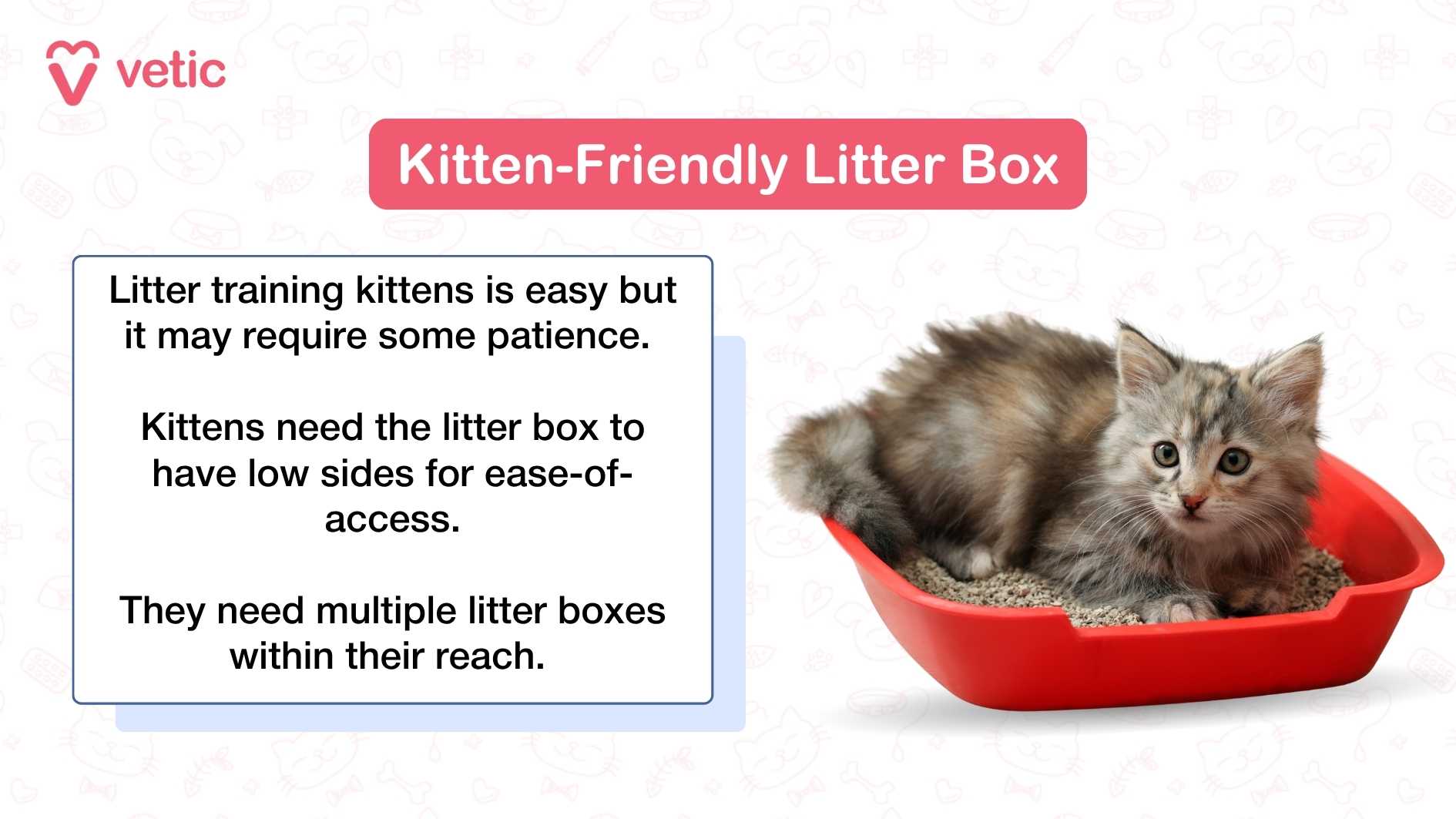
Credit: vetic.in
Frequently Asked Questions
Why Does My Cat Sit In The Litter Box Without Using It?
Cats may sit in the litter box due to stress, illness, or discomfort. It can signal urinary tract issues or anxiety. Observing behavior and consulting a vet helps identify causes and provide proper treatment to ensure your cat’s health and comfort.
Can Litter Box Sitting Indicate A Health Problem?
Yes, sitting in the litter box often indicates urinary tract infections, bladder stones, or constipation. These conditions cause pain and discomfort, making cats reluctant to leave the box. Immediate veterinary care is crucial to diagnose and treat such health issues.
How Can Stress Cause Litter Box Sitting Behavior?
Stress from changes like new pets or environment can cause cats to sit in the litter box. It serves as a safe, familiar place during anxiety. Reducing stressors and providing a calm environment helps resolve this behavior.
Should I Change The Litter Box If My Cat Sits Too Long?
Yes, cleaning or changing the litter box can encourage your cat to use it normally. Dirty or smelly boxes may cause discomfort, leading cats to sit without eliminating. Regular cleaning keeps the box inviting and healthy.
Conclusion
Cats sitting in their litter box often signal a problem. It might be stress, illness, or discomfort. Watch your cat closely for other unusual signs. Giving your pet comfort and a clean space helps. Don’t ignore this behavior; it needs attention.
A quick visit to the vet can find the cause. Understanding your cat’s needs keeps them happy and healthy. Trust your instincts and act with care. Your cat’s well-being matters most.

Leave a Reply