Are you wondering if it’s okay to feed your kitten adult cat food? You want to give your little furball the best nutrition, but confusing labels and advice can make it hard to know what’s right.
What if the food meant for grown cats isn’t good enough for your kitten’s growth? Or worse, could it harm them? Keep reading to find out why what you feed your kitten now matters more than you think—and how to make sure your pet stays healthy and happy every step of the way.
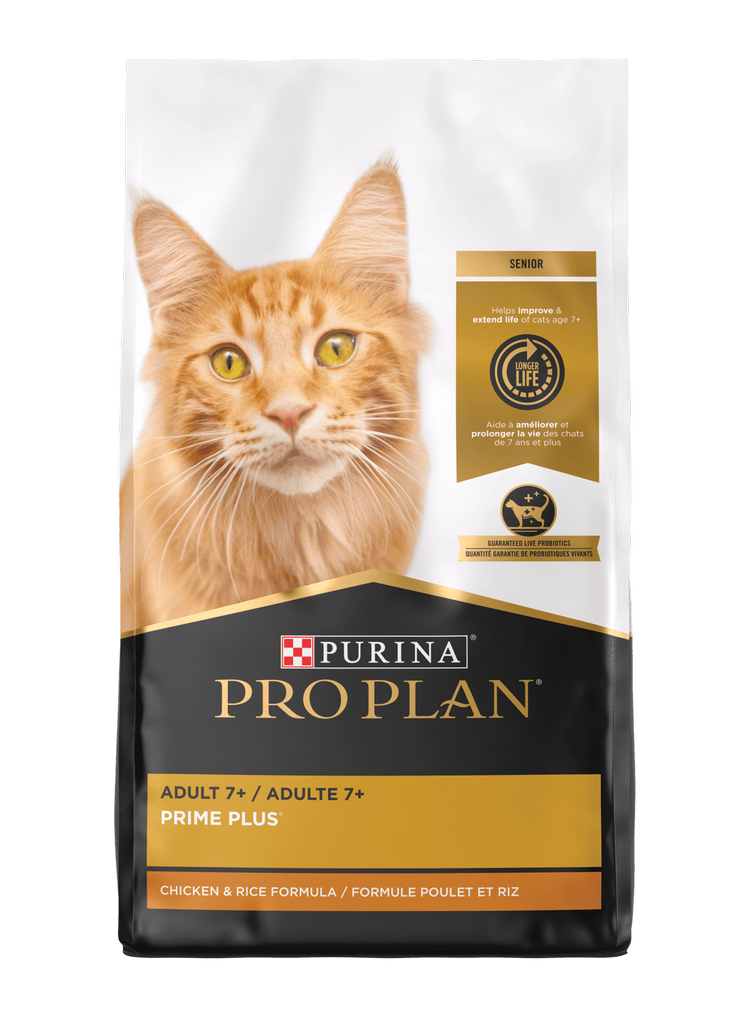
Credit: www.purina.com
Differences Between Kitten And Adult Cat Food
Kittens and adult cats have very different dietary needs. Their food formulas reflect these differences clearly. Feeding a kitten adult cat food can affect their growth and health. Understanding these differences helps choose the right food for your cat’s age.
Nutritional Needs Of Kittens
Kittens require more calories than adult cats because they grow fast. Their food must have extra protein and fat for energy and muscle development.
- High protein content supports rapid growth.
- Increased fat provides essential energy.
- More vitamins and minerals aid bone and organ development.
- Smaller kibble size suits tiny teeth.
Kittens also need nutrients like DHA for brain and eye growth. Balanced nutrition helps build a strong immune system.
Adult Cat Food Composition
Adult cat food contains fewer calories to prevent weight gain. The protein level is adequate to maintain muscle but not as high as kitten food.
- Lower fat content to control body weight.
- Vitamins and minerals support maintenance, not growth.
- Fiber helps digestion and prevents hairballs.
- Kibble size is larger, fitting adult teeth.
This food keeps adult cats healthy and active without extra calories. It focuses on maintaining body condition and wellness rather than growth.
Risks Of Feeding Adult Cat Food To Kittens
Feeding adult cat food to kittens can lead to serious health risks. Kittens have special needs that adult cat food does not meet. Their bodies require more nutrients for fast growth. Adult food lacks these essential elements, which can harm kittens.
Nutrient Deficiencies
Kittens need higher levels of protein, fat, and vitamins. Adult cat food contains fewer nutrients. This can cause weakness and poor immune function. A lack of calcium and phosphorus can also affect bone strength. Without proper nutrition, kittens may not develop properly.
Growth And Development Issues
Fast growth requires balanced nutrition. Adult food does not support this. Kittens may grow slower or develop poorly. Muscle and organ formation can be compromised. This can lead to lifelong health problems.
Digestive Problems
Kittens have sensitive stomachs. Adult cat food is harder to digest. This can cause diarrhea, vomiting, and discomfort. Poor digestion reduces nutrient absorption. It can weaken kittens and delay growth.
When Adult Cat Food Might Be Appropriate
Adult cat food suits kittens only in rare cases, like sudden shortages or emergencies. Nutrients in adult food differ and may not support a kitten’s rapid growth properly. Always choose kitten food for best health unless advised otherwise by a vet.
When it comes to feeding kittens, ensuring they receive the right nutrients is crucial for their growth and health. However, there are certain situations where adult cat food might be appropriate for kittens. Understanding these scenarios can help you make informed decisions about your pet’s diet.Transition Periods
Kittens undergo rapid growth during the first year of life. As they approach the end of their growth phase, transitioning to adult cat food may be suitable. This usually happens around the 12-month mark, but it’s essential to consider the kitten’s size and breed. Some kittens might mature faster, especially larger breeds, and may require adult food sooner. Always observe your kitten’s development and growth rate. If they seem to be reaching adult size, it could be time to transition.Veterinarian Recommendations
Your veterinarian is a valuable resource when deciding whether to feed your kitten adult cat food. They can provide insights based on your kitten’s health, weight, and growth patterns. In some cases, veterinarians might suggest introducing adult food earlier due to specific dietary needs or health concerns. Regular check-ups can ensure your kitten’s diet aligns with their health requirements. Have you ever noticed your kitten showing more interest in adult cat food? This could be a sign that they are ready for the transition. Always consult with your vet before making any changes to your pet’s diet to ensure their nutritional needs are met.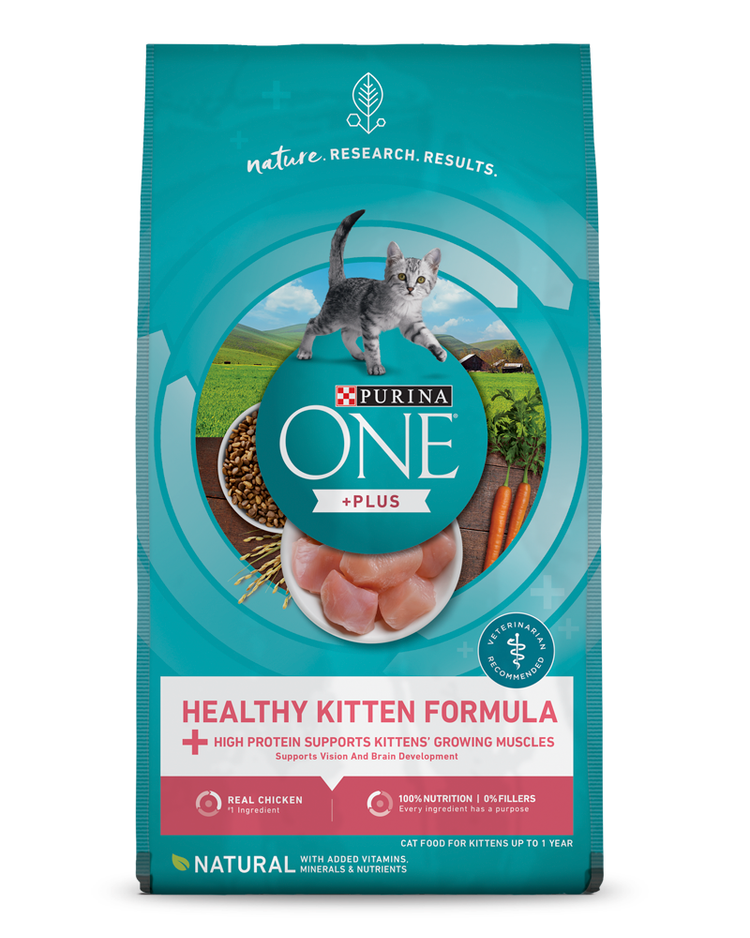
Credit: www.purina.com
Tips For Feeding Kittens Safely
Feeding kittens safely requires attention to their unique needs. Their growing bodies need special care and nutrition. Choosing the right food, setting proper feeding schedules, and watching their health closely are key steps.
Choosing The Right Food
Kittens need food made for their growth stage. Adult cat food lacks essential nutrients for kittens. Look for labels that say “kitten” or “growth.” These foods have more protein and fat. Avoid giving adult food regularly to young kittens. It can cause poor development and health issues.
Feeding Schedules
Kittens eat small meals many times a day. Feeding them 3 to 4 times daily works well. Keep portions small to avoid overeating. Fresh water should be available at all times. As kittens grow, you can reduce meal frequency. Gradually switch to adult cat food after about one year.
Monitoring Health And Growth
Track your kitten’s weight and size weekly. Healthy kittens gain weight steadily. Watch for signs like lethargy or poor appetite. Check their coat and eyes for brightness and clarity. Regular vet visits help catch problems early. Adjust food type and amount based on growth and health.
Signs Your Kitten Needs Dietary Adjustment
Noticing when your kitten needs a change in diet can be tricky. Kittens grow fast and their nutritional needs shift just as quickly. Paying close attention to subtle signs helps you decide if sticking with adult cat food is doing more harm than good.
Behavioral Changes
Your kitten’s behavior often reveals how well they’re thriving on their current food. If you see sudden irritability or lack of energy, it might mean their diet isn’t meeting their needs.
Watch for:
- Decreased playfulness or reluctance to interact.
- Increased restlessness or unusual aggression.
- Changes in appetite—either eating too little or begging more than usual.
I once noticed my kitten became less curious and more withdrawn after switching too early to adult food. That change was a clear signal to adjust her diet back to kitten-specific nutrition.
Physical Symptoms
Physical signs can be a strong indicator that your kitten needs a dietary adjustment. Look for changes in their coat, weight, and overall health.
- Dull or patchy fur—healthy kittens usually have shiny, soft coats.
- Unexplained weight loss or failure to gain weight properly.
- Digestive issues like diarrhea or constipation.
- Weakness or delayed growth milestones.
Noticing your kitten’s fur losing its shine or their growth slowing down can prompt you to revisit what you’re feeding them. These symptoms often improve once the diet matches their developmental requirements.
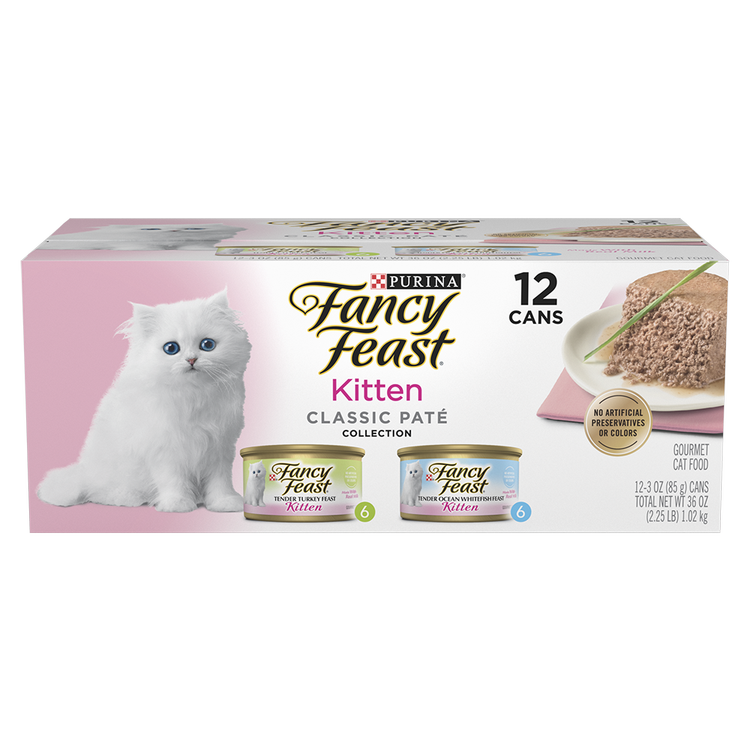
Credit: www.purina.com
Frequently Asked Questions
Can Kittens Eat Adult Cat Food Safely?
Kittens should not eat adult cat food regularly. Adult food lacks essential nutrients for kitten growth. Kitten food supports healthy development and energy needs. Occasional adult food may be okay but not ideal for kittens.
What Happens If A Kitten Eats Only Adult Cat Food?
Feeding only adult cat food can cause nutrient deficiencies in kittens. They may experience poor growth, weak immunity, and health issues. Kitten food is specially formulated to provide vital proteins, fats, and vitamins needed during early life stages.
When Can Kittens Switch To Adult Cat Food?
Kittens can gradually switch to adult cat food around 12 months old. This transition supports their changing nutritional needs as growth slows. Mixing adult food with kitten food during transition helps avoid digestive upset.
Is Adult Cat Food Cheaper Than Kitten Food?
Adult cat food may be cheaper but lacks kitten-specific nutrients. Investing in kitten food ensures proper growth and health. Quality kitten food is worth the cost for your pet’s wellbeing.
Conclusion
Kittens need special food to grow strong and healthy. Adult cat food lacks some nutrients kittens require. Feeding adult food to kittens can cause health issues. Always choose kitten food until they are about one year old. This helps their bones, muscles, and brain develop well.
Switching too early is not good for their growth. Keep your kitten’s diet balanced and suited to their age. This simple step supports a happy and healthy cat life. Caring for your kitten’s food needs shows love and responsibility.



Leave a Reply