
Have you noticed your cat biting himself while grooming and wondered why he does it? It can be worrying to see your furry friend acting this way.
You might ask yourself if it’s normal or if something is wrong. Understanding the reasons behind this behavior can help you keep your cat happy and healthy. You’ll discover the common causes and what you can do to help your cat feel better.
Keep reading to learn how to protect your beloved pet from discomfort and potential health issues.
Credit: www.goodrx.com
Cat Grooming Basics
Cats spend a lot of time grooming themselves. Grooming keeps their fur clean and healthy. It also helps them relax and feel safe. Understanding basic grooming habits helps spot problems early. Cats lick and nibble on their fur to remove dirt and loose hair. This behavior is natural and important.
Normal Grooming Behavior
Most cats groom several times a day. They use their tongue to clean all over their body. Grooming helps spread natural oils on their fur. It controls shedding and removes parasites. Cats may also bite lightly to untangle fur or remove dirt. This gentle biting is normal and not harmful.
Grooming also calms cats and reduces stress. They may groom after waking up or before sleeping. Social grooming happens when cats lick each other. This builds bonds between cats. Overall, grooming is a healthy and natural habit.
When Grooming Becomes Excessive
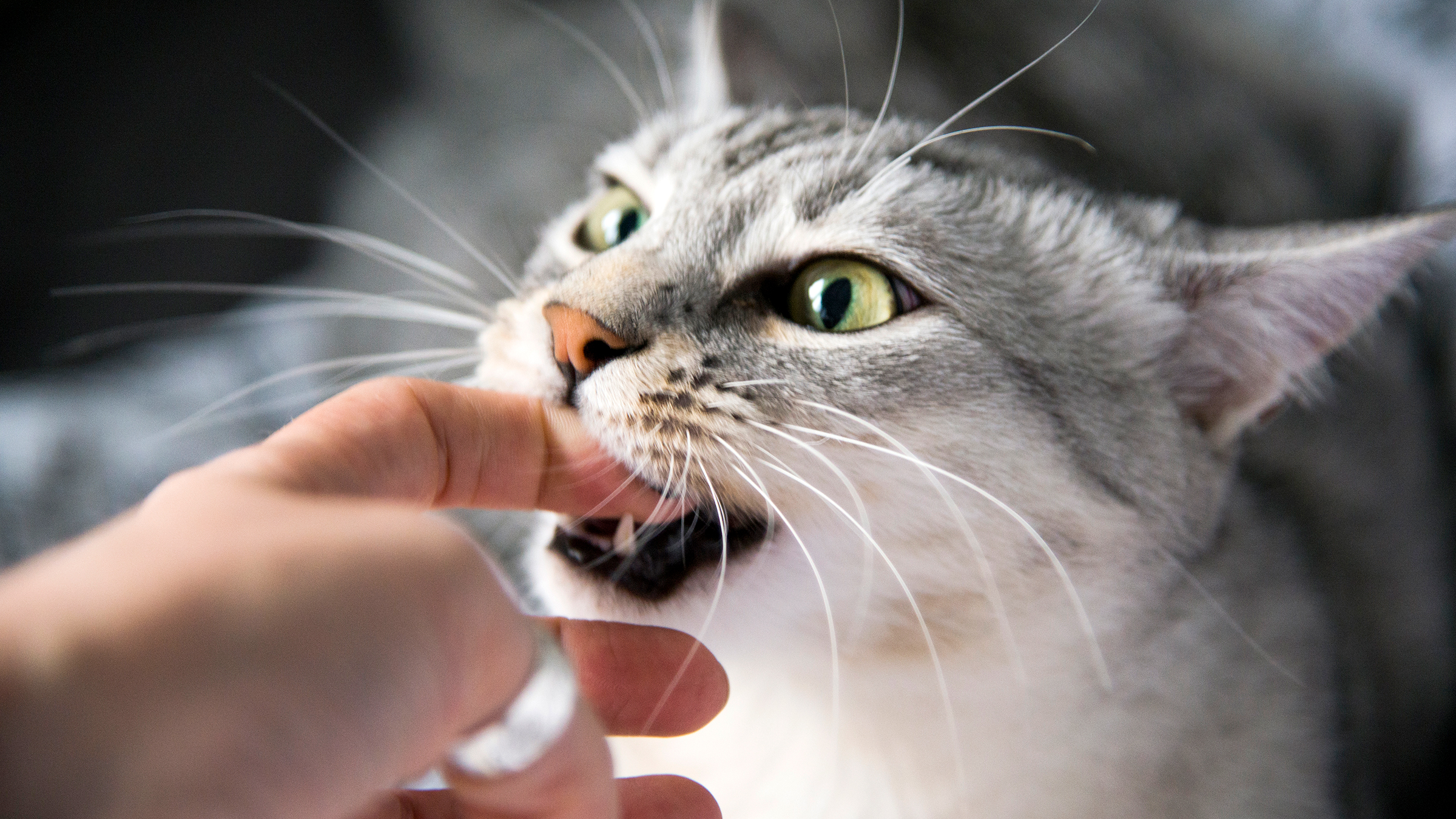
Excessive grooming means the cat spends too much time licking or biting. This can cause bald spots, redness, or sores. Cats may bite themselves hard enough to hurt their skin. This behavior shows something is wrong.
Causes include:
- Allergies to food or environment
- Parasites like fleas or mites
- Skin infections or irritations
- Stress, anxiety, or boredom
Excessive grooming needs attention. It can lead to infections or pain. Watch your cat closely. Notice changes in grooming habits and skin condition. Consult a vet if grooming looks harmful or obsessive.

Credit: www.reddit.com
Common Reasons For Self-biting
When you notice your cat biting himself while grooming, it’s natural to wonder why this behavior is happening. Understanding the common reasons behind self-biting can help you decide the best way to support your feline friend. Often, this behavior signals discomfort or irritation that your cat is trying to relieve.
Fleas And Parasites
Fleas and other parasites are a frequent cause of self-biting in cats. These tiny pests cause intense itching, leading your cat to bite or scratch specific areas. Have you checked your cat’s fur for signs of fleas, like black specks or flea dirt? Even if you don’t see any, a veterinary exam can confirm their presence.
If you spot fleas, treating your cat promptly can stop the biting and prevent further skin damage. Regular flea prevention is key—are you keeping up with your cat’s flea treatments throughout the year?
Skin Allergies
Skin allergies can cause your cat’s skin to become red, inflamed, and itchy. Allergies may come from food, environmental factors like pollen, or even household cleaners. If your cat is biting in specific spots, it might be reacting to an allergen.
Notice if the biting worsens during certain seasons or after introducing new food. Tracking these changes can help you and your vet identify and manage the allergy effectively.
Dry Skin Issues
Dry skin can make your cat uncomfortable, prompting them to bite or lick excessively. This condition is often caused by low humidity, poor diet, or underlying health problems. You might see flaky skin or dandruff on your cat’s coat.
Improving your cat’s diet with omega fatty acids or using a humidifier can soothe dry skin. Have you observed if your cat’s biting decreases after these changes? Small adjustments can make a big difference in your cat’s comfort.
Stress And Anxiety Impact
Stress and anxiety affect cats just like people. These feelings can change how cats behave during grooming. Biting themselves might be a sign of stress or anxiety. Understanding this helps you care for your cat better.
How Stress Triggers Biting
When a cat feels stressed, its body reacts by releasing chemicals. These chemicals can cause itching or discomfort. The cat may bite itself to try to relieve this feeling. This biting is often a way to cope with nervous energy or frustration. It might become a habit if the stress continues for a long time.
Environmental Stressors
Changes in a cat’s surroundings can cause stress. New pets, loud noises, or moving to a new home are common triggers. Even small changes, like new furniture or different people, can upset a cat. Lack of safe hiding spots or a busy household can increase anxiety. These stressors may lead to more frequent biting during grooming.
Medical Conditions Behind Biting
When your cat starts biting himself while grooming, it could be more than just a quirky habit. Often, this behavior signals underlying medical issues that need your attention. Understanding these health problems can help you provide the right care and comfort for your furry friend.
Dermatitis And Infections
One common reason cats bite themselves is due to skin irritation caused by dermatitis or infections. These conditions make the skin itchy, inflamed, or painful, pushing your cat to lick and bite at the area constantly.
Dermatitis can arise from allergies, flea bites, or even contact with irritating substances. Infections, whether bacterial or fungal, often cause redness and swelling that your cat tries to soothe with biting. If you notice sores or scabs alongside the biting, it’s a strong sign of a skin problem that needs veterinary care.
Pain Or Discomfort Causes
Cats may also bite themselves in response to pain or discomfort not directly related to their skin. Muscle strains, arthritis, or even nerve pain can make certain spots on their body sensitive.
Imagine a cat with a sore back—biting might be their way of coping with discomfort they can’t otherwise express. If your cat suddenly focuses on a specific area, you should consider a medical exam to identify hidden injuries or conditions causing this behavior.
Behavioral Causes
Stress or anxiety can make a cat bite itself while grooming. Obsessive grooming might also indicate skin irritation or allergies. Understanding these behaviors helps address your cat’s needs.
Understanding why your cat might bite himself while grooming can be a puzzling task. Often, this behavior is rooted in behavioral causes, which can range from simple boredom to more complex compulsive tendencies. By recognizing these underlying issues, you can help your feline friend maintain a healthy and happy grooming routine.Compulsive Grooming
Compulsive grooming, or psychogenic alopecia, can be a significant cause of self-biting. Cats often resort to this when they’re stressed or anxious, leading to excessive grooming that sometimes results in bald patches or sores. Have you noticed your cat biting himself more frequently after a significant change at home, like a new pet or a move? These changes can trigger stress, making your cat resort to grooming as a coping mechanism. Observing your cat’s environment for potential stress triggers can help. Providing a calm, stable environment and regular playtime can reduce these anxiety-driven behaviors.Boredom And Lack Of Stimulation
Cats are curious creatures, needing mental and physical stimulation to stay content. A lack of engaging activities can lead them to find alternative ways to entertain themselves, such as excessive grooming or biting. Consider if your cat has enough toys or interactive play sessions with you. Is there a window perch for them to watch the outside world? Offering new toys or setting up a play schedule can greatly reduce your cat’s boredom. Remember, a stimulated cat is less likely to engage in problematic grooming habits. Providing varied and regular engagement helps keep your furry friend happy and healthy. Reflect on your cat’s daily routine. Are there enough activities to keep them entertained throughout the day?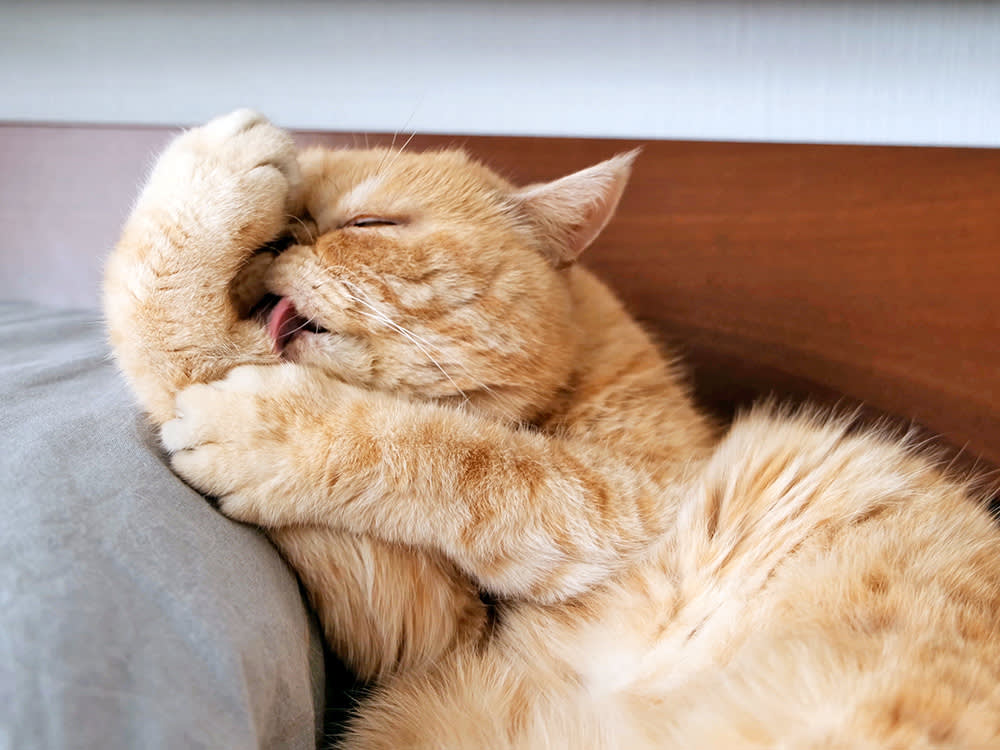
Credit: www.kinship.com
Signs Your Cat Needs Help
Noticing your cat biting himself more than usual during grooming can be worrying. It’s important to recognize the signs that indicate your furry friend might need help. Catching these signs early can prevent more serious problems and keep your cat comfortable and healthy.
Identifying Skin Damage
Look closely at your cat’s skin and fur. Are there red, raw patches where the fur is missing? These spots often mean your cat is biting or scratching too hard, causing irritation.
Scabs, swelling, or unusual lumps could also be signs of infection or allergies. If you spot any open wounds or persistent bald patches, don’t ignore them. These are clear signals that your cat’s grooming has gone beyond normal behavior and needs attention.
Behavioral Changes To Watch
Has your cat become more restless or withdrawn? Changes in behavior often accompany physical discomfort. You might notice your cat hiding more or acting aggressively when touched.
Excessive biting might also come with other signs like increased licking, pacing, or vocalizing. Ask yourself: Is your cat acting like himself, or has something changed? Sudden mood shifts can be your cat’s way of telling you he’s in pain or stressed.
Treatment And Prevention Tips
Helping a cat that bites itself during grooming involves both treatment and prevention. Addressing the root cause is important to stop the behavior. Careful attention to your cat’s health and environment supports healing and comfort. Below are practical tips to guide you.
Veterinary Care Options
Visit a vet to diagnose any skin problems or allergies. The vet may prescribe:
- Medications to reduce itching and inflammation
- Flea treatments to eliminate pests
- Special shampoos for sensitive skin
- Tests to check for infections or parasites
Follow all vet instructions closely for best results.
Home Remedies And Care
Keep your cat’s coat clean and dry. Use gentle brushes to remove loose fur. Avoid harsh soaps or chemicals on your cat’s skin. You can try:
- Oatmeal baths to soothe irritated skin
- Applying aloe vera gel carefully to calm itching
- Keeping nails trimmed to reduce damage from biting
Observe your cat daily for changes and comfort.
Reducing Stress For Your Cat
Stress can cause cats to bite themselves more. Create a calm space with soft bedding and quiet areas. Offer toys and playtime to distract your cat. Maintain a regular feeding and grooming schedule. Avoid sudden changes that might upset your cat. Use calming products like pheromone diffusers if needed.
Frequently Asked Questions
Why Does My Cat Bite Himself During Grooming?
Cats may bite themselves while grooming due to itchiness or irritation. This behavior helps remove dirt, loose fur, or parasites like fleas. Sometimes, biting is a sign of allergies or skin infections needing veterinary care.
Can Biting Indicate Skin Allergies In Cats?
Yes, cats often bite itchy areas caused by skin allergies. Allergies can be triggered by food, pollen, or flea bites. Persistent biting and scratching suggest a vet visit to diagnose and treat the allergy.
Is Flea Infestation Causing My Cat To Bite Itself?
Fleas cause intense itching, making cats bite and scratch frequently. Check your cat for flea dirt or live fleas. Treating fleas promptly reduces discomfort and prevents excessive biting during grooming.
When Should I Worry About My Cat’s Biting Behavior?
If your cat bites hard enough to cause wounds or hair loss, consult a vet. Excessive biting may signal infections, allergies, or stress. Timely intervention ensures proper treatment and comfort for your cat.
Conclusion
Cats bite themselves while grooming for many reasons. Sometimes, it is normal behavior to clean hard-to-reach spots. Other times, it shows skin problems or allergies. Stress and anxiety can also cause biting. Watch your cat closely to spot signs of pain or irritation.
Visit a vet if biting seems excessive or causes wounds. Taking care early helps your cat stay healthy and happy. Understanding your cat’s grooming habits keeps your pet comfortable. Small changes in behavior can mean a lot. Stay patient and attentive to your cat’s needs.




Leave a Reply