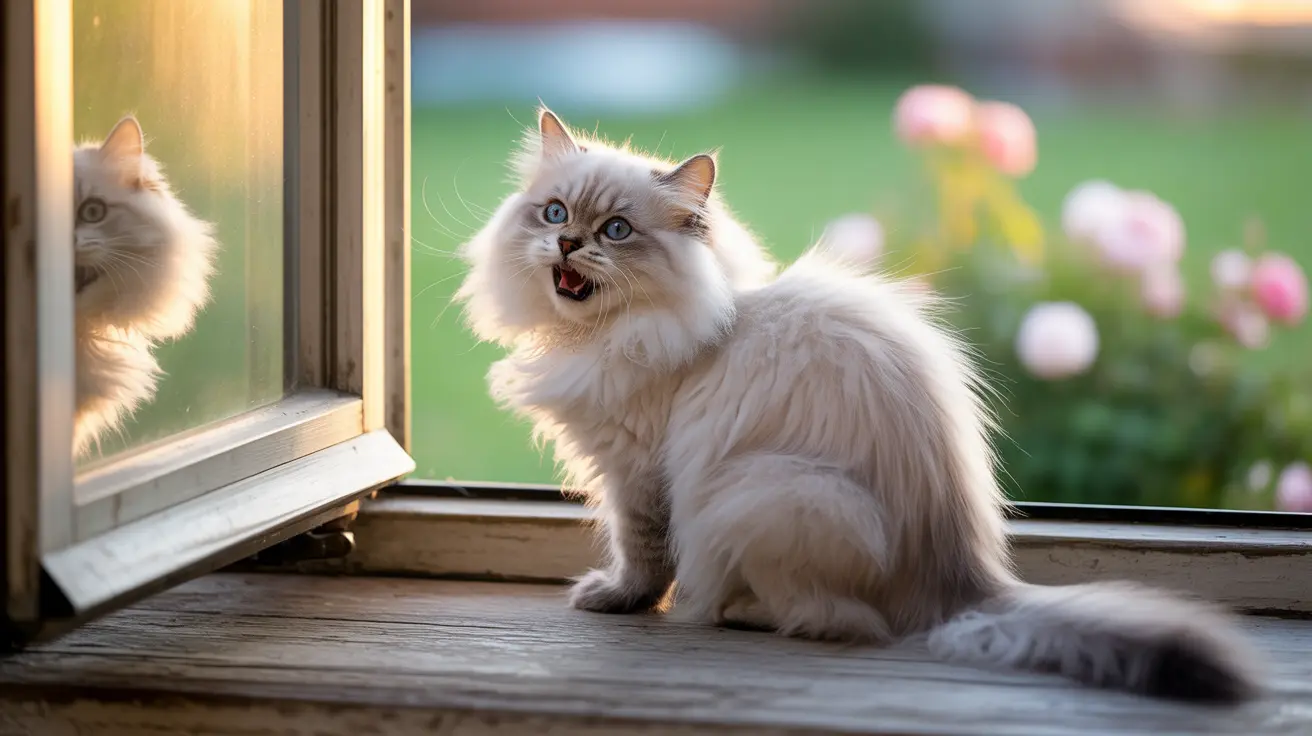
Have you ever wondered why cats suddenly start yelling during breeding? If you’ve heard those loud, unexpected cries, you’re not alone—and there’s a reason behind this surprising behavior.
Understanding why your cat makes these noises can help you feel more connected to your pet and ease any worries you might have. Keep reading, because what you learn here will change the way you see your cat’s most intense moments.
Credit: www.petscare.com
Cat Mating Behavior
Cat mating behavior can seem intense and even alarming if you’ve never witnessed it before. It’s a complex mix of sounds and actions that serve specific purposes in the breeding process. Understanding these behaviors helps you recognize why cats might yell and act the way they do during mating.
Typical Sounds During Breeding
Yelling is one of the most noticeable sounds during cat mating. Female cats often emit loud, sharp cries. These sounds aren’t just random noise; they signal discomfort and attract males.
Male cats may also vocalize, but their sounds tend to be softer and more persistent. The female’s loud yells can seem surprising, but they play a key role in the mating ritual. Have you ever wondered why your usually quiet cat suddenly becomes so noisy? This is usually why.
Physical Actions Accompanying Yelling
Along with yelling, female cats often display physical reactions like biting the male’s neck and scratching. These actions help hold the male in place during the mating process. They might look aggressive, but this behavior is normal and necessary.
Male cats typically mount the female and hold her with their front paws. The female’s vocalizations and movements are signs of the mating process being physically intense. If you see your cats acting this way, it’s a natural part of their reproductive behavior—not a fight.
Reasons Behind Yelling
Cats often make loud sounds during mating. These noises might seem strange but serve important purposes. Understanding why cats yell helps us learn more about their behavior. Several reasons explain this vocal activity during breeding.
Pain And Discomfort
Breeding can cause physical discomfort to cats, especially females. The mating process is quick but intense. The male’s barbed penis can cause pain when withdrawn. This pain often leads to loud cries from the female. Yelling signals the discomfort she feels during mating.
Communication Between Cats
Yelling acts as a form of communication between cats during breeding. The female’s cries may tell the male to stop or slow down. Males also vocalize to show dominance or readiness. These sounds help coordinate mating behaviors. They keep both cats aware of each other’s actions.
Hormonal Influences
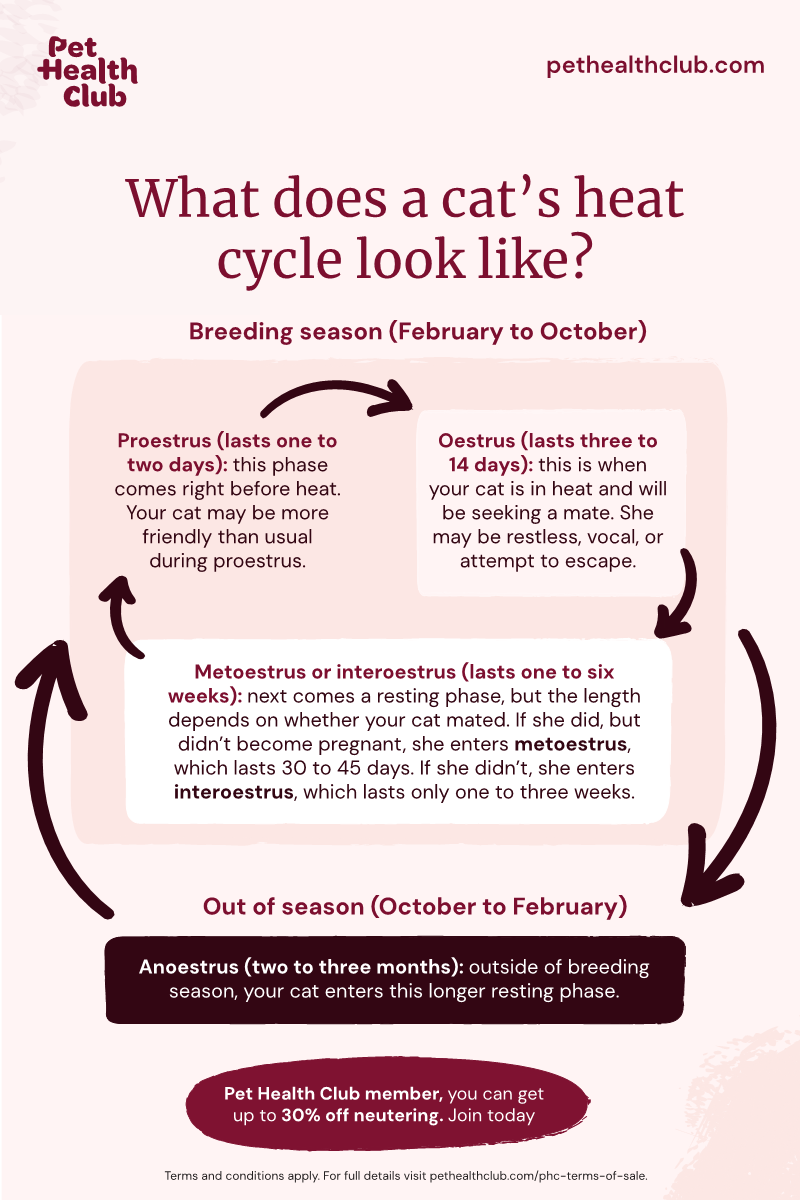
Hormones play a big role in cats’ vocal behavior during breeding. Female cats in heat release strong hormones. These hormones cause restlessness and vocal outbursts. The male’s hormones increase aggression and drive to mate. Yelling reflects the intense hormonal changes during this time.
Female Cat’s Role
The female cat plays a crucial role in the breeding process, and her reactions often explain why cats yell during mating. Understanding her behavior can help you better interpret these loud vocalizations. Her body’s natural processes and responses to the male’s actions create this unique communication.
Induced Ovulation Process
Unlike many animals, female cats are induced ovulators. This means they only release eggs after mating occurs. The physical stimulation from the male triggers ovulation, which is a key reason why the female might vocalize loudly.
This process can be uncomfortable or even painful for the female. The male’s barbed penis causes irritation, prompting her to cry out. These vocal signals are her way of expressing this intense sensation.
Reaction To Male’s Actions
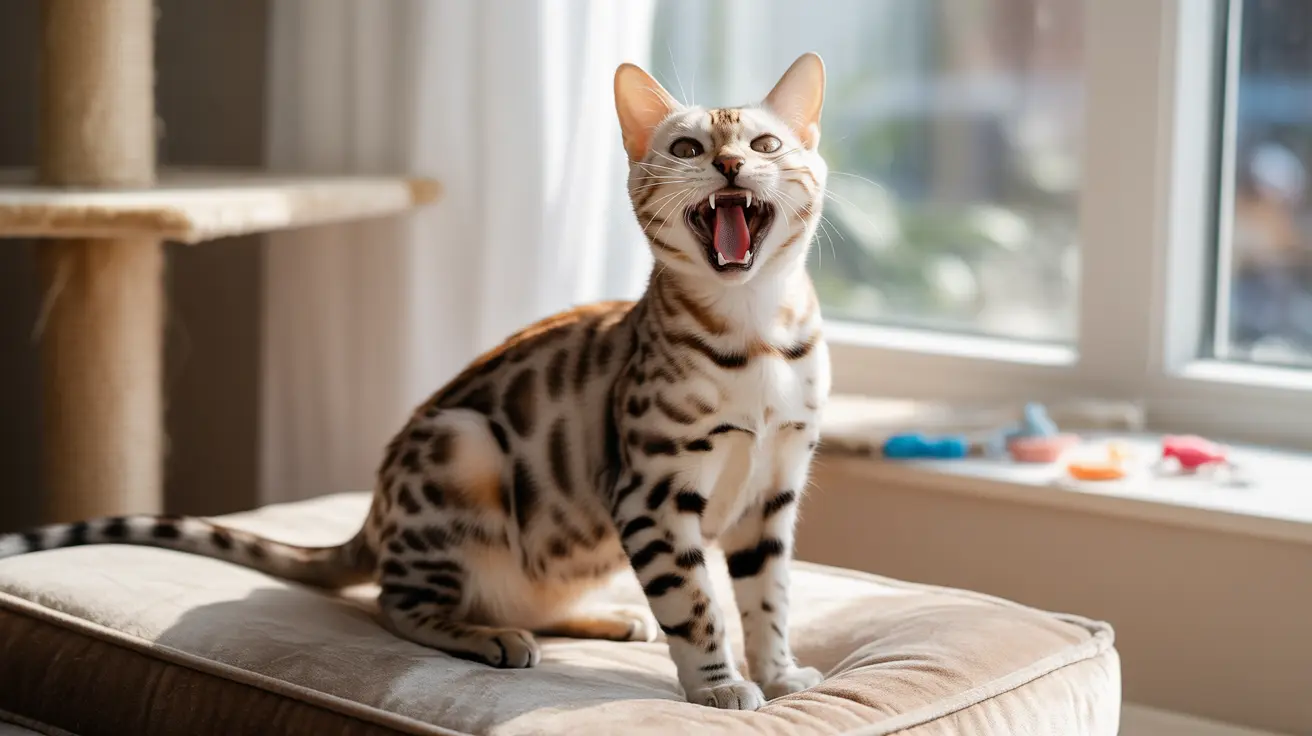
The female’s response to the male’s mounting and biting behaviors is very vocal. She may hiss, growl, or scream to signal her discomfort or to warn the male. These sounds can be startling if you’re not familiar with cat breeding behavior.
Her vocalizations also serve to communicate boundaries and readiness. Sometimes, the noise is a sign that she is receptive, and other times it warns the male to be gentler. Paying attention to these cues helps you understand her comfort level during mating.
Credit: www.petscare.com
Male Cat’s Role
The male cat plays a crucial role during breeding. His actions and reactions influence the entire mating process. Understanding this role helps explain why cats often yell during mating.
Male cats use specific behaviors to ensure successful mating. Their vocalizations are part of communication with the female. These sounds can seem loud or strange to humans but have clear purposes in cat interactions.
Mating Techniques
Male cats approach females carefully, using scent and body language. They often bite the female’s neck gently to hold her in place. This grip helps prevent the female from moving away quickly.
During mating, the male cat’s movements can cause discomfort to the female. This is normal and part of the process. The male’s role is to be firm but not harmful.
Response To Female Vocalizations
Female cats often yell or scream during mating. This vocalization signals pain or discomfort. The male cat reacts to these sounds by adjusting his behavior.
Sometimes the male cat also vocalizes in response. His sounds can show dominance or encourage the female to stay. This call and response help coordinate the mating process.
Impact On Cat Behavior
Cats yell during breeding due to pain and excitement. This loud vocalization signals stress and helps communicate between mates. Such behavior is normal and affects how cats interact during mating.
Cats are fascinating creatures with complex behaviors that sometimes leave us scratching our heads. One intriguing aspect of their behavior is the way they yell during breeding. This vocalization can have a significant impact on their behavior, affecting their interactions and social dynamics. Understanding these changes can help you foster a better environment for your feline friends.Post-mating Aggression
After mating, it’s not uncommon for cats to exhibit aggression. This can be puzzling if you’re not prepared for it. The male cat, in particular, may become aggressive towards the female, a behavior that’s believed to be a natural response to the physical act of mating. The female cat may also display aggression, often as a way to establish her personal space. This behavior can sometimes extend to their human companions. If your cat seems more irritable or aggressive post-mating, consider giving them some space to calm down.Changes In Social Dynamics
The social dynamics among cats can shift dramatically after breeding. Cats that were once friendly may suddenly become distant or even hostile. This change can be temporary, but it’s important to monitor their interactions. In multi-cat households, these shifts can affect the harmony among your pets. You might notice a change in their hierarchy or see previously submissive cats asserting themselves. To maintain a peaceful environment, observe their behavior and intervene if necessary to prevent fights. Have you ever noticed these behaviors in your own cats? Understanding these changes can lead to a happier, more harmonious home for both you and your pets.When To Be Concerned
Not all cat yelling during breeding is normal. Sometimes, it signals a problem that needs your attention. Knowing when to be concerned can help protect your cat’s health and wellbeing.
Signs Of Injury Or Distress
If your cat’s cries sound unusually loud or desperate, it could mean pain or injury. Watch for limping, swelling, or bleeding around the genital area. Sudden changes in behavior, like hiding or refusing to eat, often point to distress.
Have you noticed your cat pacing nervously or vocalizing more than usual after mating? These can be subtle hints that something isn’t right. Pay attention to any signs of aggression or withdrawal as well.
When To Consult A Vet
Contact your vet immediately if your cat shows any signs of injury or distress during or after breeding. Persistent yelling, difficulty walking, or excessive bleeding are red flags. Early intervention can prevent serious complications.
Even if you’re unsure, it’s better to be cautious. Your vet can perform a quick checkup to rule out infections or injuries. Remember, your cat relies on you to notice these warning signs before they worsen.
Credit: www.pethealthclub.com
Frequently Asked Questions
Why Do Cats Yell During Mating?
Cats yell during mating due to pain and stress. The male cat’s barbed penis causes discomfort, triggering loud vocalizations. This behavior is natural and signals the female’s sensitivity during breeding.
Is Cat Yelling Normal When Breeding?
Yes, cat yelling is normal during breeding. It results from physical sensations and hormonal changes. Vocalizations help communicate readiness or discomfort to the mate.
How Long Do Cats Yell While Mating?
Cats typically yell briefly during mating. The vocalization lasts a few seconds, coinciding with the male’s withdrawal. This short burst is part of the natural breeding process.
Does Cat Yelling Indicate Aggression In Breeding?
No, yelling doesn’t indicate aggression during breeding. It mainly reflects pain and excitement. Cats use these sounds to express their feelings, not hostility.
Conclusion
Cats yell during breeding to communicate and express discomfort. It helps them signal readiness or distress to their partner. This behavior is natural and part of their mating process. Understanding these sounds can help you care for your pets better.
Remember, yelling does not always mean pain but is often normal communication. Observing your cat closely ensures they stay healthy and stress-free. Knowing why cats yell helps you support their needs calmly and kindly.




Leave a Reply