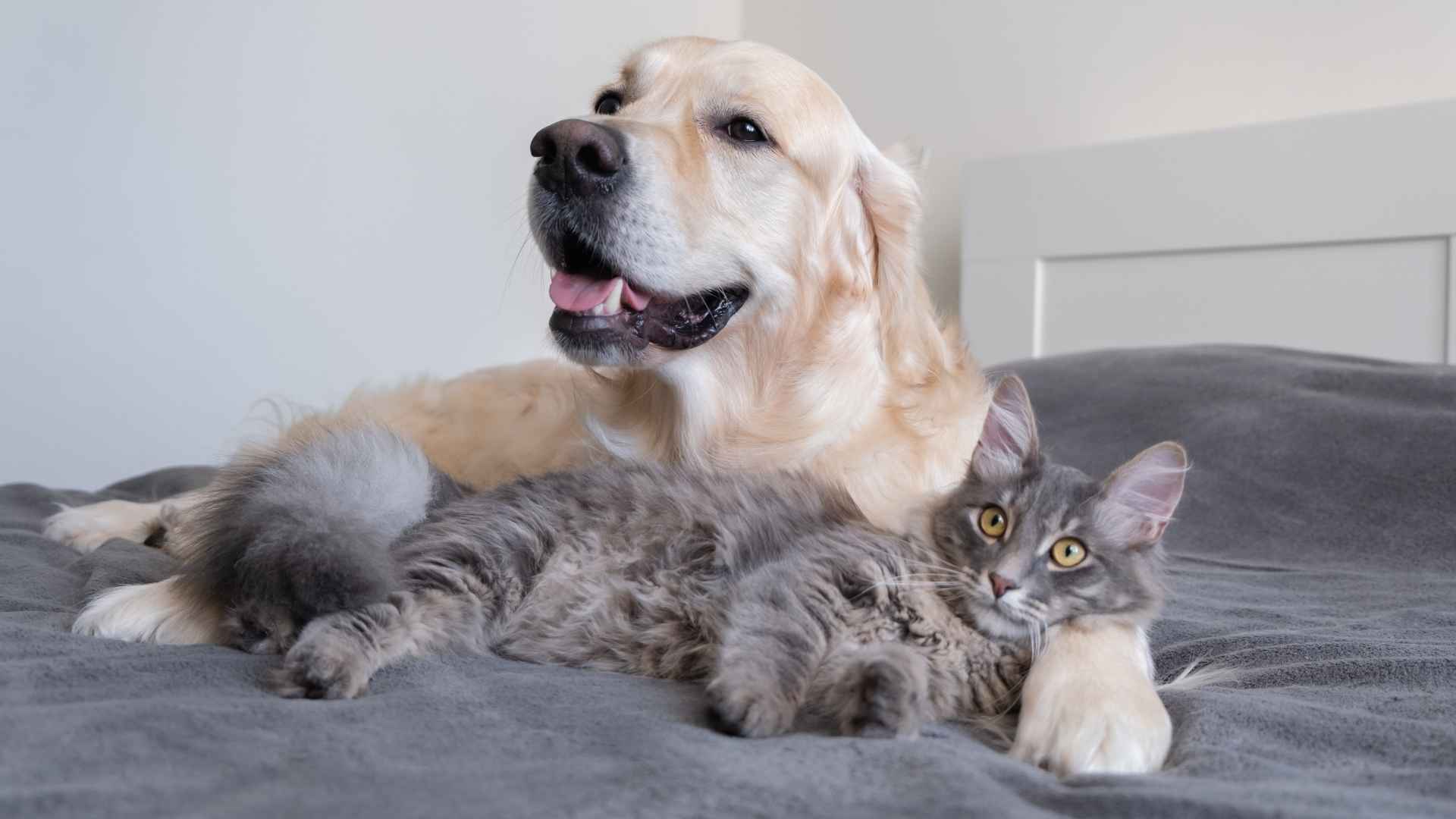
Have you ever watched your cat carefully licking a dog and wondered, “Do cats groom dogs?” It’s a surprising sight that makes you question how these two very different pets interact.
Understanding why your cat might groom your dog can reveal a lot about their bond and behavior. If you want to uncover the secrets behind this unusual friendship and what it means for your furry family, keep reading. This could change the way you see your pets forever.

Credit: www.mybiga.org
Cat Grooming Behavior
Cats are meticulous groomers, spending a significant part of their day keeping clean. Understanding their grooming behavior offers insights into their health, social interactions, and even their emotions. When you watch a cat grooming itself or another animal, you might wonder what drives this behavior and what it means for their relationships.
Why Cats Groom Themselves
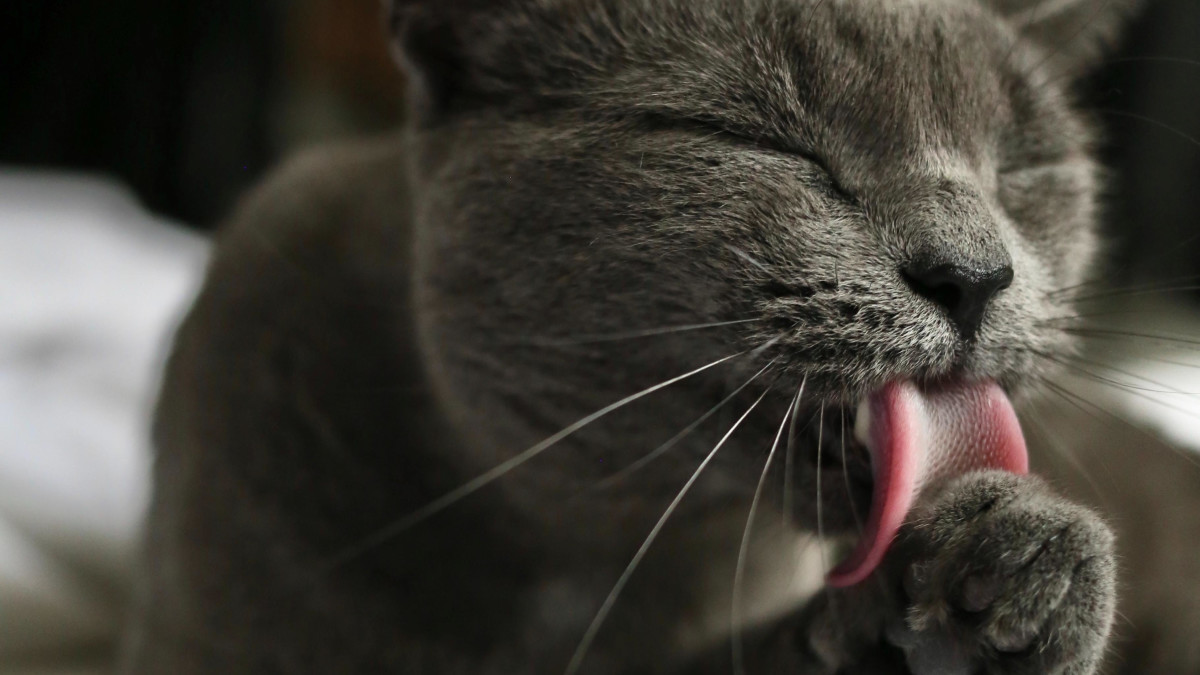
Cats groom themselves to stay clean and comfortable. Their tongues have tiny, hook-like structures that help remove dirt and loose fur effectively.
Grooming also regulates their body temperature and stimulates blood flow. If you notice your cat grooming excessively, it might indicate stress or a skin problem, so keep an eye on any changes.
Have you seen how calm your cat looks after a grooming session? That’s because grooming releases endorphins, making them feel relaxed and happy.
Social Grooming Among Cats
Cats don’t just groom themselves—they groom each other too. This social grooming helps build bonds and reduce tension within a group.
When cats lick or nibble each other, they’re sharing scents and reinforcing trust. You might notice this behavior between cats that live together or have a close friendship.
Have you ever observed a cat grooming a dog? While not as common, it can happen and often shows an unusual but strong bond between the two pets.
Interactions Between Cats And Dogs
Interactions between cats and dogs can be surprising and varied. Some cats and dogs form close bonds, while others keep their distance. Understanding these interactions can help you create a peaceful home environment for both pets.
Common Cat-dog Relationships
Many cats and dogs share a home and develop unique relationships. Some become playful companions, chasing each other around and sharing toys. Others coexist quietly, respecting each other’s space without much interaction.
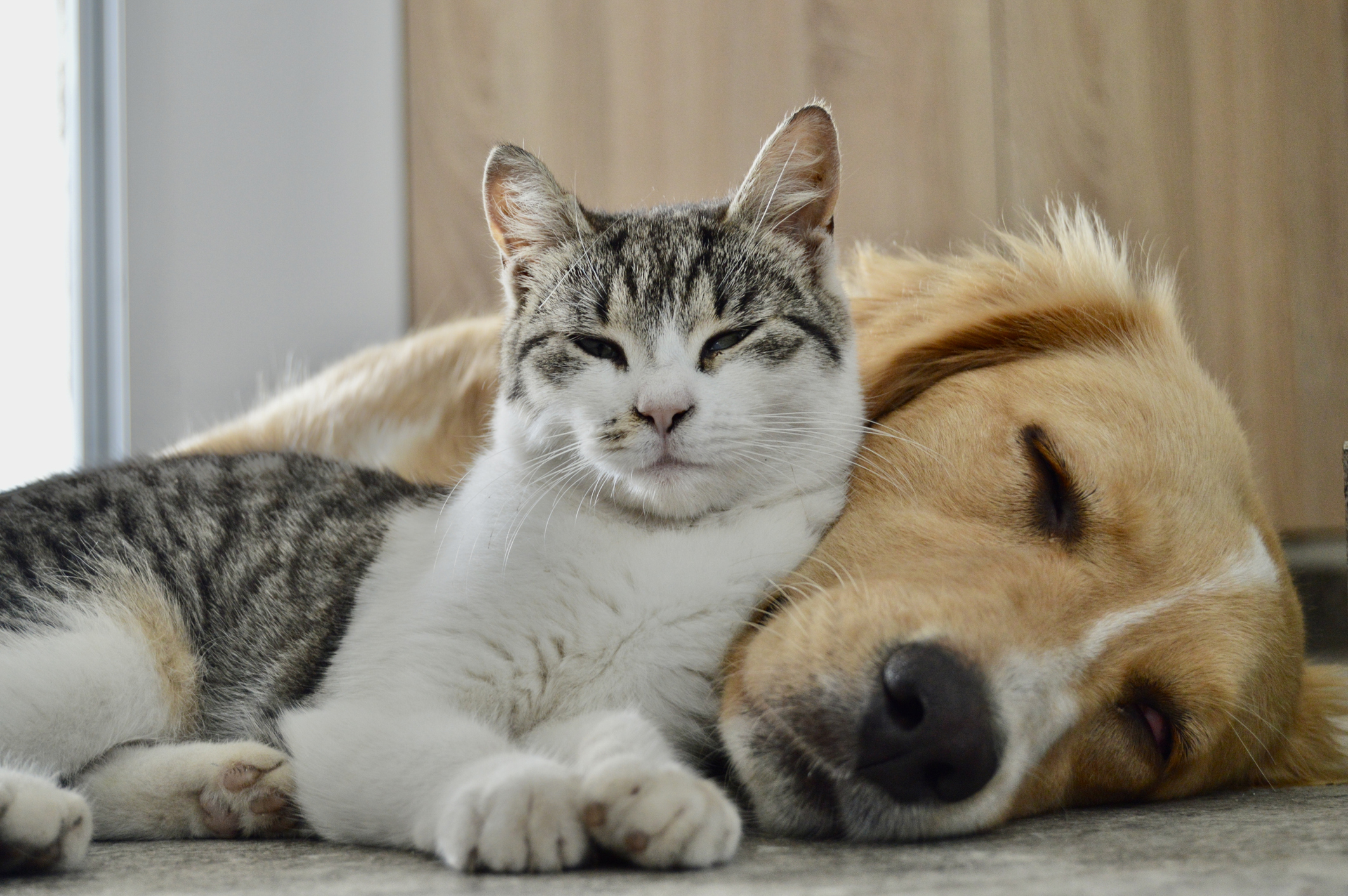
In other cases, a dog may act as a gentle guardian, while the cat offers calm companionship. You might see cats grooming dogs, which is a sign of trust and affection. Each relationship depends on the pets’ personalities and how you introduce them.
How Cats React To Dogs
Cats react to dogs in different ways depending on their past experiences and temperament. Some cats feel threatened and hide, while others stay curious and approach dogs cautiously. Watch your cat’s body language—flattened ears or a puffed-up tail signal discomfort.
Have you noticed your cat grooming a dog? This behavior shows acceptance and can reduce tension between them. Encouraging positive interactions like shared meals or playtime can help your cat feel more comfortable around dogs.
Cats Grooming Dogs
It might surprise you to see a cat licking a dog, but cats do groom dogs sometimes. This behavior isn’t just random; it reflects complex social bonds and communication between these two very different animals. Understanding why cats groom dogs can deepen your appreciation of their relationship and help you create a more peaceful home for your pets.
Instances Of Cats Grooming Dogs
Have you ever noticed your cat gently licking your dog’s fur or even nibbling at their ears? This often happens when the animals share a strong bond or live in the same household for a long time. Cats usually choose calm, tolerant dogs as their grooming companions.
Sometimes, cats groom dogs after playtime or during quiet moments. The licking can be brief or last several minutes, depending on how relaxed both pets feel. It’s not unusual to see this behavior after a stressful event, as grooming helps both animals calm down.
- Cats grooming dogs during shared naps
- Licking dogs’ faces or paws to show affection
- Cleaning areas that dogs can’t easily reach
Reasons Behind This Behavior
Why do cats groom dogs? One major reason is social bonding. Grooming is a way cats show trust and friendship, even toward animals of another species.
This behavior also helps cats mark dogs with their scent, signaling a sense of family or territory. When you see your cat grooming your dog, think of it as a sign they accept the dog as part of their social group.
Another reason is stress relief. Grooming releases calming hormones for cats, and dogs often enjoy the attention, creating a positive feedback loop. Could this mutual grooming be a secret to peace between your pets?
Understanding these reasons can help you encourage positive interactions. If your cat starts grooming your dog, let them continue if both seem comfortable. It’s a natural way to build harmony in your pet family.
Benefits Of Cross-species Grooming
Cross-species grooming between cats and dogs is more than just a cute behavior. It brings several important benefits that improve their relationship and well-being. Understanding these benefits helps pet owners appreciate this unusual bond.
Bonding And Trust
Grooming builds a strong connection between cats and dogs. It shows acceptance and comfort in each other’s presence. This act reduces stress and creates a sense of safety. Pets that groom each other often develop deeper trust. It helps them communicate without words. This trust can lead to better cooperation and fewer conflicts.
Health And Hygiene Advantages
Grooming helps keep both pets clean. Cats can reach places dogs cannot, removing dirt and loose fur. This reduces the risk of skin infections and parasites. Grooming also stimulates blood flow, which promotes healthy skin. Regular grooming lowers shedding and allergens in the home. It supports overall pet health by maintaining a clean coat and skin.
Factors Influencing Grooming
Cats might groom dogs due to social bonding or curiosity. Their grooming behavior can reflect affection or establish hierarchy. Understanding these factors helps in recognizing the nuances of interspecies relationships.
Factors influencing whether a cat might groom a dog are numerous and varied. While it might seem unusual, grooming is a behavior rooted in instinct, and several elements can contribute to this cross-species interaction. Understanding these factors can shed light on the dynamics of such a unique relationship.Personality And Temperament
Cats, just like humans, have distinct personalities. A cat with a nurturing temperament may be more inclined to groom a dog, especially if they perceive the dog as part of their social group. Consider your own pets: does your cat often snuggle or play with your dog? Such behaviors indicate a bond that might extend to grooming. On the other hand, a more independent or aloof cat may not engage in grooming activities. It’s essential to respect your pet’s personality. Forcing interactions could lead to stress or tension, so allow these behaviors to develop naturally.Environment And Upbringing
The environment in which your pets are raised plays a significant role in their interactions. Cats and dogs that grow up together from a young age are more likely to develop a strong bond. This bond can manifest in grooming, as they see each other as siblings or part of the same family. A peaceful, stress-free environment encourages positive interactions. If your home is filled with love and calmness, your pets are more likely to engage in affectionate behaviors. Have you noticed your pets’ behavior change with shifts in your household’s atmosphere? Reflect on how you can create a nurturing environment. Small changes in daily routines or introducing new toys can positively impact their relationship. Observing your pets closely can provide insights into their unique friendship.When Grooming Becomes Problematic
Watching a cat groom a dog can be a heartwarming sight, but sometimes this behavior can lead to tension or discomfort. When grooming crosses the line, it’s important to recognize the signs and step in before things escalate. Understanding when grooming becomes problematic helps keep both pets happy and safe.
Signs Of Stress Or Aggression
Pay close attention to your pets’ body language during grooming sessions. Look for signs like growling, hissing, flattened ears, or a stiff tail, which indicate stress or aggression. Your dog might try to pull away or snap, and your cat may suddenly swat or bite if feeling overwhelmed.
Sometimes subtle signs like a tucked tail or avoiding eye contact are easy to miss but just as important. If your pets stop grooming each other and start ignoring one another, it could mean the interaction is no longer enjoyable. Have you noticed your dog’s fur standing on end or your cat’s pupils dilating? These are cues to intervene.
How To Manage Grooming Conflicts
When grooming conflicts arise, create a calm space where both pets can retreat. Separate them gently if tensions rise, and allow time for them to relax. Use positive reinforcement to reward peaceful behavior during grooming times.
Try redirecting your cat’s grooming energy with toys or brushing sessions focused on them alone. For your dog, regular baths and brushing can reduce their need for extra grooming from the cat. Setting boundaries is key; don’t force grooming interactions if either pet seems uncomfortable.
- Observe and respond quickly to signs of discomfort.
- Provide separate resting areas for each pet.
- Offer plenty of attention and care individually.
- Consult a vet or animal behaviorist if aggressive behaviors persist.
Have you noticed your pets showing stress during grooming? What steps have you taken to keep their interactions positive? Your attention to these details can make a big difference in their relationship.
Encouraging Positive Interactions
Encouraging positive interactions between cats and dogs can create a peaceful home where both pets feel safe and valued. These interactions often start with careful introductions and can evolve into mutual grooming, which strengthens their bond. Understanding how to guide this relationship helps you avoid stress and promotes harmony.
Tips For Introducing Cats And Dogs
Start by letting your pets get used to each other’s scent. Swap bedding or gently rub a cloth on one pet and place it near the other. This helps reduce the shock of their first face-to-face meeting.
Choose a calm, neutral space for their initial encounters. Keep your dog on a leash and allow your cat to approach in their own time. Watch their body language closely—relaxed tails and curious noses mean progress.
Use positive reinforcement like treats and praise to reward calm behavior. If your dog gets too excited or your cat hides, pause and try again later. Patience is key to building trust between them.
Promoting Mutual Grooming
Mutual grooming is a sign of trust and friendship between cats and dogs. You can encourage this by creating a comfortable environment where they feel secure together.
Try gently brushing your cat while your dog is nearby and calm. Sometimes, dogs will imitate this behavior and start licking your cat softly. Have treats ready to reward any gentle grooming attempts.
Ask yourself: how often do you notice your pets grooming each other naturally? If it’s rare, don’t worry. Focus on building small moments of calm companionship, and mutual grooming may follow as a natural next step.
Credit: www.newsweek.com

Credit: missmeow.ae
Frequently Asked Questions
Do Cats Groom Dogs Naturally?
Yes, cats sometimes groom dogs as a social bonding behavior. It shows trust and comfort between the pets. This mutual grooming helps strengthen their relationship and reduce stress for both animals.
Why Do Cats Lick Dogs’ Fur?
Cats lick dogs to clean their fur and share scents. This behavior promotes a sense of community and safety. It also helps cats mark dogs as part of their social group.
Can Cats And Dogs Groom Each Other Safely?
Generally, yes. Cats and dogs grooming each other is safe if both animals are healthy. Monitor their interactions to prevent accidental scratches or bites during grooming sessions.
Does Grooming Reduce Pet Stress Between Cats And Dogs?
Absolutely. Mutual grooming releases calming pheromones and reduces anxiety. This shared activity helps maintain harmony and positive interactions in multi-pet households.
Conclusion
Cats sometimes groom dogs, showing unusual but sweet behavior. This act can mean trust and friendship between them. Grooming helps pets feel calm and cared for. Not all cats do this, but some enjoy it. Watching these moments can bring joy to pet owners.
It’s a small reminder of how animals connect in their own ways. Pets often surprise us with their kindness and bonds. Understanding these actions helps us care for them better. Keep observing your pets’ habits to learn more about their world.


Leave a Reply