Have you ever noticed your cat yowling while playing with a toy and wondered why? It can be confusing and even a little worrying to hear those loud cries during what should be a fun moment.
Understanding why your cat yowls with a toy can help you connect better with your furry friend and make playtime more enjoyable for both of you. You’ll discover the surprising reasons behind this behavior and learn how to respond in ways that keep your cat happy and healthy.
Keep reading—what you find out might change the way you play with your cat forever.
Credit: headsupfortails.com
Cat Yowling Behavior
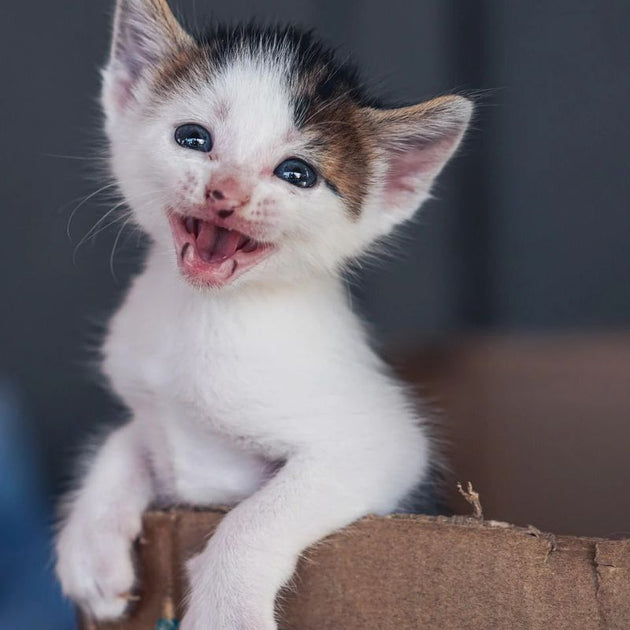
Cat yowling behavior can be puzzling, especially when it happens during playtime with toys. Many cat owners find themselves wondering why their furry friend suddenly lets out loud, drawn-out cries while chasing a feather or batting a ball. Understanding the reasons behind this vocal behavior helps you respond better and strengthens your bond with your pet.
Common Cat Vocalizations
Cats use a variety of sounds to communicate. These include meows, purrs, hisses, growls, chirps, and yowls. Each vocalization has a different meaning depending on context and tone.
Yowling is a louder and more intense vocalization compared to a meow. It often sounds like a long, drawn-out “aaaah” or “owww.” You might hear it:
- When a cat is in distress or pain
- During mating season, as a call to potential mates
- When a cat feels territorial or threatened
- In moments of excitement, such as during play
What Yowling Signals
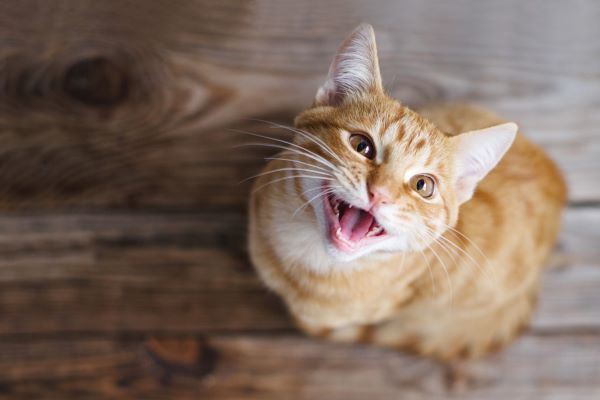
When your cat yowls while playing with a toy, it might be expressing excitement or frustration. Sometimes, the yowl is a way to mimic how they would communicate with prey in the wild.
Think about your cat pouncing on a toy mouse and suddenly letting out a yowl. This could be a sign of intense focus or an attempt to “claim” the toy. It’s their way of showing ownership or even an invitation to keep playing.
On the other hand, if the yowling sounds distressed, it could indicate that your cat is overwhelmed or annoyed. Have you noticed if the yowling stops when you slow down the play or change the toy? Paying attention to these clues can help you adjust your interactions to keep playtime fun and stress-free.
Yowling During Play
Have you noticed your cat yowling while playing with their toys? This vocalization might seem odd, but it actually reveals a lot about your cat’s emotional and mental state during playtime. Understanding why your cat yowls can help you connect better and even improve their play experience.
Excitement And Stimulation
Your cat’s yowling often signals high excitement. When they engage with a toy, their energy levels spike, and yowling becomes a way to express that thrill.
Think about the last time you watched your cat chase a feather or a laser pointer. The yowls are like bursts of joy and stimulation as they focus intensely on their “prey.”
Have you tried observing if the yowls happen more with certain toys? Toys that mimic real prey, like small moving objects or noisy toys, can trigger louder and more frequent yowling.
Hunting Instincts Triggered
Yowling during play can also be a sign that your cat’s natural hunting instincts are activated. This is especially true if they are stalking, pouncing, or biting their toys.
When cats hunt in the wild, they use vocalizations to communicate with others or to express the intensity of the chase. Your indoor cat is tapping into this instinct, even if their prey is a simple toy.
If you notice your cat yowling more during hunting-style play, it might mean they’re deeply engaged and mentally satisfied. You can enhance this by using interactive toys that encourage stalking and pouncing.
Emotional Reasons
Understanding your cat’s yowling when playing with a toy often requires looking beyond just physical reasons. Emotional triggers play a big role in how cats communicate, especially during playtime. These vocalizations can reveal what your cat truly feels, helping you respond better to their needs.
Seeking Attention
Sometimes, your cat yowls because they want your focus. Cats quickly learn that making noise gets your attention, especially if you usually respond by engaging with them or offering treats. If your cat’s yowling increases around playtime, it might be their way of asking you to join in more actively.
Think about your own experience: have you ever ignored a friend’s call for a moment, only to have them raise their voice? Cats do the same. Try responding with more playtime or gentle petting and notice if the yowling decreases.
Expressing Frustration
A cat’s yowl can also signal frustration during play. If the toy moves too fast or unpredictably, your cat might feel teased or unable to catch it. This can lead to vocal complaints as a way to express their irritation.
Have you ever felt annoyed when something just slips out of your grasp repeatedly? Your cat experiences similar feelings. Adjusting the pace of play or offering easier-to-catch toys can reduce this frustration and the accompanying yowling.
Credit: bowwowinsurance.com.au
Health-related Causes
Cats may yowl with toys due to pain or discomfort from health issues. Illness or injury can make play uncomfortable, causing vocal reactions. Watch for other signs like limping or changes in behavior to spot possible health problems.
Cats yowling with toys can sometimes signal health issues. Understanding these signs helps you care for your furry friend better. Cats use yowling to communicate discomfort, pain, or changes.Pain Or Discomfort
Cats hide pain well, but yowling might reveal their discomfort. If your cat yowls while playing, it might be in pain. Maybe it has an injury or a sore spot. Arthritis or dental issues can also cause distress. Check for limping or sensitivity to touch. A visit to the vet can help identify any underlying problems.Age-related Changes
Older cats often experience cognitive changes. These changes can lead to confusion or anxiety. Yowling might increase as your cat ages. Seniors might feel lost or disoriented, even in familiar surroundings. Hearing loss is common in older cats. They may yowl to hear themselves or get attention. Regular vet check-ups can help monitor their health and comfort.How To Respond To Yowling
Hearing your cat yowl while playing with a toy can be confusing or even alarming. How you respond can shape your cat’s behavior and emotional state. Understanding the right approach helps keep playtime fun and stress-free for both of you.
Encouraging Positive Play
When your cat yowls during play, it might be expressing excitement or frustration. Instead of stopping the game abruptly, try redirecting their energy with new toys or different play styles. Use interactive toys like feather wands or laser pointers to engage your cat’s hunting instincts in a controlled way.
Notice what triggers the yowling. Is it when the toy moves too fast, or when your cat can’t catch it? Adjust the pace and intensity to keep your cat interested but not overwhelmed.
Reward calm behavior with treats or gentle petting. This teaches your cat that quiet play leads to positive attention. You might find that your cat starts to yowl less and enjoy the interaction more.
When To Consult A Vet
Persistent yowling during play could signal more than just excitement. If your cat’s vocalizations are loud, prolonged, or accompanied by signs of pain or distress, it’s time to check with a vet.
Health issues like dental pain, arthritis, or sensory problems might make play uncomfortable. Your vet can help rule out medical causes and recommend treatment if needed.
Also, if your cat suddenly starts yowling during play after a long period of silence, consider a vet visit. Changes in behavior often point to underlying health concerns you don’t want to miss.

Credit: felinefancy.co.uk
Frequently Asked Questions
Why Does My Cat Yowl When Playing With Toys?
Cats yowl during play to express excitement or frustration. It can also mimic hunting behaviors or signal overstimulation. Understanding this helps improve playtime and bonding with your cat.
Is Cat Yowling With Toys A Sign Of Distress?
Not always. Yowling often shows excitement or frustration, not distress. Watch for other signs like hiding or aggression to identify true distress.
Can Yowling Mean My Cat Wants More Playtime?
Yes, yowling can signal your cat wants extended play. It’s their way of asking for more stimulation and interaction.
How Can I Reduce My Cat’s Yowling During Play?
Use interactive toys and shorter play sessions. Provide mental stimulation and avoid overstimulating to minimize yowling.
Conclusion
Cats yowl with toys to express excitement or frustration. They may want attention or try to show their hunting skills. Watching your cat’s behavior helps you understand their needs better. Playing with your cat often can reduce yowling and build trust.
Remember, every cat is different and may have unique reasons. Stay patient and enjoy these moments together. Your cat’s yowl is a way to communicate. Listen closely and respond with care. This strengthens your bond and keeps your cat happy.



Leave a Reply