
Are you wondering if it’s okay to feed your new kitten the same food you give your adult indoor cat? You want to make sure your little furry friend gets the right nutrition to grow strong and healthy.
But is adult indoor cat food enough for their special needs? Knowing the answer could save your kitten from potential health problems and help you avoid costly mistakes. Keep reading to find out what’s best for your kitten’s diet and how to give them the best start in life.
Kitten Nutritional Needs
Kittens have special nutritional needs that differ from adult cats. Their bodies grow fast, and they need the right food to support this rapid growth. Feeding kittens food designed for adults might not give them all the nutrients they need. Proper nutrition helps kittens develop strong bones, muscles, and a healthy immune system.
Growth Requirements
Kittens grow quickly during their first year. Their food must support this fast growth. Kitten food contains more protein and fat than adult cat food. These nutrients help build muscle and provide energy. Kittens also need extra vitamins and minerals to support healthy development.
Caloric Intake
Kittens burn more calories than adult cats. They need food with higher calories to keep up their energy. Adult cat food often has fewer calories per serving. Feeding adult food to kittens can leave them hungry or undernourished. Proper calories help kittens stay active and strong.
Key Nutrients For Development
- Protein:Essential for muscle growth and repair.
- Fat:Provides energy and supports brain development.
- Calcium and Phosphorus:Important for strong bones and teeth.
- DHA:A fatty acid that supports eye and brain health.
- Vitamins:Help maintain a healthy immune system.
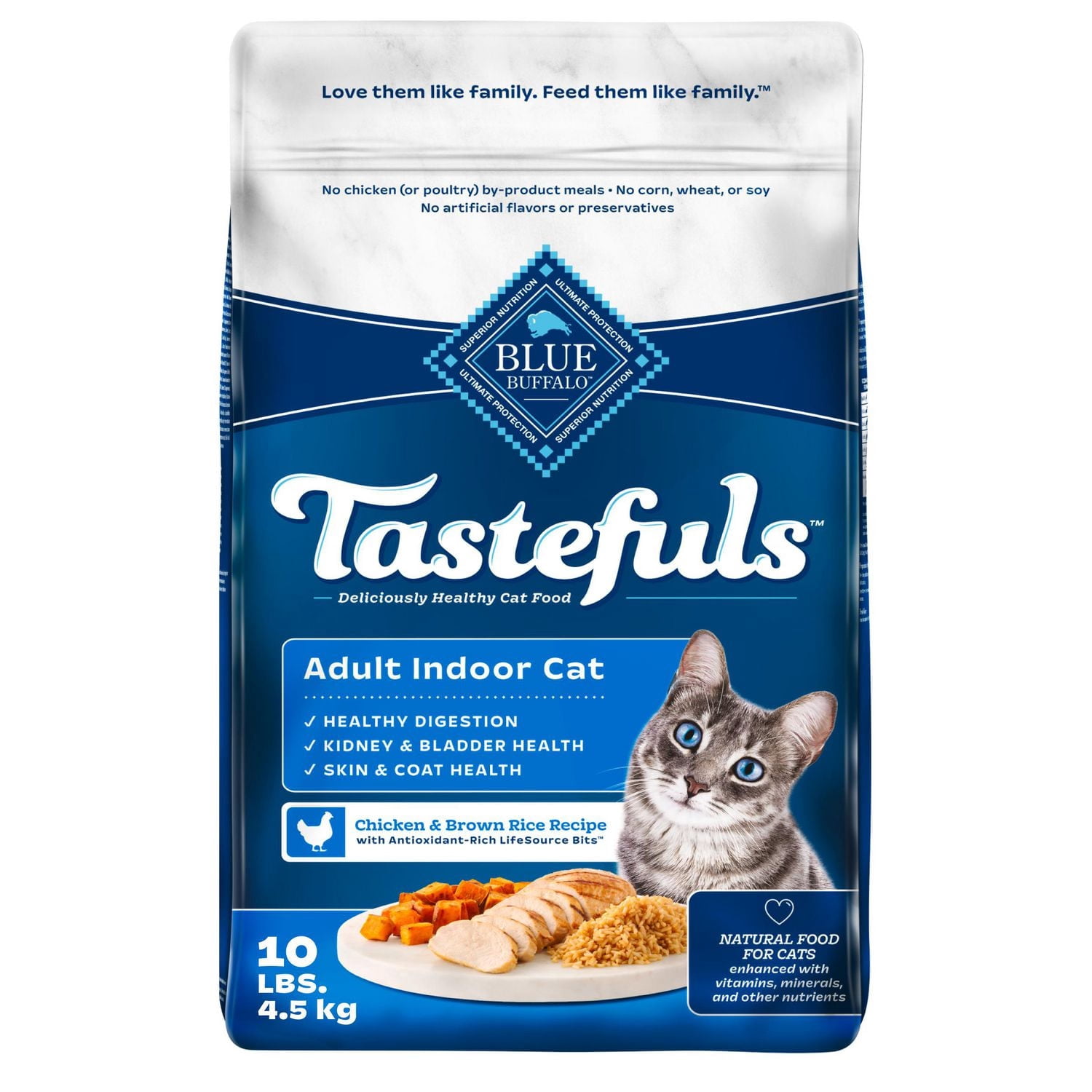
Credit: www.walmart.ca
Differences In Adult Cat Food
Adult cat food differs from kitten food in many ways. These differences support the unique needs of adult cats. Kittens need more nutrients to grow. Adult cats require balanced nutrition for maintenance. Understanding these differences helps you make better feeding choices.
Nutrient Composition
Adult cat food has lower protein than kitten food. Kittens need more protein for muscle growth. Adult formulas contain nutrients for overall health and weight control. Vitamins and minerals vary to match life stage needs. Taurine and fatty acids remain important but in adjusted amounts.
Calorie Density
Adult cat food usually has fewer calories. Kittens burn more energy and need calorie-rich food. Adult cats are less active and need controlled calorie intake. This helps prevent obesity and related health issues. Feeding adult food to kittens may slow their growth.
Ingredient Variations
Ingredients in adult cat food focus on digestion and joint health. Fiber content can be higher to aid digestion. Ingredients like glucosamine support joint function in older cats. Kitten food uses richer ingredients to fuel growth and development. Protein sources may differ slightly to suit life stage requirements.
Risks Of Feeding Adult Food To Kittens
Feeding your kitten adult indoor cat food might seem like a convenient option, but it carries several risks that could affect your kitten’s growth and health. Kittens have unique dietary needs that adult cat food doesn’t meet. Ignoring these differences can lead to problems that may not be obvious immediately but can impact your kitten’s wellbeing over time.
Nutritional Deficiencies
Kittens need more protein, fat, vitamins, and minerals than adult cats to support their rapid growth and development. Adult indoor cat food is formulated with lower levels of these nutrients because adult cats don’t require as much energy. Feeding your kitten adult food may leave them without enough essential nutrients, leading to weak bones, poor muscle development, and even a compromised immune system.
Have you ever noticed your kitten lagging behind in energy or playfulness? This could be a sign that their diet isn’t meeting their nutritional needs. Ensuring your kitten gets the right nutrients is crucial for healthy growth.
Digestive Issues
Kittens’ digestive systems are still maturing and are more sensitive than those of adult cats. Adult indoor cat food often contains higher fiber and different ingredient blends that can be hard for kittens to digest. This can cause upset stomachs, diarrhea, or constipation, making your kitten uncomfortable and potentially leading to dehydration.
Think about how you would feel eating a diet meant for adults when you’re still growing. Your kitten’s tummy feels the same. Feeding them food that’s too rich or too fibrous can disrupt their digestion and slow down their progress.
Long-term Health Effects
What happens if you keep feeding your kitten adult cat food as they grow? The risks don’t just stop at immediate problems. Long-term, your kitten may develop chronic health issues such as obesity, dental problems, and weakened bones.
Adult indoor formulas often have fewer calories to prevent weight gain in less active cats. However, your kitten needs those calories for energy and development. Skimping on calories now can lead to stunted growth or other permanent health setbacks.
Would you want your kitten to miss out on their full potential just because of the wrong food choice? Paying attention to their diet today can help ensure a healthier, happier cat tomorrow.

Credit: weareallaboutcats.com
When Adult Indoor Cat Food May Be Suitable
Feeding a kitten the right food is crucial for its growth. Sometimes, adult indoor cat food might be suitable. This depends on a few factors. Understanding these will help ensure your kitten’s health and wellbeing. Let’s explore when adult indoor cat food could be appropriate for kittens.
Age Considerations
Kittens grow quickly and need special nutrition. Typically, kittens need kitten food up to 12 months. But if a kitten is closer to one year, adult food may work. Ensure it has enough nutrients for growth.
Veterinarian Recommendations
Always consult a vet before changing a kitten’s diet. Vets know what’s best for your kitten’s health. They can advise if adult food is okay. They consider your kitten’s health, weight, and activity level.
Special Formulations
Some adult indoor cat foods are suitable for all life stages. These can be good for kittens too. Check the label for essential nutrients. Make sure it supports growth and development. Read carefully for protein and fat content. Kittens need more protein and fat than adults.
Transitioning From Kitten To Adult Food
Switching your kitten from their special kitten food to adult indoor cat food is an important step in their growth. This change supports their developing body and matches their new nutritional needs. Knowing when and how to make this switch can keep your kitten healthy and happy.
Timing The Switch
Your kitten’s growth rate slows down around 9 to 12 months of age, which is usually the right time to start switching to adult food. If you feed adult indoor cat food too early, your kitten might miss out on nutrients needed for growth. Wait until their rapid growth phase ends, but don’t delay too long—feeding kitten food past one year is unnecessary and can lead to weight gain.
Have you noticed changes in your kitten’s energy or appetite? These can be signs it’s time for the switch.
Gradual Changes
Transitioning your kitten’s diet should be slow and steady to avoid stomach upset. Start by mixing a small amount of adult indoor cat food with their kitten food. Over 7 to 10 days, increase the adult food portion until it completely replaces the kitten food.
- Day 1-3: 75% kitten food, 25% adult food
- Day 4-6: 50% kitten food, 50% adult food
- Day 7-9: 25% kitten food, 75% adult food
- Day 10: 100% adult food
This slow change helps your kitten’s digestive system adjust comfortably.
Monitoring Your Kitten’s Health
Watch how your kitten reacts during the transition. Look for signs like diarrhea, vomiting, or loss of appetite. If any of these happen, slow down the switch or consult your vet.
Also, keep an eye on their weight and energy levels. A healthy transition means your kitten stays active and maintains a steady weight. Regular vet check-ups can help track their health during this phase.
Are you ready to make this important change in your kitten’s diet with care and attention?
Credit: www.nofrills.ca
Alternative Feeding Options
Choosing the right food for a growing kitten is vital for its health and development. Adult indoor cat food often lacks the nutrients kittens need. Exploring alternative feeding options can help provide balanced nutrition tailored to a kitten’s unique needs. These options support healthy growth and strong immune systems.
Kitten-specific Foods
Kitten-specific foods are designed with extra protein and fat. They include essential vitamins and minerals for growth. These foods support brain development and strong bones. Many brands offer wet and dry options for kittens. Feeding kitten-specific food ensures the young cat gets proper nutrition.
Homemade Diets
Homemade diets give control over ingredients and quality. A balanced homemade meal includes protein, fats, and some carbohydrates. Fresh meats like chicken or turkey are good choices. Vegetables can provide fiber and vitamins, but keep them minimal. Consult a vet to avoid missing vital nutrients in homemade meals.
Supplements For Growth
Supplements can fill nutritional gaps in a kitten’s diet. Common supplements include omega-3 fatty acids and calcium. These support brain development and bone strength. Use supplements only after consulting a veterinarian. Over-supplementing can cause health problems in kittens.
Tips For Choosing Quality Cat Food
Choosing the right food for your kitten is very important. Quality cat food helps your kitten grow strong and stay healthy. Kittens have different needs than adult cats. Picking the best food means paying attention to details on the label and what ingredients are inside. This guide helps you find the best food for your kitten.
Reading Labels
Check the label carefully. Look for protein sources like chicken, fish, or turkey at the top. Protein is key for kitten growth. Avoid foods with vague terms like “meat by-products.” The label should also show the food meets AAFCO standards. This means it has the right nutrients for cats.
Avoiding Fillers
Fillers add bulk but no real nutrition. Common fillers include corn, wheat, and soy. These can cause allergies or digestion problems in some cats. Choose foods with fewer fillers and more real meat. This keeps your kitten’s diet rich and healthy.
Trusted Brands
Buy from brands known for quality and safety. Trusted brands test their foods and use good ingredients. They follow strict rules to keep your pet safe. Check customer reviews and ask your vet for recommendations. A reliable brand gives peace of mind about what you feed your kitten.
Frequently Asked Questions
Can Kittens Eat Adult Indoor Cat Food Safely?
Kittens need more nutrients than adult cats. Adult indoor food lacks enough protein and fat for growth. Feeding kittens adult food may slow their development. Always choose food formulated specifically for kittens to support their health and energy needs.
What Are Risks Of Feeding Kittens Adult Cat Food?
Adult cat food has less essential nutrients for kittens. This can lead to poor growth, weak immunity, and malnutrition. Kittens require higher calories, vitamins, and minerals. Feeding them adult food regularly may cause health issues or developmental delays.
When Can A Kitten Switch To Adult Indoor Cat Food?
Kittens can switch to adult food around 12 months old. By then, their growth slows and nutrient needs match adults. Transition gradually over 7-10 days to avoid digestive upset. Consult your vet for the best timing based on your kitten’s health.
Is Indoor Cat Food Suitable For Kittens’ Energy Needs?
Indoor cat food is lower in calories and fat to prevent weight gain in adults. Kittens need higher energy intake to support rapid growth. Indoor formulas may not provide enough nutrition for kittens. Opt for kitten-specific food for adequate energy and development.
Conclusion
Kittens need special food to grow strong and healthy. Adult indoor cat food lacks the right nutrients for kittens. Feeding only adult food may cause health problems later. Kitten food supports their energy and development needs. Always choose food made for kittens during their first year.
This helps your kitten stay active and happy. Remember, good nutrition builds a healthy cat for life. Take care with their diet to give them the best start.



Leave a Reply