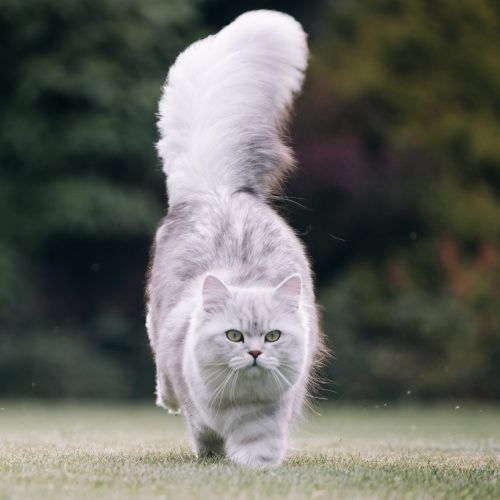
Have you ever seen a cat walk backwards and wondered why it does that? It might seem strange or even funny, but there’s more to this behavior than meets the eye.
Understanding why your cat walks backwards can reveal important clues about its health. If you want to keep your furry friend happy and safe, you need to know what this unusual movement might mean. Keep reading, and you’ll discover the surprising reasons behind your cat’s backward walk and how it could impact its well-being in 2019 and beyond.
Credit: english.elpais.com
Cat Behavior Insights
Understanding cat behavior helps decode their unusual actions. Cats use body language to communicate feelings and health. Observing their movements reveals much about their mood and condition. Some behaviors are common and easy to explain. Others, like walking backwards, are rare and puzzling.
Common Cat Movements
Cats often stretch to stay flexible. They paw at things to explore or play. Tail position shows their emotions clearly. Slow blinking means trust and calmness. Most cats walk forwards with smooth, steady steps.
They also pounce when hunting or playing. Grooming themselves keeps cats clean and relaxed. These movements are normal and help cats feel safe.
Rare Walking Patterns
Walking backwards is an unusual cat behavior. It may signal fear or confusion. Sometimes cats back away to avoid danger. Other times, they do it due to illness or injury. Certain neurological problems can cause strange walking.
Watching these rare patterns helps detect health issues early. Always check with a vet if your cat walks oddly. Understanding these signs supports your cat’s well-being.

Credit: www.bps.org.uk
Reasons For Backward Walking
Cats walking backwards can seem unusual. This behavior may have several reasons. Understanding why cats walk backward helps owners care better. The causes fall into three main groups. These include medical issues, environmental triggers, and behavioral factors.
Medical Causes
Health problems often lead to backward walking in cats. Pain or injury in the legs or paws can cause this. Neurological conditions may affect their balance or coordination. Inner ear infections can disrupt their sense of direction. Arthritis or joint stiffness can make forward walking painful.
Sometimes, cats walk backward due to muscle weakness. This behavior may signal a serious condition. A vet visit is important to rule out illness.
Environmental Triggers
Cats may walk backward because of their surroundings. Slippery floors or tight spaces can confuse them. Strange objects or noises might startle a cat. They may retreat while walking backward to stay alert. Unfamiliar environments can cause cautious, backward steps.
Changes in the home, like new furniture, might also trigger this behavior. Cats use backward walking to avoid danger or discomfort.
Behavioral Factors
Some cats walk backward out of habit or play. This can be a way to attract attention. Cats may use backward walking during interactions with humans or other pets. It can also show uncertainty or fear.
In some cases, backward walking is a form of self-expression. Cats communicate feelings through body language, including their movement.
Health Issues Linked To Walking Backwards
Cats walking backwards can signal health problems. This unusual behavior often points to underlying issues. Understanding these health risks helps pet owners act fast. Early detection can improve a cat’s quality of life. Below are common health issues linked to walking backwards in cats.
Neurological Disorders
Neurological disorders affect a cat’s brain and nerves. These can cause confusion and poor coordination. Cats may walk backwards due to problems in their nervous system. Conditions like brain injury or nerve damage lead to this behavior. Sometimes infections or tumors in the brain cause walking backwards.
Injuries And Pain
Injuries cause pain and limit a cat’s movement. Cats might walk backwards to avoid hurting a sore paw or leg. Joint pain from arthritis can also change how cats walk. Limping or reluctance to move forward may indicate injury. Watching for signs of pain helps catch injuries early.
Vestibular Problems
The vestibular system controls balance and spatial orientation. Problems here can make cats dizzy or off-balance. Cats with vestibular issues may walk backwards to steady themselves. Ear infections often affect this system and cause imbalance. Vestibular disease is common in older cats and affects walking patterns.
When To Consult A Vet
Understanding when to consult a vet about your cat’s health is crucial. Cats sometimes exhibit unusual behaviors like walking backward. While this may seem amusing or harmless, it could signal underlying health issues. Knowing when to seek veterinary advice can make a significant difference in your cat’s well-being.
Warning Signs
Several warning signs indicate the need for a vet consultation. If your cat walks backward frequently, it might be a concern. Pay attention to other symptoms like loss of balance, disorientation, or changes in appetite. These signs often suggest an underlying health problem. Behavioral changes such as increased aggression or lethargy also warrant a vet visit. Do not ignore any unusual vocalizations or breathing difficulties.
Diagnostic Tests
Vets use diagnostic tests to identify the root cause of your cat’s behavior. A physical exam is usually the first step. It helps assess overall health and detect visible issues. Blood tests can reveal infections or metabolic disorders. Imaging tests like X-rays or ultrasounds may be needed. These tests provide a detailed view of internal organs and structures. Neurological exams might be necessary to rule out brain-related causes.
Treatment Options
Treatment depends on the diagnosis. Medication is often prescribed for infections or metabolic issues. Diet changes might be recommended to improve nutritional balance. Surgery could be necessary for certain conditions, such as tumors. Physical therapy can help with mobility issues. Regular follow-ups ensure the treatment is effective and adjust if needed. Always follow your vet’s advice for the best care.
Preventing Backward Walking
Preventing your cat from walking backwards can significantly improve their overall well-being and safety. Backward walking may signal discomfort, balance issues, or other health problems. Taking proactive steps can help you spot early signs and create a supportive environment for your feline friend.
Safe Home Environment
Creating a safe space for your cat reduces the chances of accidents that might lead to backward walking. Remove sharp objects, slippery rugs, and clutter from your cat’s favorite areas. Consider adding non-slip mats or soft carpets to help your cat move confidently without slipping.
Have you noticed your cat hesitating near certain spots? That hesitation could be a sign that the area feels unsafe or confusing to them. Adjusting the environment can make a big difference in how your cat navigates your home.
Regular Health Checkups
Schedule regular vet visits to catch health issues before they affect your cat’s movement. Problems with joints, vision, or the nervous system can cause backward walking. Early diagnosis helps your vet recommend treatments or therapies that keep your cat mobile and comfortable.
Pay attention to subtle changes in your cat’s behavior or walking pattern. Even slight limping or reluctance to jump could hint at underlying problems. Your vet can guide you on the best course of action to prevent further complications.
Proper Nutrition
Good nutrition supports strong muscles and healthy joints, which are essential for your cat’s balance and movement. Feed a diet rich in omega-3 fatty acids, vitamins, and minerals to maintain their physical health. Avoid sudden changes in diet that might upset their system and affect their energy levels.
Think about your cat’s favorite foods—are they also nutritious? Sometimes, adding supplements recommended by your vet can improve mobility and reduce the risk of backward walking. Nutrition plays a bigger role than you might expect in your cat’s overall stability.
Interesting Cat Facts
Cats have always fascinated us with their mysterious and quirky behaviors. Some actions seem puzzling, like why cats might walk backwards sometimes. Understanding these interesting cat facts can deepen your connection with your feline friend and even help spot health issues early.
Unique Cat Behaviors
Have you noticed your cat walking backwards? It’s not just a random act. Cats sometimes do this to keep an eye on potential threats while moving away slowly.
Besides walking backwards, cats exhibit other unusual behaviors like kneading with their paws or suddenly sprinting around the house. These actions help them stay agile and mentally stimulated.
Pay attention to how your cat moves and reacts. Changes in behavior might signal discomfort or health problems you could address sooner.
Surprising Animal Adaptations
Cats are equipped with amazing adaptations that support their survival. Their flexible spine allows them to twist and turn mid-air, which helps when they fall.
Walking backwards can also be a strategic move. It lets cats retreat quietly without turning their back fully on a threat, showing a natural defense mechanism.
Think about how these adaptations help cats stay alert and safe. What other behaviors in your cat could be linked to such clever survival skills?

Credit: bowwowinsurance.com.au
Frequently Asked Questions
Why Do Cats Walk Backwards Sometimes?
Cats walk backwards to avoid threats or navigate tight spaces. It helps them stay alert and maintain balance. This behavior often signals caution or curiosity about their surroundings.
Is Walking Backwards A Health Issue For Cats?
Walking backwards is usually not a health problem. However, sudden or frequent backward walking may indicate neurological or balance issues. Consult a vet if this behavior is persistent or unusual.
How Does Walking Backwards Benefit A Cat’s Health?
Walking backwards improves a cat’s coordination and spatial awareness. It strengthens muscles and enhances flexibility. This natural behavior supports their overall physical and mental health.
When Should I Worry About My Cat Walking Backwards?
Worry if your cat walks backwards often and seems disoriented. Signs like stumbling, weakness, or head tilting need immediate vet attention. Early diagnosis ensures better treatment and recovery.
Conclusion
Cats walking backwards may seem strange but it shows their unique health signals. This behavior can mean balance or joint issues. Watching your cat closely helps catch health problems early. Simple observation keeps your pet safe and happy. Always ask a vet if you notice odd movements.
Understanding your cat’s actions improves their care. Stay aware, and your cat will stay healthy and strong. Small signs matter a lot in pet health. Keep loving and caring for your feline friend every day.



Leave a Reply