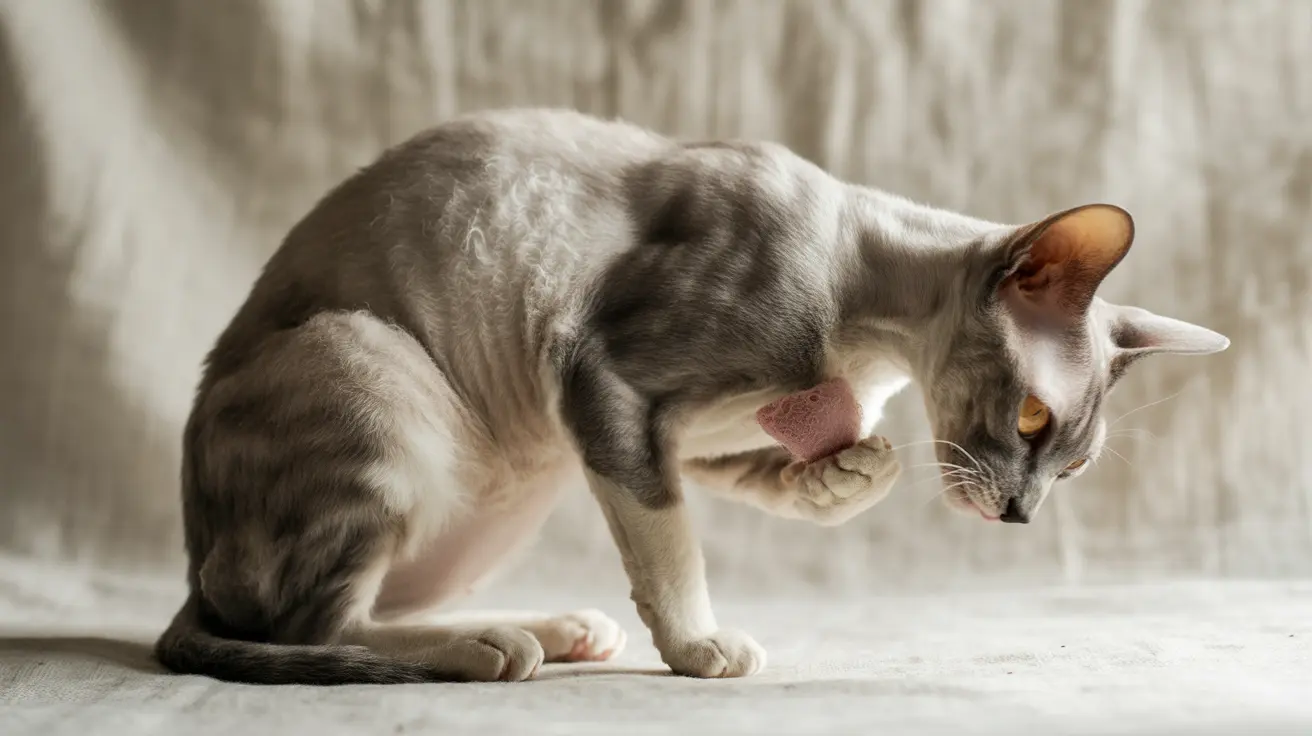
Have you ever noticed your cat pulling his hair out while grooming? It’s worrying to see those bare patches and wonder what’s causing this unusual behavior.
You might be asking yourself, “Is my cat in pain? Is something wrong with his skin? ” Understanding why your furry friend is doing this is key to helping him feel comfortable and healthy again. Keep reading to discover the surprising reasons behind this behavior and what you can do to stop it before it gets worse.
Your cat’s well-being depends on it.
Common Grooming Habits
Understanding your cat’s grooming habits is key to noticing when something is off. Cats spend a significant part of their day grooming to keep clean and comfortable. Observing what normal grooming looks like can help you spot when your cat is pulling hair out excessively.
Normal Cat Grooming Behavior
Cats usually groom themselves several times a day using their tongue to clean fur and remove loose hair. This behavior helps regulate body temperature, reduce stress, and strengthen their bond with you if they groom you back. Typically, grooming sessions are calm and brief, lasting a few minutes at a time.
You might see your cat licking areas like the face, neck, and back in a gentle, rhythmic way. Occasional scratching or nibbling on fur is normal, as they remove dirt or detangle fur. Does your cat seem relaxed or focused but not frantic during these moments? That’s a good sign of normal grooming.
When Grooming Becomes Excessive
Excessive grooming means your cat spends an unusually long time licking, biting, or scratching, sometimes causing bald patches. This behavior can indicate discomfort, stress, or health issues like allergies or parasites. If your cat starts pulling out hair or creating sores, it’s time to pay attention.
Have you noticed your cat grooming more after changes in environment or routine? Stress can trigger overgrooming as a coping mechanism. Also, skin conditions or fleas might cause itching that leads to hair pulling.
Watch for signs like redness, swelling, or scabs on the skin. These indicate your cat’s grooming is no longer about cleanliness but a reaction to pain or anxiety. Addressing the root cause quickly can prevent further damage and discomfort for your furry friend.

Credit: www.feliway.co.uk
Skin Allergies And Irritations
Skin allergies and irritations are common reasons why your cat might pull his hair out during grooming. These issues can cause intense itching and discomfort, prompting your feline friend to over-groom or scratch excessively. Understanding the root cause of these allergies helps you provide relief and prevent further damage to your cat’s skin.
Food Allergies
Sometimes, your cat’s diet triggers skin problems. Certain proteins or ingredients in cat food can cause allergic reactions, leading to redness, itching, and hair loss.
If you notice your cat scratching more after meals or developing hot spots, consider switching to a hypoallergenic or limited-ingredient diet. Tracking your cat’s reactions to different foods can help identify the culprit.
Environmental Allergens
Just like humans, cats can be sensitive to things in their surroundings. Dust, pollen, mold, and even certain cleaning products can irritate your cat’s skin.
Watch for seasonal flare-ups or changes in your home’s environment that coincide with your cat’s hair-pulling behavior. Regular cleaning and using pet-safe products might ease their discomfort.
Flea Allergies
Fleas are a major cause of skin irritation in cats. Even a single flea bite can cause an allergic reaction known as flea allergy dermatitis, which leads to intense itching and hair loss.
Check your cat carefully for fleas or flea dirt, especially if you notice sudden hair pulling. Consistent flea prevention treatments are crucial in stopping this painful cycle.
Parasites And Infections
Parasites and infections often cause cats to pull their hair out during grooming. These issues irritate the skin and make cats scratch or bite themselves more than usual. Hair loss can result from persistent itching and discomfort. Identifying the cause helps treat the problem effectively.
Fleas And Mites
Fleas are tiny insects that bite cats and cause intense itching. Cats may bite or scratch to relieve the irritation. This behavior can lead to hair loss and skin damage.
Mites are microscopic parasites that live on or under the cat’s skin. They cause severe itching and inflammation. Mite infestations often result in scabs, redness, and hair pulling.
Both fleas and mites spread quickly and need prompt treatment to stop discomfort and hair loss.
Bacterial And Fungal Infections
Bacterial infections happen when skin wounds or scratches get infected. The infection causes redness, swelling, and pain. Cats may lick or chew the area excessively, leading to hair loss.
Fungal infections like ringworm affect the skin and fur. They cause circular patches of hair loss and scaly skin. These infections are contagious and require medical care.
Proper diagnosis and treatment of bacterial or fungal infections reduce hair pulling and improve skin health.
Credit: felinefancy.co.uk
Stress And Anxiety Factors
Cats may pull their hair out due to stress or anxiety. Changes in their environment or routine can trigger this behavior. Identifying and addressing these factors can help reduce their stress levels.
Cats pulling out their hair during grooming can be a distressing sight for any pet owner. While it’s common for cats to groom themselves thoroughly, excessive hair pulling can indicate underlying stress and anxiety issues. Understanding these factors can help you address the root cause and ensure your feline friend remains happy and healthy.Environmental Stressors
Your cat’s environment plays a crucial role in its overall well-being. Changes such as moving to a new home, rearranging furniture, or even introducing new pets can lead to stress. Have you considered whether loud noises or a lack of hiding spaces might be overwhelming your cat? A busy household can also contribute to stress. If your home is often bustling with activity, ensure your cat has a quiet place to retreat. A simple cardboard box or a cozy corner can serve as a sanctuary.Behavioral Triggers
Sometimes, it’s not just the environment but specific behaviors that can trigger anxiety. Does your cat often seem on edge or display sudden aggression? These could be signs of behavioral stress. Observe your cat’s interactions with family members and other pets. Are they getting enough playtime and mental stimulation? Cats need regular engagement to keep boredom and anxiety at bay. Regular play sessions with interactive toys can work wonders for their mental health. Remember, every cat is unique. What stresses one might not affect another. By paying close attention to your cat’s behavior and environment, you can identify and mitigate stressors effectively.Medical Conditions Impacting Skin
Cats may pull their hair out due to several medical issues affecting their skin. These conditions cause discomfort, making cats groom excessively. Understanding these medical causes helps in providing proper care and treatment.
Hormonal Imbalances
Hormones control many body functions, including skin health. When hormone levels drop or rise abnormally, skin problems can follow. Cats with thyroid issues or adrenal gland disorders may scratch and pull fur.
Symptoms of hormonal imbalances include:
- Hair thinning or patchy bald spots
- Dry, flaky, or oily skin
- Changes in appetite or weight
- Lethargy or behavior changes
Veterinarians can test hormone levels and suggest treatments to restore balance. Treating the root cause often reduces hair pulling.
Autoimmune Disorders
Autoimmune diseases make the body attack its own skin cells. This attack causes itching, redness, and hair loss. Common autoimmune skin issues in cats include pemphigus and lupus.
Signs of autoimmune skin problems are:
- Blisters or sores on the skin
- Crusty or scaly patches
- Severe itching and discomfort
- Hair falling out in clumps
These conditions need veterinary diagnosis and immune-suppressing treatments. Early care can prevent worsening symptoms and hair loss.
Identifying Hair-pulling Patterns
Noticing your cat pulling out its hair can be alarming. To understand why this happens, you need to spot clear patterns in the behavior. Identifying these patterns helps you figure out if it’s a sign of stress, health issues, or something else entirely.
Areas Most Affected
Look closely at where your cat is pulling hair. Common spots include the belly, sides, and behind the legs. These areas often show bald patches or thinning fur.
Some cats focus on one spot, while others may pull hair from multiple places. If you see redness, scabs, or swelling, it might mean your cat is irritating the skin by over-grooming.
Have you noticed if your cat’s favorite scratching spot matches an itchy area? This clue can point toward allergies or parasites like fleas.
Timing And Frequency
Pay attention to when your cat pulls its hair out. Is it happening after playtime, during the night, or right after you leave the house? Timing can reveal triggers such as anxiety or boredom.
How often does your cat groom excessively? A few times a day might be normal, but constant grooming lasting hours is a warning sign.
Tracking these moments helps you connect the dots. For example, if your cat pulls hair mainly during stressful events, you might need to create a calmer environment.
Treatment And Prevention Options
Dealing with a cat that pulls out its hair can be stressful. Treatment and prevention focus on stopping this behavior and helping your cat feel better. Understanding the causes helps find the right solution. Careful steps can improve your cat’s health and comfort.
Veterinary Diagnosis
A vet check is essential to find the cause of hair pulling. The vet will examine your cat’s skin and fur closely. Tests may include skin scrapings or allergy checks. Identifying infections, parasites, or underlying illness is key. A clear diagnosis guides effective treatment plans.
Medication And Therapy
Medication often helps calm itching and skin irritation. Antibiotics or antifungal drugs may treat infections. Anti-parasitic treatments remove fleas or mites. Steroids or antihistamines reduce allergic reactions and inflammation. In some cases, behavioral therapy or calming supplements support stress relief.
Environmental Changes
Stress can trigger hair pulling in cats. Changing your cat’s environment may reduce anxiety. Provide quiet spaces and cozy resting spots. Keep a regular feeding and play schedule. Enrich your cat’s environment with toys and scratching posts. Avoid loud noises and sudden changes around your cat.
Credit: www.pumpkin.care
When To Seek Professional Help
Knowing when to seek professional help for your cat’s excessive hair pulling is crucial. While occasional grooming is normal, persistent or intense hair pulling can signal underlying issues. Identifying the right moment to consult a vet can prevent further harm and improve your cat’s well-being.
Signs Of Severe Skin Damage
Look closely at your cat’s skin during grooming. If you notice open sores, bleeding, or raw patches, these are serious warning signs. Constant scratching or biting that leads to scabs or thickened skin means the problem has gone beyond simple irritation.
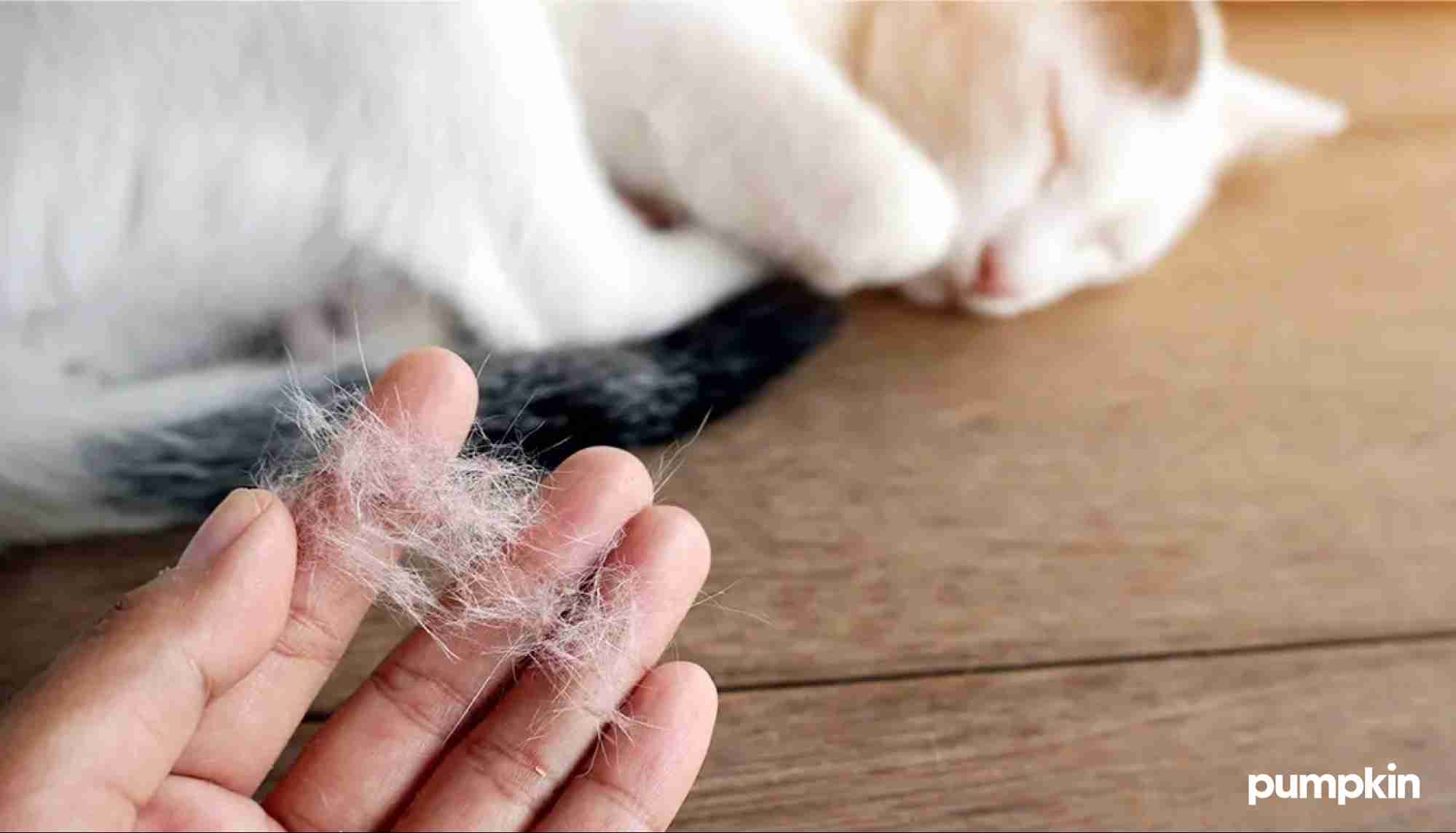
Hair loss in large clumps or bald spots with redness around them also requires urgent attention. These symptoms suggest infections or allergies that only a vet can properly diagnose and treat. Ignoring these signs can lead to painful complications for your cat.
Behavioral Warning Signs
Changes in your cat’s behavior can reveal distress linked to hair pulling. If your cat becomes unusually aggressive, hides more often, or shows signs of anxiety, these behaviors may be connected to discomfort or pain from grooming issues.
Watch for obsessive grooming habits that interfere with eating, sleeping, or playing. These patterns often point to stress or underlying health problems. Have you noticed your cat licking a specific spot relentlessly? That’s a clear sign to get professional advice.
Frequently Asked Questions
Why Does My Cat Pull Hair When Grooming?
Cats may pull hair while grooming due to stress, allergies, or skin irritation. Over-grooming causes hair loss and discomfort. Identifying the root cause helps in providing proper care and treatment.
Can Allergies Cause Cats To Pull Their Hair Out?
Yes, allergies can cause cats to pull hair. Food, fleas, or environmental allergens trigger itching and discomfort. This leads cats to over-groom and lose hair in affected areas.
How Can I Stop My Cat From Pulling Hair?
Address underlying causes like allergies or parasites promptly. Provide a calm environment, regular vet checkups, and proper grooming. Using flea control and soothing shampoos can reduce hair pulling.
Is Hair Pulling A Sign Of Medical Issues In Cats?
Hair pulling can indicate medical problems such as infections, parasites, or hormonal imbalances. It’s important to consult a vet for accurate diagnosis and treatment to prevent further hair loss.
Conclusion
Cats pulling out their hair during grooming can signal stress or health issues. Watch your cat closely for changes in behavior or skin problems. Consulting a vet can help find the cause and give proper treatment. Keeping your cat calm and comfortable supports healthy grooming habits.
Remember, early action helps your cat feel better faster. Stay patient and gentle while caring for your furry friend.



Leave a Reply