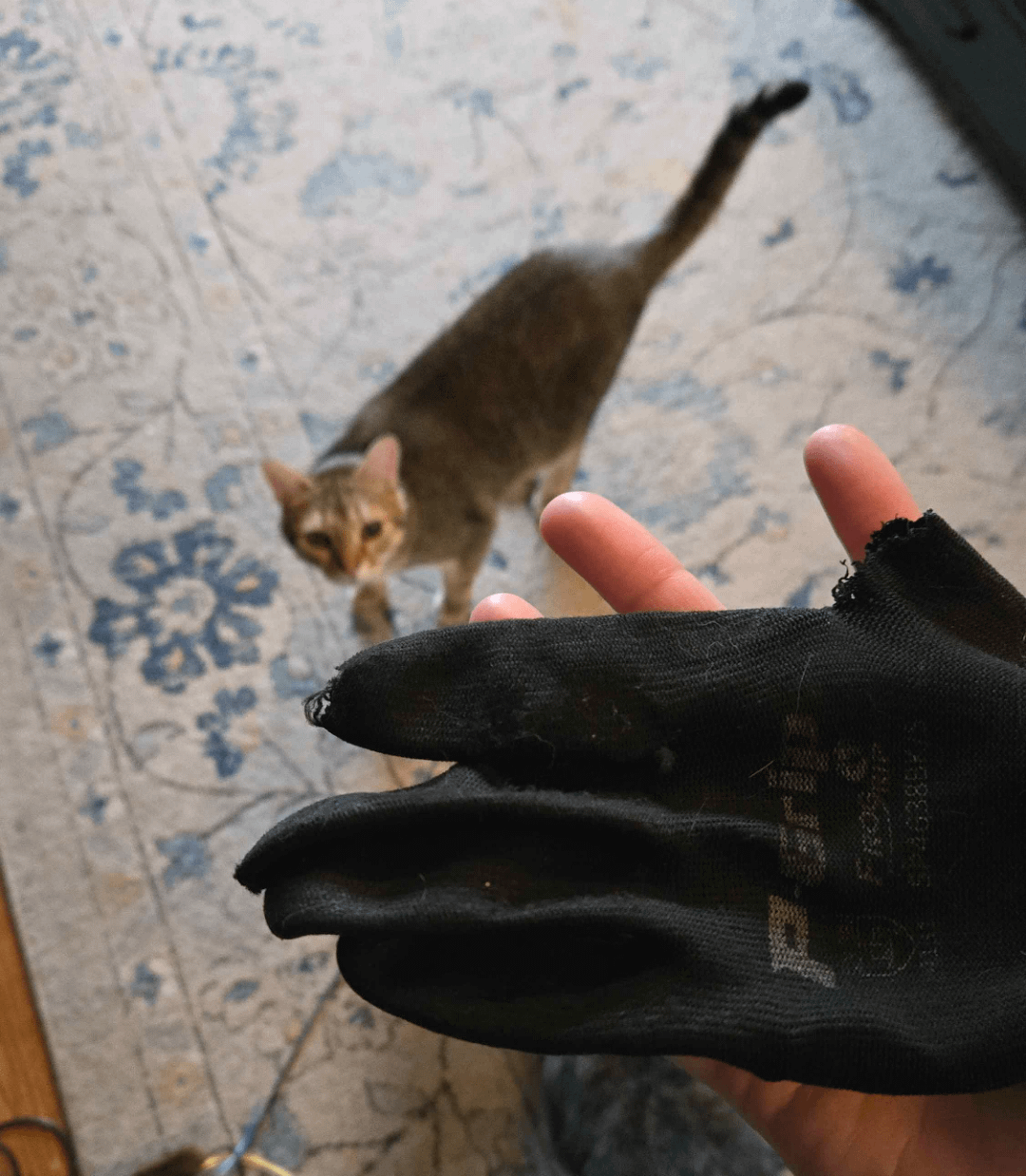
Have you ever caught your cat chewing or even swallowing their toys and wondered if it’s safe? As a cat owner, it’s natural to worry about what your furry friend puts in their mouth.
Toys are meant for fun, not for eating—but cats can be curious and sometimes cross that line. Understanding whether it’s okay for your cat to eat toys isn’t just about peace of mind; it’s about keeping your pet healthy and safe.
Keep reading to discover what you need to watch out for and how to protect your beloved feline from hidden dangers.
Why Cats Chew Toys
Cats chewing on toys is a common behavior that puzzles many pet owners. Understanding why cats chew toys helps in providing the right kind of playthings and care. Chewing satisfies several needs and instincts in cats, making it a natural and important activity.
Natural Instincts
Cats are hunters by nature. Chewing mimics the biting and tearing of prey. This instinct keeps their teeth strong and jaws active. Toys simulate small animals, encouraging natural hunting behavior. Chewing also sharpens their focus and reflexes.
Boredom And Anxiety
Cats chew toys to relieve boredom or stress. A lonely or anxious cat may seek comfort through chewing. Toys provide mental stimulation and physical activity. This reduces destructive behavior and calms their nerves. Chewing offers a safe outlet for restless energy.
Teething In Kittens
Kittens chew toys during teething to ease discomfort. Their gums feel sore as new teeth grow in. Chewing soft toys helps reduce pain and irritation. It also guides proper tooth development. Providing appropriate chew toys supports healthy kitten growth.
Common Types Of Cat Toys
Cat toys come in many shapes and materials, each designed to engage your feline’s natural instincts and keep them active. Understanding the common types of cat toys can help you choose safer options, especially if your cat tends to chew or swallow parts of their toys. Let’s look at some popular categories and what makes them unique for your cat’s playtime.
Soft Plush Toys
Soft plush toys often mimic small animals and are perfect for cats who love to cuddle or carry their toys around. They are usually filled with catnip, which can excite your cat and encourage playful behavior. However, if your cat tends to bite or tear toys, plush toys can pose a risk if stuffing or small parts are ingested.
Have you noticed your cat nibbling on the seams? It might be a good idea to check the toy regularly for wear and replace it before it becomes a hazard.
Rubber And Plastic Toys
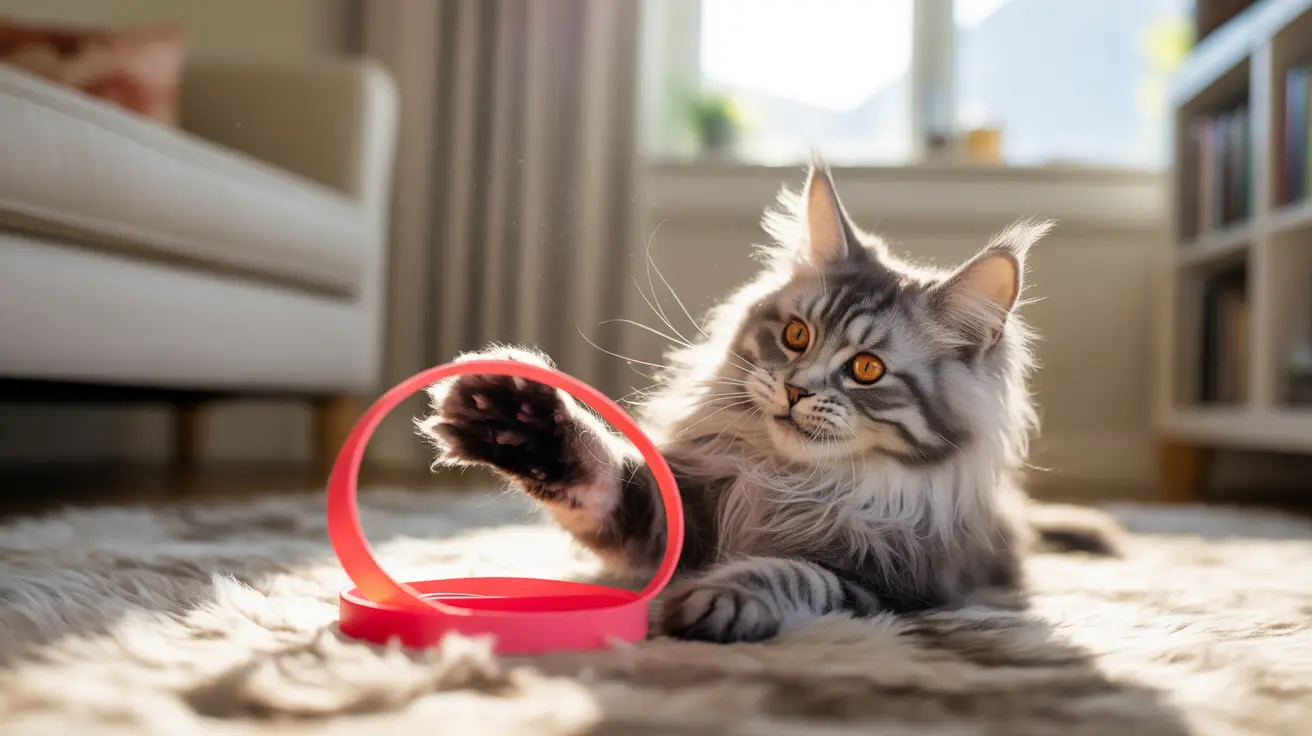
Rubber and plastic toys are durable and come in various shapes, such as balls, mice, or rings. These toys are great for chewing and batting, but watch out for small detachable pieces that could be swallowed. Opt for non-toxic materials to avoid any health issues if your cat chews aggressively.
One tip is to supervise your cat during play sessions with these toys to prevent accidental choking or ingestion of broken parts. Have you ever found tiny bits of plastic around your home after playtime?
Interactive And Electronic Toys
Interactive and electronic toys, like laser pointers or motorized mice, keep cats mentally and physically stimulated. These toys can mimic the unpredictable movements of prey, which appeals to your cat’s hunting instincts. However, batteries and small components can be dangerous if swallowed, so ensure these toys are well-constructed and used under supervision.
Consider how your cat reacts to these toys. Do they get overly excited or frustrated? Managing playtime with these gadgets can help avoid stress and keep your cat safe.
Risks Of Eating Toys
Cats often chew or bite their toys out of curiosity or boredom. This behavior might seem harmless but can lead to serious health problems. Eating parts of toys can cause risks that affect your cat’s safety and well-being. Understanding these risks helps keep your pet safe and happy.
Choking Hazards
Small pieces of toys can easily get stuck in a cat’s throat. This causes choking, which is dangerous and needs quick action. Hard or sharp toy parts increase the chance of choking. Watch your cat closely if it plays with small or breakable toys.
Intestinal Blockages
Swallowing toy fragments can block your cat’s intestines. This blockage stops food from passing and causes pain, vomiting, and loss of appetite. Blockages often require surgery to fix. Large or sharp pieces are more likely to cause this problem.
Toxic Materials
Some toys contain harmful chemicals or paints. If your cat chews or swallows these, it can get poisoned. Toxic materials can cause vomiting, diarrhea, or more serious health issues. Choose safe, non-toxic toys made especially for cats.
Credit: www.petscare.com
Signs Your Cat Ate A Toy
Cats chewing or swallowing toys can cause choking or stomach problems. Watch for vomiting, drooling, or lack of appetite as warning signs. Toys are not safe to eat and need to be kept out of reach.
Cats are curious creatures. They explore their surroundings with their mouths. Sometimes, they chew on toys. This can lead to a cat swallowing parts of the toy. Knowing the signs your cat ate a toy is vital. It helps you act quickly if needed.Behavioral Changes
Cats may show changes in their behavior. They might become more restless or anxious. Some cats hide or act differently than usual. A usually active cat may become lethargic. Watch for these sudden changes.Digestive Issues
Digestive problems are common signs. A cat might vomit or have diarrhea. They may also refuse to eat. Constipation can occur too. These issues can indicate a blockage.Physical Symptoms
Physical signs are also important. A bloated stomach can be a clue. Your cat might also have trouble breathing. You might notice drooling or gagging. These symptoms need attention.What To Do If Your Cat Eats A Toy
Discovering that your cat has swallowed a toy can be alarming. Knowing what to do immediately can make all the difference in keeping your pet safe. Acting quickly and calmly helps you manage the situation without unnecessary panic.
Immediate Steps
First, try to identify what type of toy your cat ate and how much. Check for any choking or breathing difficulties—if your cat is struggling, you need to act quickly. Remove any accessible pieces of the toy from your cat’s mouth if possible, but avoid forcing anything down their throat.
Observe your cat closely for any signs of distress such as drooling, gagging, vomiting, or lethargy. Keep your cat calm and restrict their movement to prevent the toy from causing internal damage. Having a clear idea of what was swallowed will help your vet assess the situation later.
When To See A Vet
Contact your vet immediately if your cat shows symptoms like persistent vomiting, loss of appetite, abdominal pain, or changes in bowel movements. These signs may indicate a blockage or internal injury. Even if your cat seems fine initially, some objects can cause delayed complications.
Bring the toy or its packaging to the vet if possible. This helps the vet understand the material and size, which guides their treatment approach. Don’t wait for symptoms to worsen—early veterinary care can prevent serious problems.
Preventive Measures
Think about the types of toys your cat plays with and how safe they are. Choose toys that are too large to swallow and avoid those with small detachable parts. Regularly inspect toys for wear and tear, and discard any that are broken.
Consider supervised playtime to catch any risky behavior before it becomes a problem. Providing a variety of safe, durable toys can reduce your cat’s interest in chewing on unsafe objects. How often do you check your cat’s toys for safety?
Credit: www.tippaws.com
Safe Toy Alternatives
Choosing safe toy alternatives helps protect cats from harm. Toys designed for cats keep them entertained without risks. These options satisfy their natural instincts to chew and play. Safe toys prevent choking, poisoning, and digestive issues. Finding the right toys can boost your cat’s happiness and health.
Edible Cat Treats
Edible treats serve as both toys and snacks. They are made from cat-safe ingredients. These treats encourage chewing in a safe way. Many edible toys have flavors cats love. They keep cats busy and satisfy hunger. Always check the ingredient list for allergens. Use treats in moderation to avoid weight gain.
Diy Cat Toys
Making toys at home is simple and fun. Use household items like paper, fabric scraps, or yarn. Avoid small parts that cats can swallow. Create toys that move or make noise. DIY toys stimulate cats’ curiosity and activity. You control the materials, ensuring safety and cleanliness. Rotate toys often to keep your cat interested.
Durable And Non-toxic Options
Choose toys made from tough, safe materials. Look for non-toxic plastics, rubber, or natural fibers. Durable toys resist chewing and breaking. Avoid toys with sharp edges or loose parts. Brands that test their products for safety are best. These toys last longer and protect your cat. Replace any damaged toys immediately to prevent injury.
Tips To Prevent Toy Eating
Preventing your cat from eating toys is essential for their safety and well-being. Cats often chew or swallow parts of their toys out of boredom, curiosity, or even stress. By understanding practical ways to reduce this behavior, you can keep your furry friend healthy and happy.
Supervised Playtime
Always watch your cat while they play with toys, especially new or small ones. This way, you can stop them if they start biting or swallowing pieces. Supervised playtime also lets you learn which toys your cat prefers and which ones might be risky.
Providing Enough Stimulation
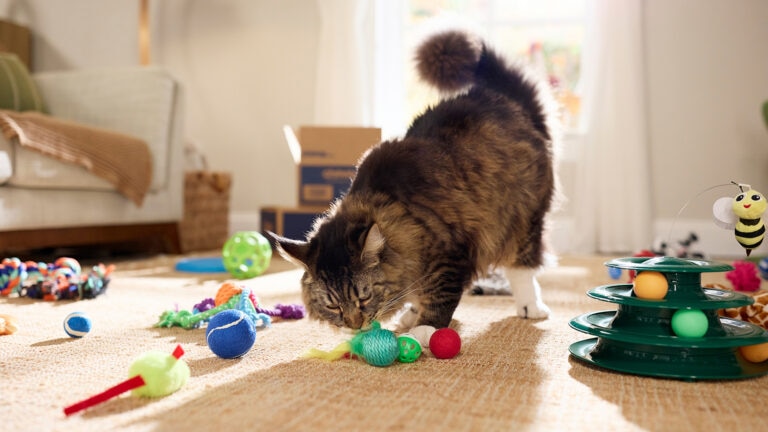
Make sure your cat has plenty of activities to keep their mind and body busy. Rotate toys regularly to keep things interesting and add puzzle feeders or interactive toys. When your cat is mentally and physically engaged, they are less likely to chew on inappropriate items.
Regular Vet Checkups
Sometimes, chewing on toys can signal health issues like dental problems or anxiety. Regular vet visits help catch these issues early and provide solutions tailored to your cat’s needs. Ask your vet if unusual chewing persists despite your efforts to prevent it.
Credit: www.chewy.com
Frequently Asked Questions
Can Cats Safely Chew On Toys Designed For Them?
Cats can chew on toys made specifically for them. These toys are non-toxic and designed to be safe. However, always supervise play to prevent swallowing small parts that could cause choking or digestive issues.
What Happens If My Cat Swallows Toy Pieces?
Swallowing toy pieces can cause choking or intestinal blockages. Immediate veterinary attention is necessary if you suspect ingestion. To avoid this, choose durable toys and regularly inspect them for damage.
Are Certain Toys Better For Cats To Chew On?
Soft, flexible toys like plush or rubber are safer for chewing. Avoid toys with small detachable parts or sharp edges. Durable, non-toxic materials reduce health risks and keep your cat entertained safely.
How Can I Stop My Cat From Eating Toys?
Redirect your cat’s chewing to safe alternatives like dental treats or chew toys. Provide enough stimulation through play and exercise. If the behavior persists, consult a vet for underlying issues.
Conclusion
Cats may chew on toys out of curiosity or boredom. Eating toys can cause choking or stomach problems. Always watch your cat during playtime to keep them safe. Choose toys made for cats, not small or breakable items. Regularly check toys for damage and replace them when needed.
Healthy play helps cats stay happy and active. Keep your feline friend safe by preventing them from eating non-food items. Play smart, play safe.



Leave a Reply