Have you ever wondered where stray cats come from and what breeds they might be? If you’ve seen these mysterious, independent animals roaming your neighborhood, you’re not alone.
Understanding the breeds behind stray cats can give you a new appreciation for their unique looks and behaviors. You’ll discover surprising facts about the common breeds found in stray cats and why they behave the way they do. Keep reading to unlock the secrets of these fascinating felines and learn how you can better connect with them.
Common Breeds Found As Strays
Stray cats often come from a variety of backgrounds, but certain breeds are more commonly found wandering the streets. Understanding which breeds you might encounter helps in identifying their needs and behaviors. It also guides you in how to best support or rescue these animals.
Domestic Shorthair Dominance
Domestic Shorthairs are the most common breed you’ll find among stray cats. Their short coat is easy to maintain, helping them survive in various climates. These cats have a wide range of colors and patterns, making each stray look unique yet familiar.
Because they are mixed breeds, Domestic Shorthairs often have strong immune systems. This resilience helps them cope with the challenges of outdoor life. Have you noticed how adaptable these cats are when you see them roaming your neighborhood?
Traits Of Domestic Longhairs
Domestic Longhairs are less common than their shorthaired cousins but still appear among strays. Their longer fur can be a challenge outdoors, especially in wet or cold weather. You might spot them with matted coats or dirt, signs of their struggle without regular grooming.
Despite this, they tend to be gentle and calm. Their fluffy appearance can sometimes trick people into thinking they’re well cared for, but many are just as vulnerable. When you see a longhaired stray, consider how their grooming needs differ from shorthaired cats.
Presence Of Purebred Strays
Purebred cats are less common as strays but not unheard of. Sometimes, lost or abandoned pedigreed cats end up on the streets. Breeds like Siamese, Persian, or Maine Coon can occasionally be found, often with distinctive features that make them stand out.
These cats may struggle more than mixed breeds because they are used to indoor care. If you encounter a purebred stray, it’s worth checking for microchips or reaching out to local shelters. Could this cat be someone’s lost companion waiting to come home?
Genetic Diversity In Stray Cats
Stray cats are often seen as a single group, but their genetic makeup tells a different story. These cats come from a wide variety of backgrounds, resulting in a rich genetic diversity that impacts their appearance, behavior, and survival skills. Understanding this diversity can help you appreciate how adaptable and resilient stray cats truly are.
Mixed Breed Characteristics
Stray cats rarely belong to a single breed. Instead, they are a mix of several breeds, which gives them a unique combination of traits. You might notice a stray cat with the sleek body of a Siamese but the thick fur of a Maine Coon.
This mix makes their features unpredictable and fascinating. Their coat colors, patterns, and sizes vary widely, making each stray cat one of a kind. This genetic blend often results in strong immune systems, helping them survive in harsh conditions.
Adaptations To Urban Life
Living on the streets requires more than just good looks. Stray cats develop special adaptations to thrive in busy, noisy environments. They become excellent hunters, skilled at finding food in unexpected places.
Many stray cats learn to navigate traffic and avoid dangers, showing a high level of street smarts. Have you noticed how some stray cats are cautious around people, while others approach confidently? This behavior reflects their ability to adapt based on their experiences.
Factors Influencing Stray Cat Breeds
Stray cat breeds vary due to many factors. These factors affect which cats become strays and how they adapt outside homes. Understanding these causes helps explain the mix of breeds found on the streets.
Abandonment And Lost Pets
Many stray cats start as abandoned pets. Owners may leave cats behind during moves or due to care challenges. Lost pets also join the stray population after wandering away.
These cats often belong to common house breeds like Domestic Shorthair or Siamese. Their breed traits remain visible despite living outdoors. The presence of pet breeds among strays shows human impact on stray cat populations.
Breeding Patterns In The Wild
Stray cats breed without human control, creating mixed breeds. Wild mating between different types produces diverse offspring. This natural breeding leads to unique combinations of fur colors and shapes.
Survival skills and adaptability influence which cats thrive. Traits that help cats hunt or avoid danger are passed on. Over time, this shapes the stray cat breeds seen in neighborhoods and cities.
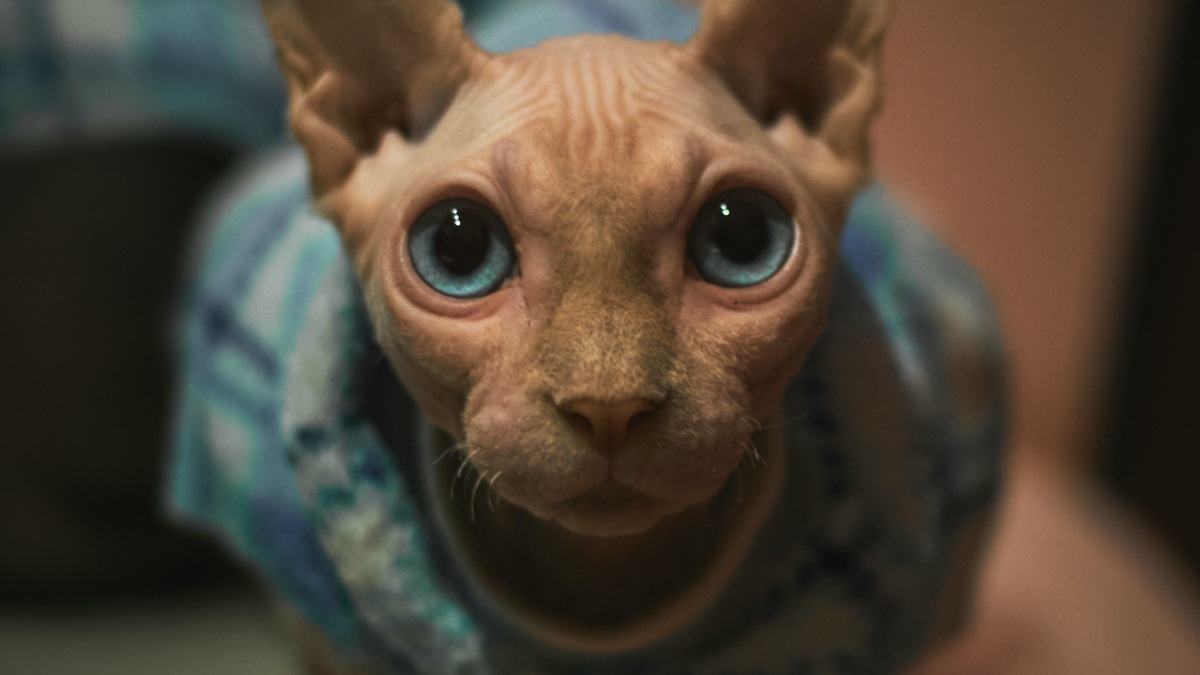
Credit: pethelpful.com
Physical Features To Identify Stray Breeds
Stray cats often show mixed physical traits from various breeds. Common features include short or long fur, different colors, and varied ear shapes. Observing size, coat patterns, and body shape helps identify possible breed origins.
Identifying the breed of a stray cat can be like solving a captivating mystery. Stray cats often carry a mix of traits from various breeds, making each one unique. By focusing on their physical features, you can begin to unravel the story of their lineage.Coat Colors And Patterns
Stray cats display an array of coat colors and patterns, which can offer clues about their breed. You might spot a tabby with its classic striped or spotted coat, often indicative of a common domestic lineage. Solid colors like black or white can also be prevalent, hinting at breeds such as the British Shorthair or the Siamese. Calico and tortoiseshell patterns are particularly eye-catching, with their tri-colored patches of orange, black, and white. These cats are predominantly female due to genetic factors, adding another layer of intrigue to their genetic history. If you come across a stray with a distinctive pattern, it might be worth considering a visit to a local vet for further breed identification.Body Size And Shape
The body size and shape of a stray cat can offer further insights into its potential breed origins. A lean, muscular build might suggest a Siamese or Oriental background, known for their sleek, elegant frames. Conversely, a more robust and stocky appearance could be linked to breeds like the Maine Coon or the British Shorthair. When observing a stray, pay attention to the length of its legs, the shape of its head, and the size of its paws. These features, combined with coat color and pattern, can provide a richer understanding of the cat’s ancestry. By keenly observing these physical traits, you might just discover the fascinating blend of breeds that make up the stray cat’s heritage.Surprising Breed Traits In Strays
Stray cats often surprise us with their unique looks and behaviors. Many people assume strays are just mixed breeds with no distinct traits. However, you might be shocked to find purebred features and breed-specific behaviors hiding in these free-roaming felines.
Unexpected Purebred Appearances
Sometimes, stray cats display physical traits that match well-known purebred cats. You might spot a stray with the sleek body and striking blue eyes of a Siamese or the luxurious coat of a Maine Coon. These appearances can be clues to a cat’s hidden lineage.
One time, I met a stray with the curled ears and thick fur reminiscent of a Scottish Fold. It made me wonder—could some purebred cats end up on the streets due to abandonment or lost homes? This shows that stray cats can carry the beauty and traits of specific breeds without being officially registered.
Behavioral Traits Linked To Breed
Behavior can also hint at a cat’s breed. Some strays show the social and vocal nature typical of Siamese cats, always seeking attention and communicating loudly. Others might behave like Abyssinians, being highly energetic and curious about their environment.
Have you noticed a stray that’s unusually friendly or shy? These patterns often connect to their breed background. Recognizing these traits can help you understand and care for strays better, tailoring your approach to each cat’s personality.
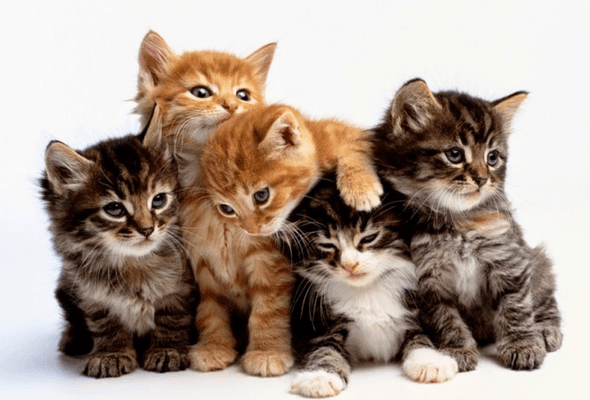
Credit: www.kohepets.com.sg
Impact Of Stray Cat Breeds On Communities
Stray cat breeds have a significant impact on communities, influencing health, safety, and the balance of local ecosystems. These cats, often a mix of various breeds, adapt to urban and rural environments in unique ways. Understanding their role can help you appreciate the challenges and opportunities they bring to your neighborhood.
Health And Disease Concerns
Stray cats can carry diseases that affect both humans and pets. Common illnesses like toxoplasmosis, cat scratch fever, and parasites can spread if stray populations grow unchecked.
You might not realize how easily these diseases transmit through bites, scratches, or even flea infestations. Vaccinating and controlling stray cats can reduce health risks in your community.
Have you ever thought about how your local stray cats might impact your family’s health? Taking simple steps, such as avoiding direct contact and supporting trap-neuter-return programs, can make a big difference.
Role In Local Ecosystems
Stray cats often hunt small animals, which can upset the balance of local wildlife. Birds, rodents, and reptiles may face increased pressure from these feline predators.
However, in some areas, stray cats help control pest populations, benefiting farmers and homeowners. The key is finding a balance that protects native species without ignoring the practical benefits cats provide.
Next time you see a stray cat, consider its role in your neighborhood’s ecosystem. Could managing stray populations help protect vulnerable wildlife while keeping pests under control?
How To Help Stray Cats Based On Breed
Helping stray cats based on their breed improves their care and chances of survival. Different breeds have unique needs, personalities, and health issues. Recognizing these traits helps provide better support and comfort to each cat.
Tailored Care For Different Breeds
Some breeds are more social and need frequent human interaction. Others may prefer quiet and calm environments. Knowing a stray cat’s breed helps you create a safe and welcoming space.
For example, Siamese cats are vocal and crave attention. Persian cats need grooming due to their long fur. Short-haired breeds often require less maintenance but still benefit from regular health checks.
Special diets might be necessary for certain breeds. Some cats have allergies or sensitive stomachs. Providing the right food boosts their health and energy.
Adoption And Rescue Tips
Understanding a breed’s behavior can guide rescue efforts. Some cats adapt quickly to new homes. Others may need more time and patience.
Use breed-specific rescue groups and shelters. They offer resources and knowledge about particular breeds. This support makes adoption smoother and safer.
Always check for microchips or identification. Many strays are lost pets from specific breeds. Returning them to their owners is the best outcome.
Prepare new homes with breed-friendly supplies. This includes toys, bedding, and scratching posts suited to their habits. A well-prepared space helps cats settle faster.

Credit: talis-us.com
Frequently Asked Questions
What Breeds Are Common Among Stray Cats?
Stray cats often belong to mixed or domestic short hair breeds. They have diverse ancestry from various cat breeds. Purebred traits are rare in stray populations due to lack of selective breeding. Their appearance varies widely depending on local gene pools.
How Can I Identify A Stray Cat’s Breed?
Identifying a stray cat’s breed is challenging without a pedigree. Look for physical traits like coat pattern, ear shape, and body size. Mixed breeds dominate strays, so breed features may blend. A vet or cat expert can provide better identification help.
Do Stray Cats Have Specific Breed Traits?
Stray cats usually show mixed breed characteristics, not distinct breed traits. They adapt physically and behaviorally to survival needs. Unique breed features fade over generations without controlled breeding. Their traits reflect natural selection rather than breed standards.
Are Some Breeds More Likely To Become Stray Cats?
No specific breed is more likely to become a stray. Strays mostly come from unplanned litters and abandoned pets. Mixed breeds dominate strays due to widespread breeding. Breed alone doesn’t determine stray status; environment and human care do.
Conclusion
Stray cats come from many different breeds and mixes. Their looks can vary a lot, from short hair to long hair. Most strays are not purebreds but have traits from several breeds. They survive in many places, adapting well to their environment.
Understanding their breeds helps us care for them better. Every stray cat has its own story and charm. Treating them with kindness makes a big difference in their lives.



Leave a Reply