
Have you ever caught your cat playing in the litter box and wondered why? It might seem strange or even a little gross, but your furry friend has reasons for this odd behavior.
Understanding why your cat does this can help you keep them happy and healthy. You’ll discover the surprising reasons behind this habit and what you can do about it. Keep reading to learn more about your cat’s curious actions and how to handle them.
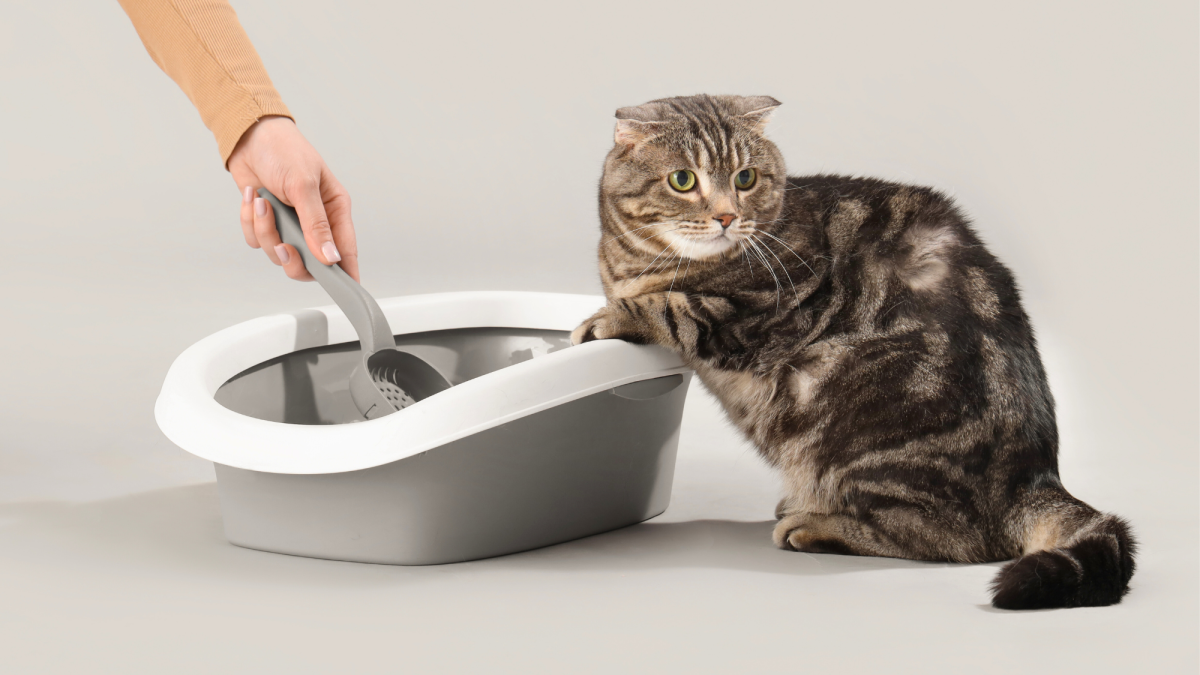
Credit: pethelpful.com
Cat Behavior And Litter Boxes
Understanding your cat’s behavior around the litter box can help you identify whether what you’re seeing is normal or a sign of something unusual. Cats have specific habits when it comes to their bathroom routines, but sometimes their playfulness leads them to interact with the litter box in unexpected ways. Recognizing these patterns gives you better insight into your cat’s needs and helps maintain a happy, healthy environment for your feline friend.
Normal Litter Box Habits
Cats usually prefer a clean, quiet place to do their business. They tend to dig a small hole, do their business, then cover it up. This behavior is instinctual and helps keep their scent hidden from potential predators.
Most cats visit the litter box several times a day, often sticking to a routine. If your cat suddenly changes this behavior, it might indicate stress, illness, or dissatisfaction with the litter box setup. Keeping the box clean and in a low-traffic area usually keeps your cat comfortable and consistent.
When Playtime Happens In The Litter Box
Sometimes, cats treat the litter box like a playground. You might catch your cat pawing at the litter, rolling around, or even digging excessively. This can happen for several reasons, including boredom, curiosity, or an attempt to mark territory.
One cat of mine once turned her litter box into a sandbox, digging energetically as if she were searching for something. It wasn’t about bathroom needs but more about entertainment and exploration. If your cat is doing this, it’s worth considering whether they have enough stimulation elsewhere in their environment.
Ask yourself: does your cat have enough toys, climbing spots, and interaction? Sometimes, increasing playtime outside the litter box can reduce this behavior. Also, check if the litter type or box size suits your cat’s preferences—uncomfortable setups might encourage unusual behavior.
Curiosity And Exploration
Cats have a natural urge to explore their surroundings. Their curiosity drives them to investigate new places and objects. The litter box can become a spot for discovery. It offers interesting sights, smells, and textures. This exploration is a normal part of how cats learn about their environment.
New Textures And Smells
The litter box contains materials that feel different under their paws. Cats enjoy pawing at the litter, sensing its texture. The smell inside the box is strong and unique. This stimulates their sense of smell and makes the area intriguing. They may dig or scratch to experience these new sensations.
Kittens And Playfulness
Kittens are especially playful and curious. They explore everything around them to understand the world. The litter box can seem like a fun place to play. It gives them a soft surface for jumping and digging. This behavior is part of their natural growth and learning process.
Health And Medical Factors
Your cat’s fascination with the litter box might be more than just quirky behavior. Sometimes, health and medical factors play a significant role in this puzzling activity. Understanding these reasons can help you ensure your feline friend stays healthy and happy.
Signs Of Urinary Issues
If your cat is playing in the litter box, it could indicate urinary issues. Watch for frequent urination, straining, or discomfort. These signs might suggest a urinary tract infection or bladder stones, both of which require veterinary attention.
Is your cat meowing more than usual when in the litter box? This vocalization can be a cry for help. If left untreated, urinary problems can become serious, so prompt action is essential.
Stress And Anxiety Effects
Stress and anxiety can drive your cat to seek comfort in the litter box. Changes in their environment, such as moving homes or introducing new pets, may trigger this behavior.
Consider the litter box a safe haven for your feline. If your cat is spending too much time there, it might be a sign they’re feeling insecure or overwhelmed.
Ask yourself: Has anything changed in your home recently? Identifying stressors can help you create a more comforting environment for your cat.
By observing your cat’s behavior and environment, you can address health and emotional issues promptly. Your attention and care can make all the difference in their well-being.
Environmental Triggers
Environmental triggers can make cats act oddly in their litter boxes. These triggers include factors like how clean the box is and where it is placed. Cats are sensitive animals. They notice changes quickly. Understanding these triggers helps in managing your cat’s behavior better.
Litter Box Cleanliness
Cats prefer a clean litter box. A dirty box can cause discomfort and stress. This might lead cats to play or dig more than usual. They try to cover up the mess or make the box feel fresh again.
Regular cleaning keeps the box inviting. Scoop waste daily and change litter often. This prevents odors and bacteria build-up. Cleanliness reduces your cat’s urge to play excessively in the box.
Location And Privacy
The litter box location affects your cat’s comfort. Cats want privacy and quiet when using the box. A busy or noisy spot can make them anxious.
Placing the box in a calm, private area helps. Avoid places near loud appliances or heavy foot traffic. Cats may play in the box to feel more secure or to mark their territory.
Behavioral Reasons
Understanding why your cat plays in the litter box can be puzzling, especially when you expect it to be a place strictly for bathroom needs. Behavioral reasons often drive this odd habit, and paying attention to these can help you address the root cause effectively. Let’s look at two common behavioral explanations that might make your cat treat the litter box like a playground.
Seeking Attention
Have you noticed your cat acting out when you’re busy or distracted? Sometimes, cats use the litter box as a way to get your attention. If your cat feels ignored, playing or digging in the litter box may be a loud signal saying, “Look at me!”
Try observing your cat’s behavior around the times it plays in the litter box. Does it happen more when you’re focused on work or other activities? Providing more interactive playtime or simply spending a few extra minutes petting your cat can reduce this attention-seeking behavior.
Territorial Marking
Cats are territorial by nature, and the litter box can become a spot for marking their domain. Playing or scratching in the litter may help your cat spread its scent, establishing ownership over that space.
If you have multiple cats, this behavior can be more common as they try to assert dominance or feel secure. Ensuring each cat has its own litter box and keeping them clean can minimize territorial disputes. Have you considered if your cat’s environment feels crowded or stressful? Making small changes in your home setup might reduce the need for territorial marking in the litter box.

Credit: www.youtube.com
Preventing Litter Box Play
Preventing your cat from playing in the litter box helps keep the area clean and reduces stress. Cats often play in the litter box out of boredom or curiosity. Providing the right environment and activities can redirect this behavior effectively.
Proper Litter Box Maintenance
Keep the litter box clean by scooping it daily. Dirty litter boxes may encourage your cat to dig and play. Use unscented, clumping litter to make the box more inviting. Wash the box with mild soap and water once a week. Avoid strong-smelling cleaners that can upset your cat’s nose. Place the litter box in a quiet, low-traffic area. This helps your cat feel safe and less likely to play around it.
Providing Alternative Play Options
Offer toys to keep your cat entertained. Rotate toys regularly to maintain your cat’s interest. Use interactive toys like feather wands or laser pointers. Create a play area with scratching posts and climbing trees. Schedule daily playtime sessions to burn off energy. This reduces your cat’s urge to play in the litter box. Provide cozy resting spots near play areas for relaxation after activity.

Credit: cats-magazine.com
Frequently Asked Questions
Why Does My Cat Play In The Litter Box?
Cats may play in the litter box out of curiosity, boredom, or stress. It can also be a way to explore new textures or seek attention from their owner. Sometimes, it indicates discomfort with the litter type or cleanliness.
Is Litter Box Play A Sign Of Health Problems?
Occasionally, yes. If your cat obsessively plays or digs, it could signal urinary tract issues or anxiety. Consult a vet if behavior changes suddenly or if your cat shows signs of pain or discomfort during bathroom use.
How Can I Stop My Cat From Playing In The Litter Box?
Ensure the litter box is clean and placed in a quiet area. Provide toys and engage your cat in regular play. Using different litter types may also reduce interest in playing inside the box.
Does Litter Type Affect My Cat’s Behavior?
Yes. Cats prefer certain textures and smells. Unsuitable litter may cause discomfort, leading to unusual behavior like playing or digging excessively. Experiment with natural, unscented litters to find what your cat prefers.
Conclusion
Cats playing in the litter box can be puzzling. Sometimes, they feel curious or bored. Other times, they want to mark their space. It might also show stress or health issues. Watching your cat closely helps you understand their behavior.
Keeping the litter box clean and safe is important. Offering toys and attention can reduce this habit. Remember, patience and care make a big difference. Your cat’s comfort and happiness come first. Always consult a vet if you notice unusual actions.
Caring for your cat leads to a happy home.



Leave a Reply