
Have you ever caught your cat scratching the walls of the litter box and wondered why? It’s a common behavior that can leave many cat owners puzzled.
You might think it’s just a quirky habit, but there’s often more to it than meets the eye. Understanding why your cat does this can help you create a better space for them and keep your home cleaner. Keep reading to discover the surprising reasons behind this behavior and what you can do about it.
Common Reasons Cats Scratch Litter Box Walls
Understanding why cats scratch the litter box walls helps improve their comfort and your home’s cleanliness. This behavior may seem odd but has clear reasons rooted in natural instincts and communication. Cats use scratching to interact with their environment and express themselves.
Instinctual Behavior
Scratching is a natural act for cats. It helps them sharpen their claws and stretch their muscles. In the wild, cats scratch surfaces to prepare a spot for digging or resting. The litter box walls offer a similar surface for this behavior. It is a way for cats to maintain their physical health.
Marking Territory
Cats have scent glands in their paws. Scratching releases pheromones that mark their territory. By scratching the litter box walls, cats claim the area as their own. This helps reduce stress and signals to other pets to stay away. It’s a silent message that this space belongs to them.
Exploring Texture
Cats are curious about different textures. The litter box walls provide a unique surface that feels different from other places. Scratching lets cats explore this texture with their paws. This interaction satisfies their curiosity and can be comforting. Texture exploration also helps keep their claws healthy.

Credit: www.feliway.co.uk
Litter Box Setup Issues
Scratching the litter box walls can often signal issues with how the box is set up. Cats communicate their comfort and preferences through behavior, and litter box setup plays a crucial role. If your cat seems restless or aggressive toward the box, it might be time to rethink how you’ve arranged it.
Size And Space Constraints
Is your litter box too small for your cat? A cramped space can make your cat feel trapped and frustrated, prompting scratching as a way to create room or express discomfort.
Consider the size of your cat and how much space they need to move freely while using the box. A larger box or one with higher walls might help reduce scratching behavior by giving your cat more room to dig and cover waste comfortably.
Type Of Litter Used
The type of litter you choose can greatly affect your cat’s behavior. Some cats dislike scented litters or those with certain textures, leading them to scratch the walls instead of the litter.
Try experimenting with different litters—clumping, non-clumping, natural, or unscented—to see which one your cat prefers. You might be surprised how a simple switch can calm your cat’s scratching habit.
Box Cleanliness
How often do you clean your cat’s litter box? A dirty box can drive your cat to scratch the walls out of frustration or an attempt to signal displeasure.
Maintaining a clean box by scooping daily and washing it weekly can make your cat feel more comfortable and reduce unwanted scratching. Have you noticed your cat’s behavior change after cleaning the box?
Health And Stress Factors
Cats may scratch litter box walls due to stress or discomfort. Changes in their environment or health issues can cause this behavior. Providing a clean, quiet space helps reduce stress and keeps your cat comfortable.
Cats are fascinating creatures, often leaving us puzzled by their quirky behaviors. One such behavior is scratching the walls of their litter boxes. Understanding the health and stress factors involved can offer insights and solutions for this perplexing habit. Addressing these factors can lead to a happier, healthier kitty and a more peaceful home environment.Physical Discomfort
Cats might scratch the litter box walls due to physical discomfort. They could be experiencing issues like constipation or urinary tract infections, making them restless and uneasy. If you notice this behavior coupled with changes in litter box habits, it’s wise to consult your vet for a thorough check-up.Anxiety And Stress
Stress and anxiety are common culprits behind unusual cat behaviors. Changes in their environment, like moving to a new home or the introduction of another pet, can trigger anxiety. Providing a stable and familiar environment, along with comforting routines, can help alleviate your cat’s stress levels.Boredom And Attention Seeking
Sometimes, scratching the litter box walls is your cat’s way of seeking attention or battling boredom. Is your cat getting enough playtime and mental stimulation? Introducing engaging toys or interactive play sessions can satisfy their need for activity and reduce this behavior. Addressing these health and stress factors can not only curb the scratching but also enhance your cat’s overall well-being. What steps are you taking to ensure your feline friend feels comfortable and stress-free?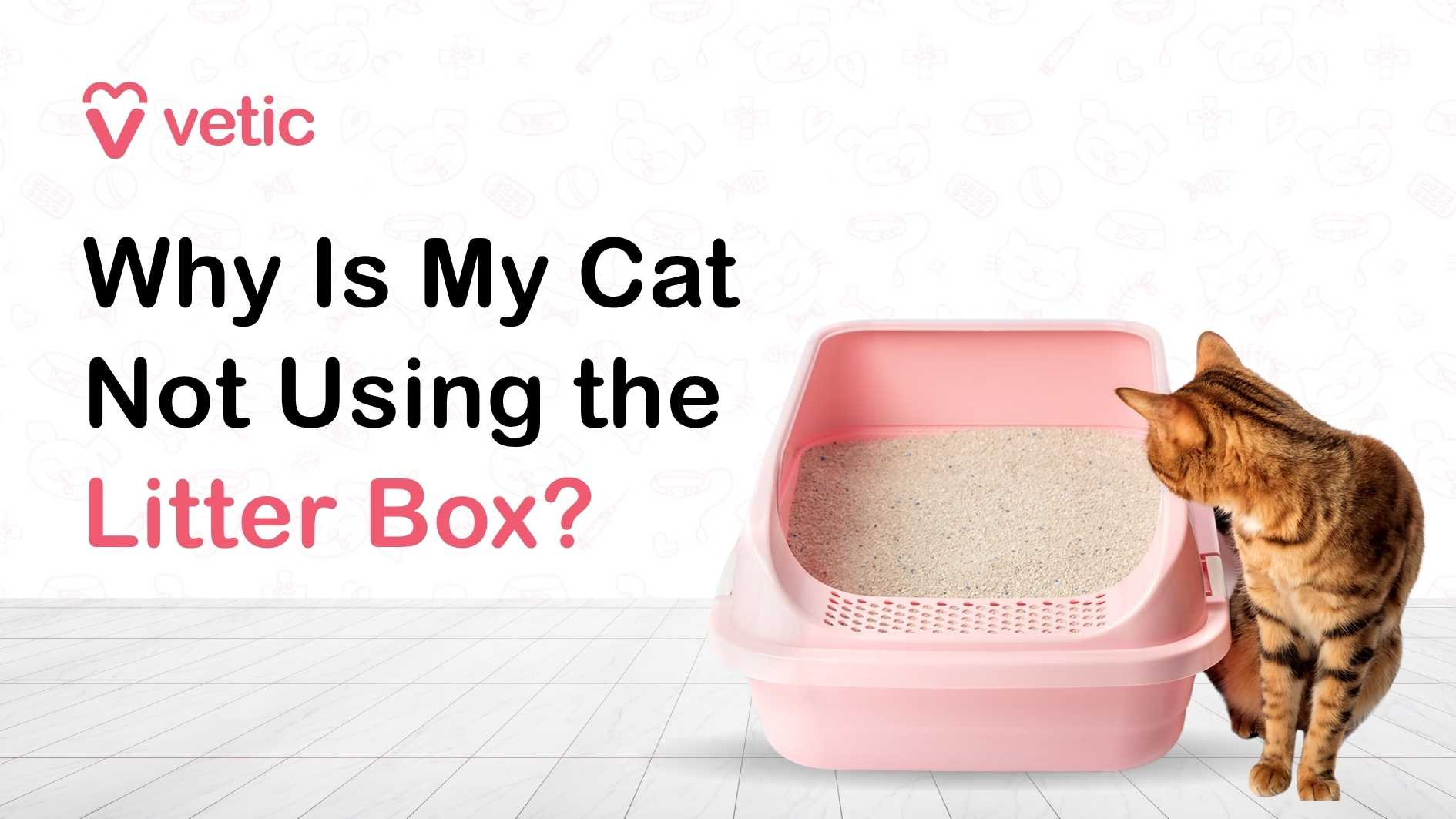
Credit: vetic.in
Environmental Influences
Cats are sensitive to their surroundings. The environment around the litter box impacts their behavior greatly. Scratching the litter box walls can be a sign of stress or discomfort caused by various factors. Understanding these environmental influences helps create a better space for your cat. It also reduces unwanted scratching and keeps your cat happy.
Location Of The Litter Box
Where the litter box is placed matters a lot. Cats prefer quiet, private spots. A busy hallway or near loud appliances can disturb them. If the box is hard to access, cats may feel uneasy. They might scratch the walls more to express frustration or mark their territory. Moving the box to a calm, easy-to-reach place often helps.
Noise And Disturbances
Loud noises and sudden sounds can scare cats. Dogs barking, vacuum cleaners running, or children playing nearby can cause anxiety. This stress may lead to more scratching around the litter box. Cats try to feel safe by digging or scratching. Reducing noise or placing the litter box in a quieter room can calm your cat.
Other Pets’ Presence
Other pets in the house affect your cat’s litter box habits. Cats are territorial and may feel threatened by dogs or other cats nearby. This tension can cause them to scratch the litter box walls more often. Separate litter boxes for each pet can reduce competition. Give your cat a private space to use the litter box comfortably.
How To Reduce Scratching Behavior
Reducing your cat’s litter box wall scratching helps keep your home cleaner. It also makes your cat more comfortable. Understanding why cats scratch can guide the right changes. Simple adjustments can calm this behavior quickly.
Adjusting Litter Box Setup
Place the litter box in a quiet, private spot. Avoid noisy or busy areas. Make sure the box size fits your cat well. A cramped space can cause stress and scratching. Clean the box daily to keep it fresh. Cats dislike dirty litter boxes and may scratch more.
Choosing The Right Litter
Select a litter that your cat prefers. Some cats like fine, soft granules. Others prefer larger, clumping litter. Unscented litter is often better. Strong smells can bother your cat. Try different types to find the best match. A comfortable litter reduces scratching and digging.
Creating A Calm Environment
Keep the area around the litter box peaceful. Loud noises and sudden movements can stress cats. Provide a safe, calm space for your cat. Use calming sprays or diffusers if needed. Regular playtime helps reduce anxiety. A relaxed cat scratches less at the litter box walls.
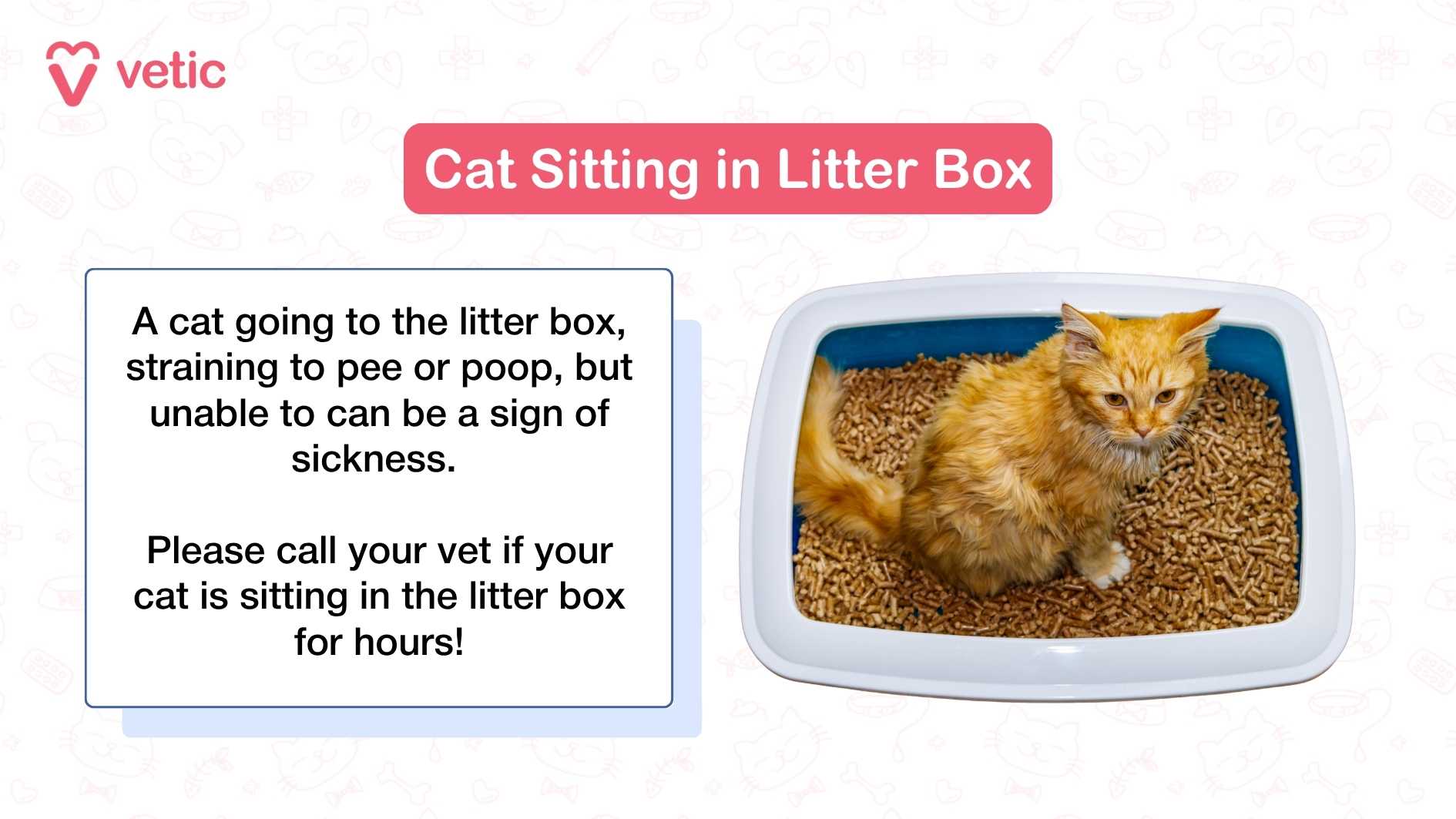
Credit: vetic.in
When To Consult A Veterinarian
Noticing your cat scratching the litter box walls might seem like a quirky habit, but it can also signal something more serious. Understanding when to consult a veterinarian is crucial for your cat’s health and your peace of mind. Ignoring this behavior without checking could mean missing signs of discomfort or illness.
Signs Of Medical Issues
Watch for sudden changes in your cat’s litter box habits, such as frequent scratching or digging. These could point to urinary tract infections, bladder problems, or digestive discomfort. If your cat also shows signs like blood in the urine, straining, or vocalizing during elimination, you should seek veterinary care immediately.
Sometimes, scratching might be your cat’s way of coping with pain or irritation. Don’t overlook symptoms like lethargy, loss of appetite, or excessive grooming around the rear area. These signals often accompany medical issues that need a professional’s attention.
Behavioral Concerns
Scratching the litter box walls can also reflect anxiety or stress. Changes in your cat’s environment—new pets, moving homes, or loud noises—may trigger this behavior. If your cat seems restless or avoids the litter box sometimes, it might be expressing frustration or discomfort.
Consider whether your cat has enough mental and physical stimulation during the day. Boredom can lead to odd behaviors, including excessive scratching. If you notice this pattern, a vet or animal behaviorist can help you find effective ways to reduce stress.
Professional Advice
Consulting a veterinarian gives you clear answers and tailored solutions. A vet can perform tests to rule out infections or physical problems causing the scratching. They can also suggest changes in litter type, box location, or diet that may ease your cat’s discomfort.
Don’t hesitate to ask your vet about behavioral training or environmental enrichment. Sometimes a few adjustments can prevent future issues and improve your cat’s well-being. Have you observed any other unusual habits in your cat that might need expert evaluation?
Frequently Asked Questions
Why Does My Cat Scratch The Litter Box Walls?
Cats scratch litter box walls to mark territory and cover waste. It’s a natural instinct linked to scent marking and hiding their presence from predators or other cats.
Can Scratching Litter Box Walls Indicate Stress?
Yes, scratching can signal stress or anxiety. Changes in environment, health, or litter box cleanliness may cause this behavior.
Does Litter Type Affect Wall Scratching?
Yes, some cats dislike certain litter textures. Using preferred litter can reduce wall scratching and improve their comfort.
How Can I Stop My Cat From Scratching Walls?
Provide a larger or covered litter box. Regular cleaning and using preferred litter also help minimize wall scratching.
Conclusion
Cats scratch litter box walls to mark territory and dig. This behavior shows their natural instincts and helps them feel safe. Sometimes, they want to cover waste or keep the area clean. Watching your cat’s habits can reveal health or stress signs.
Keep the litter box clean and in a quiet spot. Offer enough space and soft litter for comfort. Understanding this behavior helps you care for your cat better. Happy cats make happy homes.



Leave a Reply