
Is your cat suddenly refusing to use the litter box? You might be feeling frustrated, confused, or even worried.
When your furry friend avoids their litter box, it’s more than just a mess—it’s a signal that something might be wrong. Understanding why this happens can save you stress and help your cat feel comfortable again. Keep reading to discover the common reasons behind this behavior and simple steps you can take to fix it fast.
Your cat’s happiness—and your home’s cleanliness—depend on it!
Credit: vetic.in
Common Health Issues
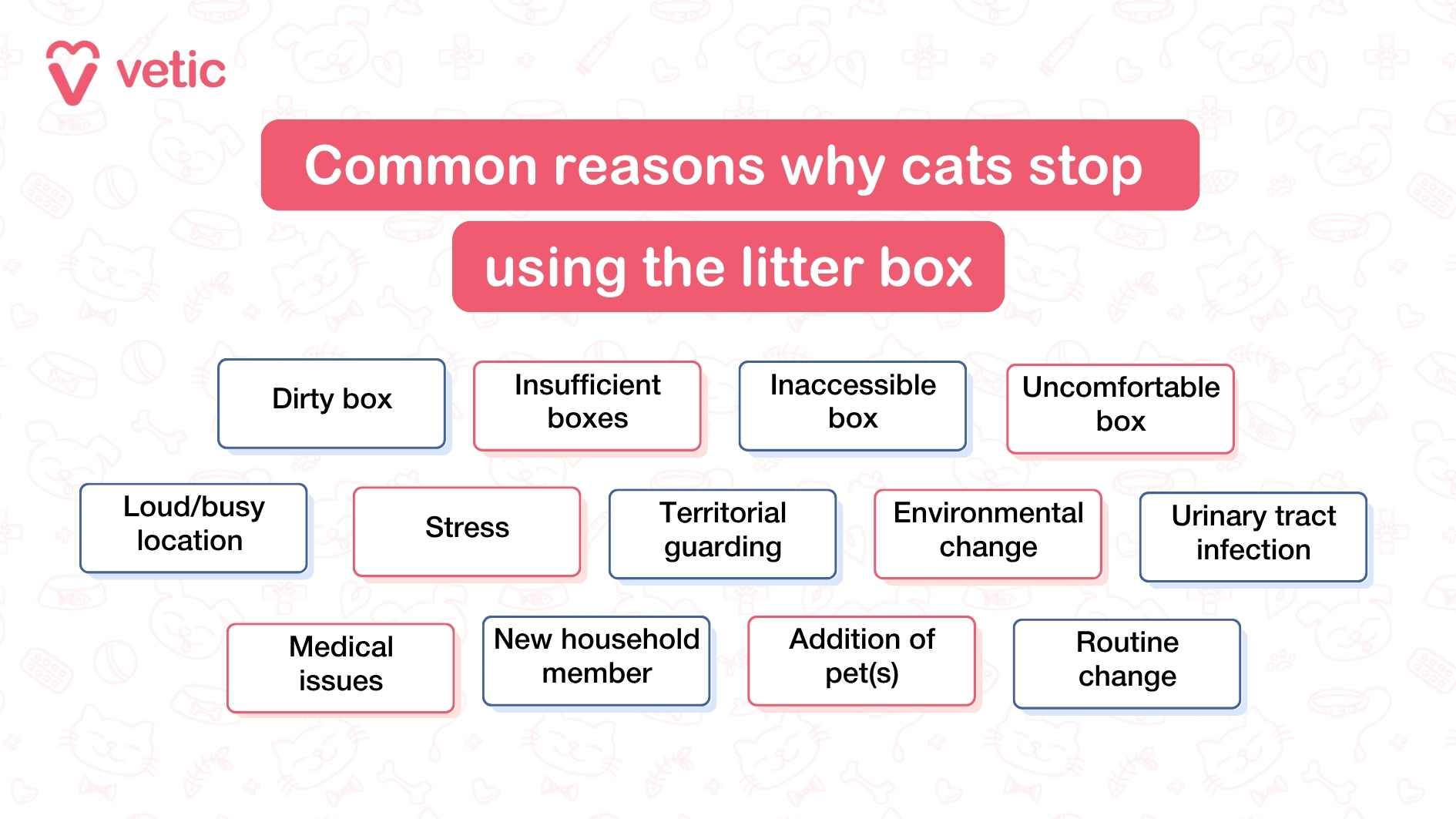
Health problems often cause cats to avoid their litter box. Cats use the box less when they feel pain or discomfort. Detecting health issues early helps keep your cat healthy. Watch for changes in behavior or litter box habits.
Urinary Tract Problems
Urinary tract infections and bladder stones cause pain during urination. Cats may associate the litter box with pain and avoid it. Blood in urine or frequent attempts to urinate are warning signs. Immediate vet care is important to treat these conditions.
Digestive Disorders
Diarrhea, constipation, or other digestive problems affect litter box use. Cats with diarrhea may go outside the box due to urgency. Constipation can cause strain and discomfort while eliminating. Proper diet and vet checkups support digestive health.
Pain And Mobility Challenges
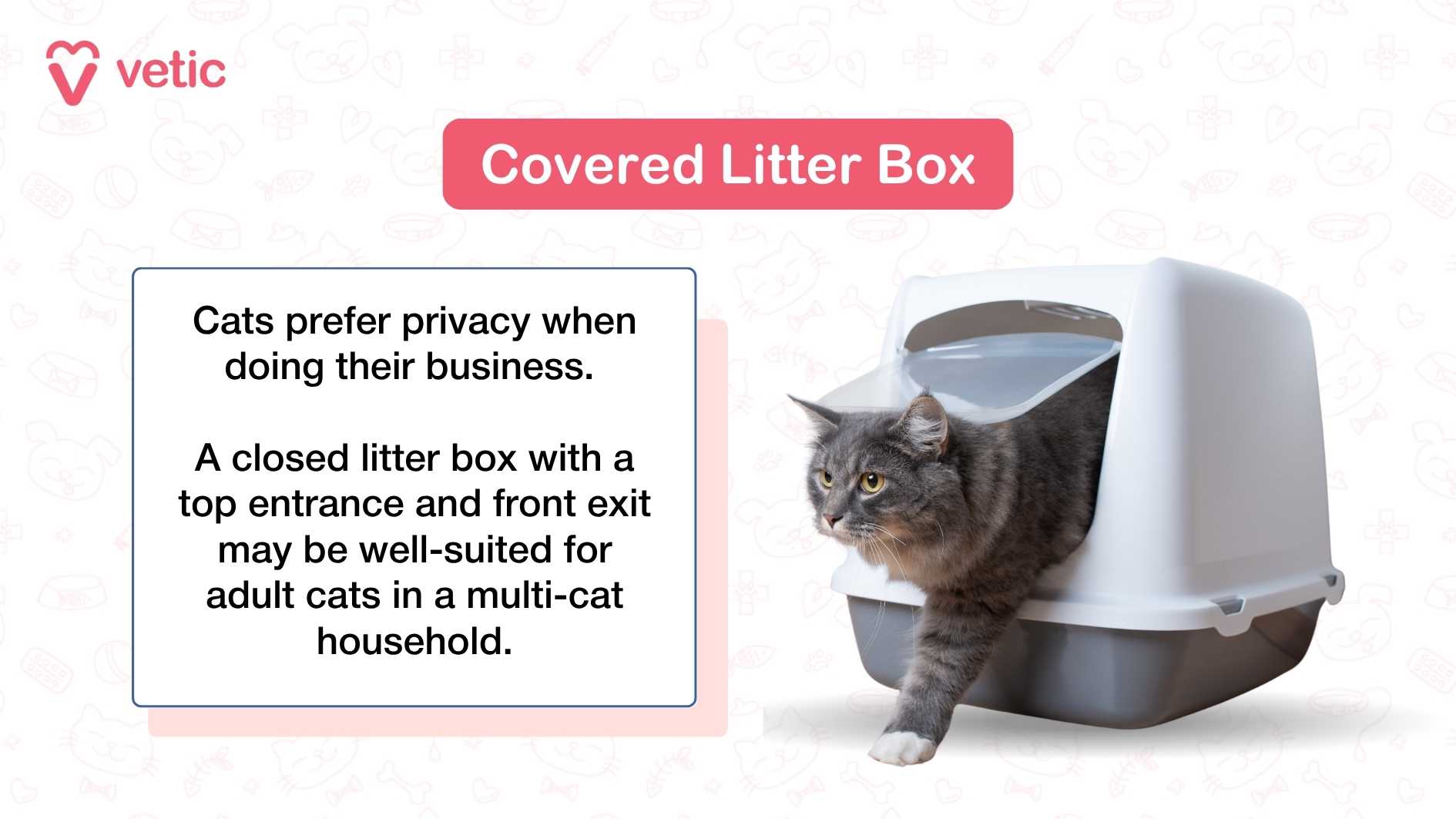
Arthritis or injuries make it hard for cats to access or use the box. Older cats may struggle to jump into high-sided litter boxes. Pain can cause them to avoid the box entirely. Low-entry or easily accessible boxes help cats with mobility issues.
Credit: vetic.in
Litter Box Problems
When your cat suddenly refuses to use the litter box, the problem might lie in the box itself. Cats are very particular about their bathroom habits, and small issues with the litter box can cause big frustrations for both you and your feline friend.
Unclean Litter Boxes
Cats hate dirty litter boxes. If you don’t scoop waste daily, your cat might look for a cleaner spot. Even if you clean once a week, that may not be enough for some cats.
Think about your own preferences—would you use a restroom that isn’t fresh? Keeping the litter box clean is one of the simplest ways to encourage your cat to keep using it.
Type Of Litter
Your cat may dislike the texture or smell of the litter. Some cats prefer clumping litter, while others like non-clumping or natural options like paper or wood pellets.
Try experimenting with different types of litter. Switching to unscented or dust-free options can make a big difference. Have you noticed your cat avoiding the box after changing the litter brand?
Box Size And Location
The size of the litter box matters. A box that’s too small can make your cat uncomfortable, especially if they are larger or older. Give your cat enough room to turn around easily.
Location is equally important. Placing the box in a noisy or hard-to-reach area can deter your cat. Is your cat’s litter box in a quiet, low-traffic spot where they feel safe?
Behavioral Causes
Stress or changes in the home can cause a cat to avoid the litter box. Cats may also react to dirty boxes or dislike the type of litter used. Fear, anxiety, or territorial behavior often leads to this problem.
Understanding the behavioral causes behind your cat’s refusal to use the litter box can provide valuable insights into their needs and well-being. Cats, like humans, have complex emotions and can react to changes in their environment or routine. Let’s explore some common behavioral reasons that might be affecting your feline friend.Stress And Anxiety
Stress can be a significant factor in your cat’s litter box habits. Cats are creatures of habit, and any disruption to their routine can lead to anxiety. A new pet, a change in your work schedule, or even loud noises can trigger stress. Have you noticed your cat hiding more often or becoming less social? These could be signs of anxiety impacting their behavior.Territorial Marking
Cats are territorial creatures. If they feel threatened by another animal, they may refuse to use the litter box to assert dominance. This behavior is particularly common in multi-cat households. Observe if your cat is marking certain areas outside the litter box. It might be their way of claiming territory.Changes In Environment
Even small changes in your home can confuse your cat. Moving the litter box, redecorating, or even changing the type of litter can unsettle them. Have you recently moved the litter box to a new location? Cats often rely on scent and familiarity, and a sudden change can be disorienting. Understanding these behavioral causes can help you empathize with your cat and make necessary adjustments. Have you considered how your own habits or home environment might be affecting your pet? Addressing these issues might just encourage your cat to return to their litter box.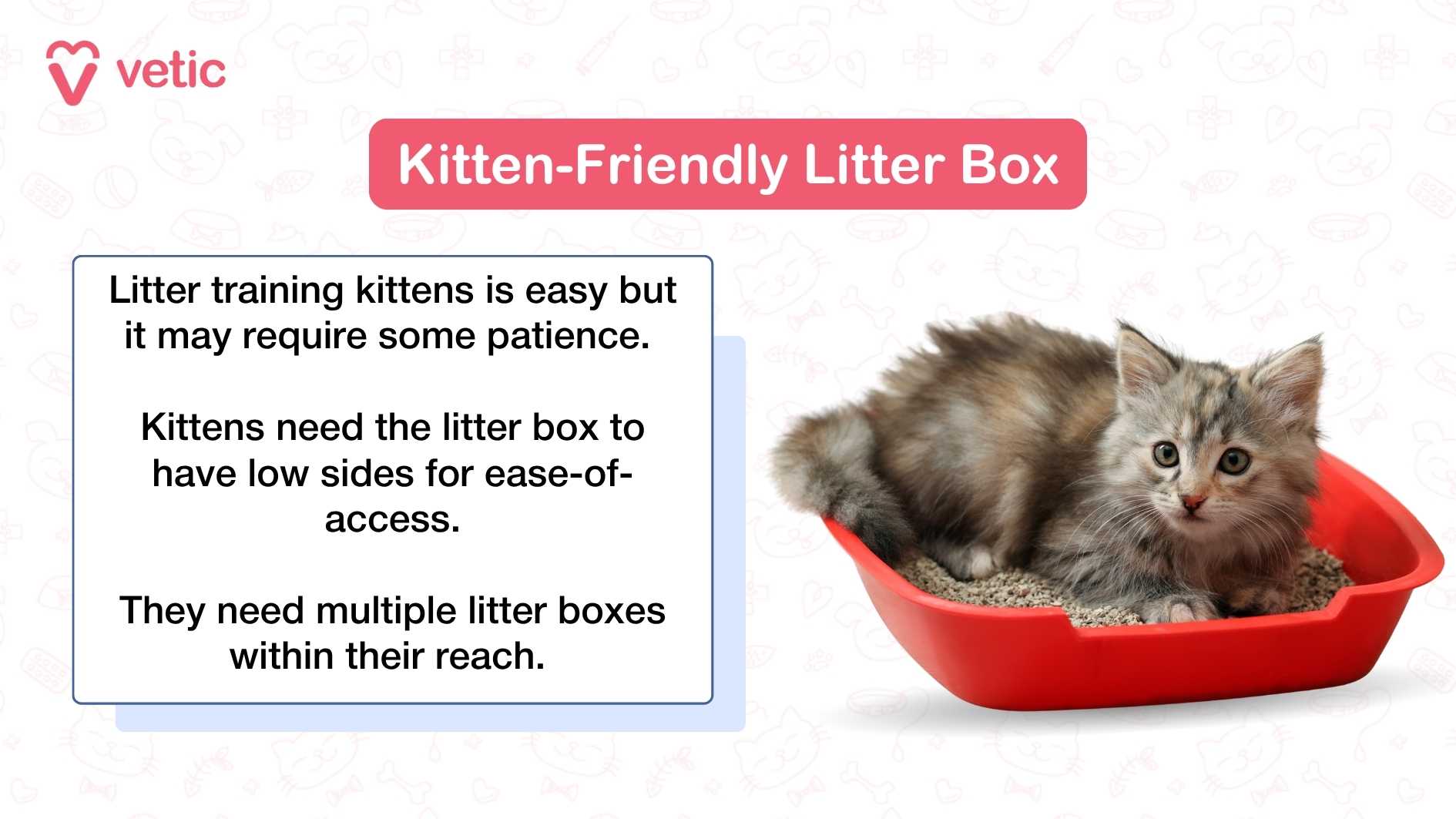
Credit: vetic.in
Solutions To Encourage Use
Encouraging your cat to use the litter box again takes patience and small changes. Cats need comfort, health, and calmness to feel safe using their box. Adjusting the litter box environment and checking your cat’s health helps. Lowering stress also plays a key role in solving this problem.
Improving Litter Box Setup
- Place the box in a quiet, private area away from noise.
- Clean the box daily to remove waste and avoid smells.
- Use unscented, clumping litter that your cat prefers.
- Provide enough boxes—one per cat plus one extra.
- Choose a litter box size that fits your cat comfortably.
- Try a box with low sides for easy access, especially for older cats.
Addressing Health Concerns
Visit the vet to rule out infections or illnesses causing avoidance. Urinary tract infections and bladder problems often make cats avoid the box. Pain or discomfort can lead to accidents outside the box. Follow vet advice and give any prescribed medications fully. Keep a close eye on your cat’s behavior for signs of health issues.
Reducing Stress Factors
- Keep a calm home environment with stable routines.
- Limit loud noises and sudden changes around your cat.
- Provide hiding spots and high perches for security.
- Use calming sprays or diffusers designed for cats.
- Spend quality time playing and bonding with your cat daily.
- Avoid introducing new pets or changes quickly without preparation.
Frequently Asked Questions
Why Is My Cat Suddenly Avoiding The Litter Box?
Cats may avoid the litter box due to stress, illness, or dirty litter. Check for health issues and clean the box regularly. Changes in environment or litter type can also cause refusal.
How Can I Encourage My Cat To Use The Litter Box?
Keep the litter box clean and in a quiet, accessible spot. Use unscented litter and provide multiple boxes if you have many cats. Positive reinforcement helps encourage proper use.
Could Health Problems Cause Litter Box Refusal?
Yes, urinary tract infections, bladder stones, and other medical issues can cause refusal. Always consult a vet if your cat suddenly stops using the box to rule out health problems.
Does Litter Box Location Affect My Cat’s Behavior?
Yes, cats prefer a quiet, private place for their litter box. Avoid noisy or high-traffic areas. Proper placement helps reduce stress and encourages regular use.
Conclusion
A cat refusing the litter box can be frustrating. Health issues, stress, or litter problems often cause this. Watch your cat’s behavior closely. Try changing the litter or cleaning the box more often. Give your cat a calm, quiet place for the litter box.
Sometimes, a vet visit helps find hidden health problems. Patience and care make a big difference. Your cat will likely return to good habits soon. Keep observing and adjusting to help your cat feel comfortable.



Leave a Reply