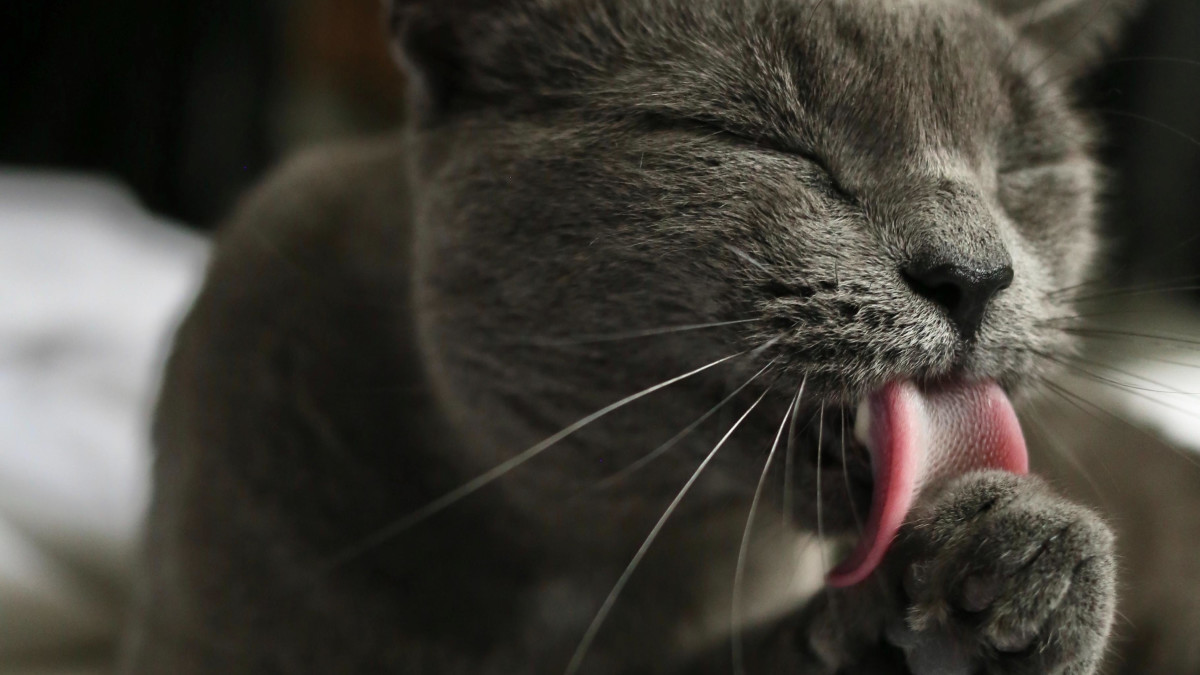
Have you noticed your cat spending hours licking her fur until it looks almost bare? You might be wondering, “Why does my cat over groom herself?”
This behavior can be confusing and even worrying. But understanding why your furry friend does this can help you keep her happy and healthy. You’ll discover the surprising reasons behind over grooming and what you can do to help your cat feel comfortable again.
Keep reading—you and your cat deserve answers.

Credit: medium.com
Signs Of Over Grooming
Noticing your cat grooming herself more than usual can be worrying. Over grooming isn’t just a quirky habit—it often signals that something is off. Recognizing the signs early helps you act before your cat’s skin or fur suffers permanent damage.
Common Symptoms To Watch For
Look for patches where fur appears thinner or completely missing. Your cat might also have red, inflamed skin or tiny scabs from constant licking and scratching. Sometimes, you’ll notice hairballs or excessive fur on furniture, which could mean she’s pulling out more hair than normal.
Behavior changes are important clues too. Is your cat more restless or hiding away? Over grooming can be linked to stress or pain, so sudden mood shifts should catch your attention. Have you ever found your cat licking a spot so much it bleeds? That’s a clear sign to check in with your vet.
Areas Cats Usually Target
Cats often focus on certain spots when they over groom. Commonly targeted areas include:
- Belly:The soft fur here is easy to pull out, especially if the cat feels anxious.
- Legs and Paws:Licking or biting these can indicate allergies or irritation.
- Chest and Neck:Cats may obsess over these regions if there’s pain or skin issues.
- Base of the Tail:This spot is frequently targeted when fleas or parasites are involved.
Have you noticed your cat focusing on one of these areas repeatedly? Paying attention to where she grooms the most can guide you in finding the root cause. It’s a bit like detective work—each clue brings you closer to helping your furry friend feel better.

Credit: petcube.com
Medical Causes
Over grooming in cats can often signal underlying medical problems that need your attention. Understanding these medical causes is crucial to help your furry friend feel comfortable and healthy again. Let’s look closely at some common medical reasons behind excessive grooming.
Skin Allergies And Irritations
Skin allergies can make your cat’s skin itchy and uncomfortable, pushing her to lick and groom excessively. These allergies might come from food, environmental factors like pollen, or even chemicals in cleaning products. Have you noticed red, inflamed patches or hair loss on your cat? These signs often point to allergies.
Addressing skin allergies starts with identifying the trigger. Your vet may suggest allergy testing or dietary changes. Keeping her environment free of irritants can also make a big difference.
Parasites And Infections
Parasites like fleas or mites irritate your cat’s skin, causing intense itching and over grooming. Even tiny parasites can cause big discomfort. If your cat suddenly starts biting or licking certain spots, it’s worth checking for these unwelcome guests.
Infections, whether bacterial or fungal, also lead to itching and hair loss. These infections sometimes develop secondary to scratching or flea bites. Timely vet visits can help treat these issues effectively with medications or topical treatments.
Pain And Discomfort
Sometimes, over grooming isn’t about the skin but pain beneath it. Joint pain, arthritis, or injuries may cause your cat to lick the affected area repeatedly. This behavior is a way to soothe discomfort, much like a human rubbing a sore spot.
Have you observed your cat focusing on one spot or limping? These could be clues pointing to pain-related over grooming. A vet can help diagnose and manage pain, improving your cat’s quality of life significantly.
Behavioral Reasons
Understanding why your cat over grooms herself can sometimes feel like a mystery. Often, the reasons are rooted in behavioral issues that need your attention and care. Let’s delve into some common behavioral triggers that might be causing your feline friend’s excessive grooming habits.
Stress And Anxiety Triggers
Cats are sensitive creatures, and changes in their environment can lead to stress and anxiety. Have you recently moved, added a new pet, or changed your routine? These can all act as stress triggers for your cat, causing her to groom excessively as a form of self-soothing. Pay attention to her surroundings and try to identify any changes that might be causing her distress.
Boredom And Lack Of Stimulation
Cats need mental and physical stimulation to stay happy. If your cat is left alone for long periods or lacks interactive play, she might turn to grooming as a way to pass the time. Consider enriching her environment with toys, climbing trees, or interactive play sessions. A stimulated cat is usually a happier and less anxious cat.
Compulsive Grooming Habits
Sometimes, grooming can become a compulsive habit. This might happen if your cat has developed a routine of grooming as a way to cope with stress or boredom. If you notice that her grooming sessions seem excessive or ritualistic, it may be time to consult with a veterinarian. They can help determine if there’s an underlying health issue or if behavioral intervention is needed.
Have you observed your cat’s grooming habits closely? Understanding these behavioral reasons can guide you in making her environment more comforting and engaging, ultimately reducing her need to over groom.
Environmental Factors
Environmental factors play a big role in why cats over groom themselves. Changes or stress in their surroundings can make cats feel uneasy. This discomfort may lead them to groom more than usual as a way to calm down. Understanding these environmental triggers helps in reducing your cat’s over grooming behavior.
Changes In Surroundings
Cats are creatures of habit. Sudden changes like moving to a new home or rearranging furniture can stress them out. New smells, sounds, or sights might confuse your cat. This confusion often causes excessive licking or grooming to soothe nerves. Keeping changes slow and gradual helps your cat adjust better.
Household Conflicts
Conflicts between pets or family members affect cats deeply. Loud noises, shouting, or arguments create a tense atmosphere. Cats pick up on this tension and may groom themselves more to relieve stress. Quiet and calm environments make cats feel safer and less anxious.
Lack Of Safe Spaces
Cats need places to hide and feel secure. Without safe spots, they may feel vulnerable and stressed. This stress can trigger over grooming as a coping mechanism. Providing cozy beds, boxes, or quiet corners gives your cat a refuge. Safe spaces reduce anxiety and help control grooming habits.
When To See A Vet
Knowing when to see a vet is key if your cat over grooms herself. Over grooming can signal health problems that need quick attention. Watch your cat’s behavior closely. Acting early can prevent serious issues.
Identifying Urgent Symptoms
Look for signs that need fast vet care:
- Bald patches on the skin
- Red, swollen, or bleeding spots
- Constant licking or biting of one area
- Sudden changes in mood or appetite
- Visible wounds or sores
- Excessive scratching or shaking
These symptoms might show infections, allergies, or pain. Don’t delay the vet visit if you see them.
What To Expect During A Vet Visit
The vet will start with a full health check. They examine the skin and fur closely. They might ask about your cat’s grooming habits. Expect questions on diet, environment, and recent changes.
Tests may include:
- Skin scrapings
- Allergy testing
- Blood work
- Flea and parasite checks
The vet will suggest treatment based on the cause. Follow all advice to help your cat heal well.
Treatment Options
Excessive grooming in cats can harm their skin and fur. Treatment helps ease their discomfort and prevent damage. Choosing the right approach depends on the cause and your cat’s needs. Many options exist to calm your pet and stop over grooming.
Medications And Topicals
Veterinarians may prescribe medicines to reduce itching and inflammation. These can include antihistamines or steroids. Topical creams and sprays soothe irritated skin. Antibiotics treat infections caused by scratching. Always follow the vet’s instructions carefully to avoid side effects.
Behavioral Therapy
Stress often triggers over grooming in cats. Behavioral therapy helps lower anxiety levels. Techniques include gentle handling and positive reinforcement. Training your cat to stay calm in stressful situations works well. Consult a pet behaviorist for tailored advice and support.
Environmental Enrichment
Improving your cat’s environment reduces boredom and stress. Provide toys, scratching posts, and climbing areas. Regular playtime keeps your cat active and happy. Create quiet, safe spaces where your cat can relax. Changes like these make grooming less necessary and improve overall well-being.
Preventing Over Grooming
Preventing over grooming in cats is key to keeping them healthy and happy. Over grooming can cause bald spots, skin irritation, and infections. Taking steps to reduce this behavior helps your cat feel better and look great. Focus on health checks, reducing stress, and keeping your cat active.
Regular Vet Checkups
Routine vet visits catch health problems early. Skin allergies, parasites, or pain can cause over grooming. Your vet can diagnose and treat these issues quickly. Regular checkups keep your cat’s coat shiny and skin healthy.
Stress Reduction Techniques
Stress is a common trigger for over grooming. Create a calm home environment with quiet spaces. Use pheromone diffusers to comfort your cat. Keep routines consistent to reduce anxiety. A relaxed cat grooms less and feels more secure.
Interactive Play And Exercise
Playtime distracts your cat from excessive grooming. Use toys to engage your cat’s natural hunting instincts. Daily exercise boosts mood and reduces boredom. A tired cat focuses on fun, not over grooming.

Credit: pennypaws.com
Frequently Asked Questions
Why Does My Cat Groom Excessively?
Cats groom to clean and regulate body temperature. Excessive grooming may signal stress, allergies, parasites, or skin issues. It’s important to observe other symptoms and consult a vet for proper diagnosis and treatment.
Can Stress Cause My Cat To Over Groom?
Yes, stress can lead to over grooming in cats. Anxiety or changes in environment may trigger this behavior. Providing a calm, stable environment and enrichment can help reduce stress-related grooming.
How Can I Stop My Cat From Over Grooming?
Identify and treat underlying causes like allergies or parasites. Reduce stress with environmental enrichment. Consult a veterinarian for advice and possible medication if needed.
Is Over Grooming Harmful To My Cat?
Yes, over grooming can cause hair loss, skin irritation, and infections. It’s important to address the root cause to prevent further damage and discomfort.
Conclusion
Cats groom to stay clean and calm. Over grooming can signal stress or health issues. Watch for red or bald spots on your cat. Offer a quiet, safe space to reduce anxiety. Regular vet visits help catch problems early. Pay attention to changes in behavior or grooming habits.
Helping your cat feel secure improves her well-being. Small changes make a big difference in her life. Caring for your cat means noticing what she needs. Keep love and patience at the heart of care.



Leave a Reply