Have you ever noticed your cat licking its fur right after finishing a meal? You might wonder, does your cat always groom after eating, or is it just a random habit?
Understanding why your furry friend cleans up after meals can give you a glimpse into their natural behavior and help you take better care of them. You’ll discover the surprising reasons behind this grooming ritual and what it means for your cat’s health and happiness.
Keep reading—you’ll be amazed by what your cat’s grooming habits reveal!

Credit: www.kinship.com
Why Cats Groom Themselves
Cats spend a lot of time grooming themselves. It is a natural part of their daily routine. Grooming helps them stay clean and healthy. But there are other reasons cats lick their fur and clean their paws. Understanding why cats groom themselves can help you learn more about their behavior and needs.
Benefits Of Grooming
Grooming keeps a cat’s fur free of dirt and parasites. It also helps to spread natural oils across their coat. This makes their fur soft and shiny. Grooming can cool cats down by removing loose fur. It reduces stress and helps cats feel calm. It also plays a role in healing wounds by keeping the skin clean.
Instinctive Behavior
Grooming is an instinct for cats. Wild cats groom to hide their scent from predators. It also helps them stay alert and ready to hunt. Even house cats keep this behavior. Grooming after eating removes food smells. This keeps cats safe and clean in their environment.
Grooming Habits After Meals
Cats often show unique grooming habits after they eat. Grooming helps them clean their fur and feel comfortable. It also helps remove any food left on their whiskers or mouth.
Many cats take a moment to clean themselves after meals. This behavior is natural and common among felines. It plays an important role in their daily routine.
Common Grooming Patterns
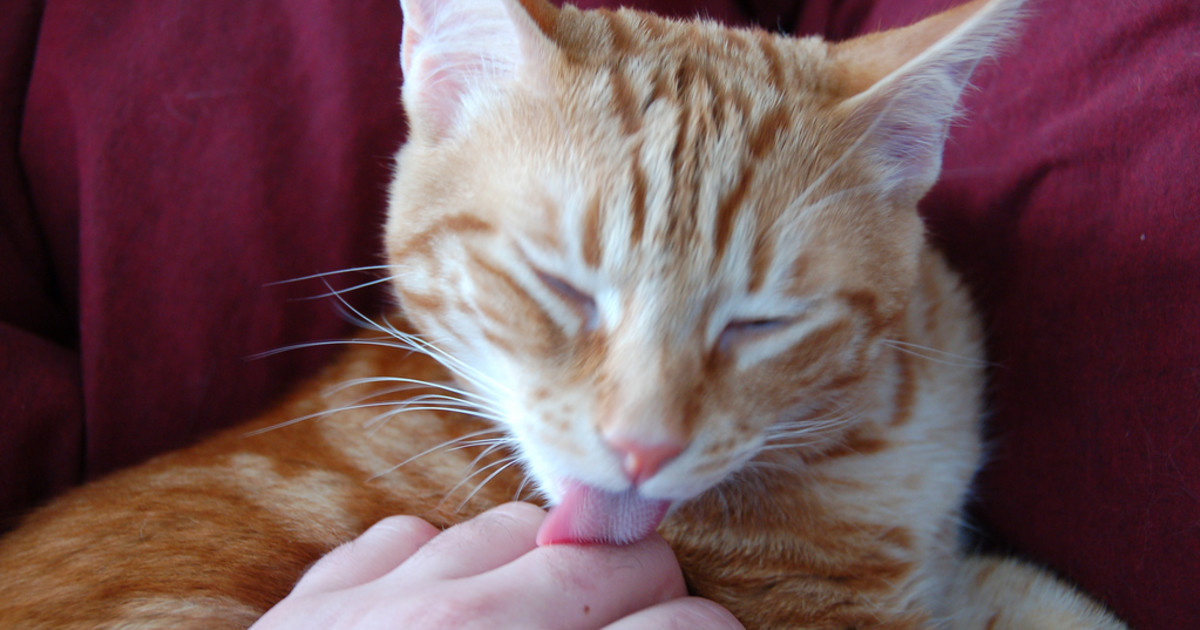
Most cats lick their paws and then rub their face. They use their paws like a washcloth. After cleaning their face, they groom their chest and body fur. This process can last a few minutes.
Some cats focus on their whiskers first. They want to remove any food crumbs. Others start by cleaning their mouth area. The sequence varies but the goal remains the same: cleanliness.
Variations Among Cats
Not all cats groom right after eating. Some may rest or play instead. Age, personality, and health affect grooming habits.
Older cats might groom less often. Sick cats can skip grooming if they feel weak. Some cats are naturally less tidy and groom less frequently.
Indoor cats might groom more often than outdoor cats. Safety and comfort influence their grooming routine. Each cat has its own style and timing for grooming after meals.
Factors Influencing Post-meal Grooming
Cats are known for their grooming habits, particularly after meals. This behavior isn’t random. Various factors can influence a cat’s choice to groom right after eating. Understanding these factors can help cat owners care better for their feline friends.
Type Of Food Eaten
The type of food can affect grooming habits. Wet food might leave residues on a cat’s face. This prompts immediate grooming. Dry food may not leave as much residue. Thus, some cats may not groom right away. Cats with sensitive noses might groom more if the food’s aroma lingers.
Cat’s Mood And Environment
A cat’s mood plays a crucial role. A relaxed cat may groom more often after eating. Stressful environments can disrupt this routine. Noise or new surroundings might make cats anxious. An anxious cat might delay grooming. Ensuring a calm environment encourages grooming.
Health And Age Considerations
A cat’s health and age can influence grooming behavior. Older cats may groom less due to arthritis. Health issues can also affect grooming habits. Dental pain might reduce grooming. Cats in pain might prioritize comfort over cleanliness. Regular vet visits ensure health issues are addressed.
Credit: pethelpful.com
When Cats Skip Grooming
Cats usually groom themselves after eating to clean their fur and remove food particles. This habit helps keep them neat and comfortable. Sometimes, cats may skip this routine. Understanding why they do this can help you notice changes in their health or mood.
Possible Reasons
- Feeling too full or tired after eating
- Distraction by sounds or movements nearby
- Stress or anxiety affecting their behavior
- Health issues like dental pain or skin problems
- Age-related changes reducing their grooming energy
Signs To Watch For
- Fur looks dirty or greasy after meals
- Unusual bald spots or skin irritation
- Loss of appetite or changes in eating habits
- Increased hiding or reduced activity
- Visible discomfort when touching the mouth or body
How Grooming Affects Cat’s Well-being
Grooming is more than just a cleaning routine for cats. It plays a key role in their overall well-being. After eating, cats often groom themselves to stay clean and comfortable. This behavior supports their health and emotional state in many ways.
Physical Health Benefits
Grooming helps remove dirt and food particles from a cat’s fur. It prevents matting and keeps the coat shiny. Cats spread natural oils across their skin, which protects against dryness and irritation. Grooming also reduces the risk of skin infections. It can help with temperature control by removing excess fur. This routine supports good hygiene and healthy skin.
Emotional Comfort
Grooming calms cats and reduces stress. It acts as a self-soothing activity after eating. Cats feel safe and relaxed while grooming. This behavior can lower anxiety and improve mood. Grooming also helps cats focus their energy positively. It promotes a sense of well-being and security in their environment.
Tips To Encourage Healthy Grooming
Encouraging healthy grooming habits in your cat plays a big role in their overall well-being. Grooming not only keeps their coat clean but also helps reduce stress and prevent skin problems. You might wonder how you can support your cat’s natural grooming routine in a way that feels good for them and fits into your daily life.
Grooming Tools And Techniques
Choosing the right grooming tools makes a noticeable difference. Soft-bristle brushes work well for short-haired cats, while combs with wider teeth help detangle longer fur without pulling. Try different tools to see what your cat prefers—some cats enjoy gentle brushing sessions, while others like a quick comb through.
Use slow, calm strokes and pay attention to your cat’s reactions. If they lean into the brush or purr, you’re on the right track. Avoid brushing over sensitive areas like the belly unless your cat shows clear comfort.
Creating A Comfortable Space
Your cat’s grooming habits improve when they feel relaxed and safe. Set up a quiet, cozy spot where your cat often rests to encourage self-grooming. Cats often groom more when they aren’t stressed or distracted, so this space should be free from loud noises and other pets.
Consider adding a soft blanket or a favorite toy nearby to make the area inviting. Have you noticed your cat grooming more when they’re in a familiar, peaceful corner? That’s a sign you’re on the right path to supporting their grooming routine.
)
Credit: www.northroadvet.com.au
Frequently Asked Questions
Do Cats Groom Themselves After Every Meal?
Cats often groom after eating to clean their fur and remove food residue. This behavior is instinctive, helping maintain hygiene and comfort.
Why Do Cats Lick Their Fur After Eating?
Licking their fur post-meal helps cats remove food smells and particles. It also soothes them and supports their natural grooming routine.
Is Grooming After Eating Necessary For Cats?
Grooming after eating is not always necessary but is common. It helps cats stay clean and reduce scent that might attract predators.
How Long Do Cats Groom After Eating?
Cats usually groom for a few minutes after eating. The duration varies based on the cat’s personality and the meal type.
Conclusion
Cats often clean themselves after eating to stay neat and fresh. This habit helps remove food smells and dirt from their fur. Not all cats groom right away, but many do it instinctively. Grooming also comforts cats and helps them relax.
Watching this behavior can show you how your cat feels. Understanding why cats groom after meals helps you care for them better. Remember, each cat is different and may have unique habits. Keep observing your pet to learn what makes them happy and healthy.



Leave a Reply