Are you wondering if you need to potty train your cat? If so, you’re not alone.
Many cat owners ask this question, hoping for a simple answer. The truth is, understanding your cat’s natural habits can save you time and frustration. You’ll discover whether potty training your cat is necessary and what steps can make the process easier—if you decide to try.
Keep reading to find out how to make life cleaner and more comfortable for both you and your furry friend.
Credit: drpashu.com
Benefits Of Potty Training Cats
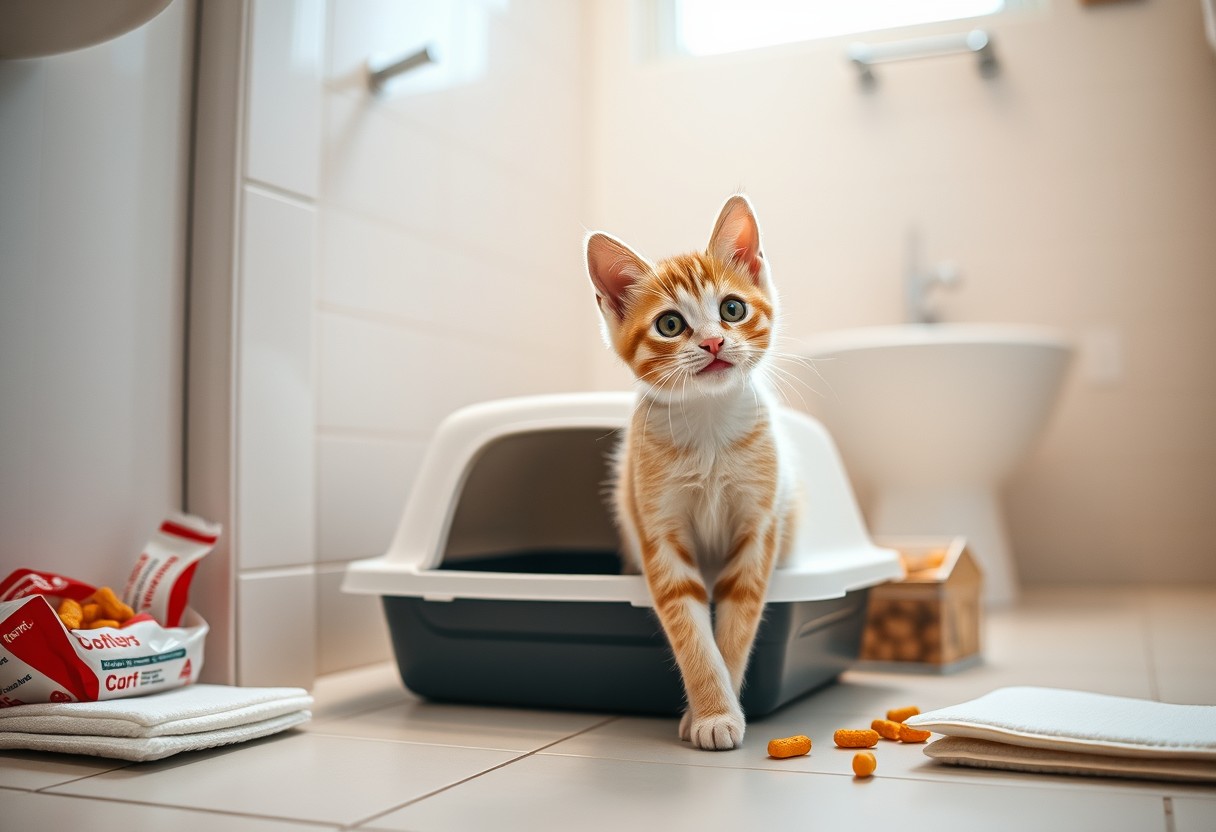
Potty training cats can bring many benefits for both pets and owners. It helps keep the home cleaner and reduces odors. Cats learn good bathroom habits, which makes living together easier. Training also strengthens the bond between you and your cat. It saves time spent on cleaning litter boxes and managing messes.
Reduces Litter Box Mess And Odors
Potty training can minimize litter tracking outside the box. It stops urine and feces from spreading on the floor. This keeps your home smelling fresher and cleaner. Less mess means less time and effort spent on cleaning.
Improves Hygiene And Health
Using a designated spot prevents bacteria from spreading. It lowers the risk of infections for both cats and humans. Cats that potty train avoid stepping in waste, staying cleaner. Better hygiene supports your cat’s overall health.
Saves Money On Litter And Cleaning Supplies
Potty training reduces the need for large amounts of litter. You use less litter because cats go outside the box. Cleaning supplies are needed less often, saving money. This makes pet care more affordable.
Strengthens The Human-cat Relationship
Training requires patience and consistency, building trust. Cats respond well to positive reinforcement during training. This interaction deepens your connection with your pet. A strong bond leads to a happier life together.
Offers Convenience For Pet Owners
Potty trained cats need less supervision. You spend less time managing litter boxes daily. This is helpful for busy owners or those with multiple pets. It makes caring for cats simpler and stress-free.
When To Start Training
Knowing the right time to start potty training your cat helps make the process smooth. Cats have natural instincts, but training guides their behavior. Starting too early or too late can cause confusion for your pet.
Watch your kitten’s development signs. Their readiness shows in small behaviors. This helps you decide the best moment to begin training.
Recognizing Kitten Readiness For Potty Training
Kittens usually start exploring litter around 3 to 4 weeks old. At this age, they can begin learning where to go. They follow their mother or owner’s cues naturally.
Look for signs like:
- Interest in the litter box area
- Ability to walk steadily
- Showing curiosity about their environment
Waiting For Physical And Emotional Maturity
Potty training is easier when kittens have control over their bladder. This control develops by 8 to 12 weeks old. Emotional maturity also helps them understand rules better.
Rushing training before this may cause accidents. Be patient and gentle during this stage.
Starting Potty Training With Adult Cats
Adult cats may need training if they are new to indoor life. The process takes more time and patience. Watch their behavior and provide a clean litter box.
Consistency is key for adult cats learning new habits.
Choosing The Right Equipment
Choosing the right equipment is crucial for potty training your cat. The right tools make the process smoother and stress-free for both you and your cat. Investing in suitable equipment ensures your cat adapts quickly to the new routine.
Types Of Cat Toilet Trainers
Cat toilet trainers come in various designs. Each type offers different benefits. Here are some popular options:
- Insert Trainers:These fit over your toilet. They have a gradual process to transition your cat.
- Standalone Systems:These resemble regular litter boxes. They gradually reduce litter usage.
- Flushable Systems:These allow flushing waste directly. Convenient for maintaining hygiene.
Consider your living space and your cat’s comfort. Choose the best option that suits both needs.
Litter Selection Tips
Choosing the right litter is vital. It affects your cat’s comfort and cleanliness. Here are some tips:
- Clumping Litter:Easy to clean. It forms solid clumps when wet.
- Non-Clumping Litter:Absorbs moisture but doesn’t form clumps. Needs regular changing.
- Biodegradable Litter:Made from natural materials. Environmentally friendly choice.
Test different litters to find your cat’s preference. Ensure the litter is dust-free to avoid allergies.
Step-by-step Training Process
Potty training a cat involves patience and clear steps. This process helps your cat learn to use the toilet instead of a litter box. Training takes time and consistency. Each phase prepares your cat for the next. Follow these steps carefully to make the transition smooth and stress-free.
Introducing The Toilet
Start by placing the litter box next to the toilet. Let your cat get used to this new spot. Gradually raise the litter box height using books or boxes. Match the litter box height to the toilet seat over days. This helps your cat feel comfortable jumping up to the toilet.
Gradual Transition From Litter Box
Replace the litter box with a training seat designed for cats. These seats fit over the toilet bowl. Begin with a small amount of litter on the seat. Slowly reduce the litter as your cat learns to balance on the seat. This step prepares your cat to use the toilet water directly.
Encouraging Consistent Use
Reward your cat after each successful toilet visit. Use treats or gentle praise to encourage good behavior. Keep the toilet lid up at all times. Clean the toilet regularly to avoid odors. Stay patient if accidents happen. Consistency is key to long-term success.
Common Challenges And Solutions
Potty training a cat can bring its share of challenges, but understanding these obstacles helps you stay patient and effective. Each cat reacts differently, so being ready for common issues makes the process smoother. Here are some frequent challenges you might face and practical ways to handle them.
Dealing With Accidents
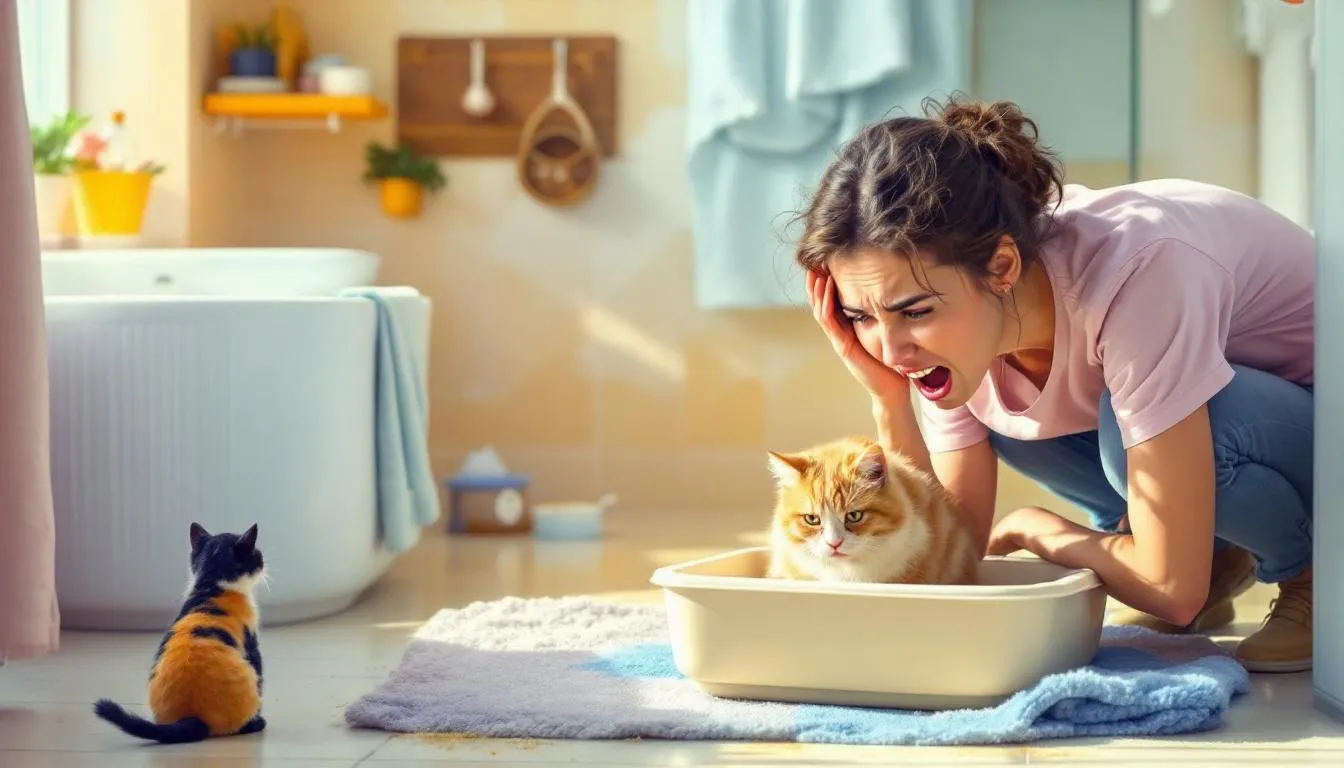
Accidents happen, even with the most well-trained cats. Instead of getting frustrated, look for patterns—are accidents happening in certain spots or times? This can help you identify if your cat is avoiding the litter box due to cleanliness, location, or stress.
To manage accidents:
- Clean the area thoroughly with an enzyme cleaner to remove smells that attract repeat accidents.
- Place temporary litter boxes near accident spots to encourage proper use.
- Monitor your cat’s health; sometimes accidents signal medical issues like infections.
Handling Resistance
Some cats resist using a litter box initially. Their resistance might stem from fear, unfamiliarity, or discomfort with the box type. Have you noticed your cat avoiding the box after a change in its environment?
Try these steps to ease resistance:
- Choose a litter box with low sides for easy access, especially for kittens or older cats.
- Use unscented, fine-grain litter that feels soft under their paws.
- Keep the box in a quiet, private area where your cat feels safe.
Maintaining Hygiene
Keeping the litter box clean is key to your cat’s willingness to use it. Cats dislike dirty boxes and may avoid them quickly. How often are you scooping and changing the litter?
Follow these hygiene tips:
- Scoop waste at least once daily to maintain freshness.
- Wash the box with mild soap and water weekly to prevent odors and bacteria buildup.
- Use multiple litter boxes if you have more than one cat to reduce crowding and stress.
When Potty Training Might Not Be Suitable
Potty training a cat is not always the best choice. Some cats may not adapt well to changes in their bathroom habits. Understanding when potty training might not be suitable helps avoid stress for both you and your pet.
Each cat has its personality and needs. Some cats prefer a litter box and feel safe using it. Forcing them to change can cause anxiety and accidents.
Health Issues Affecting Potty Training
Cats with health problems may struggle with potty training. Urinary tract infections or arthritis make it hard to move or hold urine. Training under these conditions can worsen their discomfort.
Older Cats And Habit Changes
Older cats are used to their routines. Changing bathroom habits can confuse or upset them. They may resist potty training and return to old behaviors.
Living Environment Constraints
Not all homes are suitable for potty training cats. Small apartments or places without outdoor access limit options. These cats may do better with a traditional litter box.
Stress And Anxiety Factors
Cats under stress may not respond well to potty training. Moving to a new home, new pets, or loud noises can cause anxiety. Training may add more pressure and cause accidents.
Behavioral Resistance
Some cats simply dislike using outdoor or alternative potty areas. They may avoid training and continue to use the litter box. Respecting their preferences helps maintain a peaceful home.
Alternative Options For Cat Waste Management
Managing your cat’s waste doesn’t have to be a daily chore if traditional litter boxes feel like a hassle. You have several options that can make life easier for both you and your feline friend. These alternatives might even improve your cat’s comfort and hygiene while reducing your cleaning time.
Self-cleaning Litter Boxes
Self-cleaning litter boxes are a game-changer if you want to minimize scooping. These devices automatically rake waste into a sealed compartment after your cat uses them. Imagine coming home to a fresh, clean litter box every day without lifting a finger.
While they require an upfront investment, many cat owners find the convenience worth it. Some models even have odor control features, which can make a big difference in small living spaces. Have you thought about how much time you spend cleaning and how much you could save?
Outdoor Solutions
Letting your cat do their business outside is another option, especially if you have a secure backyard. You can create a designated outdoor potty area using sand, soil, or even a DIY litter spot. This method eliminates indoor odors and litter mess altogether.
However, consider your cat’s safety and the local environment. Are there predators or busy roads nearby? If you choose this route, make sure the area is sheltered and easy for your cat to access. Outdoor potty training might need some patience but can be rewarding for both of you.

Credit: www.purina.com

Credit: raleighncvet.com
Frequently Asked Questions
Do All Cats Need Potty Training?
Most cats naturally use a litter box, so formal potty training is usually unnecessary. However, some cats may need guidance if they avoid the litter box or have behavioral issues. Potty training is more common for kittens or rescue cats unfamiliar with indoor habits.
How Long Does Cat Potty Training Take?
Potty training a cat generally takes one to two weeks. Consistency, patience, and positive reinforcement speed up the process. Some cats learn faster, especially if they have prior litter box experience or are motivated by treats and praise.
Can I Potty Train A Cat To Use The Toilet?
Yes, some cats can be trained to use a human toilet. This requires gradual steps and patience. However, it’s not suitable for all cats and may cause stress or accidents if rushed.
What Are Common Potty Training Mistakes To Avoid?
Avoid punishment, inconsistency, and dirty litter boxes. Using harsh methods can confuse cats and worsen behaviors. Always clean the litter box regularly and reward desired behaviors to encourage good potty habits.
Conclusion
Potty training a cat takes patience and time. Not all cats learn easily or want to use a toilet. Many cats prefer a litter box for comfort and privacy. Choosing the right method depends on your cat’s personality. Keep the cat’s needs and habits in mind always.
A clean litter box often works best for most cats. Remember, your cat’s happiness matters most. You can try potty training, but it is not always necessary. Caring for your cat with love brings the best results.

Leave a Reply