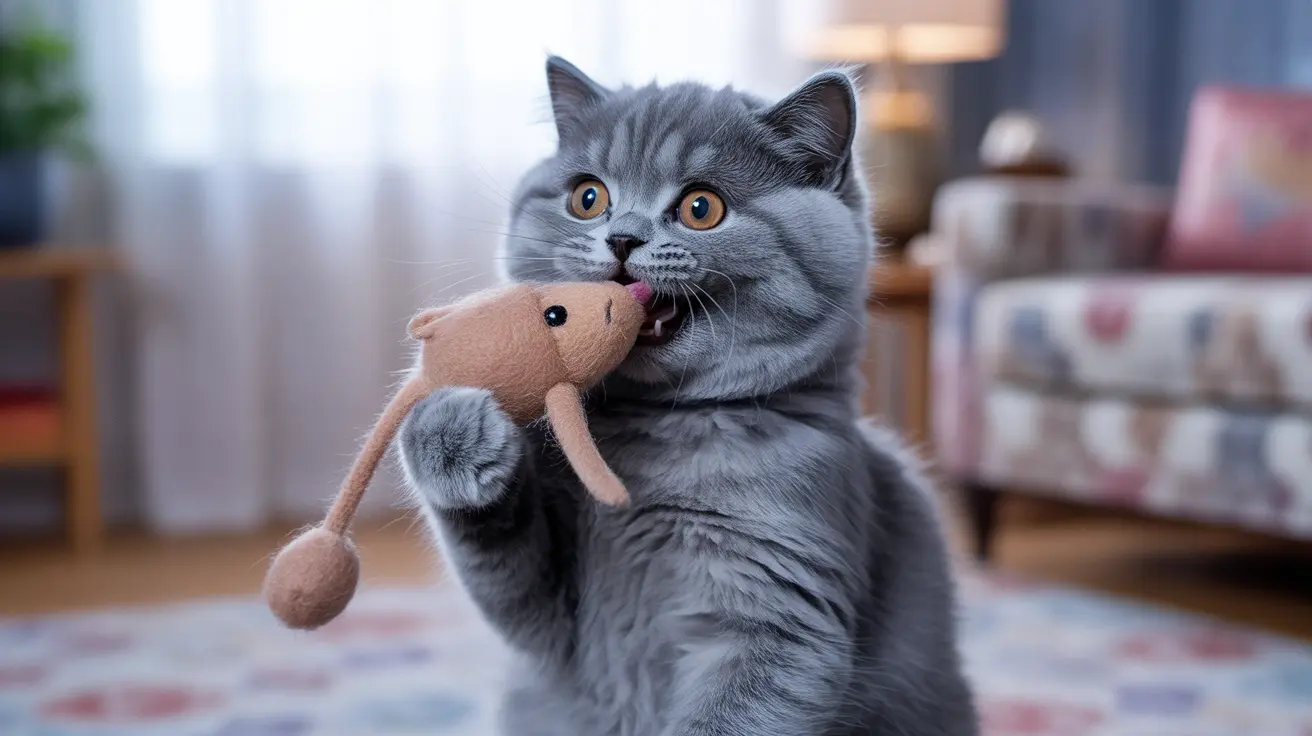
Have you ever noticed your cat meowing while chasing a toy mouse and wondered why? It’s more than just a cute noise.
Your cat’s meow during playtime reveals a lot about how they feel and what’s going on in their mind. Understanding this behavior can help you connect better with your furry friend and make playtime even more fun for both of you.
Keep reading to discover the surprising reasons behind your cat’s meows and how it affects their happiness and health.

Credit: moderncat.com
Cat Communication Through Meowing
Understanding why your cat meows when playing with a toy mouse can deepen your bond and improve your communication. Cats use meowing as a way to express their feelings, needs, and reactions to their environment. When they vocalize during play, they’re sharing more than just excitement—they’re talking to you in their unique way.
Different Meow Types
Your cat’s meow is not just one sound but a variety of tones and pitches that convey different messages. A short, sharp meow might signal surprise or alertness when the toy mouse suddenly moves. A longer, softer meow could indicate contentment or an invitation to keep playing.
Pay attention to the changes in your cat’s meows during play. You might notice a series of quick meows when they catch the toy or a drawn-out meow if they want you to join in. Each variation helps you understand how your cat feels in that moment.
Meowing As Social Interaction
When your cat meows while playing, they are often trying to engage with you. It’s their way of saying, “Look what I caught!” or “Come play with me!” This vocalization turns playtime into a shared experience, strengthening your connection.
Think about how you respond when your cat meows during play. Do you join in, or do you just watch? Your reaction teaches your cat whether their communication is effective. Try responding with your own sounds or movements to encourage more interaction.
Play Behavior In Cats
Understanding your cat’s play behavior can give you great insight into why your furry friend meows when playing with a toy mouse. Play is not just fun for cats; it’s a vital part of how they develop and express themselves. Watching your cat interact with toys reveals a lot about their instincts and emotions.
Instincts Behind Toy Play
Cats meow while playing because they tap into their natural instincts. Meowing can be a way to communicate excitement or frustration during the hunt-like play. Your cat is practicing skills it would use in the wild, such as stalking, pouncing, and capturing prey.
Think about your own cat’s play style. Does the meowing change when the toy moves faster or when they catch it? This shows how deeply instinctual their behavior is, even with a simple toy mouse.
Hunting Simulation
The toy mouse acts as a stand-in for real prey. Your cat’s meow often mimics the sounds they might make in a real hunting scenario. Sometimes it’s a call to alert or challenge, other times a way to express triumph.
When you see your cat meow while batting the toy, consider it part of their hunting ritual. They’re not just playing; they’re practicing survival skills and engaging their mind.
- Does your cat meow more with certain toys?
- Have you noticed if their meows change depending on how the toy moves?
Observing these details can help you choose toys that keep your cat mentally sharp and emotionally satisfied.
Reasons Cats Meow At Toy Mice
Cats meow at toy mice to express excitement or try to communicate during play. This sound shows their hunting instincts and joy. Sometimes, meowing helps them get your attention while they play.
Cats are fascinating creatures, each with its own quirks and behaviors. One curious behavior many cat owners observe is their feline friends meowing when playing with toy mice. Have you ever wondered why your cat does this? Below, we delve into some reasons behind this intriguing behavior.Expressing Excitement
When your cat meows at a toy mouse, it might be expressing sheer excitement. Just like how humans might cheer during a thrilling game, cats vocalize their enthusiasm. This is a sign that your cat is thoroughly engaged and enjoying its playtime.Seeking Attention
Sometimes, a meowing cat is simply trying to get your attention. If your cat notices that meowing at a toy mouse brings you over, it might repeat this behavior. Cats are smart and quickly learn which actions grab your focus.Frustration Or Challenge
A challenging toy can sometimes lead to frustration. If your cat is having trouble catching or interacting with the toy mouse, it may vocalize its feelings. This meow could be a call for help or just an expression of irritation.Mimicking Hunting Calls
Cats are natural hunters, and playing with toy mice can trigger their instinctual hunting behaviors. The meows you hear might mimic the sounds they would make while stalking prey in the wild. It’s an instinctive response that’s deeply rooted in their predatory nature. Understanding why your cat meows at toy mice can strengthen your bond and enhance playtime. Have you noticed any other quirky behaviors while your cat plays? Observing and engaging with your cat’s antics can be a rewarding experience.Emotional States Linked To Meowing
Understanding why your cat meows while playing with a toy mouse reveals much about their emotional world. Meowing is not just a random sound; it reflects various feelings your cat experiences during playtime. By tuning into these vocal cues, you can better connect with your pet and respond to their needs.
Joy And Stimulation
When your cat meows as they chase or pounce on a toy mouse, it often signals excitement and happiness. Playtime stimulates their hunting instincts, and vocalizing is a way to express this thrill. You might notice your cat’s meow changes in tone—sometimes it’s a quick, sharp sound during a sudden pounce, or a soft trill when they’re content.
Have you ever noticed your cat meowing differently depending on the toy? That difference can tell you how engaged and stimulated they feel. Encouraging this positive vocalization by joining the play can strengthen your bond and make play sessions more rewarding for both of you.
Stress And Anxiety
Not all meowing during play is joyful. Sometimes, your cat might meow because they feel stressed or unsure. This can happen if the toy moves unpredictably or if there are loud noises nearby that make your cat uneasy.
Watch for signs like tense body language or rapid meowing alongside the play. These are clues your cat might need a break or a calmer environment. Adjusting playtime to make it less intense or offering a safe space can help reduce their anxiety and keep playtime fun.
How To Respond To Your Cat’s Meows
Understanding how to respond to your cat’s meows during play can deepen your connection and make playtime more enjoyable for both of you. Cats use meows as a way to communicate their feelings, whether they’re excited, frustrated, or seeking your attention. Paying close attention to these vocalizations helps you tailor your responses to meet your cat’s needs effectively.
Encouraging Positive Play
When your cat meows while playing with a toy mouse, it often shows excitement or an invitation to keep the fun going. You can encourage this positive behavior by responding with gentle praise or joining the play actively. Try tossing the toy mouse a little further or mimicking hunting movements to keep your cat engaged.
Offering treats or affection immediately after your cat’s playful meows can reinforce that this kind of communication leads to enjoyable interactions. Have you noticed your cat’s meow change when they’re particularly happy? Matching their energy and enthusiasm can make playtime feel like a rewarding game for your feline friend.
Recognizing Distress Signals
Not all meows during play signal happiness. Sometimes your cat might meow because they feel overwhelmed or frustrated. Pay attention to the tone—sharp or repetitive meows might mean your cat wants a break or that the toy is too challenging.
If your cat’s meows sound distressed, try pausing the game and offering comfort. Observe if your cat prefers a different toy or a quieter environment. Your ability to recognize these subtle cues ensures that playtime stays fun and never becomes stressful for your pet.

Credit: www.reddit.com
Tips For Enhancing Playtime
Enhancing playtime with your cat can make a big difference in their happiness and health. When your cat meows while playing with a toy mouse, it’s a sign they’re fully engaged and enjoying the moment. To keep that excitement alive, you need to think about the toys you choose and how you interact during play sessions.
Choosing The Right Toys
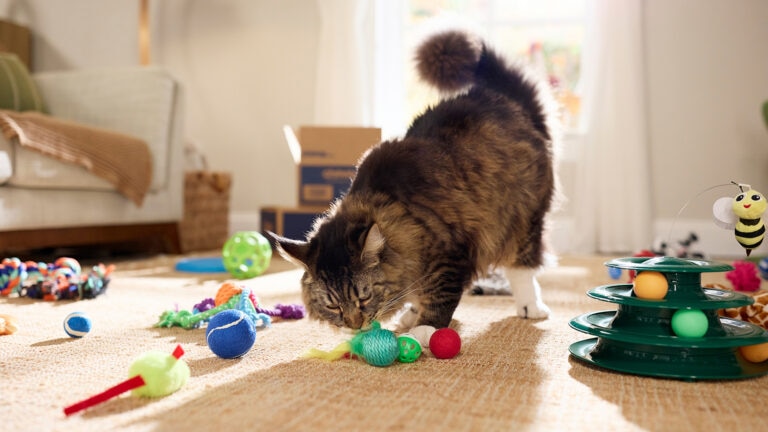
Picking toys that match your cat’s hunting instincts is key. Cats love toys that mimic real prey, like small, lightweight mouse toys they can chase and pounce on.
Look for toys that:
- Have different textures to keep your cat curious.
- Include feathers or bells to add sound and movement.
- Are safe and durable to avoid choking hazards.
Notice how your cat reacts to various toys. Does the mouse with feathers get more meows and pounces? That’s a clue to what excites them most.
Interactive Play Ideas
Your cat’s meowing can increase with the right kind of interaction. Try moving the toy mouse in unpredictable ways to simulate real hunting.
- Drag the toy slowly across the floor, then speed it up suddenly.
- Hide the toy under blankets or behind furniture for your cat to discover.
- Use a wand toy with the mouse attached to keep a safe distance while encouraging chase.
Have you tried joining your cat in the hunt? I once noticed my cat’s meows doubled when I pretended the toy mouse was trying to escape from me. This kind of play sparks their natural instincts and keeps them mentally sharp.
Credit: www.chewy.com
Frequently Asked Questions
Why Does My Cat Meow While Playing With Toys?
Cats meow during play to communicate excitement or frustration. It mimics hunting behavior and expresses their emotions. This vocalization also helps cats engage with their owners or other pets during interactive play sessions.
Is Meowing Normal When Cats Play With Mouse Toys?
Yes, meowing is normal when cats play with mouse toys. It shows their natural hunting instincts and helps them express feelings. Vocalizing adds realism to the play, making it more stimulating and enjoyable for your cat.
Can Meowing Mean My Cat Is Frustrated With The Toy?
Sometimes meowing can indicate frustration if the toy is hard to catch. Cats may vocalize when they struggle to “hunt” or when they want more interaction. Observing your cat’s behavior helps ensure play remains fun and stress-free.
Does My Cat Meow To Get My Attention During Play?
Cats often meow during play to get their owner’s attention. They want interaction, praise, or to share excitement. Responding positively strengthens your bond and encourages healthy, playful behavior.
Conclusion
Your cat’s meow while playing shows excitement and communication. It helps express joy or alertness during playtime. This behavior is normal and part of their natural instincts. Watching your cat interact with toys builds a stronger bond. Enjoy these moments—they reveal your cat’s unique personality.
Understanding these sounds makes playtime more fun for both. Keep offering toys that spark their interest and happiness. Play and meows go hand in hand, creating a lively, happy cat.



Leave a Reply