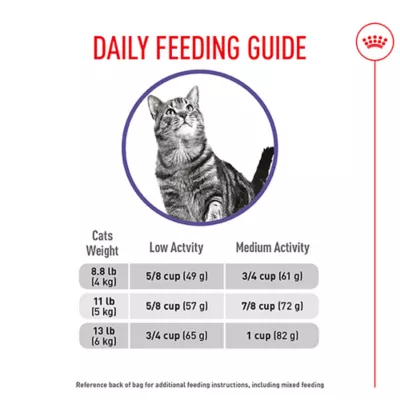
Are you unsure about how much dry food your adult cat should eat every day? Feeding your cat the right amount is key to keeping them healthy and happy.
Too much can lead to weight gain, while too little might leave your furry friend hungry and lacking nutrients. You’ll discover simple, practical tips to find the perfect portion size for your cat. Keep reading to make sure you’re giving your pet just what they need—no more, no less.
Credit: www.sobeys.com
Daily Calorie Needs
Understanding your cat’s daily calorie needs is crucial for proper feeding. Cats need enough energy to stay active and healthy. Too many calories lead to weight gain. Too few can cause health issues. Knowing how much energy your cat uses helps you give the right amount of dry food.
Factors Influencing Calorie Requirements
Several factors affect how many calories your cat needs each day. Age plays a big role. Younger cats burn more energy than older ones. Activity level matters too. Active cats need more calories than those who rest a lot.
Health status also changes calorie needs. Pregnant or nursing cats require extra energy. Cats with illnesses may need fewer calories. Weight and body size are important as well. Larger cats burn more calories than smaller ones.
Estimating Your Cat’s Energy Needs
Start by finding your cat’s ideal weight. Use this number to estimate calorie needs. A common formula for adult cats is:
| Cat’s Ideal Weight (kg) | Calories per Day |
|---|---|
| 1 | 40-50 |
| 3 | 120-150 |
| 5 | 200-250 |
This range helps guide daily feeding amounts. Adjust based on your cat’s lifestyle and health. Watch your cat’s weight and energy. Change feeding amounts if needed. Consult your vet for the best plan.
Calculating Dry Food Portions
Calculating the right dry food portions for an adult cat is crucial for its health. Providing too much food can lead to obesity, while too little can cause nutritional problems. Understanding how to measure the correct amount helps keep your cat fit and happy. Use simple steps to find the best portion size tailored to your cat’s needs.
Reading Food Labels
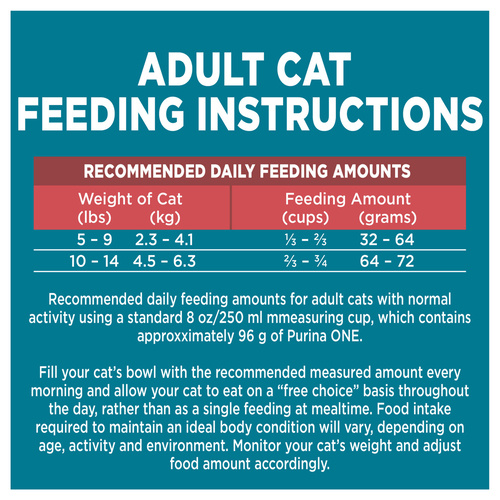
Food labels give important feeding guidelines. They usually show recommended daily amounts based on your cat’s weight. Look for the section that says “feeding instructions” or “daily ration.”
Labels often list portions in grams or cups. Use a kitchen scale or measuring cup for accuracy. Check the calorie content too. Some foods are more calorie-dense than others. Adjust portions if your cat’s weight changes.
Adjusting Portions By Weight And Activity
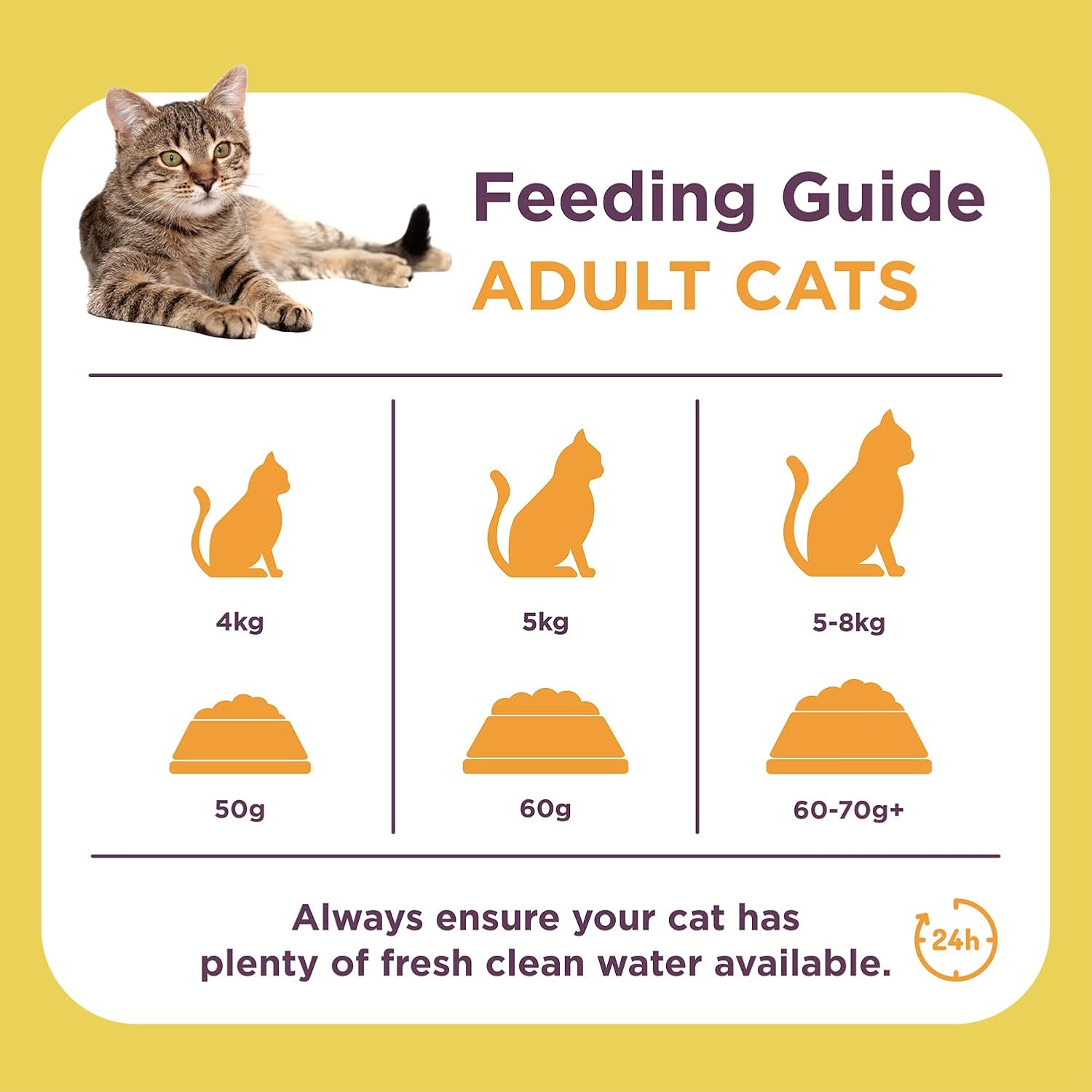
Each cat is different. Weight and activity level affect how much food they need. A very active cat burns more calories and needs more food. A less active cat needs less to avoid weight gain.
Use your cat’s ideal weight as a guide, not just current weight. If your cat is overweight, reduce portions gradually. Increase portions if your cat is underweight or very active. Monitor your cat’s weight weekly to adjust amounts.
Balancing Dry And Wet Food
Balancing dry and wet food for your adult cat can make a big difference in their health and happiness. Finding the right mix helps keep your cat hydrated and supports their dental health while providing variety in taste and texture. How do you decide the perfect balance that meets your cat’s needs without overfeeding?
Benefits Of Mixed Feeding
Offering both dry and wet food gives your cat the best of both worlds. Wet food adds moisture to their diet, which is great for kidney health and urinary tract support. Dry food, on the other hand, can help keep teeth cleaner by reducing plaque buildup.
Many cats enjoy the texture contrast between crunchy kibble and soft wet food. This variety can prevent picky eating habits and keep mealtime exciting. Plus, mixed feeding allows you to control calorie intake more effectively, reducing the risk of obesity.
Portion Control Tips
Balancing portions is key to avoid overfeeding. Start by checking the feeding guidelines on both dry and wet food packages. Remember, the total daily calories from both should match your cat’s energy needs.
Use a measuring cup for dry food and weigh wet food servings to stay precise. Split the daily amount into two or more meals to keep your cat satisfied throughout the day. Have you noticed if your cat tends to overeat one type? Adjust portions accordingly and watch for changes in weight and behavior.
Signs Of Overfeeding And Underfeeding
Cats eating too much dry food may gain weight and become less active. Eating too little can cause weight loss and low energy. Watch your cat’s body and behavior to spot these signs early.
Feeding your cat the right amount of dry food is crucial to their health. Both overfeeding and underfeeding can lead to significant health issues. Do you wonder if you’re feeding your cat too much or too little? Paying close attention to the signs can help you maintain your cat’s well-being.Weight Monitoring Techniques
Regularly weighing your cat can provide insights into their diet’s effectiveness. A simple digital scale works well. Weigh your cat weekly and note any significant weight changes. Cats should maintain a stable weight, with slight fluctuations being normal. If your cat is gaining or losing weight rapidly, it might be time to adjust their food intake.Behavioral Indicators
Cats often express their dietary needs through behavior. Is your cat constantly begging for food, even right after meals? This could signal underfeeding. On the other hand, a lazy and lethargic cat might be overfed. Pay attention to their energy levels and how they interact with their environment. Your cat’s behavior is a direct reflection of their health and happiness.Special Considerations
Feeding your adult cat dry food isn’t a one-size-fits-all situation. Certain factors like age, health, and life stage play a big role in deciding how much food is just right. Paying attention to these special considerations helps you avoid overfeeding or underfeeding, keeping your cat happy and healthy.
Age And Health Conditions
As cats age, their metabolism and activity levels change. Older cats usually need fewer calories than younger adults, so you should adjust their dry food portions accordingly. If your cat has health issues like kidney disease, diabetes, or obesity, their diet might require special adjustments.
For example, cats with kidney problems may need less protein and phosphorus, which means a different type of dry food or reduced quantity. Have you noticed your cat slowing down or gaining weight? It might be time to talk to your vet about modifying their feeding amount and food type.
Pregnant And Nursing Cats
Pregnant and nursing cats have higher energy demands. They need more calories to support themselves and their kittens. This means increasing the amount of dry food you offer, but it’s important to do so gradually to avoid digestive upset.
During this period, feeding smaller, more frequent meals can be helpful. You can also mix in wet food or supplements to ensure your cat gets enough moisture and nutrients. Are you monitoring your cat’s weight and energy closely during pregnancy or nursing? It’s key to adjust feeding amounts as her needs change.
Credit: www.purina.com
Feeding Schedule Ideas
Establishing a feeding schedule helps maintain your cat’s health and weight. Cats thrive on routine. Feeding at set times supports digestion and energy levels. Different schedules suit different cats and lifestyles. Choose what fits your cat’s needs best.
Free Feeding Vs Scheduled Meals
Free feeding means leaving dry food out all day. Cats eat small amounts often. This suits cats that graze. It can lead to overeating in some cats. Scheduled meals mean feeding at specific times. You control portions and monitor eating habits. This method helps prevent obesity. Some cats feel more secure with set meal times.
Tips For Consistency
- Feed your cat at the same times daily.
- Measure food portions to avoid overfeeding.
- Use a quiet, comfortable feeding spot.
- Observe your cat’s hunger and adjust if needed.
- Keep fresh water available at all times.
Consistency creates a sense of security for your cat. It also helps you spot health changes early. Stick to your chosen schedule for best results.
Common Feeding Mistakes
Feeding your adult cat might seem straightforward, but many pet owners unknowingly make mistakes that affect their cat’s health. Understanding these common feeding errors helps you adjust portions and food types for your furry friend’s well-being. Let’s dive into some pitfalls you should watch out for when feeding dry food.
Ignoring Individual Needs
Every cat is unique, with different activity levels, health conditions, and metabolism rates. Feeding the same amount of dry food to all cats can lead to weight gain or malnutrition. Have you noticed your cat gaining weight despite following the package guidelines? This might mean you need to tailor the portion size to fit your cat’s specific needs.
Consider factors like age, weight, and lifestyle. For example, an indoor cat that doesn’t exercise much needs less food than a playful outdoor cat. Consulting your vet for personalized feeding advice can prevent overfeeding or underfeeding.
Overreliance On Dry Food
Dry food is convenient, but relying on it exclusively can cause problems. Cats need moisture in their diet, which dry kibble lacks. This can lead to dehydration and urinary tract issues.
Mixing wet food or providing fresh water throughout the day supports your cat’s health. Have you checked if your cat drinks enough water? Adding wet food or water-rich treats can make a big difference in their hydration and overall nutrition.
Credit: pet-supermarket.co.uk
Frequently Asked Questions
How Much Dry Food Should An Adult Cat Eat Daily?
An adult cat typically needs 1/4 to 1/2 cup of dry food daily. Portion size depends on weight, age, and activity. Always check the food packaging and consult your vet for personalized advice.
Can Feeding Too Much Dry Food Harm Cats?
Yes, overfeeding dry food can cause obesity and health issues. Excess calories lead to weight gain and related problems. Measure portions carefully to maintain your cat’s ideal weight and well-being.
Should Dry Food Be The Only Diet For Adult Cats?
Dry food alone may lack moisture cats need. Combining dry food with wet food ensures hydration and balanced nutrition. Always provide fresh water alongside dry food for optimal health.
How To Adjust Dry Food Based On Cat’s Activity Level?
Active cats require more calories, so increase dry food portions slightly. Less active cats need smaller portions to prevent weight gain. Adjust feeding amounts based on your cat’s lifestyle and energy needs.
Conclusion
Feeding your adult cat the right amount of dry food is important. Too much can cause weight gain and health problems. Too little may leave your cat hungry or weak. Use the feeding guidelines on the package as a starting point.
Adjust the amount based on your cat’s activity and health. Always provide fresh water alongside dry food. Watch your cat’s weight and energy levels closely. A balanced diet helps keep your cat happy and healthy every day. Small changes can make a big difference in your cat’s life.

Leave a Reply