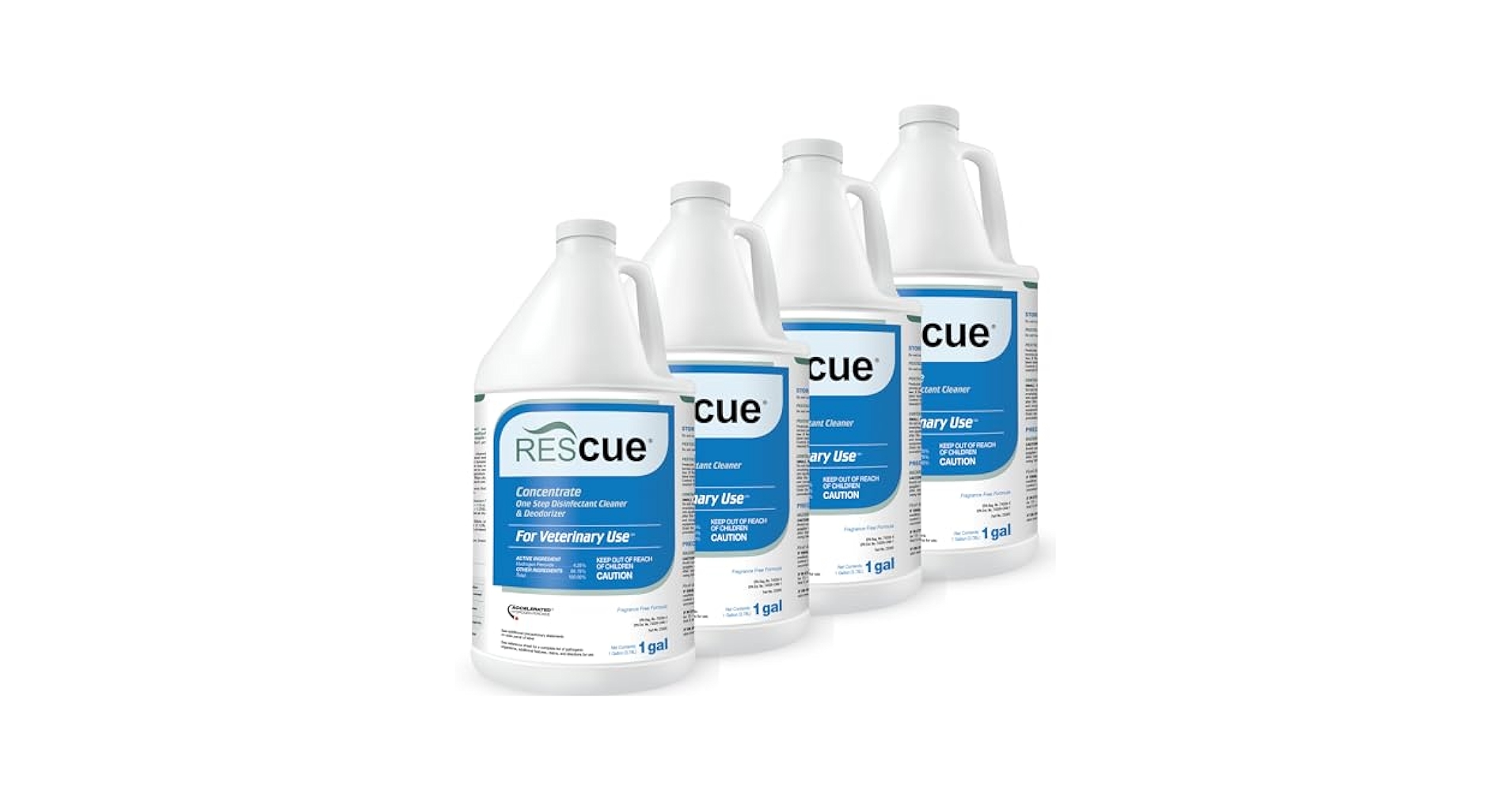
If you’re like most cat owners, keeping your furry friend’s toys clean is important to you. But you might be wondering, can you safely spray cat toys with Rescue disinfectants?
You want to protect your pet from germs without exposing them to harmful chemicals. You’ll discover what Rescue disinfectants are, whether they’re safe for your cat’s toys, and the best ways to keep your kitty’s playthings clean and safe. Keep reading to make sure your cat stays healthy and happy!
Rescue Disinfectants Basics
Understanding the basics of Rescue Disinfectants is key before you consider spraying them on your cat’s toys. These products are designed to eliminate harmful germs and bacteria, but it’s important to know what’s inside and why they work the way they do. Knowing the ingredients and their purpose helps you decide if they’re safe and effective for your furry friend’s playthings.
Common Ingredients
Rescue Disinfectants often contain a mix of powerful chemicals aimed at killing germs quickly. You’ll commonly find:
- Alcoholslike ethanol or isopropanol, which break down germs fast but can be harsh on surfaces.
- Quaternary Ammonium Compounds(quats), effective against a broad range of microbes and often used in household disinfectants.
- Hydrogen Peroxide, a gentler option that still kills bacteria and viruses without leaving harmful residues.
- Chlorine-based agents, like sodium hypochlorite, known for strong disinfecting power but can be toxic if misused.
Each ingredient has pros and cons, especially when pets are involved. For example, alcohol evaporates quickly but might dry out plastic toys, while quats are less harsh but can still cause irritation if ingested.
Disinfectant Purposes
Rescue Disinfectants are created to do more than just clean—they aim to protect you and your pets from infections. Their main goals include:
- Eliminating bacteria, viruses, and fungi that can cause illness.
- Reducing the risk of cross-contamination between surfaces and your pet’s environment.
- Maintaining a hygienic space without harmful residues that might linger.
Think about your cat’s toys—they’re often in contact with saliva and tiny scratches, making them potential germ hotspots. Using a disinfectant that matches your needs can keep your pet safer. But have you ever considered how the type of disinfectant might affect your cat’s health or the durability of their toys?

Credit: www.petsradar.com
Cat Toys Materials
Understanding the materials used in your cat’s toys is crucial before spraying any disinfectant like Rescue. Each material reacts differently to cleaning agents, which can affect the toy’s durability and your cat’s safety.
Types Of Cat Toys
Cat toys come in a variety of materials, including:
- Fabric:Soft toys often made from cotton, felt, or fleece.
- Plastic:Hard toys like balls or interactive gadgets.
- Rubber:Chew toys and flexible balls.
- Natural materials:Wood, sisal, or feathers.
Each type has unique cleaning needs. For instance, fabric toys can absorb liquids, while plastic toys are more resistant.
Material Sensitivity
Spraying Rescue disinfectant on fabric toys may cause discoloration or weaken the fibers over time. You might notice a change in texture or smell, which can discourage your cat from playing.
Plastic and rubber toys generally handle disinfectants better but beware of any chemical residue that could irritate your cat’s skin or mouth. Natural materials like wood or feathers are often delicate and can degrade quickly if exposed to moisture or harsh chemicals.
Think about your cat’s health—would you want them chewing on a toy that’s been soaked in something potentially harmful? Testing a small area first or wiping the toy with a damp cloth after spraying can help reduce risks.
Safety Concerns
When considering disinfecting cat toys with Rescue Disinfectants, safety is crucial. Cats are sensitive creatures. They can react negatively to certain chemicals. Understanding potential risks is essential for their well-being.
Toxicity Risks
Rescue Disinfectants may contain chemicals harmful to cats. Cats are more sensitive than humans to toxins. Even small amounts can cause issues. It’s vital to check the ingredient list. Ensure no harmful substances are present.
Ingestion Hazards
Cats often chew or lick their toys. If toys are sprayed with disinfectants, residue may remain. This poses a risk if ingested. It could lead to stomach upset or worse. Always rinse toys thoroughly after disinfecting.
Skin Irritation
Cats have delicate skin. Contact with disinfected surfaces can cause irritation. This may result in itching or redness. Ensure toys are dry before returning them. This reduces the risk of skin issues.

Credit: www.reddit.com
Proper Use Of Disinfectants
Using disinfectants on cat toys requires care and knowledge. Proper use ensures safety for your pet and effectiveness in cleaning. Always follow the instructions on the disinfectant label. Some products may not be safe for pet items. Choose a disinfectant that is pet-friendly and non-toxic.
Clean toys first with soap and water to remove dirt. Apply the disinfectant in a way that covers all surfaces. Avoid soaking toys that can absorb liquids or get damaged.
Recommended Application Methods
- Spray the disinfectant evenly on the toy’s surface.
- Use a clean cloth to wipe the toy after spraying.
- For hard toys, you can soak them briefly if the label allows.
- Soft or fabric toys should only be lightly sprayed to avoid damage.
- Do not mix disinfectants with other cleaning products.
Drying Time Importance
Let the toy dry completely before giving it back to your cat. Wet disinfectants can cause irritation or harm your pet. Drying also helps the disinfectant work better and last longer.
Place toys in a clean, dry area for air drying. Avoid using towels that might leave fibers on the toy. Ensure no strong chemical smell remains before use.
Alternatives To Rescue Disinfectants
Looking for alternatives to Rescue disinfectants can be a smart move, especially when you want to keep your cat’s toys safe and free from harmful chemicals. Many disinfectants contain ingredients that might not be ideal for your furry friend’s sensitive nose or skin. Choosing safer options helps maintain a clean environment without compromising your pet’s health.
Pet-safe Cleaning Solutions
There are disinfectants specifically designed with pets in mind. These products avoid harsh chemicals like bleach or ammonia, which can irritate your cat’s respiratory system or cause allergic reactions.
Look for labels that say “pet-safe” or “non-toxic.” Brands such as Simple Greenor Seventh Generationoffer effective cleaning without dangerous residues.
When using these, spray lightly and wipe thoroughly to remove any excess liquid. This reduces the chance of your cat ingesting or coming into contact with residues.
Natural Cleaning Options
Natural ingredients can also do a great job cleaning cat toys. White vinegar and water mixed in equal parts is a powerful, non-toxic cleaner that kills many germs.
Baking soda is another safe choice to scrub away dirt or odors without harming your pet. It’s gentle but effective on most surfaces.
If you want a fresh scent, try adding a few drops of pet-safe essential oils like lavender or chamomile. Just be cautious, as some oils can be toxic to cats—research before using.
Have you tried switching to natural cleaners? You might notice fewer sneezes or skin irritations in your cat, making cleaning a win-win for both of you.
Tips For Cleaning Cat Toys
Keeping your cat’s toys clean is essential for their health and happiness. Dirty toys can harbor germs, bacteria, and even parasites that might harm your furry friend. Understanding how often and how to clean these toys safely helps you maintain a playful and safe environment for your cat.
Frequency Of Cleaning
How often you clean cat toys depends on the type of toy and how much your cat plays with it. Soft toys that your cat cuddles with daily may need washing every week. Hard plastic or rubber toys can be wiped down every few days or when visibly dirty.
If your cat has been sick, cleaning toys immediately is a must to prevent reinfection. Also, consider cleaning toys more frequently during flu season or if you have multiple pets sharing toys. Do you notice your cat losing interest? Sometimes a fresh-smelling toy after cleaning can renew their excitement.
Safe Cleaning Practices
Not all cleaning products are safe for cat toys. Avoid harsh chemicals like bleach or ammonia that could leave harmful residues. Instead, use mild soap and warm water or pet-safe disinfectants designed specifically for animal products.
Before spraying any rescue disinfectant on toys, check the label to ensure it’s safe for use around pets and won’t irritate their skin or nose. Rinse thoroughly after cleaning to remove any traces of the disinfectant. Let toys dry completely before giving them back to your cat to prevent mold and bacteria growth.
For soft toys, you can often machine wash them in a gentle cycle, but always check the care instructions. If you’re unsure about a product’s safety, test it on a small part of the toy first or consult your veterinarian. What cleaning routines do you follow to keep your cat’s playtime safe?

Credit: www.hillspet.com
Frequently Asked Questions
Can I Safely Spray Rescue Disinfectants On Cat Toys?
Yes, you can spray Rescue disinfectants on cat toys if the product label allows pet-safe use. Always check the ingredients and ensure toys dry completely before use.
Are Rescue Disinfectants Toxic To Cats?
Most Rescue disinfectants are formulated to be non-toxic once dry. Avoid direct spraying on pets and ventilate the area well during use.
How Often Should I Disinfect Cat Toys With Rescue?
Disinfect cat toys weekly or after heavy use. Regular cleaning helps reduce germs while keeping your cat’s playthings safe and hygienic.
Can Rescue Disinfectants Remove Bacteria From Cat Toys?
Yes, Rescue disinfectants effectively kill bacteria and viruses on surfaces, including cat toys. Follow usage instructions for best results.
Conclusion
Spraying cat toys with Rescue disinfectants can keep them clean and safe. Always check the product label for pet safety before use. Let toys dry completely before giving them back to your cat. Avoid spraying too much to protect your pet’s health.
Regular cleaning helps reduce germs and keeps playtime fun. Remember, a clean toy is a happy toy. Keep your cat’s environment healthy with simple, safe steps. Your pet will thank you with happy, safe play.



Leave a Reply