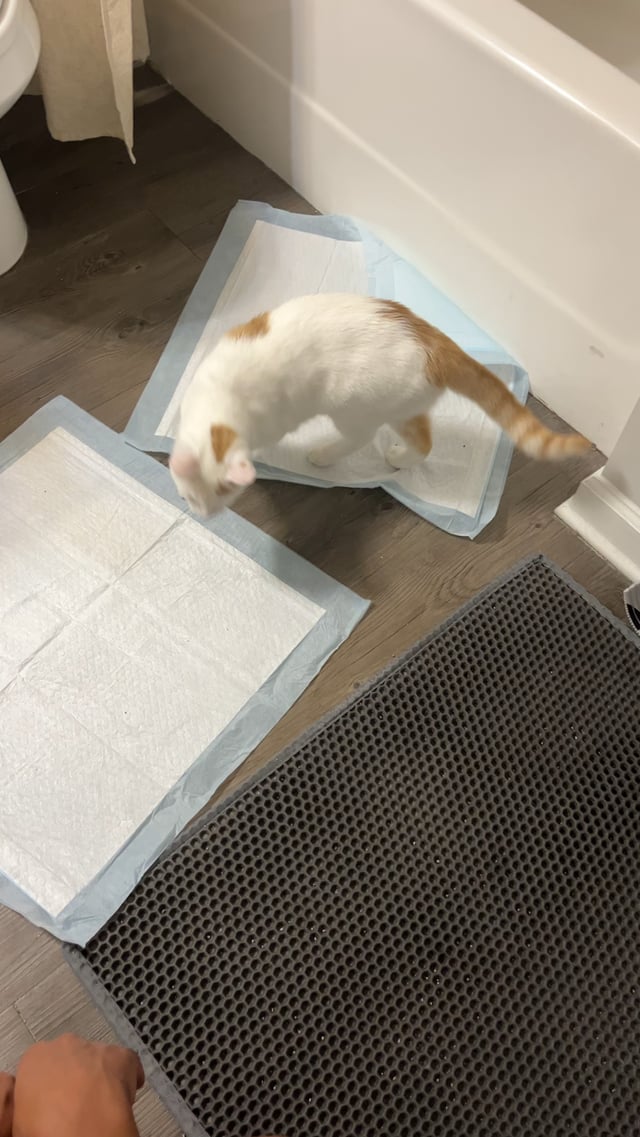
Have you ever noticed your cat meowing just before using the litter box and wondered why? It might seem like a small, strange habit, but your furry friend is trying to tell you something important.
Understanding this behavior can help you keep your cat happy and healthy. You’ll discover the surprising reasons behind those meows and what they mean for your cat’s well-being. Keep reading to learn how to respond and make your cat feel comfortable every time they visit their litter box.
Cat Vocalizations And Behavior
Cats use vocal sounds to express their feelings and needs. Meowing is one key way cats communicate with humans. These sounds show emotions like happiness, stress, or discomfort. Understanding cat vocalizations helps decode their behavior.
When a cat meows before using the litter box, it may signal something important. This behavior can reflect physical or emotional states. Observing these vocal cues guides better care and attention for your pet.
Types Of Cat Meows
- Short meow: A quick sound to greet or get attention.
- Repeated meow: Shows excitement or urgency.
- Long meow: May indicate discomfort or demand.
- Trill or chirp: Often a friendly or playful sound.
- Hissing or growling: Signals fear or warning.
Communication Through Meowing
Cats rarely meow to other cats. They mainly use this sound to talk to humans. Each meow can have a different meaning based on tone and context.
Before using the litter box, a cat may meow to express discomfort or ask for help. This vocalization can mean the cat feels pain or has trouble with the box. It can also be a way to get your attention for cleaning or to change the litter.
Listening carefully to these sounds helps you understand your cat’s needs better. It strengthens the bond between you and your pet.
Reasons For Meowing Before Litter Use
Cats are fascinating creatures with unique behaviors. One intriguing habit is meowing before using the litter box. Understanding this behavior can help cat owners provide better care. Let’s explore some reasons behind this curious feline behavior.
Seeking Attention Or Reassurance
Cats often seek attention from their owners. Meowing before using the litter box might be their way of getting noticed. They might want to ensure you’re nearby. This can be a sign of needing comfort or reassurance.
Discomfort Or Health Issues
A cat meowing before litter use can indicate discomfort. They might be experiencing pain or difficulty. Health issues like urinary tract infections can cause such behavior. It’s crucial to observe other symptoms and consult a vet.
Marking Territory
Cats are territorial animals. Meowing before using the litter box can be a way to mark their area. They might do this to assert dominance. It’s a natural behavior in multi-cat households.
Anxiety Or Stress Triggers
Stress or anxiety can lead to meowing before litter use. Changes in the environment might trigger this behavior. Cats are sensitive to new people or pets in the home. Providing a calm environment can help reduce stress.
Litter Box Environment Factors
The environment around the litter box plays a key role in your cat’s behavior. Cats are very sensitive to their surroundings. Changes in litter box conditions can cause them to meow before using it. Understanding these factors helps you create a calm and inviting space for your cat.
Cleanliness And Maintenance
Cats prefer a clean litter box. A dirty box may make them uncomfortable or stressed. Meowing before using the box can be a way to express this discomfort. Regular scooping and full litter changes help keep the box fresh. Cleanliness reduces odors and prevents health issues. Your cat feels safer in a tidy environment.
Litter Type Preferences
Not all cats like the same kind of litter. Some prefer clumping, while others like natural or unscented options. A wrong litter type may cause hesitation or vocalization. Meowing might signal that the texture or smell is unpleasant. Observe your cat’s reaction to different litters. Offering choices can improve their comfort and reduce meowing.
Location And Privacy
Where you place the litter box matters a lot. Cats need privacy and quiet to feel secure. A noisy or busy area can make them anxious. Meowing before using the box may be a call for a better spot. Choose a calm, low-traffic place. Avoid areas near loud appliances or food bowls. Privacy encourages calm, confident litter box use.

Credit: www.reddit.com
Behavioral Patterns To Watch
Observing your cat’s behavior before using the litter box helps identify important signals. Cats often communicate discomfort or stress through meowing. Noticing changes in their vocal patterns can reveal health or emotional issues. Paying close attention to these behaviors supports your cat’s well-being and comfort.
Changes In Meowing Frequency
A sudden increase in meowing before the litter box can signal distress. Your cat may feel pain or discomfort. A decrease in meowing might also indicate a problem, such as reluctance to use the box. Track how often and when your cat meows to notice unusual patterns early.
Signs Of Urinary Problems
Meowing before using the litter box could mean urinary tract issues. Watch for signs like straining, frequent attempts, or blood in the urine. These symptoms need prompt attention from a veterinarian. Early detection prevents serious health problems and helps your cat feel better quickly.
Impact Of New Household Changes
Changes in your home can stress your cat. New pets, furniture, or loud noises may trigger more meowing. Your cat might be uneasy about using the litter box. Creating a calm, consistent environment helps your cat feel safe and reduces stress-related vocalizing.
How To Respond To Your Cat’s Meows
When your cat meows before using the litter box, it’s important to pay attention to what they might be trying to tell you. Your response can make a big difference in their comfort and well-being. Understanding why they vocalize and how you react can strengthen your bond and help avoid potential health or behavioral problems.
Health Checkups And Vet Visits
Sometimes, meowing before using the litter box signals discomfort or pain. Cats may have urinary tract infections, bladder stones, or constipation that cause them to vocalize. If your cat’s meows are new or have increased, schedule a vet visit to rule out medical issues.
Keep track of other signs like straining, blood in urine, or changes in litter box habits. These clues help your vet diagnose the problem quickly. Ignoring these vocalizations might lead to worsened health or stress for your cat.
Adjusting Litter Box Setup
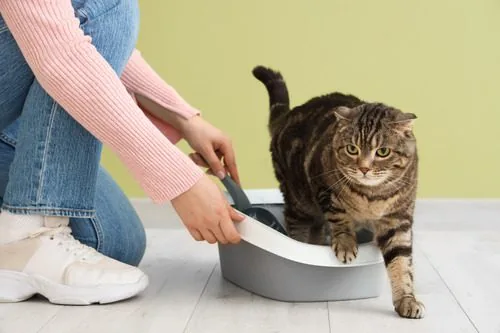
Your cat’s meows could mean they don’t like something about their litter box. Cats are picky about cleanliness, location, and type of litter. Try cleaning the box more often or switching to a different kind of litter to see if the meowing stops.
Consider the box size and accessibility. Older cats or those with mobility issues may meow if the box is hard to enter. Placing multiple boxes around your home can also reduce stress and vocal complaints.
Providing Comfort And Reducing Stress
Meowing can be your cat’s way of asking for reassurance. Stress from changes in the home, loud noises, or new pets can make them vocal before using the litter box. Spend extra time playing and cuddling to help them feel secure.
Creating a quiet, safe space near the litter box can calm your cat. Use calming sprays or diffusers designed for cats to reduce anxiety. Have you noticed if your cat’s meowing decreases when you’re nearby? This might indicate they seek your comfort during vulnerable moments.
Credit: lacvets.com
Credit: meowant.com
Frequently Asked Questions
Why Does My Cat Meow Before Using The Litter Box?
Cats meow before using the litter box to communicate discomfort or seek attention. This behavior can indicate stress, health issues, or that the litter box needs cleaning. Understanding this helps address your cat’s needs and ensures their comfort and well-being.
Is Meowing Before Litter Box Use A Sign Of Illness?
Yes, frequent meowing before using the litter box can signal urinary tract infections or other health problems. If your cat exhibits this behavior often, a vet checkup is essential to rule out medical issues and provide timely treatment.
Can Litter Box Cleanliness Affect My Cat’s Meowing?
Absolutely. Cats dislike dirty litter boxes and may meow to express dissatisfaction. Keeping the litter box clean reduces stress and prevents meowing caused by discomfort or reluctance to use a soiled area.
Does Anxiety Cause Cats To Meow Before Litter Box Use?
Yes, anxiety or stress can make cats vocalize before using the litter box. Changes in environment, new pets, or loud noises may trigger this behavior. Creating a calm, secure space helps reduce anxiety-related meowing.
Conclusion
Cats meow before using the litter box for many reasons. They might want attention or feel stressed. Sometimes, they try to tell you something is wrong. Watching your cat’s behavior helps you understand their needs. Responding with care strengthens your bond.
Remember, patience and love guide your cat’s comfort. Every meow has a meaning. Stay observant and keep your cat happy.



Leave a Reply