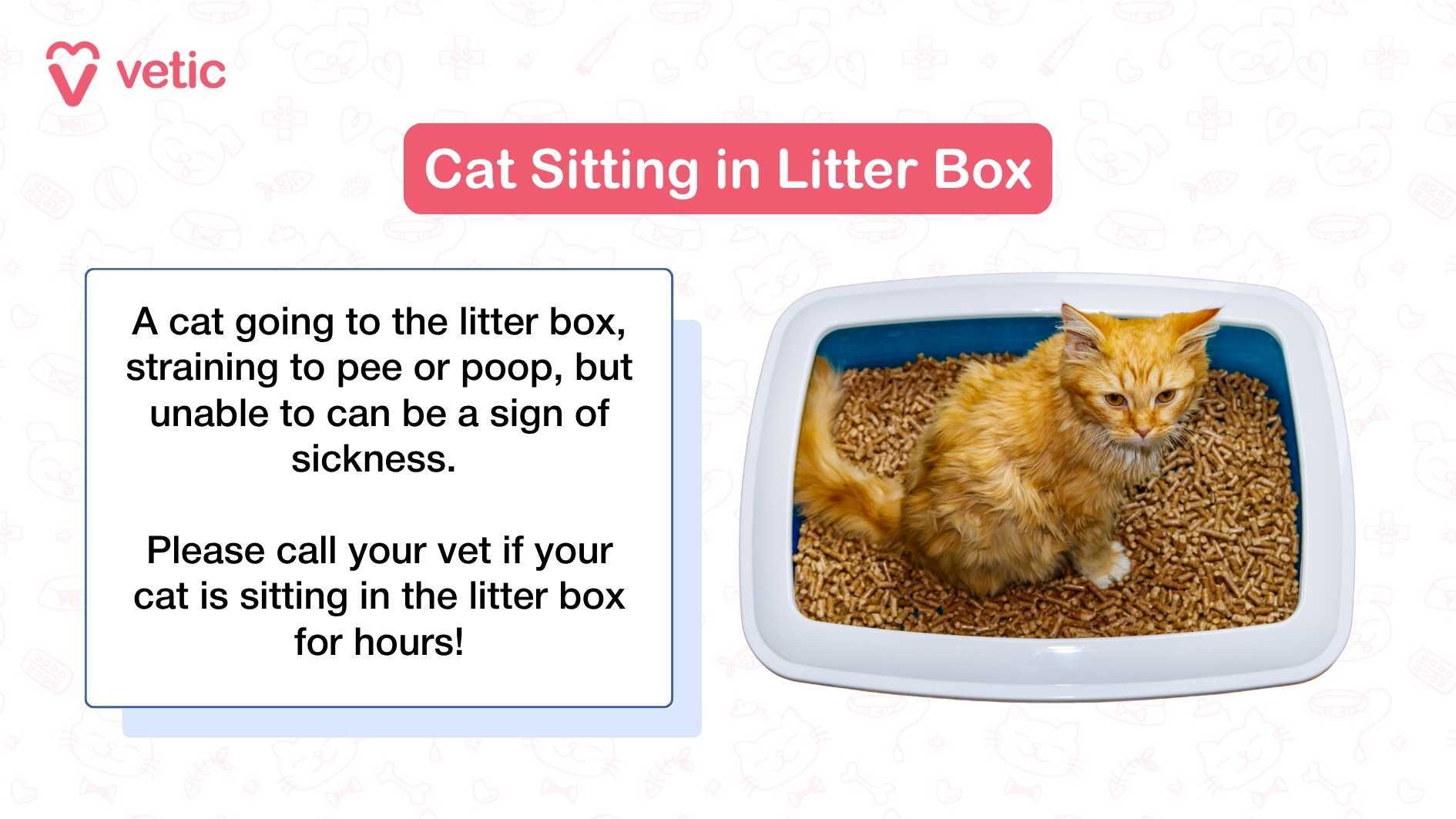
Have you ever wondered if your cat’s dirty litter box could be making them sick? It might seem like a small detail, but the cleanliness of your cat’s bathroom area plays a big role in their health.
If you’ve noticed your furry friend acting off or avoiding the litter box, it’s time to pay attention. You’ll discover how a dirty litter box can affect your cat’s well-being and what simple steps you can take to keep your pet happy and healthy.
Keep reading—you won’t want to miss these important insights that could save your cat from discomfort and illness.
Health Risks Of Dirty Litter Boxes
A dirty litter box creates a dangerous environment for cats. It can cause several health problems that affect their well-being. Cats use their litter box daily, so cleanliness is crucial. Poor hygiene invites harmful germs and parasites. These health risks can lead to serious illness or discomfort for your pet.
Bacterial Infections
Dirty litter boxes harbor many bacteria. These bacteria can cause infections in cats. Common infections include urinary tract infections and skin problems. Bacteria from feces and urine multiply quickly in unclean litter. Cats can get sick by contact or inhaling these germs. Regular cleaning reduces bacterial growth and protects your cat.
Parasite Transmission
Parasites thrive in dirty litter boxes. Fleas, ticks, and worms can spread easily. Cats can ingest parasite eggs or larvae while grooming. Parasites cause symptoms like itching, weight loss, and diarrhea. Some parasites can also infect humans. Keeping the litter box clean stops parasite transmission.
Respiratory Issues
Dust and ammonia build up in dirty litter boxes. Ammonia comes from urine and irritates the cat’s lungs. This causes coughing, sneezing, and breathing problems. Cats with asthma or allergies suffer more in dirty boxes. Clean litter boxes improve air quality and reduce respiratory risks.
Common Illnesses Linked To Unclean Litter
Dirty litter boxes are more than just unpleasant for your cat—they can directly impact their health. Unclean environments invite harmful bacteria and parasites, which can lead to several common illnesses. Understanding these risks helps you keep your cat safe and comfortable every day.
Urinary Tract Infections
When litter boxes aren’t cleaned regularly, bacteria multiply quickly. This increases the risk of urinary tract infections (UTIs) in cats. You might notice your cat straining to urinate or going outside the litter box, signaling discomfort caused by infection.
Ignoring these signs can lead to serious kidney problems. Regular scooping and thorough cleaning reduce bacteria buildup, cutting the chances of UTIs drastically. Have you checked your cat’s litter box cleanliness today?
Gastrointestinal Problems
Dirty litter can harbor harmful parasites and germs that your cat might ingest while grooming. This can cause vomiting, diarrhea, and other digestive issues. If your cat suddenly shows these symptoms, a dirty litter box could be the hidden culprit.
Keeping the litter fresh helps prevent the spread of these illnesses. You can also use clumping litter to make scooping easier and more effective. How often do you replace your cat’s litter entirely?
Skin Irritations
Unclean litter boxes expose your cat’s paws and skin to irritants and bacteria. This can cause redness, itching, or even infections on their skin. Cats may lick or scratch the irritated areas, worsening the problem.
Regular cleaning and using gentle, dust-free litter can protect your cat’s skin health. Observing your cat’s behavior around their litter box can alert you early to any discomfort. Have you noticed your cat licking their paws more than usual?
Behavioral Changes From Dirty Litter Boxes
Dirty litter boxes don’t just create an unpleasant environment; they can lead to noticeable changes in your cat’s behavior. Cats are creatures of habit and cleanliness, so a neglected litter box can disrupt their daily routine and comfort. These changes often signal that your cat is unhappy or unwell, and paying attention can help you address the root cause before it worsens.
Avoidance And Stress
Have you noticed your cat avoiding the litter box altogether? A dirty box can make your cat reluctant to use it, leading them to find other, less appropriate places to relieve themselves. This avoidance isn’t just inconvenient—it’s a clear sign of stress.
Stress from a dirty litter box can cause your cat to hide more often or become withdrawn. You might even see changes in their grooming habits, like over-grooming or neglecting their coat. These signs often go unnoticed until the behavior becomes severe.
Aggression And Anxiety
Your cat might suddenly seem more aggressive or anxious if the litter box is not clean. Territorial disputes can arise in multi-cat households when one cat refuses to use a soiled litter box, causing tension between your pets.
Increased anxiety may also show through vocalization or destructive behavior. Imagine how frustrating it is for your cat to feel trapped with no clean place to go—this frustration can quickly turn into aggression.
Have you ever experienced a sudden change in your cat’s mood tied to their litter box habits? Cleaning the box regularly can reduce anxiety and keep your cat’s behavior balanced and calm.
Credit: www.embracepetinsurance.com
Preventing Health Issues
Preventing health issues linked to a dirty litter box starts with understanding how quickly bacteria and parasites can multiply in an unclean environment. Your cat’s health depends heavily on the hygiene of their litter space. Maintaining a clean box not only protects your pet but also keeps your home smelling fresh and inviting.
Regular Cleaning Tips
Clean your cat’s litter box at least once a day to remove waste and clumps. This habit stops the buildup of harmful bacteria that can cause infections or respiratory problems in cats. A full litter change with a thorough wash of the box using mild soap should happen weekly to keep odors and germs at bay.
Have you noticed your cat avoiding the litter box? It might be a sign they find it too dirty or uncomfortable. Pay attention to this behavior; it could be the first warning of health or hygiene issues.
Choosing The Right Litter
Not all cat litters are created equal. Look for clumping litters that make it easier to scoop out waste regularly. Unscented litters are often better, especially for cats with sensitive noses or allergies.
Try different types to see what your cat prefers. Sometimes a dusty or overly perfumed litter can irritate their paws or respiratory system, leading to health problems you can avoid with a simple switch.
Proper Litter Box Placement
Place the litter box in a quiet, low-traffic area to encourage your cat to use it consistently. Avoid placing it near their food and water bowls, as cats prefer these areas separate from their bathroom.
Good ventilation in the litter box area helps reduce moisture and odor, creating a healthier space for your cat. Have you checked if the spot you chose might be too noisy or cramped for your cat? Sometimes just moving the box can improve their comfort and health significantly.
When To See A Veterinarian
Dirty litter boxes can cause infections and make cats sick. Visit a veterinarian if your cat shows signs of illness like vomiting or lethargy. Prompt care helps prevent serious health problems.
A dirty litter box can be more than just an unpleasant sight; it can be a health hazard for your cat. Knowing when to seek veterinary care is crucial in ensuring your feline friend’s well-being. Cats are experts at hiding their discomfort, so you need to be vigilant about any changes in their behavior or health.Signs Of Illness
Cats may exhibit subtle signs when they’re not feeling well. You might notice a decrease in their appetite or a change in their litter box habits. If your cat is straining to urinate or defecate, it could indicate a serious health issue. Pay attention to excessive grooming or licking, especially around the abdominal area. This can signal discomfort or pain. Is your cat suddenly more lethargic or hiding away more often? These behavioral changes can be early indicators of illness.Emergency Symptoms
Some symptoms require immediate veterinary attention. If your cat is vomiting frequently or experiencing diarrhea, it’s time to act fast. These symptoms can quickly lead to dehydration. Difficulty breathing or wheezing should never be ignored. Rapid or labored breathing can suggest a respiratory problem or even an obstruction. Sudden weight loss, seizures, or any signs of severe pain are also red flags. Caring for your cat means knowing when it’s time to consult a vet. Have you noticed any of these signs in your cat? Don’t wait until it’s too late. Your cat’s health is worth the attention.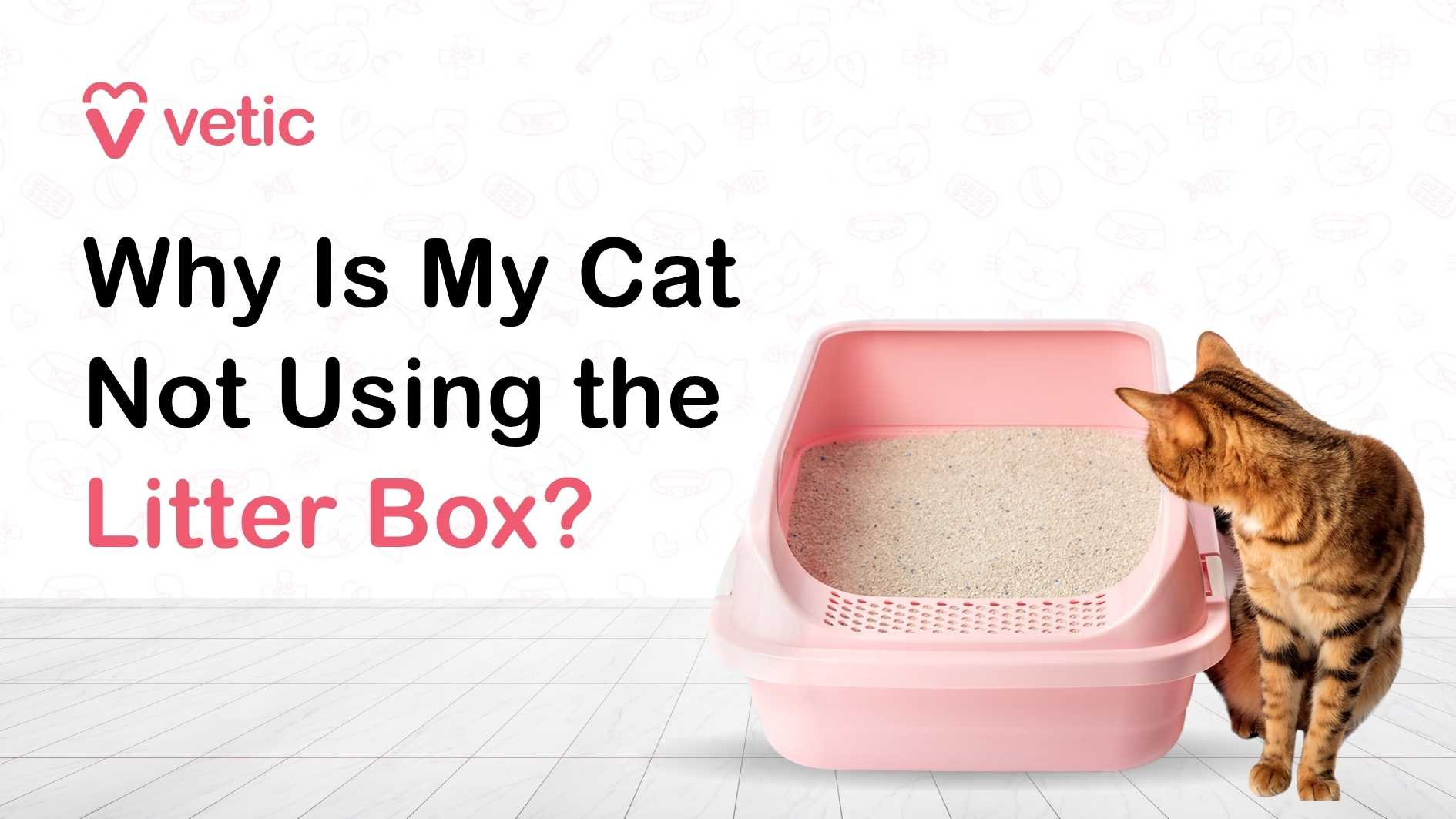
Credit: vetic.in
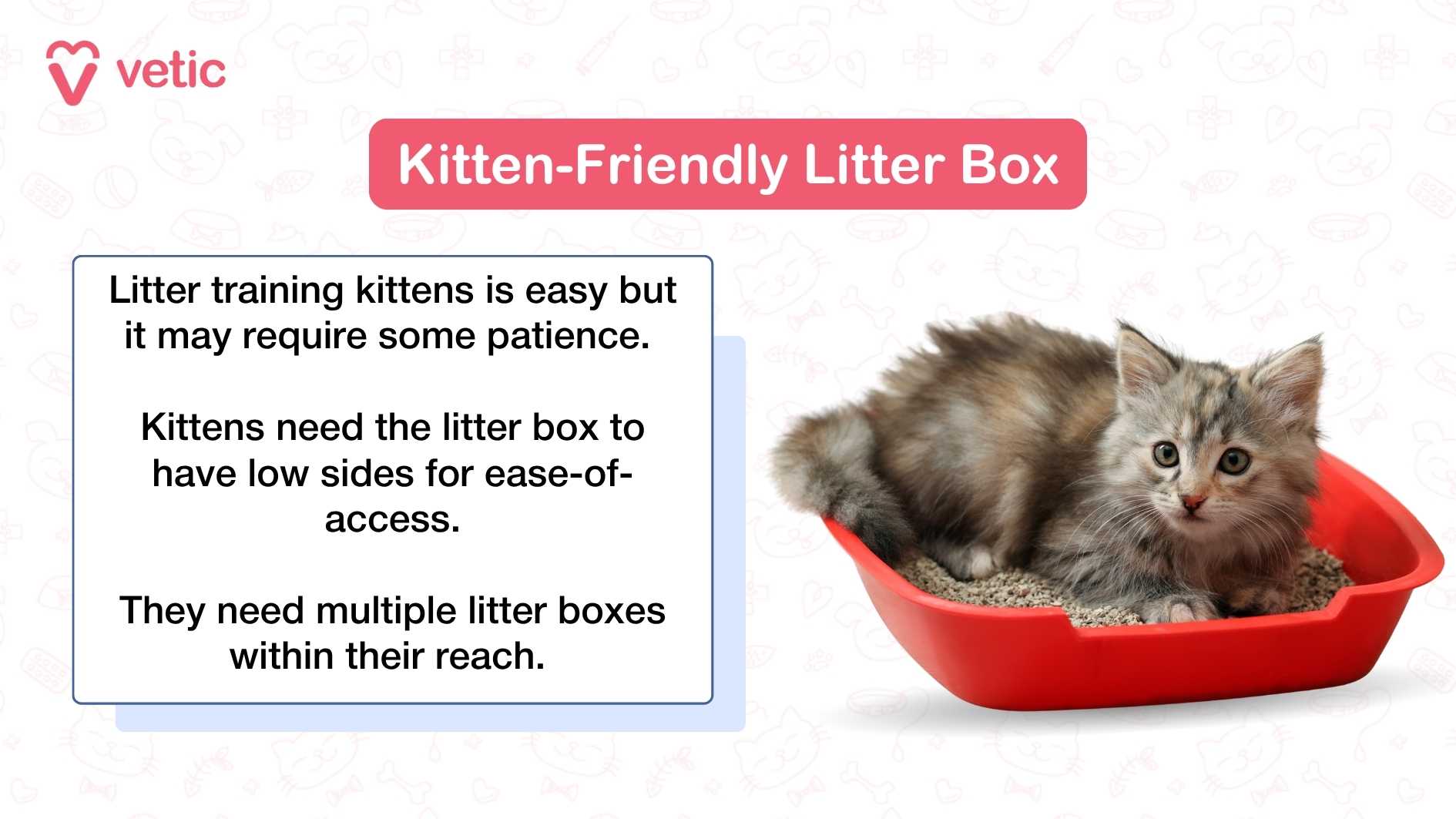
Credit: vetic.in
Frequently Asked Questions
Can A Dirty Litter Box Cause Cat Illness?
Yes, a dirty litter box can cause infections and illnesses in cats. Bacteria and parasites thrive in unclean litter, increasing health risks. Regular cleaning helps prevent urinary tract infections and respiratory issues.
How Often Should I Clean My Cat’s Litter Box?
You should scoop the litter box daily and do a full clean weekly. Frequent cleaning reduces harmful bacteria and odors, keeping your cat healthy and comfortable.
What Diseases Can Dirty Litter Boxes Spread?
Dirty litter boxes can spread parasites like Toxoplasma gondii and bacteria causing urinary tract infections. These conditions can seriously affect your cat’s health if not addressed promptly.
Can A Dirty Litter Box Affect My Cat’s Behavior?
Yes, cats may avoid a dirty litter box and start eliminating elsewhere. This behavior can indicate stress or discomfort linked to poor hygiene.
Conclusion
A dirty litter box can make your cat sick. Bacteria and parasites grow quickly in dirty boxes. Cats may catch infections or develop bladder problems. Cleaning the litter box often keeps your cat healthy. It also helps stop bad smells in your home.
Watching your cat’s habits helps catch problems early. A clean litter box is a simple way to care for your pet. Keep it fresh to keep your cat happy and safe.



Leave a Reply