Have you ever wondered if your cat needs potty training? You might think cats naturally know where to go, but there’s more to it than that.
Understanding how your furry friend learns about the litter box can save you from messy accidents and frustration. If you want a clean home and a happy cat, knowing the truth about potty training is key. Keep reading to discover what every cat owner should know about this important topic.
Cat Litter Habits
Cats are known for their cleanliness, but have you ever wondered why they seem to naturally know where to do their business? Understanding cat litter habits helps you decide if your feline friend needs potty training or if their instincts will guide them. Let’s look deeper into what drives these habits and how they show up in everyday behavior.
Natural Instincts
Cats have an inborn desire to bury their waste. This behavior protects them from predators by hiding their scent. You might notice your cat scratching the litter after going—this is their instinct kicking in.
Even stray cats follow this pattern, showing how strong this natural habit is. It means most cats don’t need much training to use a litter box if it mimics the feel of dirt or sand. Have you tried different types of litter to see what your cat prefers?
Common Behaviors
Cats often choose a quiet, private spot for their bathroom needs. They like consistency, so changing the litter box location can confuse them. If your cat suddenly avoids the litter box, check if something in their environment has changed.
- Many cats prefer unscented, fine-grain litter because it feels softer on their paws.
- Some cats dig vigorously before and after using the box to cover their waste.
- A dirty litter box can cause them to look for other spots, so daily scooping is important.
Have you observed your cat’s litter box rituals? Watching closely can reveal preferences and help you keep your cat comfortable and clean.
When Training Is Needed
Most cats naturally know how to use a litter box. Training is usually not needed. Yet, some cats may show behaviors that require attention. Recognizing when training is needed helps keep your home clean and your cat happy.
Signs Of Issues
- Cat avoids the litter box or uses it less often
- Urine or feces appear outside the box
- Scratching or digging in unusual places
- Sudden changes in bathroom habits
- Strong odors or messes around the house
These signs can mean the cat has a health problem or stress. Training or a vet visit might be necessary.
Age Factors
Kittens need guidance to learn litter box use. They start exploring the box around 3 to 4 weeks old. Patience is key during this stage.
Older cats usually know how to use the box. Changes in behavior could signal health issues or confusion. Senior cats might need gentle reminders or adjustments to their litter setup.
Choosing The Right Litter Box
Cats usually know how to use a litter box without formal training. Choosing the right litter box can make it easier. A box that is easy to access and clean helps keep your cat comfortable.
Choosing the right litter box is crucial for your cat’s comfort. A proper litter box ensures a stress-free potty experience. It also helps maintain cleanliness in your home. Here, we explore key factors to consider.Size And Type
Cats need space to move in their litter box. Choose a size that allows your cat to turn around easily. Larger cats require bigger boxes. Kittens may need smaller, shallower boxes. Different types of litter boxes exist. Open boxes are common and easy to access. Covered boxes offer more privacy but may trap odors. Self-cleaning boxes reduce maintenance but can be expensive.Placement Tips
Place the litter box in a quiet spot. Cats prefer privacy when doing their business. Avoid noisy or high-traffic areas. Keep the box away from the cat’s food and water. Cats do not like to eat near their toilet. Ensure easy access for your cat at all times. Avoid changing the location frequently. Cats appreciate consistency and may feel stressed by change. A stable location helps them feel secure.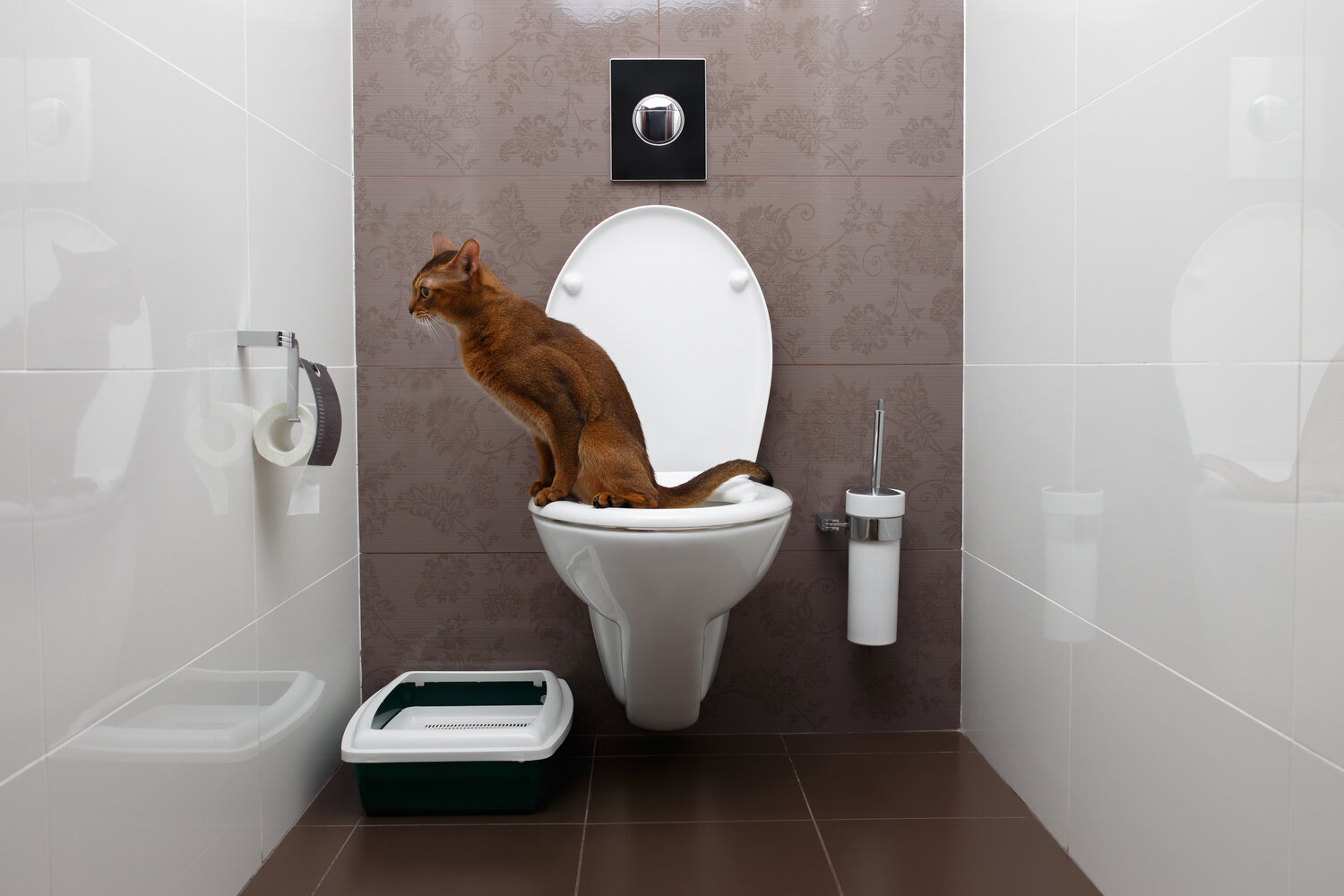
Credit: www.crookedriverroundupfoundation.org
Selecting The Best Litter
Selecting the best litter is a key step in making sure your cat feels comfortable and uses the litter box consistently. The right choice can prevent accidents and keep your home smelling fresh. Understanding the different types and scents available will help you pick the perfect fit for your furry friend.
Material Options
Cats can be picky about the texture and feel of their litter. You’ll find several material options, each with its own benefits and drawbacks.
- Clumping Clay:Easy to scoop and keeps the box clean longer. However, it can be dusty and heavy to carry.
- Non-Clumping Clay:Absorbs moisture but requires full litter changes more often.
- Silica Gel Crystals:Controls odor well and lasts longer, but some cats dislike the texture.
- Natural Options:Made from materials like pine, corn, or wheat. These are eco-friendly and usually low dust, but they may not clump as well.
Have you noticed your cat avoiding the litter box? It might be time to try a different material to see what they prefer.
Scented Vs Unscented
Scented litters claim to keep odors at bay, but cats have a strong sense of smell and might find fragrances overwhelming.
Unscented litter usually feels more natural to cats and can encourage consistent use of the box. It’s also safer for cats with respiratory sensitivities.
If odors are a concern, consider unscented litter combined with frequent cleaning. Would your cat tolerate a lightly scented option, or is plain better for their comfort?
Training Techniques
Training your cat to use the litter box effectively can save you frustration and keep your home clean. While many cats instinctively use a litter box, some need gentle guidance to develop good habits. Let’s look at practical techniques that encourage proper use and how to handle accidents without stress.
Encouraging Use
Place the litter box in a quiet, accessible spot where your cat feels safe. Cats dislike noisy or high-traffic areas for their bathroom time.
Choose a litter type your cat prefers. Some cats like fine, unscented litter, while others prefer coarser textures. Watch your cat’s reaction and adjust accordingly.
Keep the litter box clean by scooping waste daily and changing the litter regularly. Cats avoid dirty boxes, so cleanliness encourages consistent use.
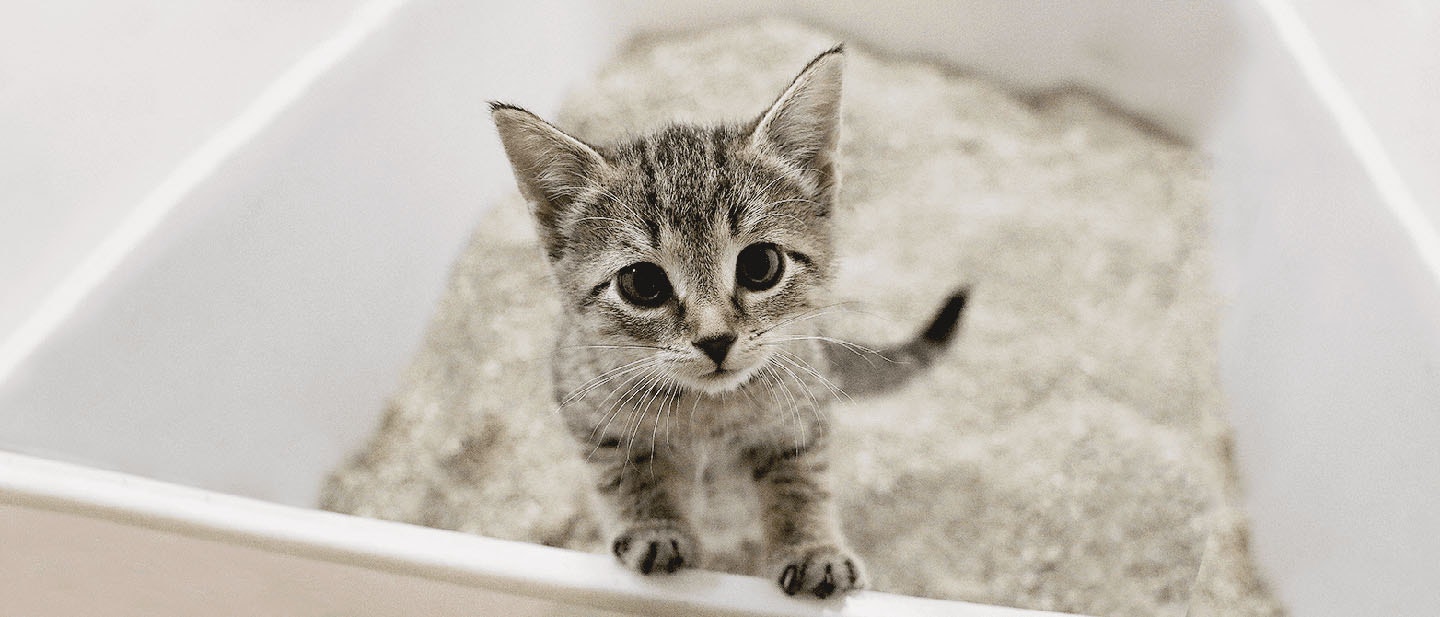
If your cat is new to litter training, gently place them in the box after meals or naps. This helps them associate the spot with bathroom time.
Handling Accidents
Accidents are part of the learning process. Avoid punishment as it can increase anxiety and worsen the behavior.
Clean accidents thoroughly with an enzymatic cleaner to remove odors. This prevents your cat from returning to the same spot.
Try to identify triggers for accidents, such as stress, illness, or litter box placement. Addressing these can reduce mishaps.
Observe your cat’s behavior closely. If accidents persist despite your efforts, consulting a vet can rule out health issues.
Credit: www.whiskas.com.ph
Common Problems And Fixes
Common problems with cat potty training can cause stress for both cats and owners. Understanding these issues helps solve them quickly. Fixes often involve simple changes at home or in daily routines.
Avoiding Litter Box Aversion
Cats may avoid their litter box for many reasons. A dirty box is a common cause. Clean the box daily to keep it fresh. Some cats dislike scented litter. Use unscented litter to prevent irritation. The box location matters. It should be quiet and private. A small or covered box can feel cramped. Offer a bigger, open box if needed. Stress and changes in the home can also cause avoidance. Keep the litter box area calm and consistent.
Dealing With Marking
Marking is different from normal bathroom use. Cats spray to mark territory, often on vertical surfaces. Neutering or spaying reduces marking behavior. Clean sprayed areas with enzyme cleaners to remove smell. Place multiple litter boxes around the house. Offer scratching posts and toys to reduce stress. Avoid punishing the cat. It can increase anxiety and worsen marking. Consult a vet if marking continues. Medical issues might cause this behavior.
Health Considerations
Health plays a big role in a cat’s bathroom habits. Sometimes, changes in litter box use can signal health problems. Understanding these signs helps protect your cat’s well-being and comfort.
When To See A Vet
Watch for sudden changes in bathroom behavior. Signs like frequent urination, straining, or accidents outside the litter box need attention. Also, look for blood in urine or stool. If your cat stops using the litter box, a vet visit is important. Early check-ups can catch health issues before they worsen.
Impact Of Medical Issues
Medical problems can affect a cat’s ability to use the litter box. Urinary tract infections cause pain and urgency. Kidney disease may increase thirst and urination. Arthritis can make it hard to climb into the box. Stress and anxiety might also change bathroom habits. Treating these issues often improves litter box use quickly.
Maintaining Cleanliness
Maintaining cleanliness is key to keeping both your cat happy and your home fresh. Cats are naturally clean animals, but they still depend on you to manage their litter area properly. How you handle cleaning can make a big difference in your cat’s comfort and your household’s hygiene.
Cleaning Schedules
Setting a regular cleaning schedule is essential. Scoop the litter box at least once a day to remove waste. This helps prevent any buildup that might discourage your cat from using the box.
Deep clean the entire litter box once a week. Use mild soap and warm water to avoid harsh chemicals that could bother your cat. You’ll notice your cat is more willing to use a clean box, which means less mess around your home.
Have you noticed your cat avoids the litter box when it’s not clean? This simple routine can save you from chasing accidents later on.
Odor Control
Odor control isn’t just about keeping your home smelling fresh; it also affects your cat’s willingness to use the box. Choose a litter that clumps well and absorbs odors effectively. This minimizes smells and makes cleaning easier.
Adding baking soda under the litter can help neutralize odors without harming your cat. Also, place the litter box in a well-ventilated area to reduce lingering smells.
Have you tried different litters or odor control methods yet? Finding the right balance can improve both your cat’s comfort and your living environment.
Tips For Multi-cat Households
Managing a multi-cat household requires extra care with potty training. Cats are sensitive to their environment. Small changes can affect their bathroom habits. Following clear tips helps keep peace and hygiene at home.
Number Of Boxes
Each cat needs its own litter box. A good rule is one box per cat plus one extra. This prevents overcrowding and stress. Place boxes in quiet, easy-to-reach spots. Avoid putting them near food or water bowls.
- Ensure boxes are large enough for each cat.
- Use the same type of litter in all boxes.
- Clean boxes daily to avoid odors and mess.
Preventing Conflicts
Cats can be territorial about litter boxes. To reduce fights, spread boxes in different areas. This gives cats private spaces to do their business. Watch for signs of bullying or avoidance. Separate cats if conflicts arise near the boxes.
- Provide vertical spaces like shelves for hiding or resting.
- Use pheromone sprays to calm anxious cats.
- Keep a calm environment around litter boxes.
Credit: www.amazon.com
Frequently Asked Questions
Do Cats Naturally Know How To Use The Litter Box?
Yes, most cats instinctively use a litter box due to their natural burying behavior. They usually learn quickly with minimal guidance.
How Long Does It Take To Potty Train A Cat?
Potty training a cat typically takes a few days to a week, depending on the cat’s age and personality.
Can Kittens Be Potty Trained Like Adult Cats?
Yes, kittens can be potty trained, often more easily than adult cats, by introducing a litter box early.
What Are Common Potty Training Mistakes With Cats?
Common mistakes include changing litter types frequently, poor box cleanliness, and placing the box in noisy or hard-to-reach areas.
Conclusion
Cats usually learn to use the litter box on their own. Most kittens follow their mother’s example without help. Some cats may need gentle guidance to start. Clean, quiet litter areas help cats feel safe. Patience and consistency work best with training.
Understanding your cat’s needs makes the process easier. A happy cat means a happy home. Simple care keeps your cat healthy and clean. Potty training is natural but may need time. Trust your cat and enjoy your bond.




Leave a Reply