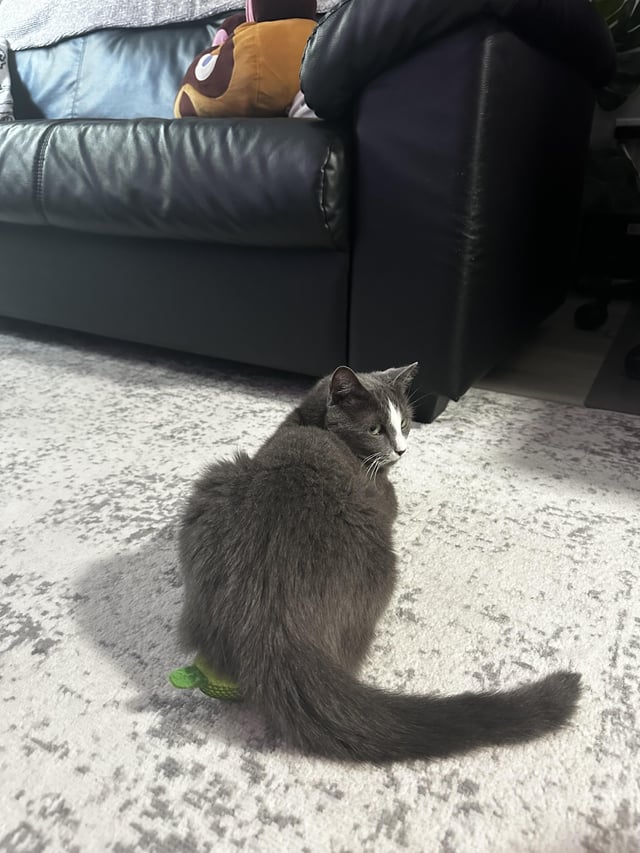
Have you ever found your cat lying right on top of their toys and wondered why? It might seem strange at first, but there’s a simple reason behind this quirky behavior.
Understanding why your cat chooses to rest on their toys can help you connect with them better and keep them happy. Keep reading, and you’ll discover the surprising reasons your furry friend loves to claim their toys as a cozy spot.
Cat Behavior Basics
Cats have unique ways of showing comfort and security. Understanding basic cat behavior helps explain why your cat chooses certain spots to rest. Toys often become a favorite place because they offer familiarity and scent. Cats use their environment to feel safe and calm.
Common Cat Habits
- Cats like to rest in warm, soft places.
- They mark objects with their scent to claim them.
- Playing with toys helps cats stay active and engaged.
- Resting on toys keeps their scent close, making them feel secure.
- Cats often return to spots linked with positive experiences.
How Cats Choose Rest Spots
Cats pick rest spots based on comfort and safety. They prefer quiet, cozy areas away from noise. Toys carry their scent and remind them of playtime. This makes toys a comforting place to lie on. Cats also like spots that give a good view of their surroundings.

Credit: www.purina.com
Comfort And Security
Cats often seek comfort and security in their environment. Toys can become more than just playthings. They turn into safe spots where cats feel calm and protected. Understanding why cats lay on toys helps us see their need for familiar and secure places.
Toys As Familiar Objects
Toys offer cats a sense of familiarity. They often carry memories of fun and safety. When a cat rests on a toy, it feels like being close to something known. This familiarity reduces stress and gives comfort. The toy becomes a small safe zone in the cat’s space.
Scent And Safety
Cat toys hold familiar scents that bring safety. Cats rely on their strong sense of smell. The scent of their own or their owner’s smell makes toys comforting. Laying on these toys helps cats feel protected. It signals that they are in a secure place.
Play And Rest Connection
Understanding why your cat chooses to lay on toys reveals a fascinating link between play and rest. Cats often use their toys as more than just objects for fun—they become part of their comfort zone. This connection helps them shift smoothly from an active state to a relaxed one, blending playtime with rest in a natural way.
Toys As Playtime Anchors
Your cat’s toys act like anchors during play. They focus their attention and energy on these objects, which helps satisfy their hunting instincts. After chasing or batting a toy, your cat feels a sense of accomplishment and safety around it.
Think about the last time you saw your cat with a favorite toy. It’s not just about the toy itself but the memories and feelings tied to it. This makes the toy a cozy spot where your cat feels secure and ready to settle down.
Transitioning From Play To Nap
Have you noticed how your cat often naps right on or beside their toys? This is no accident. The transition from play to rest happens naturally when the toy becomes a familiar place to relax.
This behavior helps cats recharge without feeling vulnerable. By laying on their toys, they keep a piece of their playful world close, which comforts them and eases them into sleep. Next time your cat curls up on a toy, ask yourself if it’s their way of staying connected to something they enjoy while resting.

Credit: www.kinship.com
Marking Territory
Cats have unique ways of expressing themselves. One curious behavior is laying on toys. This habit often stems from their instinct to mark territory. Cats are territorial creatures. They use various methods to claim and protect their space. Let’s delve into how toys become a part of this behavior.
Using Toys To Claim Space
Cats often choose specific areas to rest. Laying on toys is one way they claim these spots. By doing so, they establish ownership. This behavior helps them feel secure. It also signals to other pets that the area is taken. Toys act as markers in their territory.
Scent Marking Explained
Cats have scent glands in their paws and faces. When they lay on toys, they transfer their scent. This scent marking is a powerful territorial signal. Other cats recognize these scents. It communicates boundaries without conflict.
Scent marking offers more than territorial claims. It provides comfort and familiarity. Cats find reassurance in their own scent. This behavior is rooted in their wild ancestors. It’s a natural and instinctive action.
Attention-seeking Behavior
Cats often lay on their toys to get your attention. This behavior shows they want you to notice them and interact. Toys become a tool for communication. They invite you to play or simply focus on them.
Getting Owner’s Focus
When a cat lies on a toy, it tries to catch your eye. The toy acts like a spotlight. Your cat wants you to look their way and respond. This is a gentle demand for your company.
Cats may paw at the toy or nudge it toward you. These actions push you to engage. The behavior helps your cat feel close and connected to you.
Interactive Play Signals
Laying on toys signals readiness to play. Cats use this to start a game with you. It’s a clear sign they want interaction.
Sometimes, your cat will roll on the toy or bite it lightly. These moves invite you to join the fun. It’s their way of saying, “Let’s play together.”
Health And Comfort Factors
Cats often choose spots that make them feel healthy and comfortable. Toys can provide these benefits in surprising ways. Their choice to lay on toys ties closely to health and comfort factors. Understanding these helps explain this curious behavior.
Temperature Regulation
Toys can help cats control their body temperature. Some toys absorb warmth from the sun or room. When a cat lies on a toy, it can feel cozy and warm. This warmth soothes muscles and helps cats relax. In cooler rooms, toys can act like small heaters. Cats seek these warm spots naturally. Toys can also offer a cool surface if made from certain materials, helping cats cool down.
Softness And Support
Toys often provide soft and cushioned support. Cats love resting on gentle surfaces that protect their joints. Plush or stuffed toys create a comfy base for their body. This softness reduces pressure on bones and muscles. Toys shaped like cushions offer extra comfort. Cats might prefer toys over hard floors or cold tiles. The support from toys helps cats feel safe and calm while resting.
When To Be Concerned
Not all cat behaviors with toys are normal. Sometimes, lying on toys can signal a problem. Understanding when to be concerned helps protect your cat’s well-being. Watch closely for changes that might need attention.
Signs Of Stress Or Anxiety
Stress can make cats act differently with their toys. They might:
- Hoard toys in one spot
- Act restless or pace around
- Show aggression toward toys or people
- Hide more than usual
These signs may mean your cat feels unsafe or worried. Toys become a comfort zone but also a stress outlet.
Changes In Behavior Patterns
Notice if your cat suddenly changes how it plays. Look for:
- Loss of interest in other toys
- Lying on toys for very long periods
- Refusing to eat or groom
- Excessive vocalizing or meowing
Behavior shifts might point to pain, illness, or emotional distress. Timely action supports your cat’s health and happiness.

Credit: tenderly.medium.com
Frequently Asked Questions
Why Does My Cat Prefer Laying On Toys?
Cats lay on toys because they find comfort and security in familiar objects. Toys carry their scent, which reassures them. It also helps cats mark their territory and feel safe in their environment.
Do Cats Use Toys As A Resting Spot?
Yes, cats use toys as resting spots. Toys provide a soft surface and a sense of companionship. This behavior mimics their natural instinct to stay close to objects that smell like them.
Is It Normal For Cats To Lay On Toys?
Absolutely, it is normal. Cats often lay on toys to feel cozy and secure. It shows they trust their environment and enjoy the comfort their toys provide.
Can Laying On Toys Indicate Affection?
Yes, laying on toys can show affection. Cats treat toys like companions and show love by staying close. It reflects their playful and social nature.
Conclusion
Cats often lay on toys to feel safe and comfortable. Toys carry their scent, making them familiar and cozy. This behavior also shows they enjoy their playthings. It helps them relax and rest without stress. Watching your cat do this shows their trust and happiness.
Giving them favorite toys can boost their mood. Small actions like this build a strong bond with your pet. Understanding these habits makes caring for cats easier. It’s a simple way to keep your cat calm and content.



Leave a Reply