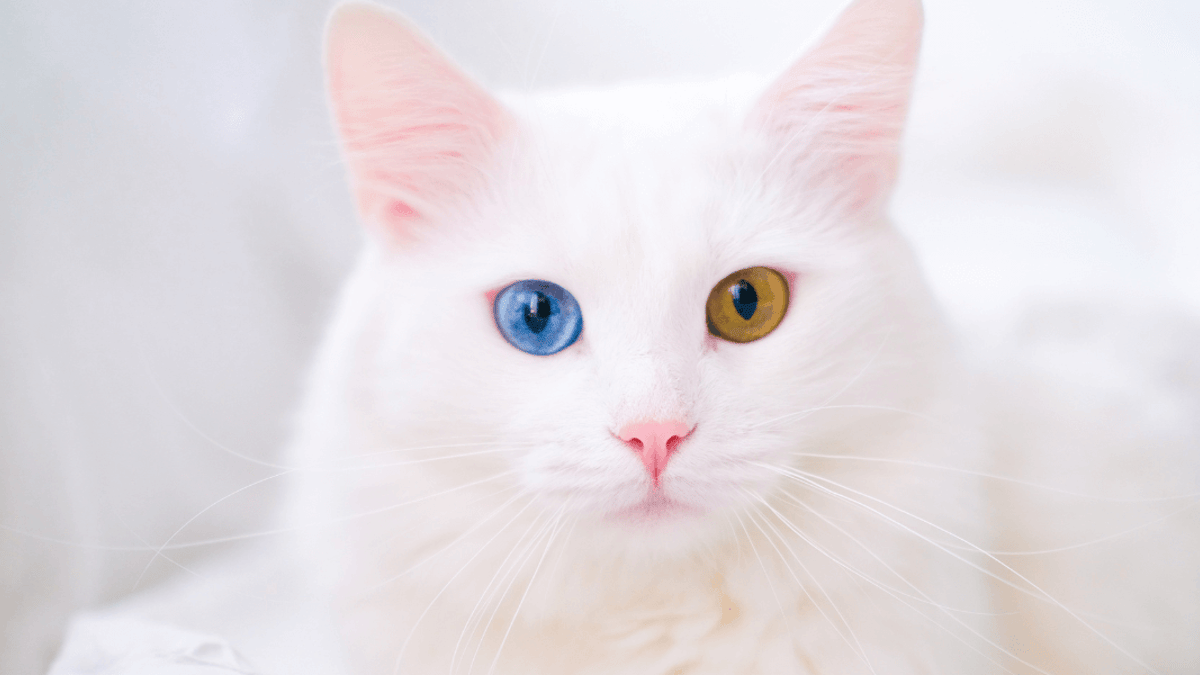
Have you ever wondered if your beautiful blue-eyed cat could face special health challenges? Those striking eyes might hide more than just charm.
Understanding what health issues blue-eyed cats might have can help you keep your furry friend safe and happy. You’ll discover key facts that every cat owner should know. Keep reading to learn how to protect your cat’s well-being and enjoy many healthy years together.
Credit: www.ministryofcat.com
Genetic Traits Of Blue Eyed Cats
Blue-eyed cats often captivate with their striking gaze, but their eye color is more than just a beautiful trait. It reflects specific genetic factors that can influence their health and breeding patterns. Understanding these genetic traits helps you care better for your blue-eyed feline friend and anticipate any potential health challenges.
Common Breeds With Blue Eyes
Certain cat breeds are well-known for their blue eyes, which often link to unique genetic backgrounds. You might recognize these breeds:
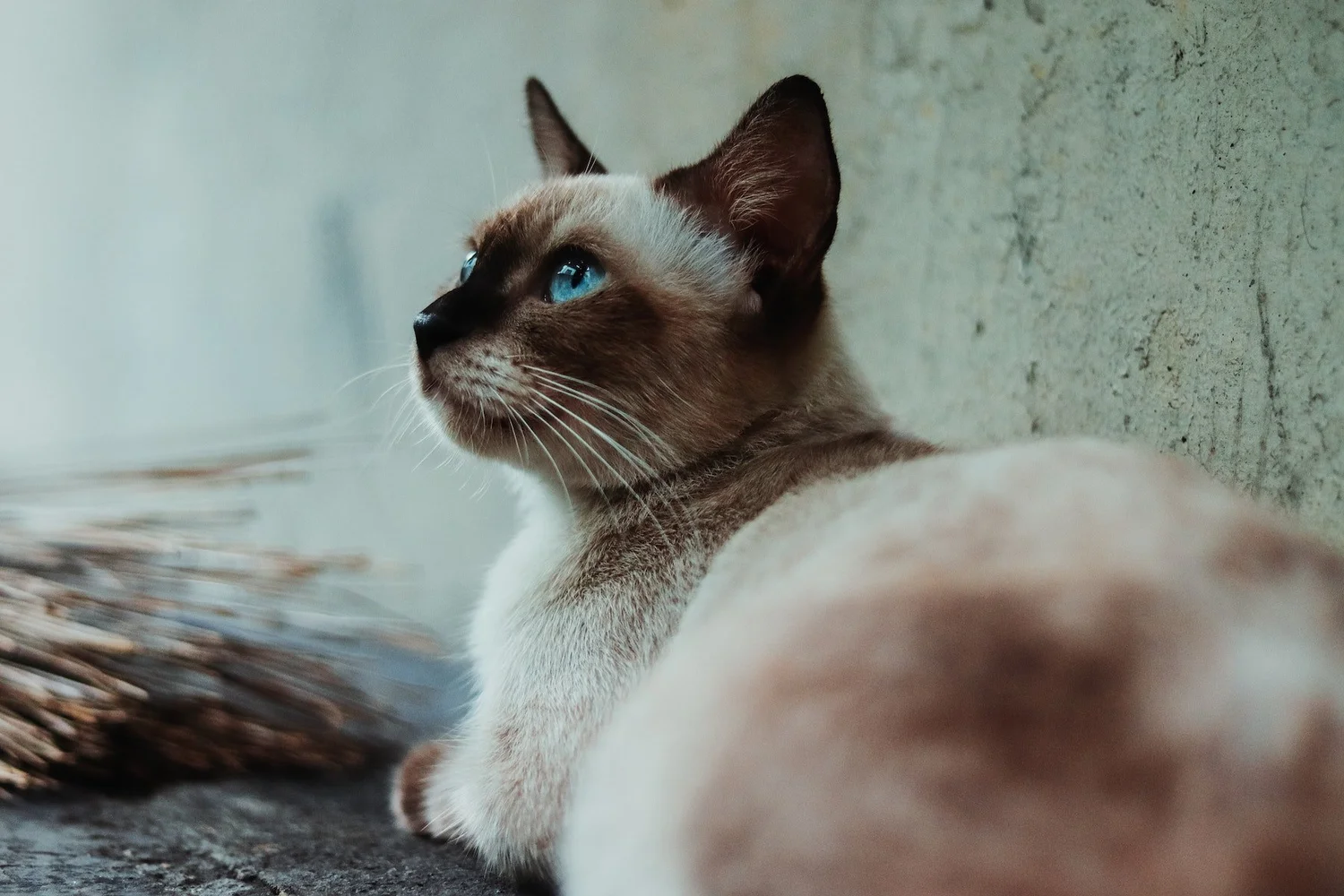
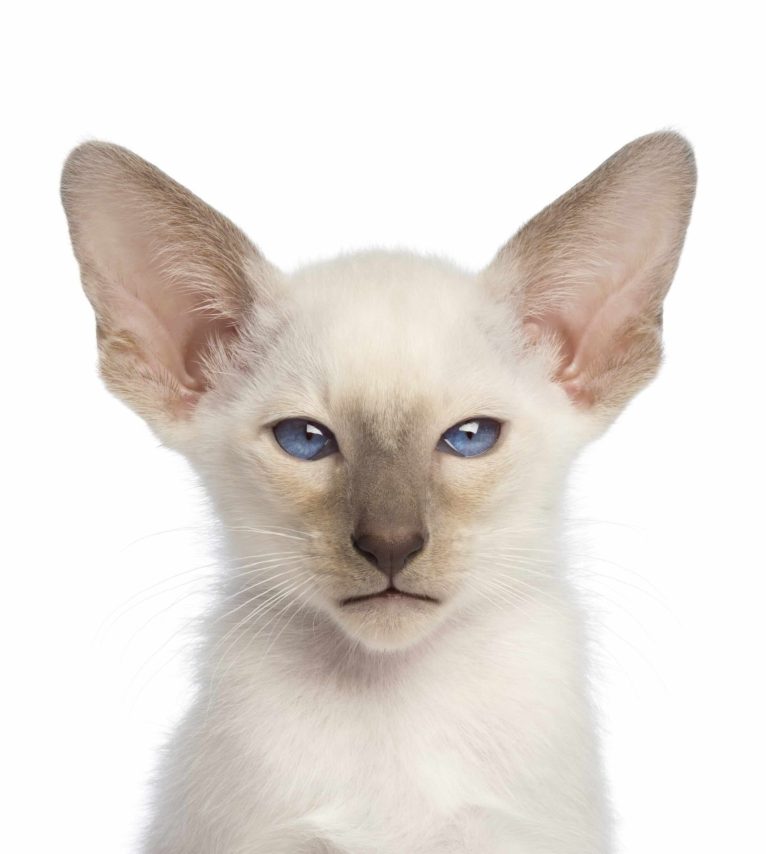
- Siamese:Their deep blue eyes stand out against their creamy coat. This breed’s eye color is tied to a specific gene affecting pigment production.
- Ragdoll:Famous for their calm temperament and vibrant blue eyes, Ragdolls carry genes that influence both eye and coat colors.
- Himalayan:These cats share traits with Persians but have striking blue eyes due to their color-point gene.
- Ojos Azules:Less common but notable for their intense blue eyes regardless of coat color, linked to a rare genetic mutation.
Have you noticed how blue eyes often appear in cats with lighter fur colors or color points? This isn’t a coincidence but a direct result of their genetic makeup.
Inheritance Patterns
Blue eye color in cats follows distinct inheritance patterns that can influence your cat’s health risks. The gene responsible often involves pigment production in the iris and skin.
For example, the gene that creates the Siamese’s blue eyes is a form of partial albinism, which reduces pigment in certain areas. This gene can also increase sensitivity to light and sometimes lead to vision problems.
Additionally, some blue-eyed cats, especially those with white coats, carry the “white spotting” gene. This gene sometimes links to congenital deafness, raising questions about your pet’s hearing if you have a white, blue-eyed cat.
Understanding how these genes work can help you predict if your cat might face related health issues. Would you consider genetic testing to learn more about your cat’s unique traits and potential risks?
Deafness And Blue Eyes
Blue-eyed cats often captivate us with their striking looks, but their eye color can sometimes be linked to health concerns. One of the most significant issues is deafness, a condition that many owners may not immediately recognize. Understanding the relationship between blue eyes and hearing loss is crucial for providing the best care for your feline friend.
Connection Between Eye Color And Hearing
There is a well-documented connection between blue eyes and deafness in cats, especially those with white fur. This link is due to a genetic factor that affects pigment cells, which play a role in both eye color and inner ear function.
Not all blue-eyed cats are deaf, but the risk increases in cats with one or two blue eyes. The gene responsible for white fur and blue eyes can cause a lack of pigmentation in the inner ear, leading to deafness.
Have you noticed your blue-eyed cat responding less to sounds? It might be related to this genetic trait.
Signs Of Deafness In Cats
Deafness in cats isn’t always obvious. You might notice your cat doesn’t react to everyday noises like the rustling of a treat bag or your voice calling them.
- Your cat may be easily startled because they cannot hear you approaching.
- They might sleep more deeply or appear less alert to sounds around them.
- Some deaf cats rely more on visual cues and may watch your movements closely.
Observing these signs early can help you adjust your care approach. For example, using hand signals or vibrations can improve communication with a deaf cat.
Have you tried simple tests at home to check your cat’s hearing? A gentle clap or noise behind them can reveal how they respond.
Vision Problems Linked To Blue Eyes
Blue-eyed cats often capture our attention with their striking looks. Yet, this eye color may link to certain vision problems. Understanding these issues helps owners care better for their pets. Vision problems in blue-eyed cats arise from genetic factors. These factors sometimes affect the structure and function of their eyes. Some breeds, especially those with blue eyes, have higher risks of eye disorders.
Potential Eye Disorders
Several eye disorders may affect blue-eyed cats more often than others. These include:
- Deafness with vision issues:Some blue-eyed cats, especially white-coated ones, face hearing loss that can coincide with vision problems.
- Congenital defects:Abnormal eye development can cause poor vision or blindness.
- Progressive retinal atrophy (PRA):This inherited disease leads to gradual vision loss over time.
- Strabismus:Also called crossed eyes, it affects eye alignment and focus.
- Photophobia:Sensitivity to light may cause discomfort and vision troubles.
Early signs often include squinting, unusual eye movements, or reluctance to enter bright areas.
Monitoring Eye Health
Watch your blue-eyed cat’s eyes closely. Look for redness, cloudiness, or discharge. Check if your cat blinks often or rubs its eyes.
Schedule regular vet visits to check eye health. Professional exams can detect problems early. Timely treatment can prevent worsening vision loss.
Keep your cat’s environment safe to avoid eye injuries. Avoid exposure to harmful chemicals or sharp objects. Proper care supports your cat’s overall eye health and comfort.
Credit: pethelpful.com
Skin Sensitivity And Sun Exposure
Blue-eyed cats possess a unique charm with their stunning eyes. Yet, these cats may face skin sensitivity issues, especially under the sun. Their lighter skin and fur offer less protection from harmful UV rays. This can lead to serious skin problems.
Risk Of Sunburn
Cats with light fur and blue eyes are more prone to sunburn. Their skin lacks melanin, which provides natural sun protection. Sunburn in cats can lead to discomfort and skin damage. Prolonged exposure increases the risk of skin cancer. Areas like the ears and nose are most vulnerable. Even indoor cats can suffer if they nap in sunny spots.
Preventive Measures
Limit your cat’s time in direct sunlight. Create shaded outdoor spaces with umbrellas or awnings. Apply pet-safe sunscreen on exposed skin areas. Ensure your home has shaded spots for indoor cats. Keep windows covered during peak sunlight hours. Regularly check your cat’s skin for signs of sun damage. If you notice redness or sores, consult a vet. Protecting your cat’s skin is crucial for their health.
Other Health Concerns
Blue-eyed cats are often admired for their striking appearance, but their health concerns extend beyond just vision or hearing issues. It’s important to consider other potential health challenges that might affect these unique felines. Understanding these concerns can help you provide better care and improve your cat’s quality of life.
Immune System Considerations
Some blue-eyed cats may have a more sensitive immune system. This can make them prone to infections or slower recovery from illnesses.
For example, white cats with blue eyes sometimes show a higher risk of autoimmune problems. Your vet can help monitor for signs like frequent infections or unusual lethargy.
Simple steps like keeping vaccinations up to date and maintaining a clean environment can support your cat’s immune health. Have you noticed your cat getting sick more often than others? This might be worth discussing with your vet.
Behavioral Traits
Blue-eyed cats, especially those with certain breeds like Siamese or Ojos Azules, can display unique behavior patterns. They may be more vocal or social, craving more attention from their owners.
Sometimes, these cats might show signs of anxiety if left alone for too long. This can lead to destructive behaviors or excessive meowing.
Understanding your cat’s behavior can help you create a happier environment. Try interactive toys or scheduled playtime to keep your blue-eyed cat mentally stimulated. How does your cat react when you’re not around? Observing this could reveal important clues about their well-being.
Care Tips For Blue Eyed Cats
Caring for blue eyed cats requires special attention to their unique needs. Their eye color can be linked to certain health issues. Proper care helps keep them healthy and happy. Simple habits can make a big difference in their wellbeing.
Regular Vet Checkups
Schedule vet visits at least twice a year. Early detection of health problems is crucial. Blue eyed cats can be prone to deafness and eye conditions. The vet can check their hearing and eye health. Vaccinations and parasite control are important too. Keep medical records updated and follow vet advice carefully.
Environmental Adjustments
Create a safe home environment for your blue eyed cat. Bright lights may cause discomfort for sensitive eyes. Provide shaded resting spots and avoid direct sunlight. Use soft bedding to protect their eyes from dust. Avoid loud noises that may stress deaf cats. Keep dangerous objects out of reach to prevent injuries.
Credit: www.catster.com
Frequently Asked Questions
What Common Health Problems Affect Blue-eyed Cats?
Blue-eyed cats may face deafness and vision issues. They are prone to genetic deafness, especially white-coated ones. Regular checkups help detect problems early for better care.
Are Blue-eyed Cats More Prone To Deafness?
Yes, blue-eyed cats, especially white ones, often have congenital deafness. It occurs due to a gene linked to their eye color. Early hearing tests are crucial for identifying and managing this condition.
Can Blue-eyed Cats Have Vision Problems?
Some blue-eyed cats may develop vision issues, but it is less common than deafness. Regular veterinary eye exams can help monitor their eye health and detect any problems early.
Do Blue-eyed Cats Require Special Veterinary Care?
Blue-eyed cats need routine health checks focusing on hearing and eye function. Early detection of issues ensures timely treatment. Maintaining a safe environment also supports their overall well-being.
Conclusion
Blue-eyed cats may face certain health challenges, such as hearing problems and vision issues. Knowing these risks helps owners give better care and attention. Regular check-ups with a vet can catch problems early. Proper care ensures a happy and healthy life for your cat.
Each cat is unique, so watch for any changes in behavior or health. Caring for blue-eyed cats means understanding their special needs. Stay informed and attentive to keep your feline friend safe and well.



Leave a Reply