
Have you ever wondered how your cat really feels during grooming? While grooming is essential for your cat’s health, it can sometimes be more than just a routine—it can be a stressful and even traumatic experience.
Understanding how grooming impacts your furry friend is key to making it easier for both of you. You’ll discover what makes grooming tough for cats, signs your pet might be struggling, and simple ways you can help turn grooming time into a calm, positive moment.
Keep reading—your cat’s comfort depends on it.
Signs Of Stress During Grooming
Grooming can be stressful for many cats. Recognizing signs of stress helps to make the process gentler. Stress signals show how uncomfortable or scared a cat feels during grooming. These signs appear in behavior, body reactions, and sounds. Understanding them prevents trauma and builds trust with your cat.
Behavioral Changes
Cats often change how they act when stressed. They may try to hide or run away. Some cats freeze or become very still. Others might bite or scratch to protect themselves. Loss of appetite after grooming is another sign. Watch for sudden changes in mood or activity.
Physical Reactions
Stress shows in a cat’s body too. Puffed-up fur means fear or anxiety. Rapid breathing or panting signals discomfort. Sweaty paws or drooling can also occur. Tail flicking or twitching indicates irritation. Look for tense muscles or trembling as well.
Vocalizations And Body Language
Cats use sounds and movements to express stress. Hissing or growling warns to stop. Yowling or loud meowing shows distress. Flattened ears and wide eyes reveal fear. A tucked tail or crouching posture means unease. Pay attention to these signals to avoid hurting your cat.
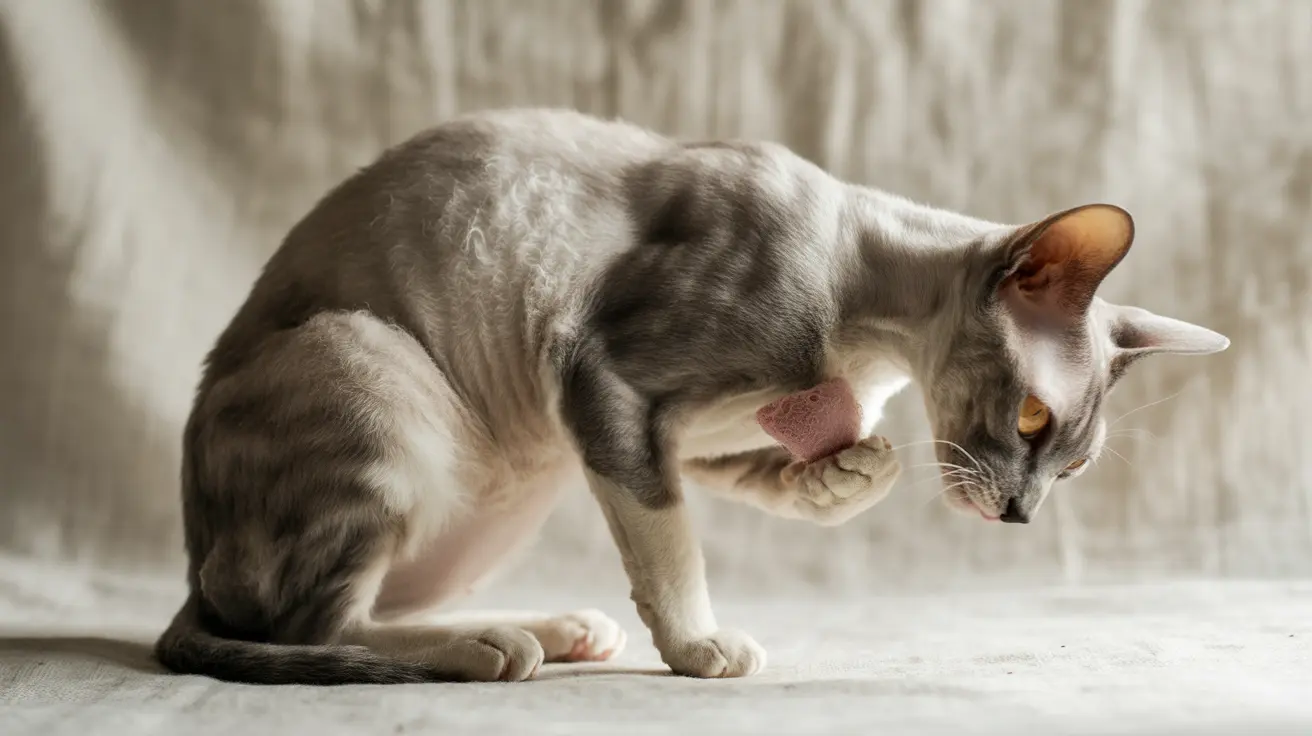
Credit: www.petscare.com
Common Stress Triggers
Grooming can be a stressful experience for many cats, and understanding the common stress triggers helps you make the process smoother. Stress doesn’t just come from one source; it often builds up from several factors combined. Recognizing these triggers allows you to adjust your approach, making grooming less traumatic for your feline friend.
Handling Techniques
The way you touch and hold your cat during grooming greatly affects their comfort level. Grabbing too tightly or restraining your cat in unnatural positions can cause anxiety and fear. Instead, try gentle, calm movements and give your cat breaks if they seem overwhelmed.
Have you noticed your cat stiffening or trying to escape? That’s a clear sign your handling needs to be softer and slower. Using treats or soothing words can also help your cat associate grooming with positive experiences.
Environment And Noise
The surroundings where you groom your cat play a big role in their stress. Loud noises, bright lights, or unfamiliar places can make your cat uneasy. A quiet, familiar room with minimal distractions is best.
Think about your last grooming session—was the vacuum running nearby or was the TV loud? These sounds may be harmless to you but can make your cat jumpy. Turning off noisy appliances and closing doors can create a calm space that helps your cat relax.
Duration And Frequency
Long grooming sessions can overwhelm even the calmest cats. If you try to do everything at once, your cat may become restless or scared. Short, frequent sessions often work better than one long ordeal.
Ask yourself if your grooming routine is too intense. Breaking the process into smaller steps over several days can reduce stress and make grooming a regular, manageable part of your cat’s life.
Long-term Effects Of Grooming Stress
Grooming your cat might seem like a simple task, but if it causes stress, the effects can last much longer than the actual grooming session. Stress during grooming can impact your cat’s well-being in ways you might not expect. Understanding these long-term effects can help you make grooming a safer and more comfortable experience for your feline friend.
Impact On Mental Health
When grooming becomes stressful, your cat may develop anxiety that lingers beyond the moment. This anxiety can lead to increased fearfulness and a lack of trust in you or other people. You might notice your cat hiding more often or avoiding contact, which shows how deep the mental impact can be.
Think about your own experiences with stressful situations—how long does the feeling stick with you? Cats are no different, and repeated grooming stress can create a lasting mental burden.
Changes In Social Behavior
Stress from grooming can change how your cat interacts with you and other pets. A cat that once loved cuddles might start avoiding touch altogether. Some cats may even show aggression or become irritable when approached.
Social withdrawal or defensive behavior after grooming can confuse you and strain your bond. Recognizing these signs early can help you adjust your approach and rebuild trust.
Potential Health Issues
Stress isn’t just about feelings; it can affect your cat’s body too. Chronic grooming stress may weaken their immune system, making them more prone to infections or skin problems. Some cats might also develop over-grooming habits, causing bald spots or sores.
Have you noticed your cat licking or scratching more after grooming? This could be a sign that stress is impacting their physical health. Paying attention to these clues allows you to act before the problem worsens.
Credit: digital.groomertogroomer.com
Reducing Grooming Stress
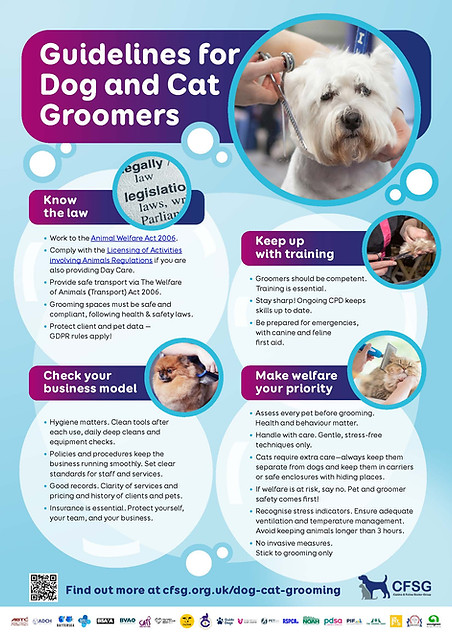
Grooming can be very stressful for cats, causing fear and anxiety. Gentle handling and short sessions help reduce this trauma significantly. Creating a calm environment makes grooming easier for both cat and owner.
Reducing the stress associated with grooming can transform a daunting experience into a bonding moment between you and your cat. Cats are naturally sensitive creatures and ensuring their comfort during grooming is essential. Let’s explore some practical ways to make grooming less traumatic for your feline friend.Creating A Calm Environment
Creating a peaceful atmosphere is the first step in reducing grooming stress. Choose a quiet room away from household noise where your cat feels safe. Consider using a pheromone diffuser or calming spray to soothe your cat’s nerves. Ensure the room is at a comfortable temperature. Too hot or too cold can add to your cat’s discomfort. A soft towel or blanket can provide a familiar scent and texture, making the setting more inviting.Gentle Grooming Methods
Using gentle grooming techniques can make a significant difference. Start by selecting the right tools, such as a soft-bristled brush or a comb designed for cats. Test the brush on your own arm to ensure it feels gentle before using it on your cat. Begin with short grooming sessions and gradually increase the duration as your cat becomes more comfortable. Pay attention to your cat’s body language. If they seem uneasy, give them a break and try again later.Positive Reinforcement Techniques
Positive reinforcement can help your cat associate grooming with pleasant experiences. Offer your cat treats or their favorite toy before and after grooming sessions. This rewards them for their patience and cooperation. Speak to your cat in a soothing voice throughout the process. Praise them when they remain calm or allow you to brush them without fuss. Over time, these positive associations can make grooming a stress-free routine. Have you ever noticed how cats respond to your tone of voice? Using a gentle, reassuring voice can significantly impact their comfort levels. What other ways can you think of to make grooming a positive experience for your cat?Alternatives To Traditional Grooming
Traditional grooming can be stressful for many cats, leading you to wonder if there’s a gentler way to keep your furry friend looking and feeling great. Luckily, there are several alternatives that reduce trauma and help maintain your cat’s hygiene without forcing stressful sessions. Let’s look at some options that might work better for you and your pet.
Professional Groomers
Sometimes, the best choice is to trust a professional. Groomers have experience handling anxious or skittish cats calmly and safely. They know how to read a cat’s body language and pause when needed, preventing any distress.
Many groomers offer specialized services like gentle baths, fur trims, and nail clipping tailored to sensitive cats. You might find that your cat enjoys the professional care more than you expected. Have you considered asking a groomer about their approach to nervous cats?
Using Grooming Tools
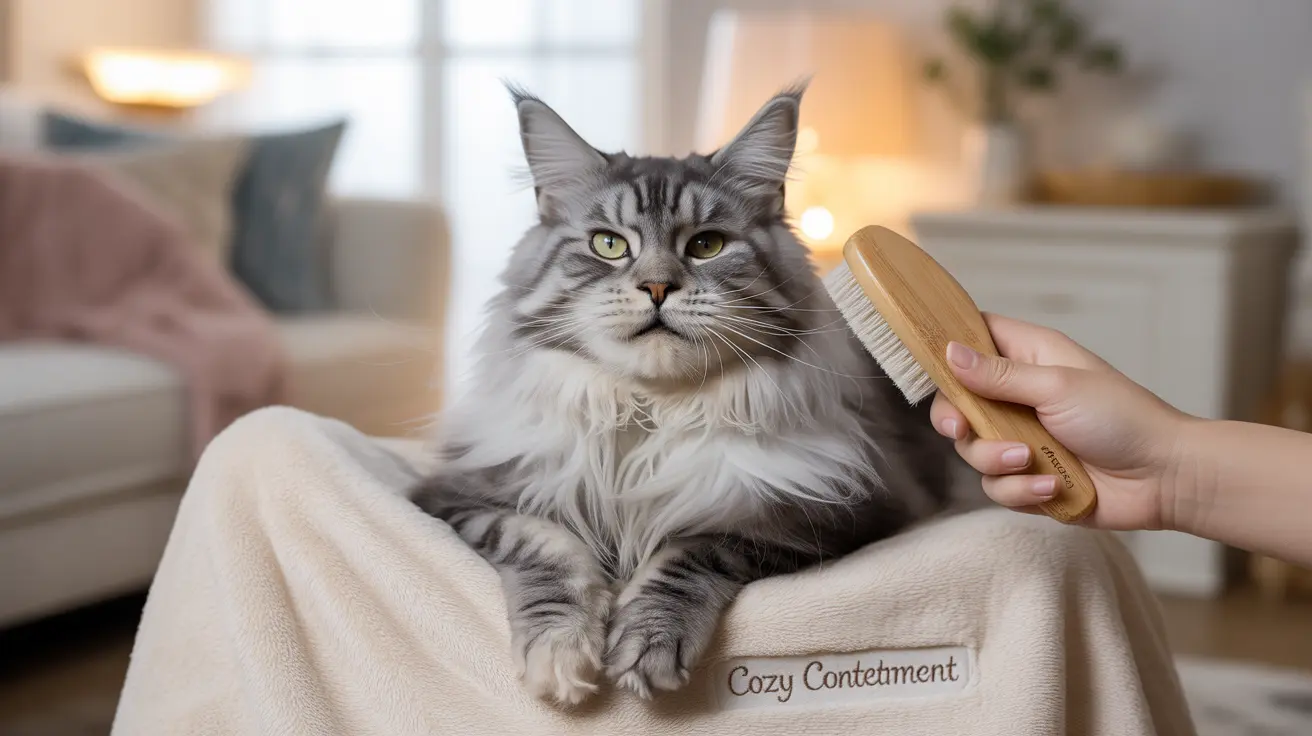
Using the right tools can make grooming less invasive and more comfortable for your cat. Soft-bristled brushes or rubber grooming gloves can gently remove loose fur without pulling on the skin. These tools mimic petting, which your cat probably already loves.
Try short, calm grooming sessions instead of long ones. Even a few minutes daily can significantly reduce shedding and matting. What type of grooming tool does your cat respond to best?
At-home Care Tips
Creating a calm environment is key to successful at-home grooming. Choose a quiet room, use soothing tones, and reward your cat with treats to build positive associations. Consistency helps your cat feel more secure over time.
- Brush your cat after playtime when they are relaxed.
- Use a damp cloth for gentle wiping instead of a full bath.
- Regularly check ears and teeth to avoid surprises during grooming.
Remember, your patience and understanding can turn grooming into a bonding moment rather than a battle. What small changes can you make today to improve your cat’s grooming experience?
Credit: www.petscare.com
Frequently Asked Questions
How Stressful Is Grooming For A Cat?
Grooming can be stressful if done improperly or too frequently. Cats dislike restraint and unfamiliar handling. Gentle, calm grooming sessions reduce anxiety and help cats adapt over time, making the experience less traumatic.
Can Grooming Cause Physical Harm To Cats?
Improper grooming can cause cuts, skin irritation, or fur damage. Using the right tools and techniques minimizes risks. Always be gentle and attentive to avoid hurting your cat during grooming.
How To Make Grooming Less Traumatic For Cats?
Use slow, calm movements and positive reinforcement. Start grooming sessions gradually, increasing duration as the cat adjusts. Provide treats and praise to create a positive association with grooming.
Why Do Some Cats Hate Grooming More Than Others?
Cats have different temperaments and past experiences. Cats with sensitive skin or previous negative grooming encounters may resist more. Understanding your cat’s personality helps tailor grooming approaches to reduce trauma.
Conclusion
Grooming can be stressful for some cats, but it is often necessary. Gentle handling helps reduce fear and discomfort. Taking breaks and using calm tones can make grooming easier. Watch your cat’s body language to avoid distress. Regular grooming keeps cats healthy and comfortable.
Patience and care create a better experience for both you and your pet. Remember, every cat is different. Learning what works best makes grooming less traumatic. Small efforts lead to happier, healthier cats in the long run.

Leave a Reply