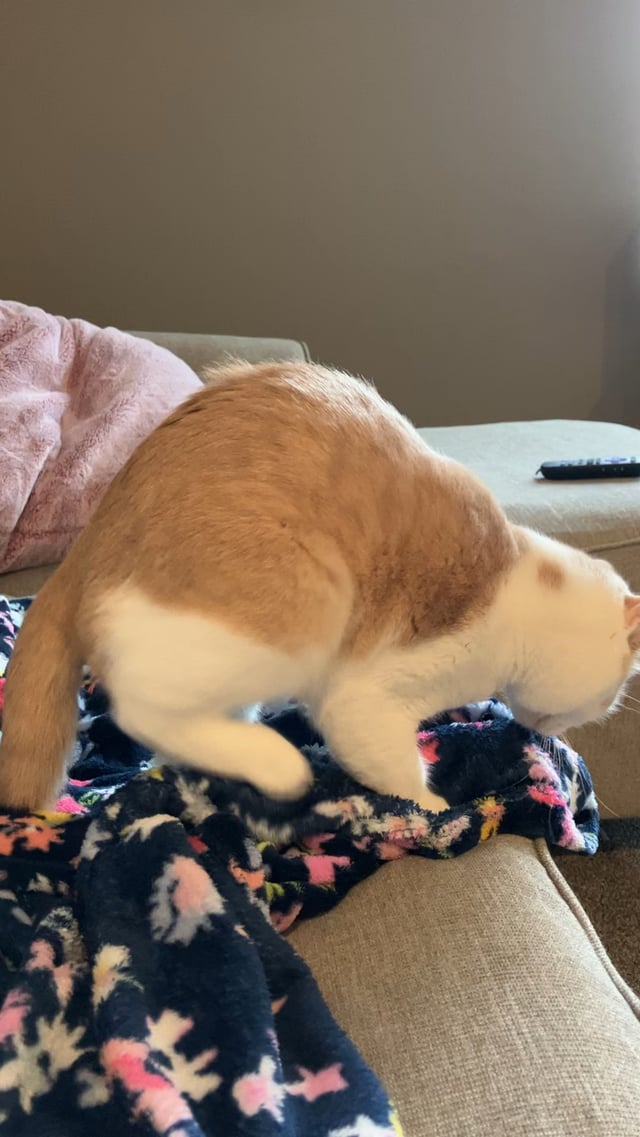
Have you ever caught your cat humping his toy and wondered why he’s doing that? It might seem strange or even a little embarrassing, but this behavior is more common than you think.
Understanding why your cat acts this way can help you connect with him better and ensure he’s happy and healthy. Keep reading to discover the surprising reasons behind this quirky habit and what you can do about it.
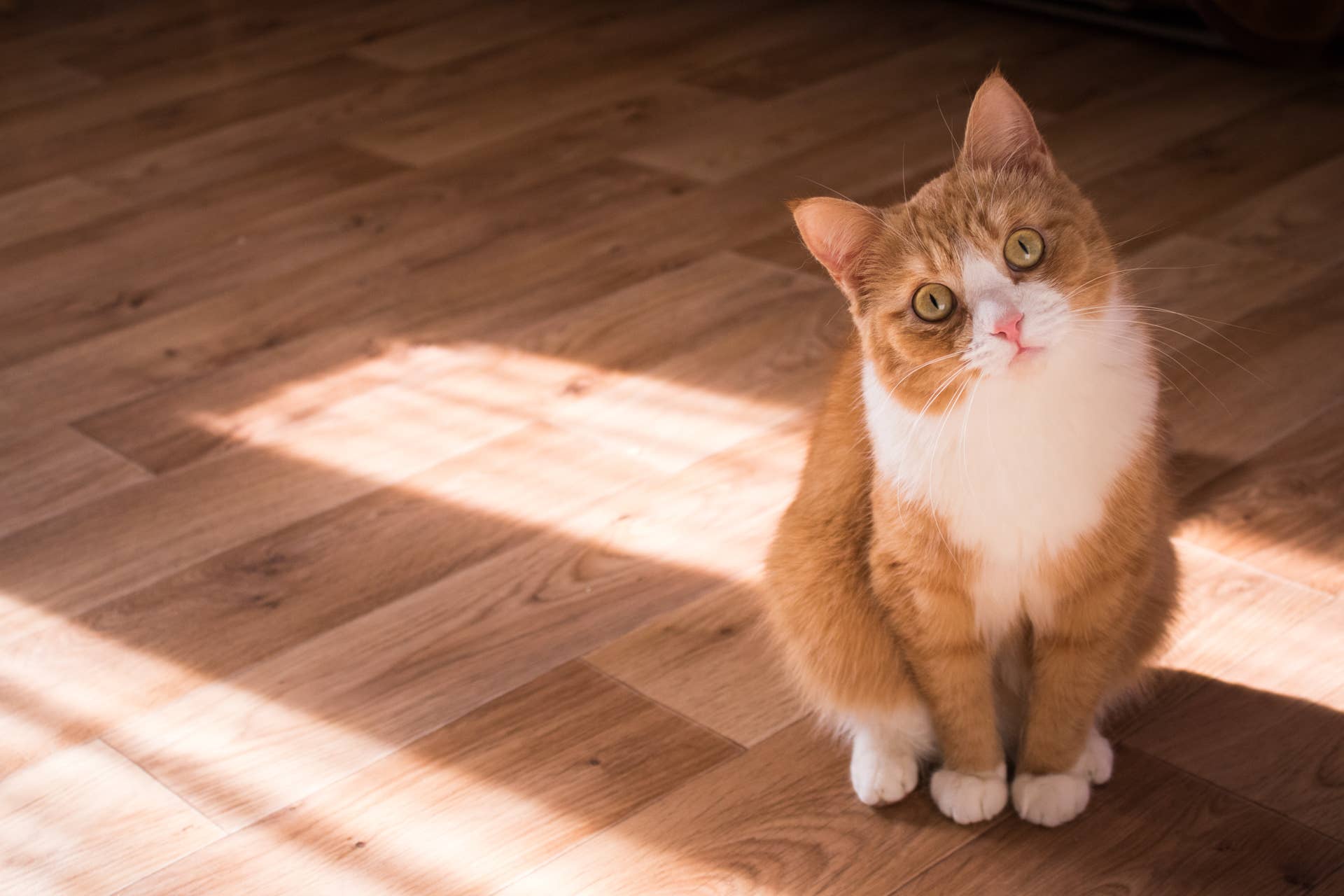
Credit: pethelpful.com
Common Cat Behaviors
Understanding common cat behaviors can help you make sense of why your cat might hump his toy. Cats express themselves in many ways, and what seems odd to us often has a clear reason behind it. Observing these behaviors closely gives you insight into their emotions and needs.
Normal Play Activities
Humping a toy can be part of your cat’s natural play routine. Cats often mimic hunting behaviors, and that includes pouncing, biting, and even mounting their toys. This action helps them release energy and practice skills they would use in the wild.
Have you noticed your cat doing this more when he’s had less outdoor time or fewer interactive play sessions? It’s a sign he might need more engagement or stimulation during the day. Offering a variety of toys and playtime can reduce this behavior if it becomes excessive.
Signs Of Affection
Sometimes, humping is less about play and more about expressing affection or comfort. Your cat might see the toy as a safe object and show attachment by mounting it. This behavior is similar to how cats knead or purr when they feel secure.
Does your cat seem relaxed and happy when he humps his toy? That could mean he’s using this action to soothe himself or show contentment. Paying attention to his overall mood during these moments can help you understand what he’s really telling you.

Credit: www.reddit.com
Reasons Behind Humping
When your cat suddenly starts humping a toy, it can leave you puzzled. Understanding the reasons behind this behavior helps you respond better and care for your furry friend. Cats don’t hump toys just for fun; there are deeper causes tied to their instincts and emotions.
Hormonal Influences
Unneutered or unspayed cats often hump because of strong hormonal drives. Testosterone and estrogen can trigger this behavior as part of their natural mating instincts. Even neutered cats might display humping if hormones are still balancing out, especially if they were altered later in life.
If your cat is young and intact, humping might be a sign of sexual frustration. Have you noticed if your cat is also marking territory with urine or showing more aggressive behavior? These signs often go hand in hand with hormonal influences.
Stress And Anxiety
Stress can cause cats to act in unusual ways, including humping objects. When your cat feels anxious or overwhelmed, humping can serve as a self-soothing action. It’s similar to how some people fidget when nervous.
Think about any recent changes in your home—new pets, visitors, or even moving furniture. Could these be stressing your cat? Helping your cat feel secure can reduce this behavior significantly.
Territorial Marking
Cats use many methods to mark their territory, and humping can be one of them. This behavior leaves a scent and physical mark, signaling to other cats that this space or object belongs to them. It’s more common in multi-cat households or places with outdoor access.
Does your cat hump only certain toys or areas? This might be their way of claiming ownership. You can try providing separate toys or spaces to reduce territorial disputes.
Play Aggression
Sometimes humping is part of rough play or overstimulation. Your cat might get excited and express it through this behavior, especially if they don’t have enough outlets for their energy. It’s a mix of play and dominance display.
Have you observed if the humping happens after intense play sessions or when your cat is chasing toys? Offering more interactive playtime with you can help redirect this energy in a positive way.
When To Worry
Seeing your cat hump his toy might seem odd, but it’s usually harmless. However, there are times when this behavior signals something more serious. Knowing when to worry helps you keep your feline friend healthy and happy.
Excessive Humping
If your cat humps his toy occasionally, it’s generally nothing to stress about. But when the behavior becomes constant or obsessive, it can disrupt his daily life and yours. Excessive humping might mean your cat is anxious, bored, or stressed.
Ask yourself: Is your cat ignoring other activities like eating, grooming, or playing? If yes, this could be a red flag. You might need to increase playtime or provide new toys to keep him mentally stimulated.
Health Concerns
Sometimes, humping points to health issues. Urinary tract infections or skin irritations can cause discomfort that leads to this behavior. If your cat seems restless, is licking the same spot excessively, or shows signs of pain, a vet visit is necessary.
Don’t wait for the problem to worsen—early diagnosis can make a big difference. Also, unneutered cats are more prone to mounting behavior, so neutering might reduce humping in some cases.
Behavioral Issues
Humping can also be a sign of deeper behavioral problems. Cats dealing with anxiety or frustration may express themselves this way. It’s not just about the toy; it’s about what your cat is feeling inside.
Consider whether there have been changes in your cat’s environment, like a new pet or moving house. If you notice other signs like aggression or withdrawal, consulting a behaviorist could help you understand and manage your cat’s stress.
Managing Humping Behavior
Cats often hump toys to show excitement or relieve stress. This behavior can also be a way to practice mating instincts or mark territory. Managing it involves redirecting attention and providing plenty of playtime.
Managing your cat’s humping behavior can be a task that requires a bit of patience and understanding. This behavior might seem odd or even embarrassing, but it’s important to approach it with a calm and proactive mindset. By understanding the reasons behind the behavior, you can take steps to manage it effectively. Here, we will explore some practical strategies to help you and your furry friend find peace.Providing Adequate Stimulation
Cats are curious and energetic creatures. If your cat is humping his toys, it might be a sign that he needs more mental and physical stimulation. Consider providing a variety of toys that challenge your cat’s hunting instincts. Interactive toys, like feather wands or laser pointers, can keep your cat engaged. Rotate these toys regularly to prevent boredom. This can help reduce unwanted behaviors by satisfying your cat’s need for activity.Neutering And Spaying
One of the most effective ways to manage humping behavior is through neutering or spaying. If your cat is not already fixed, this can significantly reduce sexual behaviors and decrease the likelihood of humping. It’s a simple procedure that also offers health benefits, such as reducing the risk of certain cancers. Many pet owners find that this step makes a noticeable difference in their cat’s behavior.Redirecting Attention
When you catch your cat in the act, calmly redirect his attention. Clap your hands or use a gentle voice to distract him. Offer a different toy or engage him in a game. Consistency is key. Over time, your cat will learn to associate the humping behavior with a new, more acceptable activity. This method fosters positive habits without stress or punishment.Consulting A Veterinarian
If humping behavior persists despite your best efforts, it might be time to consult a veterinarian. There could be underlying medical or behavioral issues at play. A vet can provide insights and recommend treatments or behavioral therapies. Remember, every cat is unique. What works for one may not work for another. Don’t hesitate to seek professional advice if you’re unsure about your cat’s behavior. Your vet is a valuable resource in ensuring your pet’s health and happiness.Myths And Facts
Many cat owners wonder why their pet humps toys. This behavior sparks many myths and facts. Understanding what is true helps you care better for your cat. Let’s explore the common misconceptions and scientific insights behind this curious act.
Common Misconceptions
- Some believe cats hump toys because they are always in heat.
- Others think it means the cat is aggressive or angry.
- Many assume it is purely a sexual act like in dogs.
- Some say it shows dominance over other pets or humans.
- There is a myth that cats do it only when unneutered or unspayed.
These ideas are often wrong or only partly true. Cats hump toys for different reasons beyond just mating.
Scientific Insights
- Humping can be a way to release stress or excess energy.
- Cats may do it to show excitement or playfulness.
- It can be a comforting behavior, similar to kneading.
- Neutered cats also hump, so it is not only sexual.
- Some scientists link it to early kitten play and exploration.
Research shows humping is a normal behavior, not a sign of illness. It helps cats express feelings and manage emotions.
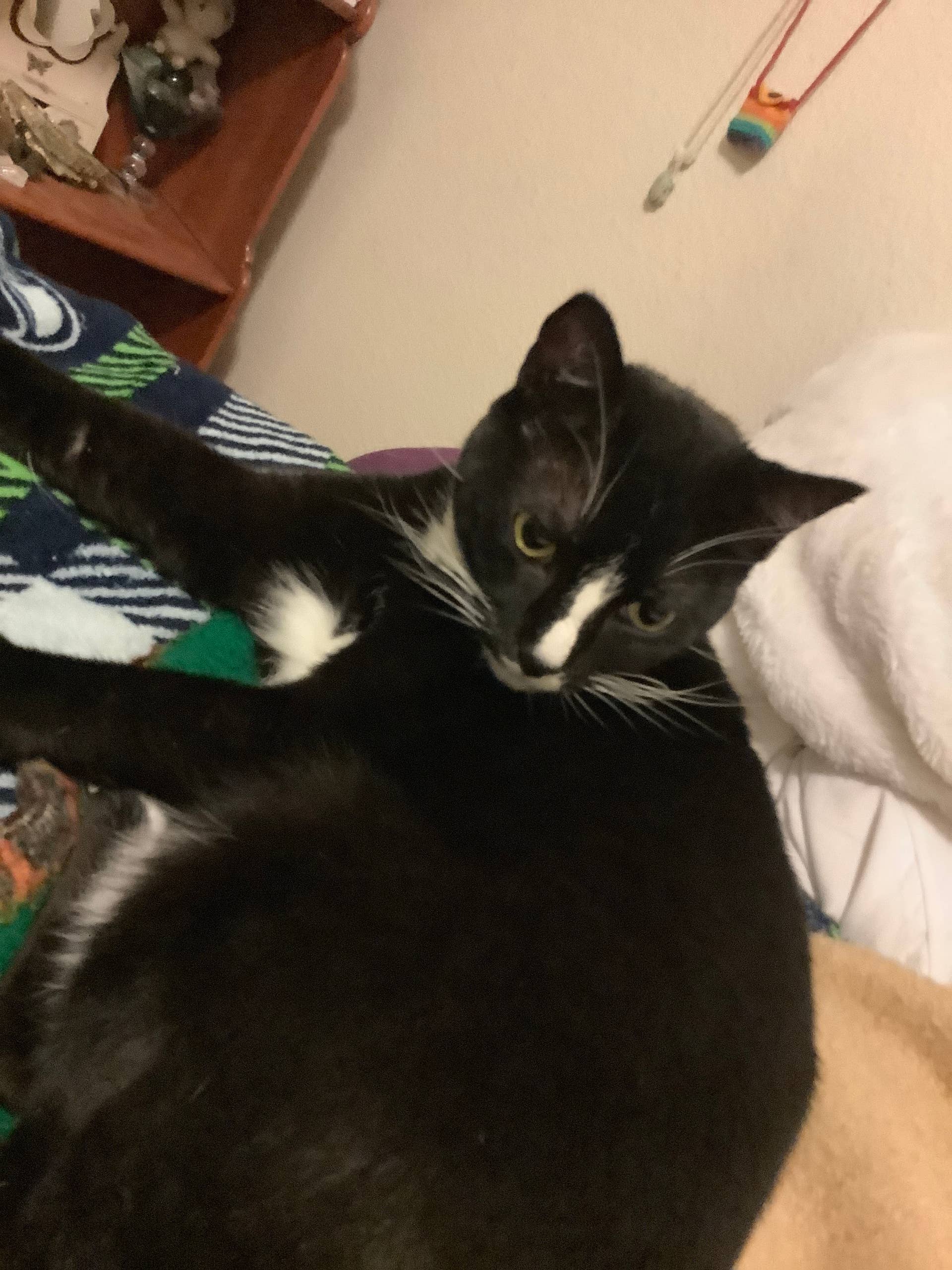
Credit: pethelpful.com
Frequently Asked Questions
Why Does My Cat Hump His Toy Repeatedly?
Cats often hump toys due to play behavior, stress relief, or hormonal drives. It mimics mating instincts or marks territory. This behavior is normal but can increase with excitement or anxiety.
Is Toy Humping A Sign Of Health Issues In Cats?
Toy humping is usually normal and not a health problem. However, excessive humping might indicate stress, hormonal imbalance, or medical concerns. If frequent, consult a vet for proper diagnosis and advice.
Can Neutering Stop My Cat From Humping Toys?
Neutering often reduces humping behavior by lowering hormone levels. However, some cats may still hump out of habit or stress. Neutering is recommended to manage hormone-driven behaviors effectively.
How Can I Discourage My Cat From Humping His Toys?
Redirect your cat’s attention with interactive play and new toys. Provide mental stimulation and reduce stress with a calm environment. Consistent positive reinforcement helps curb unwanted humping behavior.
Conclusion
Cats hump toys for many reasons, not just mating. It can show excitement, stress, or playfulness. This behavior is normal and usually harmless. Watch your cat’s habits to understand feelings better. Provide enough toys and attention to keep them happy.
If humping seems excessive, a vet visit helps. Knowing why your cat humps toys improves your bond. Keep observing and caring with patience and love. Your cat’s actions tell a story worth hearing.

Leave a Reply