Are you thinking about adding a furry friend to your home but worried about how your cat will react? Choosing the right dog breed can make all the difference in creating a peaceful and happy household.
If you want a dog under 70 pounds that gets along well with cats, you’re in the right place. This guide will help you find the perfect dog that fits your lifestyle and keeps your feline friend safe and comfortable.
Keep reading to discover which breeds are known for being great companions to cats—and why they might be the ideal choice for your family.
Credit: worldanimalfoundation.org
Small To Medium Dog Breeds Under 70 Pounds
Choosing a small to medium dog breed under 70 pounds that gets along well with cats can make a huge difference in creating a peaceful home. These dogs are large enough to enjoy active play but small enough to avoid overwhelming your feline friends. You want a dog that is gentle, curious, and patient with cats, ensuring a smooth introduction and lasting friendship.
Beagle
Beagles are friendly and social dogs known for their gentle nature. They tend to be curious and can bond well with cats if introduced properly. Their moderate size and playful attitude make them a great match for households with feline companions.
Cavalier King Charles Spaniel
This breed is affectionate and calm, often enjoying the company of cats. Cavaliers have a sweet temperament that usually results in peaceful coexistence. Their smaller size and easygoing personality help reduce tension between pets.
Bulldog
Despite their tough appearance, Bulldogs are quite calm and patient. They usually tolerate cats well and often enjoy lounging together. Their sturdy build and relaxed nature allow them to share space comfortably with feline friends.
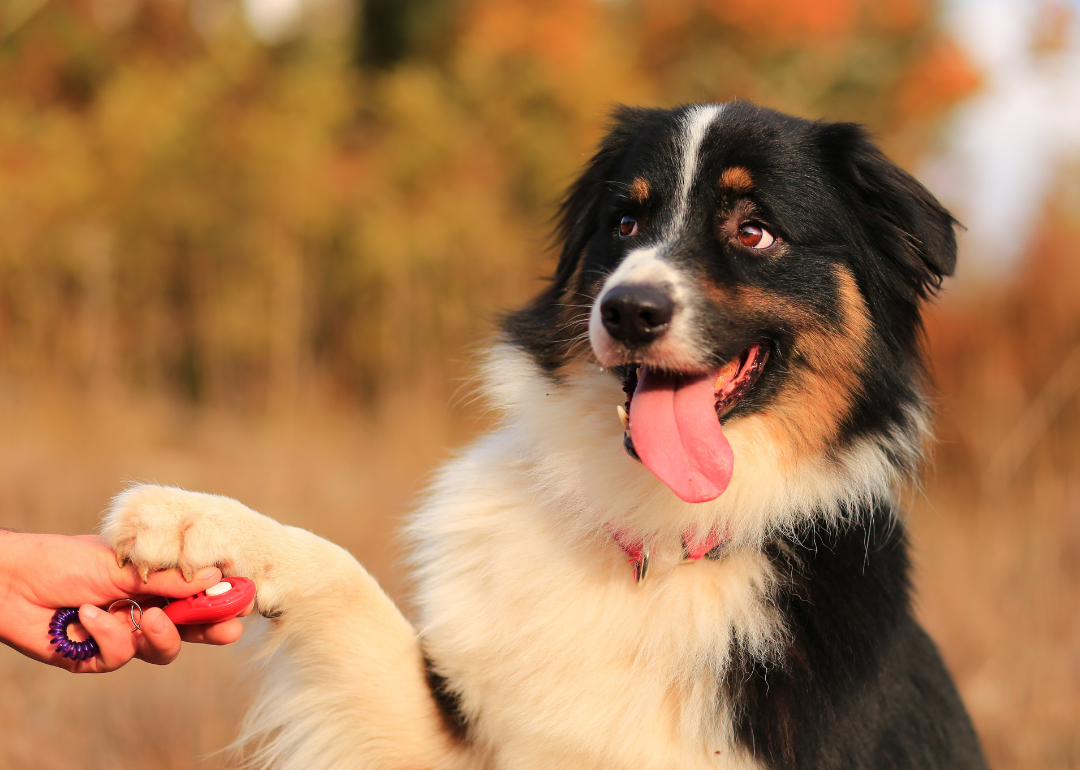
Australian Shepherd
Australian Shepherds are intelligent and energetic but can be gentle with cats when socialized early. Their herding instincts might require careful management, but their loyalty to family often extends to pets. Do you have the time to train a smart dog to respect your cat’s boundaries?
Shiba Inu
Shibas are independent and confident, which can work well with cats that respect their space. They are small to medium in size and tend to be clean and quiet. Early introductions and consistent boundaries help these two species coexist peacefully.
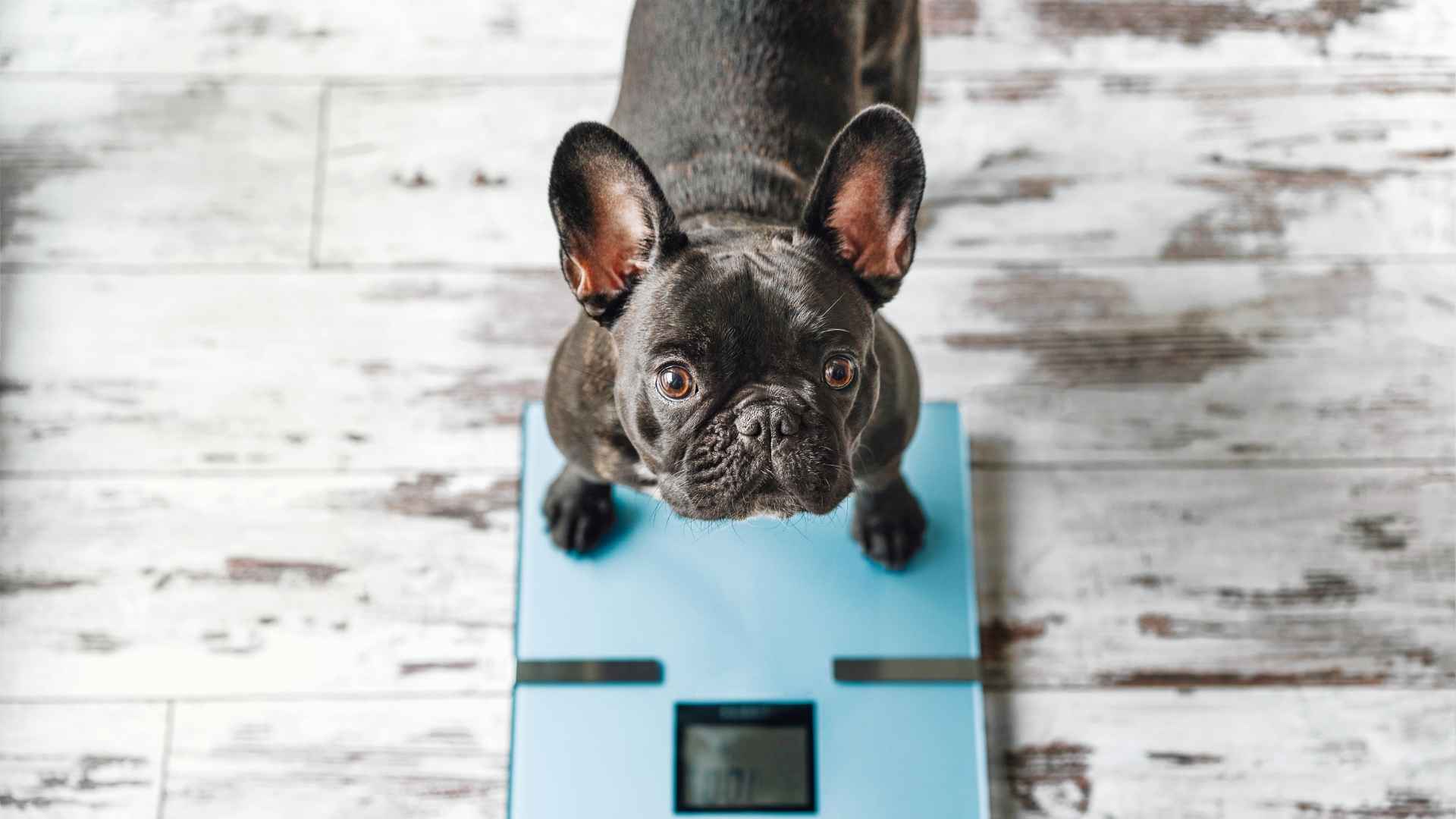
French Bulldog
French Bulldogs are known for their affectionate and easygoing nature. They usually get along well with cats, especially when raised together. Their smaller size and calm demeanor make them less likely to intimidate feline companions.
Choosing the right dog breed under 70 pounds involves understanding both the dog’s personality and your cat’s temperament. Have you observed how your cat reacts to new animals? This insight can guide you toward the best match for your home.
Traits That Make Dogs Cat-friendly
Choosing a dog under 70 pounds that gets along with cats isn’t just about size—it’s about personality and behavior. Understanding the traits that make a dog cat-friendly helps you find a pet that fits harmoniously into your home. These traits affect how your dog will react to a feline friend and can make all the difference in building a peaceful relationship.
Calm And Gentle Temperament
A dog with a calm and gentle nature is more likely to accept a cat as part of the family. These dogs don’t feel the need to chase or dominate, which reduces stress for both pets. Think about dogs that remain relaxed around new situations—they often adapt better to living with cats.
Low Prey Drive
Dogs with a low prey drive won’t see cats as something to chase or hunt. This trait is crucial because high prey drive can lead to chasing, which frightens cats and creates tension. Breeds known for their friendly attitude toward smaller animals usually have this low prey instinct.
Social And Friendly Nature
Dogs that enjoy socializing tend to accept cats more easily. If your dog naturally seeks companionship and enjoys meeting other animals, it’s a good sign they’ll get along with a feline friend. These dogs often show curiosity instead of aggression toward cats.
Trainability And Obedience
Dogs that respond well to training make living with cats smoother. You can teach them boundaries and commands that help control interactions with your cat. For instance, a well-trained dog will learn to respect the cat’s space and avoid chasing behaviors.
Patience And Tolerance
Patience is a key trait in dogs that live happily with cats. Cats move at their own pace, and a patient dog waits calmly without forcing interaction. When dogs tolerate a cat’s quirks and sudden movements, it builds trust and peace in your home.
Top Dog Breeds Good With Cats
Choosing a dog that weighs under 70 pounds and gets along well with cats can make your home a peaceful place for all your furry friends. Certain breeds naturally exhibit a calm and friendly demeanor toward cats, making introductions smoother and daily life more enjoyable. Here are some popular breeds known for their cat-friendly nature and manageable size.
Golden Retriever
Golden Retrievers are famous for their gentle and friendly personalities. Their patience and easygoing attitude often help them bond well with cats. If you want a loyal companion who will happily coexist with your feline, this breed is a great pick.
Beagle
Beagles are curious and social dogs that usually get along with cats due to their playful nature. Their smaller size keeps them from being intimidating, and their energy often matches that of most cats. Do you have an active cat? A Beagle might just be the buddy they need.
Cavalier King Charles Spaniel
This breed is known for its affectionate and gentle temperament. Cavaliers often enjoy the company of cats and other pets, making them excellent for multi-pet households. Their calm nature means fewer chances of chasing or aggressive behaviors.
Basset Hound
Basset Hounds are laid-back and patient dogs. Their slow and steady approach to life usually means they don’t see cats as prey or competition. If you want a dog that respects your cat’s space, Bassets can be a good fit.
Bulldog
Despite their tough appearance, Bulldogs are surprisingly mellow and friendly with cats. Their low energy levels and affectionate side help them settle in comfortably with feline companions. Have you noticed how Bulldogs seem to enjoy lounging quietly? This trait helps them coexist peacefully with cats.
Cocker Spaniel
Cocker Spaniels are lively yet gentle dogs. Their sociable nature allows them to adapt well to living with cats, especially if introduced early. If your cat is shy, a Cocker Spaniel’s friendly approach can help build trust over time.
Boston Terrier
Boston Terriers are playful and intelligent, often showing a curious interest in cats rather than hostility. Their compact size and friendly personality make them less threatening to feline friends. Could a Boston Terrier’s lively spirit bring new energy to your pet family?
Shih Tzu
Shih Tzus are known for their affectionate and calm demeanor. They usually accept cats as part of the family and enjoy peaceful interactions. Their small size and gentle nature make them suitable companions for cats of all ages.
Credit: worldanimalfoundation.org
Training Tips For Dogs Living With Cats
Training dogs to live peacefully with cats takes patience and care. It helps build a safe and calm home for both pets. Start training early to set good habits. Consistency is key to avoid confusion.
Use positive reinforcement to encourage good behavior. Reward calm and gentle actions around cats. Avoid punishment as it may cause fear or aggression. Create clear boundaries for your dog to understand.
Establish A Safe Space For Your Cat
Give your cat a place to escape and relax. Use baby gates or high shelves where dogs cannot reach. This helps reduce stress and gives cats control over their environment.
Teach Basic Commands To Your Dog
Commands like “sit,” “stay,” and “leave it” are essential. They help control your dog’s actions near cats. Practice these commands daily in various settings.
Introduce Pets Slowly And Carefully
Let dogs and cats meet in controlled, calm situations. Keep dogs on a leash at first. Observe body language to prevent fear or aggression. Gradually increase time spent together.
Use Distractions To Redirect Attention
Offer toys or treats to keep your dog’s focus away from the cat. This reduces chasing or rough play. Engage your dog in activities that burn energy.
Monitor Interactions Constantly
Never leave dogs and cats alone until fully comfortable. Watch for signs of stress or aggression. Step in early to prevent problems from escalating.
Creating A Safe Space For Both Pets
Choosing dog breeds under 70 pounds that tend to get along well with cats helps keep peace at home. Creating a calm, safe space lets both pets feel comfortable and secure together. Patience and gentle introductions build trust between your dog and cat.
Creating a Safe Space for Both Pets Bringing a new pet into your home can be an exciting yet challenging experience. Ensuring a harmonious environment for both dogs and cats is crucial. This involves creating a safe space where both pets can coexist peacefully and comfortably.Understand Each Pet’s Needs
Each pet has unique needs and preferences. A dog weighing under 70 pounds might require different accommodations than a cat. Consider what each pet enjoys and how they like to relax. Is your dog more playful while your cat prefers quiet corners? Cater to these preferences to minimize stress.Designate Separate Areas
It’s important to allocate distinct areas for your dog and cat. Use baby gates or pet barriers to create boundaries. This ensures that each pet has a personal retreat where they feel safe and secure.Introduce Gradually
Introduce your pets slowly to prevent overwhelming them. Start with short, supervised interactions. Gradually increase their time together as they grow more comfortable with each other’s presence.Use Positive Reinforcement
Reward both pets for calm behavior around each other. Treats and praise can help reinforce positive interactions. This encourages your pets to associate each other’s presence with positive experiences.Monitor Their Interactions
Keep a close eye on how your pets interact. Look for signs of discomfort or aggression and intervene if necessary. This helps you understand their dynamic and adjust your approach if needed.Provide Shared Resources
Ensure that there are enough resources like toys, food bowls, and water dishes for both pets. This reduces competition and potential conflicts. Make sure these are easily accessible to each pet. Creating a safe and peaceful space for your dog and cat is all about understanding their individual needs and fostering a supportive environment. What steps will you take to ensure harmony in your pet-filled home?Signs Of Stress In Dogs And Cats
Understanding the signs of stress in dogs and cats helps maintain peace between them. Stress can affect their health and behavior. Recognizing these signs early allows for quick action. Watch closely for changes in how they act or feel.
Signs Of Stress In Dogs
- Excessive panting or drooling without exercise
- Yawning repeatedly or licking lips often
- Avoiding eye contact or turning head away
- Tucked tail or lowered ears
- Shaking or trembling
- Growling, barking, or snapping without clear cause
- Hiding or refusing to move
Signs Of Stress In Cats
- Hissing or growling when approached
- Flattened ears or wide eyes
- Hiding in unusual places
- Excessive grooming or scratching
- Loss of appetite or refusing food
- Swishing or flicking tail rapidly
- Sudden aggression or withdrawal
Why Recognizing Stress Matters
Stress can lead to fights or health issues. It disrupts the harmony between dogs and cats. Early detection helps prevent problems. Creating a calm space reduces stress for both pets. This makes their relationship stronger and safer.
Credit: stacker.com
Frequently Asked Questions
What Dog Breeds Under 70 Pounds Get Along With Cats?
Breeds like Beagles, Cocker Spaniels, and Bulldogs under 70 pounds are known to adapt well with cats. They have gentle temperaments and social instincts, making them suitable companions for feline friends.
Are Medium-sized Dogs Good With Cats At Home?
Yes, many medium-sized dogs under 70 pounds can coexist peacefully with cats. Proper training and socialization help them build positive relationships in a shared home environment.
How To Introduce A Dog Under 70 Pounds To Cats?
Introduce them slowly in a controlled space. Use leashes and supervise initial meetings. Positive reinforcement helps build trust and reduce stress for both pets.
Which Dog Breeds Under 70 Pounds Have Calm Personalities?
Breeds like Basset Hounds, Shih Tzus, and Bulldogs are calm and friendly. Their relaxed nature makes them more accepting of cats and less likely to chase or be aggressive.
Conclusion
Choosing a dog under 70 pounds that gets along with cats can bring peace to your home. Many breeds show calm and friendly behavior toward feline friends. Training and patience also help build strong bonds between pets. Remember, every dog has its own personality.
Spend time with the dog before deciding. A happy pet family means love and care for all. This way, your cat and dog can enjoy life together. It’s worth the effort for harmony in your household.




Leave a Reply