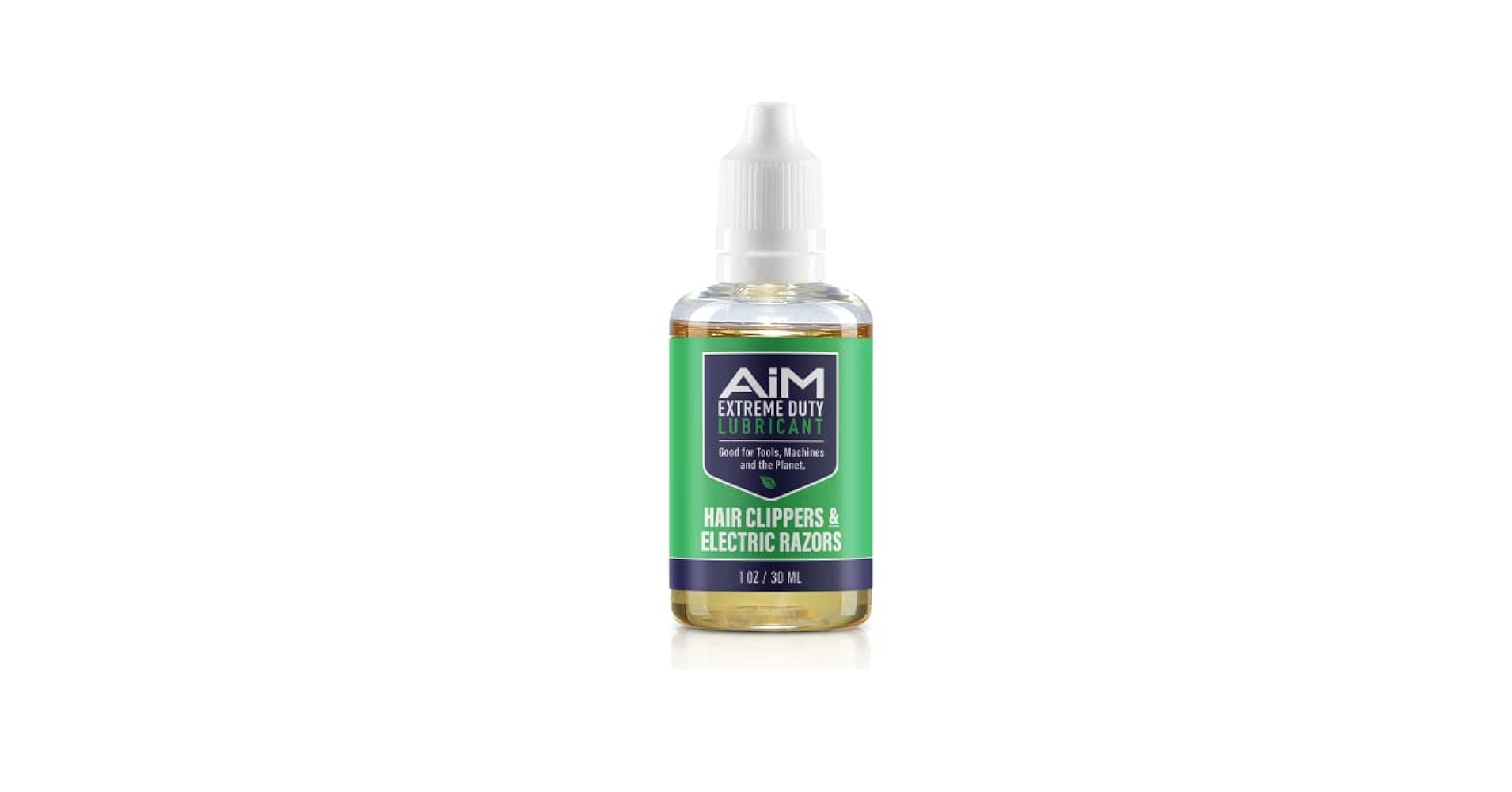
Grooming your cat can be a tricky task, especially when it comes to keeping them calm and comfortable. You might wonder, what do you use for lubricant when grooming a cat?
Using the right lubricant can make a huge difference, helping your furry friend stay relaxed while you work. You’ll discover safe and effective options that protect your cat’s skin and make grooming easier for both of you. Keep reading to learn the simple secrets that can turn grooming time into a peaceful experience.

Credit: www.amazon.com
Why Use Lubricant For Cat Grooming
Using lubricant during cat grooming is a smart choice. It helps make the experience gentle and smooth for your pet. Lubricants can improve the grooming process in many ways. They protect your cat’s skin and make handling easier.
Benefits For Cat Comfort
Lubricants reduce friction between the brush and your cat’s fur. This makes grooming less painful and more pleasant. Cats feel relaxed and calm during grooming with lubricant. It helps keep them still and cooperative.
Preventing Skin Irritation
Cat skin is sensitive and can get irritated easily. Lubricants create a protective layer on the skin. This layer stops itching, redness, and dryness caused by brushing. It also helps avoid scratches and small cuts during grooming.
Easing Grooming Process
Lubricants make it easier to remove tangles and mats. They smooth the fur and reduce pulling. Grooming takes less time and effort with lubricant. It keeps the fur soft and shiny after grooming.
Characteristics Of Safe Lubricants
Choosing the right lubricant for grooming your cat is more than just picking any slick product off the shelf. Safe lubricants have specific qualities that protect your feline friend’s delicate skin and fur. Understanding these characteristics helps you avoid irritation and ensures a smooth grooming experience for both you and your cat.
Non-toxic Ingredients
Your cat might lick off any product you apply, so the lubricant must be free from harmful chemicals. Look for lubricants made with natural oils like coconut or olive oil, which are safe if ingested in small amounts.
Avoid products containing parabens, artificial fragrances, or alcohol. These can cause skin dryness or even poisoning. Have you checked the label carefully before using a new grooming product on your pet?
Hypoallergenic Properties
Cats have sensitive skin that can easily react to harsh substances. Hypoallergenic lubricants reduce the risk of allergic reactions, redness, or itching during grooming.
Products labeled as hypoallergenic often undergo testing to ensure they’re gentle. Your cat’s comfort matters, so choosing a lubricant that calms rather than irritates makes a big difference in the grooming process.
Easy To Clean
A lubricant that’s too sticky or greasy can make grooming messy and uncomfortable. Choose one that rinses off easily with water or mild shampoo, leaving no residue behind.
This helps keep your cat’s fur clean and prevents dirt buildup. Have you ever struggled to wash out a product from your cat’s fur? Picking an easy-to-clean lubricant saves you time and stress.
Top Safe Lubricant Choices
Choosing the right lubricant is important for gentle and safe cat grooming. The wrong product can irritate your cat’s skin or cause discomfort. Safe lubricants help the brush glide smoothly through fur. They also reduce pulling and tangles. Below are top safe lubricant choices for cat grooming that keep your pet comfortable and happy.
Natural Oils
Natural oils are gentle and nourish your cat’s skin. Coconut oil and olive oil are popular choices. They moisturize dry patches and add shine to fur. Use a small amount to avoid greasiness. Always test a tiny spot first to check for allergies.
Pet-safe Gels
Pet-safe gels are designed specifically for animals. These gels reduce friction during grooming. They are lightweight and non-sticky. Many contain soothing ingredients like aloe vera. These gels help calm sensitive skin and prevent irritation.
Water-based Lubricants
Water-based lubricants are easy to apply and clean. They do not leave oily residue on fur. These lubricants are safe and hypoallergenic. They work well for cats with sensitive skin. Water-based products help brushes move smoothly without buildup.
Natural Oils Suitable For Cats
Natural oils are gentle and safe options for lubricating your cat during grooming. They help reduce friction and soothe the skin. These oils can also improve your cat’s coat health by adding moisture and shine. Using natural oils avoids harsh chemicals that might irritate your pet’s skin.
Coconut Oil
Coconut oil is a popular choice for cat grooming. It has natural antibacterial and antifungal properties. This oil can calm dry, itchy skin and reduce inflammation. Apply a small amount to your hands before grooming. It helps the brush glide smoothly through your cat’s fur.
Olive Oil
Olive oil is mild and safe for cats. It moisturizes the skin and softens the coat. This oil can reduce dandruff and improve fur texture. Use a little olive oil to make grooming easier. It creates a smooth surface for brushing without clogging pores.
Almond Oil
Almond oil is lightweight and absorbs quickly. It nourishes the skin and adds a natural shine to fur. This oil is rich in vitamins, which support healthy hair growth. Rub a small amount on your hands before grooming. It prevents tangles and helps detangle matted fur gently.
Commercial Pet Lubricants To Consider
Choosing the right lubricant helps make cat grooming smooth and gentle. Water-based lubricants are safe and easy to use. Some pet owners also prefer natural oils like coconut for softness and shine.
When grooming a cat, using the right lubricant can ease the process. Commercial pet lubricants are specially designed for safe and effective grooming. They help in detangling fur, reducing static, and soothing the cat’s skin. These products are formulated to be non-toxic and cat-friendly. Let’s explore some popular commercial pet lubricants available in the market.Popular Brands
Several brands offer high-quality lubricants for cat grooming. Here are some well-known names:- PetSilk: Known for its natural ingredients and gentle formula.
- Bio-Groom: Offers a wide range of grooming solutions, including lubricants.
- Four Paws: Provides products that are easy to use and effective.
Key Features
Commercial pet lubricants come with distinct features. Here are some key aspects to consider:- Non-Toxic: Safe if accidentally ingested by your cat.
- Detangling Properties: Makes brushing easier and reduces hair pulling.
- Moisturizing: Keeps the skin and fur hydrated and healthy.
Where To Buy
You can find these lubricants at several outlets:- Pet Stores: Visit local pet stores for a range of options.
- Online Retailers: Websites like Amazon and Chewy offer many choices.
- Veterinary Clinics: Some vets sell pet grooming products directly.

Credit: www.amazon.com
Lubricants To Avoid
Choosing the right lubricant for grooming your cat is essential. Some lubricants can harm your pet’s skin or health. Avoiding unsafe products keeps grooming safe and comfortable.
Toxic Ingredients
Many lubricants contain chemicals harmful to cats. Ingredients like parabens, phthalates, and synthetic fragrances can irritate skin and cause poisoning. Avoid any product with these substances.
Essential oils such as tea tree or eucalyptus can be toxic in grooming products. Even small amounts may cause serious reactions. Always check labels for toxic components.
Human Products Not Meant For Pets
Never use human lotions, oils, or creams on cats. These often have ingredients safe for people but dangerous for animals. For example, petroleum jelly can block pores and cause skin issues.
Some hand sanitizers and creams contain alcohol or perfumes that hurt cats. Stick to pet-specific lubricants designed for grooming.
Potential Allergens
Cats can develop allergies to certain substances in lubricants. Common allergens include lanolin, soy, and some plant extracts. Watch for redness, itching, or swelling after use.
Test a small skin area before full application. Choose hypoallergenic products to reduce allergy risks. Consult your vet if unsure about ingredients.
How To Apply Lubricant Safely
Applying lubricant during cat grooming can make the process smoother and more comfortable for your feline friend. However, using too much or applying it incorrectly can cause discomfort or even harm. Knowing how to apply lubricant safely ensures your cat stays calm and happy throughout grooming.
Proper Amounts
Using the right amount of lubricant is key. Too little won’t provide enough slip, and too much can make your cat feel sticky or slippery.
A pea-sized drop is usually enough for small areas like around the ears or paws. For larger areas, a thin layer spread evenly works best.
Ask yourself: Have you used just enough to reduce friction but not so much that your cat struggles to stay still?
Application Techniques
Apply lubricant gently with your fingers or a soft cloth. Avoid direct contact with your cat’s eyes, nose, and mouth.
Start by warming the lubricant between your hands to prevent startling your cat with a cold touch. Use slow, soothing strokes to spread it evenly.
Focus on the spots that tend to tangle or cause discomfort, such as behind the ears or under the legs. This approach helps your cat relax and reduces stress during grooming.
Post-grooming Cleaning
After grooming, check your cat’s fur for any excess lubricant. Too much residue can attract dirt or cause matting later.
Use a clean, damp cloth to gently wipe off leftover lubricant. Make sure your cat is completely dry before letting them roam free.
Have you noticed how a little extra attention in cleaning can prevent skin issues or unpleasant smells? It’s a small step that makes a big difference in your cat’s comfort.
Signs Of Adverse Reactions
Watch for redness, swelling, or itching on your cat’s skin after applying lubricant. Sudden sneezing or coughing may also signal a reaction. Acting quickly can keep your cat safe and comfortable during grooming.
When grooming your cat, using the right lubricant can make a world of difference. However, it’s crucial to be aware of any adverse reactions your feline friend might experience. Recognizing these signs early can save your cat from unnecessary discomfort and ensure a pleasant grooming session for both of you.Skin Redness
Watch for any redness on your cat’s skin after applying lubricant. This could indicate an allergic reaction or irritation. If you notice your cat’s skin becoming red or inflamed, it’s time to reconsider the product you’re using. Opt for a hypoallergenic alternative and consult your vet if the redness persists.Excessive Licking
Cats often lick themselves as a form of grooming, but excessive licking can be a red flag. If your cat seems to be licking the same spot repeatedly, it might be trying to soothe an irritation caused by the lubricant. This behavior can lead to further skin issues or even hair loss, so it’s important to address it quickly.Behavioral Changes
Changes in your cat’s behavior can be subtle yet significant indicators of discomfort. Has your usually playful kitty become lethargic or withdrawn? This might be a response to an adverse reaction to the grooming product. Pay attention to these cues and take action by switching products or consulting a vet for guidance. Being attentive to these signs not only protects your cat’s health but also strengthens your bond. What subtle signals is your cat showing you today?Tips For Smooth Grooming Sessions
Grooming a cat can be easier and more pleasant with the right approach. Using a lubricant helps reduce friction and soothes your cat’s skin. Smooth grooming sessions need more than just products. These tips help your cat stay calm and comfortable.
Creating A Calm Environment
Start grooming in a quiet room with few distractions. Soft lighting can help your cat feel relaxed. Speak in a gentle voice and move slowly. Avoid sudden movements that might scare your cat. Let your cat explore the tools before you begin. A calm environment makes grooming less stressful.
Combining Lubricants With Grooming Tools
Use pet-safe lubricants to ease brushing and reduce pulling. Apply a small amount on your hands or directly on the fur. Choose lubricants like coconut oil or special cat grooming sprays. Pair lubricants with soft brushes or combs. This combo makes the fur smooth and easier to detangle. Always check for any skin reaction after applying lubricant.
Regular Grooming Schedule
Set a regular time for grooming sessions, such as twice a week. Consistency helps your cat get used to the routine. Short sessions work better than long ones. Reward your cat with treats or petting after each session. Regular grooming keeps fur healthy and reduces mats. It also builds trust between you and your cat.
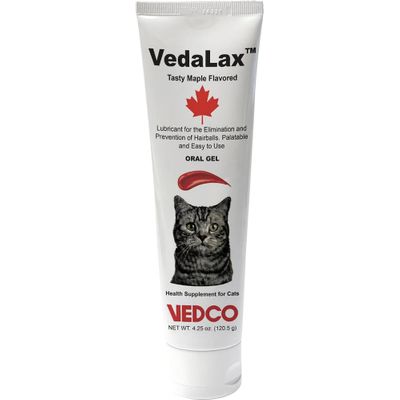
Credit: www.entirelypets.com
Frequently Asked Questions
What Is The Best Lubricant For Cat Grooming?
The best lubricant for cat grooming is a pet-safe, water-based lubricant. Avoid oils or human products. These ensure smooth brushing and reduce fur pulling without harming your cat’s skin.
Can I Use Olive Oil As A Cat Grooming Lubricant?
No, avoid olive oil for cat grooming. It can clog pores and irritate your cat’s skin. Use only products designed for pets.
How Does Lubricant Help During Cat Grooming?
Lubricant reduces friction, making brushing easier and more comfortable. It prevents hair pulling and skin irritation, promoting a calm grooming session.
Are Commercial Cat Grooming Lubricants Safe?
Yes, commercial lubricants made for cats are safe if used as directed. They are formulated to be gentle and non-toxic for feline skin.
Conclusion
Choosing the right lubricant helps make grooming your cat easier. Use safe, pet-friendly oils or gels to avoid skin problems. Always check ingredients for anything harmful. Apply a small amount to brushes or your hands before grooming. This keeps fur smooth and reduces pulling.
Remember, gentle care builds trust with your cat. Keep grooming sessions calm and short for best results. Your cat will enjoy the process more this way. Simple steps lead to a happy, healthy pet.

Leave a Reply