Have you ever noticed your cat growling while playing with a toy and wondered why? It can be surprising—and a little confusing—to hear those low sounds when your furry friend seems happy and playful.
Understanding why your cat growls during play can help you connect better with them and ensure their playtime stays fun and safe. Keep reading to discover the reasons behind this curious behavior and what it means for you and your cat.
Credit: paradepets.com
Cat Growling Basics
Understanding why your cat growls during play starts with knowing the basics of cat growling. Growling is a form of communication. It can show a range of feelings, not just anger or fear. Cats use growls to express excitement, frustration, or to set boundaries.
Play is a complex activity for cats. It mimics hunting behavior. Sometimes, growling is part of their way to stay focused and alert. Knowing the basics helps you better read your cat’s mood during playtime.
Common Cat Sounds
Cats make many sounds to express themselves. Each sound has a different meaning. Here are some common sounds you might hear:
- Meow:Usually a call for attention or greeting.
- Purr:A sign of contentment or comfort.
- Hiss:A warning to back off or show fear.
- Chirps and Trills:Often used to get your attention or show excitement.
- Growl:Can mean warning, frustration, or intense play focus.
Growling Vs Other Vocalizations
Growling sounds deeper and harsher than a meow or purr. It often signals stronger emotions. Unlike a hiss, growling is less about fear and more about control or warning.
During play, growling may sound softer or mixed with other sounds. This shows your cat is engaged but also setting limits. Recognizing these differences helps you understand if your cat feels playful or upset.
Play Behavior In Cats
Cats exhibit fascinating play behavior, a blend of instinct and curiosity. Play is crucial for their physical and mental health. It mimics hunting, giving them a natural outlet.
Natural Hunting Instincts
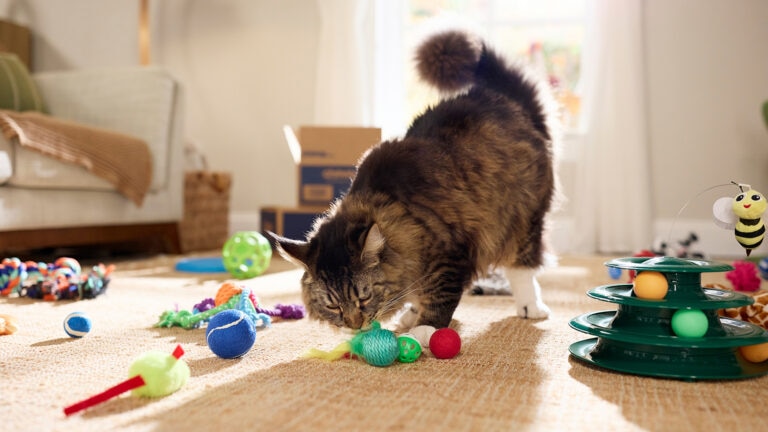
Cats are predators by nature. Even domestic cats retain these instincts. Playing with toys taps into their hunting drives. They stalk, pounce, and capture. Growling can be part of this behavior. It’s a sign of excitement or possession. They may see the toy as prey. This behavior is entirely normal.
Types Of Play
Cats engage in various types of play. They may chase, pounce, or bat at objects. Solo play involves toys like balls or feathers. Interactive play includes wand toys or strings. Each play style satisfies different instincts. Some toys provoke more growling than others. This depends on the cat’s personality and mood.
Reasons Behind Growling During Play
Cats growl during play for several reasons. This behavior may surprise many cat owners. Understanding why your cat growls helps you respond properly. It also improves your playtime experience together.
Growling is not always a sign of anger or aggression. Sometimes, it shows your cat’s strong emotions or instincts. These emotions can include excitement, frustration, or protectiveness. Each reason reveals a different side of your cat’s personality.
Excitement And Overstimulation
Playtime can make cats very excited. This excitement sometimes leads to growling. It shows their energy and intense focus on the toy. Too much play can cause overstimulation. When overstimulated, cats may growl to express their feelings. This is a natural way to release built-up energy.
Territorial Behavior
Cats are naturally territorial animals. They may see the toy as their property. Growling helps them protect what they claim. This behavior is common if other pets are nearby. Your cat uses growling to warn others to stay away. It shows their desire to keep control over their space.
Frustration Or Anxiety
Sometimes cats growl because they feel frustrated. This can happen if they cannot catch the toy. The toy might move too fast or be hard to grab. Anxiety during play can also cause growling. The cat may feel unsure or stressed. Growling helps them express these negative emotions.
Protecting The Toy
Cats may growl to protect their toy from others. They treat the toy like a valuable possession. This is common when other pets or people approach. Growling warns others to keep their distance. It is a way to guard what they enjoy the most.
Credit: www.chewy.com
When Growling Signals Stress
Growling during play can sometimes mean your cat feels stressed. It is a warning sign. Cats use growling to express discomfort or frustration. Stress can happen if the toy is too rough or if the play is too intense. Understanding these signals helps keep playtime fun and safe for your cat.
Signs Of Aggression
A stressed cat may show aggression while playing. Look for these signs:
- Hissing or spitting sounds
- Swatting with claws out
- Flattened ears
- Tail flicking quickly
- Wide, staring eyes
These behaviors warn you that your cat is not happy. They may need a break or gentler play.
Body Language Clues
Body language reveals your cat’s feelings during play. Watch for these clues:
- Stiff body posture
- Raised hackles (fur along the back)
- Quick, jerky movements
- Low growling sounds
- Avoiding eye contact
These signs show stress or unease. Respect your cat’s limits to prevent aggression.
How To Respond To Growling
Knowing how to respond to your cat’s growling during play helps keep the experience fun and safe. Growling can signal excitement, frustration, or overstimulation. Your reaction can calm your cat or cause more stress.
Watching your cat’s behavior closely is key. Respect their limits and adjust your play style to match their mood. This creates a positive bond and prevents unwanted aggression.
Adjusting Playtime
Shorten play sessions if your cat growls often. Frequent breaks can help reduce stress. Use gentle movements and avoid sudden loud noises. Let your cat lead the pace. Stop playing if the growling turns into hissing or biting.
Safe Toy Choices
Choose toys that don’t trigger fear or aggression. Soft toys and feather wands work well. Avoid toys with loud noises or sharp edges. Rotate toys regularly to keep interest high. Inspect toys for damage and replace them if needed.
Reading Your Cat’s Signals
- Watch the tail: twitching means excitement; puffed means fear.
- Look at ears: forward ears show curiosity; flattened ears show stress.
- Notice eyes: dilated pupils can mean excitement or fear.
- Pay attention to vocal sounds beyond growling, like hissing or yowling.
- Body posture: relaxed means happy; stiff means tense.
Preventing Negative Play Growls
Preventing negative play growls in your cat can improve your bonding experience and keep playtime fun for both of you. Growling during play often signals that your cat is feeling overwhelmed or frustrated. By understanding how to guide their behavior, you can encourage happier and safer interactions.
Encouraging Positive Interaction
Focus on toys that your cat enjoys without causing stress. Use interactive toys like feather wands or laser pointers that keep a safe distance between your hands and their claws. This way, your cat channels their energy without feeling threatened or defensive.
Pay attention to your cat’s body language. If the growling starts, pause the play and give them a moment to relax. This helps your cat associate playtime with positive feelings rather than anxiety or frustration.
Training Tips
Use gentle verbal cues or clicker training to teach your cat when play is appropriate. Reward calm behavior with treats or affection immediately after play sessions. This reinforces that quiet, positive interactions lead to good outcomes.
Redirect rough behavior by offering a toy instead of your hands or feet. Consistency is key—if you allow growling and biting sometimes, your cat will be confused about what’s acceptable. Are you ready to be patient and persistent with your training?
Creating A Calm Environment
Set up a quiet space for play, free from loud noises or sudden movements. A calm environment helps your cat feel secure and less likely to become agitated. Soft lighting and familiar scents can also ease their nerves during playtime.
Keep play sessions short and sweet to avoid overstimulation. Notice how your cat reacts and end play before they get frustrated. This simple change can reduce growling and make your cat look forward to play instead of dreading it.

Credit: www.reddit.com
Frequently Asked Questions
Why Does My Cat Growl During Toy Play?
Cats growl during play to mimic hunting behavior. It shows excitement, focus, or mild frustration while engaging with the toy.
Is Growling Normal When Cats Play With Toys?
Yes, growling is normal. It reflects a cat’s natural instincts and emotions during interactive or solo play.
How Can I Stop My Cat From Growling At Toys?
Avoid overstimulating your cat. Use gentle play and take breaks to reduce growling during toy sessions.
Does Growling Mean My Cat Is Aggressive With Toys?
Not usually. Growling during play often signals excitement, not aggression. Watch body language for true aggression signs.
Conclusion
Cats growl during play to show excitement or mild frustration. This sound is part of their natural behavior. It helps them express feelings while they interact with toys. Understanding this can improve your bond with your cat. Always watch their body language for signs of stress.
Playtime stays fun when you respect their signals. Enjoy these moments, as they show your cat’s unique personality. Keep toys safe and suitable to avoid real aggression. Your cat’s growl is a small way to communicate and connect.

Leave a Reply