Have you ever noticed your cat’s strange reaction to a squeaky toy? You might wonder, “Do cats actually dislike squeaky toys?” If your furry friend seems annoyed or uninterested, you’re not alone.
Understanding why your cat reacts this way can help you choose toys that truly excite and engage them. Keep reading to discover the surprising reasons behind your cat’s feelings toward squeaky toys and how you can make playtime more enjoyable for both of you.

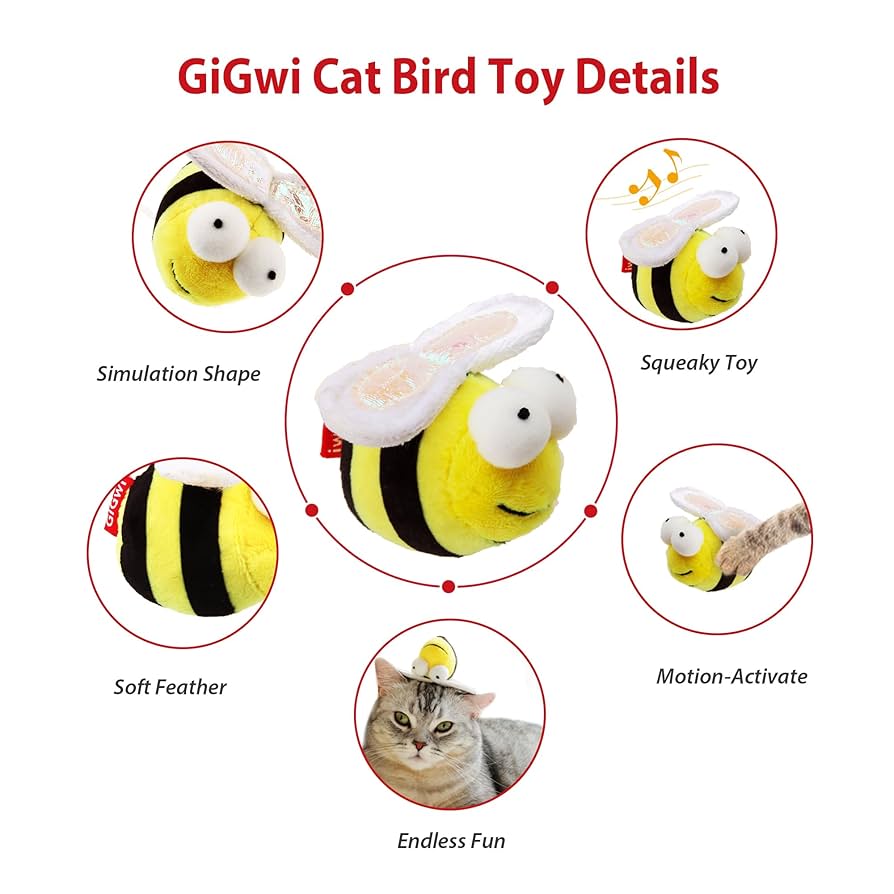
Credit: www.amazon.com
Cat Reactions To Squeaky Toys
Cats often show different reactions to squeaky toys. Some enjoy the sounds, while others seem unsure or scared. Understanding these reactions helps pet owners choose the right toys for their cats.
Common Responses
- Curiosity: Cats may sniff or paw at the toy to explore it.
- Playfulness: Some cats chase or bat the toy around excitedly.
- Fear: Loud or sudden squeaks can make cats jump or hide.
- Indifference: A few cats ignore the toy completely.
- Hunting instinct: The squeak can trigger stalking and pouncing behavior.
Why Some Cats Avoid Them
Many cats dislike squeaky toys because the noise is too loud or sharp. Their ears are very sensitive to high-pitched sounds. A sudden squeak might feel like a threat.
Other cats might avoid squeaky toys if they had a bad experience. If a toy’s sound startles them, they learn to stay away. Some cats prefer quieter toys that mimic natural prey sounds.
Senses Behind Cat Behavior
Understanding the senses behind cat behavior can explain why some cats dislike squeaky toys. Cats rely heavily on their senses to interact with their environment. Their reactions to sounds, smells, and movements often reveal their comfort levels and instincts.
Hearing Sensitivity
Cats have an extraordinary sense of hearing, far sharper than humans. They can detect high-frequency sounds that squeaky toys often produce. This can sometimes overwhelm or annoy them, making them avoid such toys.
Have you noticed your cat suddenly freezing or darting away when a squeaky toy is near? That sharp, repetitive noise might feel too intense for their sensitive ears. Offering toys with softer sounds or no noise at all can be a better choice for your feline friend.
Instinctual Reactions
Cats’ instincts guide much of their behavior, especially when it comes to play. Squeaky toys mimic the sounds of small prey animals, which can trigger hunting responses. However, the artificial and repetitive nature of the squeak may confuse or frustrate some cats.
Think about how your cat reacts to a real bird versus a toy that squeaks. Some cats might be wary or uninterested because the sound doesn’t match their expectations. If your cat seems hesitant, try switching to toys that move or make more natural sounds to better satisfy their instincts.
Personality And Preferences
Cats vary in their reactions to squeaky toys due to their unique personality and preferences. Some enjoy the noise, while others may find it annoying or frightening. Understanding your cat’s behavior helps choose the right toys that keep them happy and engaged.
Cats, much like humans, have their own unique personalities and preferences. Some cats may find a squeaky toy utterly fascinating, while others might turn their nose up at such a noisy distraction. Understanding your cat’s personality and preferences is key to choosing the right toys that will keep them entertained and happy.Playful Vs. Reserved Cats
Cats can typically be categorized as either playful or reserved. If your cat is playful, they might enjoy chasing a squeaky toy across the room, the noise adding an element of excitement. However, a more reserved cat might find the sound overwhelming or irritating, preferring quieter toys like a soft ball or a feather wand. Have you observed your cat’s reaction to different toys? Taking note of their reactions can help you tailor their playtime activities to their liking.Age And Toy Interest
A cat’s age can greatly influence their interest in toys. Kittens often have boundless energy and may find squeaky toys fascinating, engaging with them in playful antics. Older cats, on the other hand, might prefer more subdued toys that match their slower pace. Consider your cat’s age and energy levels when selecting toys. Does your senior cat need a gentler option, or is your young kitten looking for something that keeps them on their toes? Understanding these nuances can make playtime more enjoyable for both you and your feline friend.Alternatives To Squeaky Toys
Not all cats enjoy squeaky toys; some find the noise startling or irritating. If your feline friend avoids these, there are plenty of other options to keep them entertained and happy. Offering alternatives can also help you discover what truly excites your cat during playtime.
Soft Plush Toys
Many cats love the comfort of soft plush toys. These toys are gentle on their paws and teeth, making them perfect for cuddling and gentle batting. Choose plush toys filled with catnip to add an extra layer of attraction.
I’ve noticed that my cat often prefers a small plush mouse over noisier toys. It’s less intimidating and allows for relaxed play. You might find your cat enjoys carrying or kneading these toys, which helps reduce stress.
Interactive Toys
Interactive toys engage your cat’s natural hunting instincts. Toys that move or respond to your cat’s touch can keep them stimulated for longer periods. Consider battery-operated balls or laser pointers that encourage chasing and pouncing.
Have you seen how quickly a laser pointer can turn a bored cat into a playful hunter? Just be sure to end play sessions with a tangible toy so your cat doesn’t get frustrated chasing something they can’t catch.
Natural Play Items
Simple items from nature can sometimes become your cat’s favorite toys. Things like cardboard boxes, paper bags, or even feathers can spark endless curiosity. These items are safe and often less expensive than store-bought toys.
Think about the last time you gave your cat a crumpled paper ball—did they instantly bat it around? These natural toys offer sensory variety and encourage active play without overwhelming sounds or textures.
Tips To Introduce Squeaky Toys
Introducing squeaky toys to your cat can be tricky. Some cats might find the sudden noise startling or annoying. However, with patience and the right approach, you can help your furry friend get used to these fun toys and maybe even enjoy them.
Gradual Exposure
Start by letting your cat see and sniff the squeaky toy without activating it. This helps reduce any initial fear or curiosity. Once your cat feels comfortable, gently squeeze the toy from a distance so the noise is soft and unexpected.
Watch your cat’s reaction carefully. If they seem stressed or try to hide, pause and give them time to adjust. Small, slow steps allow your cat to build positive associations with the toy’s sound.
Positive Reinforcement
Reward your cat with treats or gentle petting whenever they approach or interact with the squeaky toy. This helps link the noise with something pleasant. You might say, “Good job!” in a calm voice to encourage your cat.
Try playing with the toy yourself to show your cat it’s safe and fun. Your excitement can be contagious, making your cat more willing to join in. Have you noticed how cats often mimic their owners’ behavior?
Choosing The Right Toy
Select squeaky toys made from soft, non-toxic materials. Toys that produce a quieter squeak are better for sensitive cats. Avoid overly loud or harsh-sounding toys that might scare your pet.
Consider your cat’s size and play style. Smaller toys might be easier to bat around, while larger ones can be better for cuddling. Have you found that your cat prefers a certain texture or shape when playing?

Credit: www.youtube.com

Credit: www.youtube.com
Frequently Asked Questions
Do Cats Generally Dislike Squeaky Toys?
Not all cats dislike squeaky toys. Some find them annoying, while others enjoy the sound. It depends on the cat’s personality and hearing sensitivity.
Why Do Some Cats Avoid Squeaky Toys?
Cats may avoid squeaky toys because the sound is too loud or irritating. Their sensitive ears can make squeaky noises uncomfortable.
Can Squeaky Toys Stress Cats?
Yes, squeaky toys can cause stress if the noise startles or scares cats. Avoid loud toys for nervous or older cats.
Are There Better Toys Than Squeaky Ones For Cats?
Soft, silent toys or interactive toys often work better. Cats prefer toys that mimic prey sounds or movements without loud noises.
Conclusion
Cats have different reactions to squeaky toys. Some cats enjoy the sound and play actively. Others might find the noise too loud or strange. It depends on your cat’s personality and past experiences. Try watching how your cat responds to squeaky toys.
Choose toys that keep your cat happy and engaged. Playtime should always be fun and stress-free for your pet. Understanding your cat helps you pick the best toys. Keep their comfort and joy in mind every time.

Leave a Reply