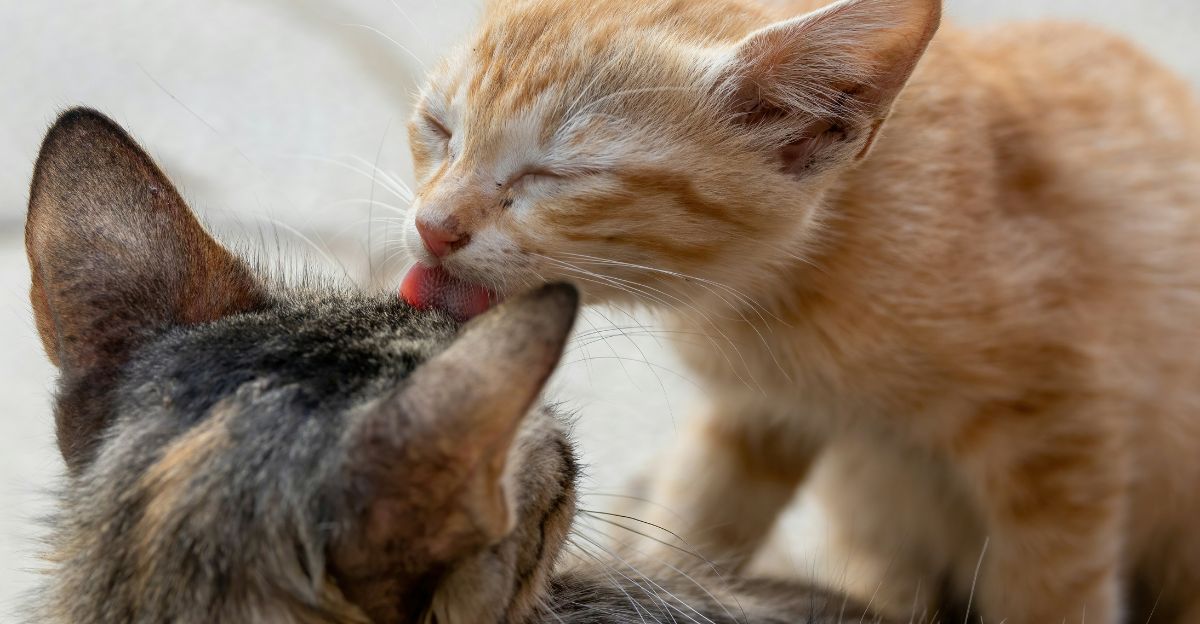
Have you ever watched two cats grooming each other, only to suddenly see one of them bite the other? It might seem strange or even a little confusing.
You might wonder, “Why do cats bite each other while grooming? ” If you’re curious about this puzzling behavior, you’re not alone. Understanding why your feline friends sometimes nip during their grooming sessions can help you better read their moods and strengthen your bond with them.
Keep reading, and you’ll discover surprising reasons behind this common cat behavior that many pet owners miss.
Grooming Behavior In Cats
Cats spend a lot of time grooming themselves and each other. This grooming behavior is more than just cleaning. It helps cats connect and communicate. Understanding why cats bite during grooming means looking at their social habits and grooming styles.
Social Bonds Through Grooming
Cats use grooming to build trust and friendship. Grooming each other is a sign of care. It helps reduce stress and create calm feelings. Cats in the same family or group groom to show they belong together. Sometimes gentle bites happen during this process. These bites can be a way to get attention or show limits.
Common Grooming Practices
Cats lick fur to remove dirt and loose hair. They also clean hard-to-reach places for each other. Grooming often includes:
- Using their tongue to lick the fur
- Nibbling gently on fur or skin
- Scratching or biting lightly to help remove tangles
Light biting is normal but strong bites may mean discomfort or play. Knowing these habits helps explain why cats bite while grooming.
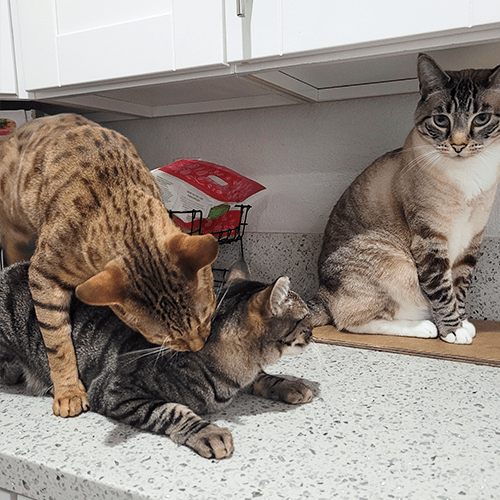
Credit: trapandreturn.com
Reasons For Biting During Grooming
Cats often bite each other during grooming for various reasons. Biting is a natural part of their interaction and communication. It helps them bond, express feelings, or set boundaries. Understanding why cats bite during grooming can help you read their behavior better.
Playful Interaction
Cats use gentle bites to play with each other. These bites are soft and not meant to hurt. It shows they enjoy each other’s company. Playful biting keeps their relationship lively and fun.
Communication Signals
Biting can send messages between cats. A quick nip might mean “stop” or “that tickles.” Cats use these signals to express how they feel. It helps them avoid real fights and keeps peace.
Overstimulation And Sensory Overload
Sometimes grooming can feel too much for a cat. Too much touching makes their skin sensitive. Biting acts as a way to say “enough.” It helps them manage their comfort during grooming sessions.
Establishing Dominance
Biting can show who is in charge. Cats use it to set social order. A firm bite tells the other cat to respect boundaries. This behavior is common in multi-cat homes.
When Biting Becomes Aggressive
Cats sometimes bite each other during grooming to set boundaries or show discomfort. This behavior can become aggressive if one cat feels threatened or annoyed. Understanding their body language helps prevent fights and keeps grooming peaceful.
Cats often engage in grooming each other as a sign of affection and bonding. However, sometimes this grooming can take a sudden turn, leading to biting and even aggression. Understanding why this happens can help you manage your cats’ behavior and ensure a peaceful home.Signs Of Stress Or Discomfort
Cats are sensitive creatures, and even minor changes can cause stress. A cat that feels threatened or uncomfortable might respond with a bite during grooming. Watch for signs like flattened ears, twitching tails, or growling. These can indicate your cat is feeling uneasy and might resort to biting as a defense mechanism.Territorial Disputes
Cats are territorial by nature, and they may see grooming as a way to assert dominance. If one cat feels its space is being invaded, it might bite to establish boundaries. Have you noticed if the biting occurs in a specific area of your home? This could be a sign that one cat feels particularly possessive about that spot. Recognizing these behaviors can help you take action. You might consider providing more resources like multiple litter boxes or extra playtime to reduce tension. Are there particular times of day when your cats are more aggressive? Adjusting your routine might also help. Understanding these dynamics not only helps prevent biting but also strengthens the bond between your furry friends.
Credit: basepaws.com
Cat Body Language To Watch
Understanding cat body language is key to knowing why cats bite each other during grooming. Cats use their tails, ears, and sounds to express feelings. Watching these signs helps you see if they are playing, annoyed, or stressed. Each small movement tells a story about their mood and intentions. Knowing what to watch can prevent misunderstandings and keep your cats happy.
Tail And Ear Positions
The tail position shows how a cat feels during grooming. A relaxed tail means comfort and trust. A twitching or flicking tail signals irritation or impatience. If the tail is puffed up, the cat feels scared or angry.
Ears also reveal emotions. Ears pointed forward show interest and calmness. Ears flattened back mean fear or aggression. Cats might bite if their ears are pinned down while grooming. This is a warning to stop or back off.
Vocalizations During Grooming
Cats use sounds to communicate during grooming sessions. Soft purring usually means contentment and relaxation. Low growls or hisses suggest discomfort or annoyance. Yowling or sudden loud meows can indicate pain or stress.
Pay attention to changes in vocal tone. A happy cat stays quiet or purrs. A cat about to bite might growl or hiss. Vocal signals help you understand if the grooming is friendly or tense.
How To Manage And Prevent Biting
Managing and preventing cats from biting each other during grooming requires careful attention and patience. Understanding their behavior helps reduce tension and avoid conflicts. Creating a peaceful space and knowing when to intervene can make a big difference.
Creating A Calm Environment
A calm setting helps cats feel safe and relaxed. Keep noise levels low and avoid sudden movements. Provide cozy spots where cats can rest undisturbed. Use soft lighting to create a peaceful atmosphere. A quiet room reduces stress and promotes gentle grooming.
Separate Cats When Necessary
Sometimes cats need space to cool down. If biting starts, gently separate them. Use barriers like baby gates or closed doors. Give each cat time alone to calm their nerves. Avoid forcing them to share the same space if tension grows.
Redirecting Attention
Distract cats with toys or treats during grooming moments. Use interactive toys to shift focus away from biting. Offer treats to reward calm behavior. Engage them with gentle petting or soft talking. Redirection helps break the cycle of biting and keeps grooming positive.

Credit: basepaws.com
When To Consult A Veterinarian Or Behaviorist
Knowing when to seek help for cats biting during grooming is important. Sometimes, biting is normal social behavior. Other times, it signals a problem that needs expert care. Watching your cats closely helps you decide if a veterinarian or behaviorist should intervene.
Persistent Aggression
Occasional nips may be playful or affectionate. Persistent biting that causes stress or fear is not normal. Aggression during grooming that does not stop needs attention. A behaviorist can identify triggers and offer solutions. Persistent aggression may reflect underlying anxiety or territorial issues.
Injury Concerns
Bites can sometimes cause wounds or infections. Look for signs like swelling, bleeding, or limping. Untreated injuries may worsen quickly. A veterinarian should examine any bite wounds promptly. They can provide treatment to prevent infection and pain. Early care helps cats heal faster and stay healthy.
Frequently Asked Questions
Why Do Cats Bite While Grooming Each Other?
Cats bite during grooming to communicate boundaries or mild irritation. It’s their way of saying “stop” or “enough. ” Sometimes, it’s playful or a form of social bonding, but too hard biting signals discomfort or stress.
Is Biting During Grooming A Sign Of Aggression?
Not always. Gentle biting is normal and part of mutual grooming. However, hard or frequent biting can indicate tension, irritation, or dominance issues between cats. Observing their body language helps determine if biting is friendly or aggressive.
Can Grooming Bites Hurt Cats?
Usually, grooming bites are gentle and not harmful. But if a cat bites too hard, it can cause pain or minor injury. Monitor interactions to ensure biting stays playful and doesn’t escalate into fighting or injury.
How To Stop Cats From Biting During Grooming?
Distract cats with toys or treats to interrupt biting. Gently separate them if biting gets too rough. Consistent positive reinforcement for calm grooming helps reduce biting over time and encourages peaceful interactions.
Conclusion
Cats biting each other while grooming is normal behavior. It helps them bond and show trust. Sometimes, biting is gentle, showing affection. Other times, it can be a way to set limits or communicate. Watching their body language can help you understand their mood.
This behavior is part of how cats interact and live together. Knowing this helps owners care for their pets better. Cats use grooming and gentle bites to build friendships. It’s a natural, important part of their social life.

Leave a Reply