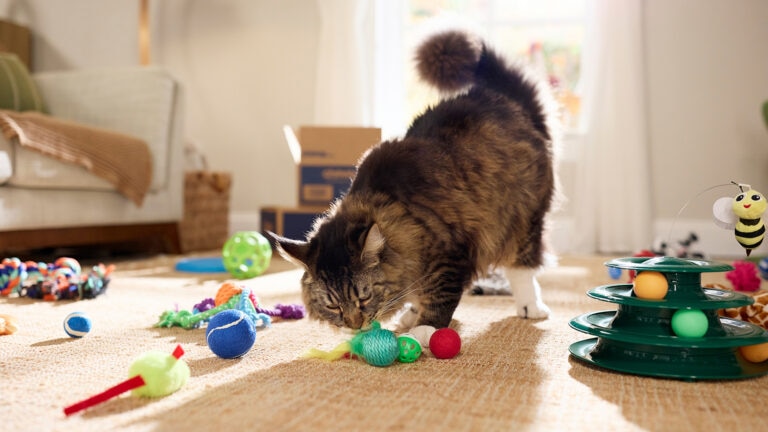
Have you ever wondered why your cat cries at night when playing with a toy? It can be puzzling and even a little frustrating when your furry friend’s nighttime noises keep you awake.
Understanding this behavior is more than just satisfying curiosity—it helps you connect better with your cat and ensure they feel safe and happy. You’ll discover the surprising reasons behind those nighttime cries and learn simple ways to comfort your pet.
Keep reading to find out what your cat is really trying to tell you when the house is quiet and the toys come out.
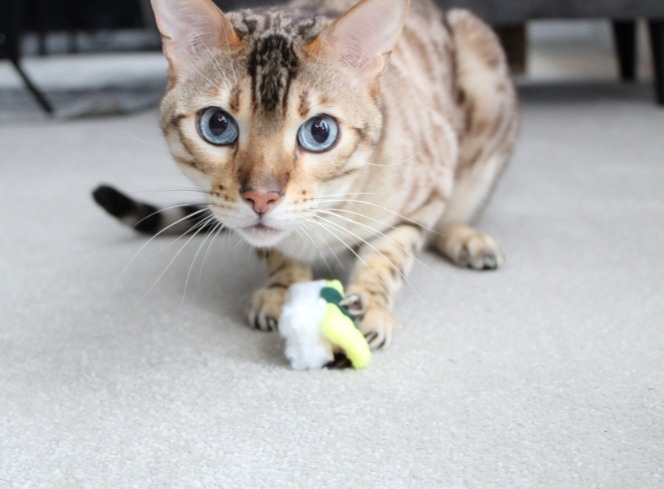
Credit: www.lordsandlabradors.co.uk
Cat Behavior At Night
Understanding your cat’s behavior at night can shed light on why they might cry while playing with a toy. Cats are creatures of habit and instinct, and their nighttime actions often reflect deep-rooted behaviors. Observing these patterns helps you respond better to their needs and reduce those late-night meows.
Nocturnal Instincts
Cats are naturally nocturnal hunters. Their eyes are adapted to low light, making nighttime the perfect opportunity to stalk and pounce. Even indoor cats retain this instinct, which explains why your furry friend might suddenly become active and vocal when the house is quiet.
Have you noticed how your cat’s cries change when they’re playing with a toy at night? It’s often part of their hunting simulation—mimicking the sounds of catching prey. This behavior is more than just play; it taps into their survival instincts.
Energy Levels After Dark
Many cats experience a burst of energy after dark, commonly called the “zoomies.” This sudden activity spike can lead to vocalizations, especially when interacting with toys. Your cat might cry to communicate excitement, frustration, or simply to get your attention during these energetic moments.
Try adjusting playtime to closer to your cat’s natural active hours in the evening. Engaging them with toys before bedtime can help channel that energy and reduce nighttime crying. Have you tried setting a consistent play routine to see if it calms your cat’s nighttime vocalizations?
Role Of Toys In Cat Play
Toys play a big role in how cats enjoy their time. They help cats use energy and sharpen skills. Toys can keep cats busy and happy. Understanding the role of toys helps explain why cats cry at night with them.
Toys As Hunting Substitutes
Cats have natural hunting instincts. Toys act like real prey for them. They chase, pounce, and bite toys just like hunting animals. This keeps their mind active and body fit. Nighttime is often when cats feel the urge to hunt. Holding a toy may comfort them and satisfy this need.
Attachment To Specific Toys
Cats can form strong bonds with certain toys. These toys give a sense of security and comfort. Some cats carry toys around or meow to get attention. They might cry at night to show their attachment. The toy becomes more than just an object; it feels like a friend.
Reasons For Crying With Toys
Cats may cry at night with toys because they feel lonely or want attention. Playing with toys can also trigger their hunting instincts, leading to vocalizing. Sometimes, it’s a way to express excitement or frustration during nighttime play.
Cats are mysterious creatures, and their nighttime antics can often puzzle even the most experienced pet owners. If your cat cries at night while carrying a toy, it’s natural to wonder why. Cats might not speak our language, but their behaviors give us clues about their needs and feelings. Let’s unravel the reasons your feline friend might be vocalizing with their toy in tow.Seeking Attention
Your cat might be crying with a toy simply to get your attention. Cats are social animals, and they often enjoy interacting with their humans. If you’ve been busy or away, your cat might resort to this behavior to remind you that they’re around and need some love. Try spending more time with your cat during the day. Engage in interactive play or offer cuddles, ensuring they feel valued and noticed.Stress And Anxiety
Changes in your home environment can lead to stress or anxiety for your cat. Whether it’s a new pet, a move, or even new furniture, these changes can be unsettling. Crying with a toy might be your cat’s way of coping with these feelings. Consider creating a calming environment for your cat. A quiet space with familiar items can help them feel secure.Territorial Behavior
Cats are territorial creatures, and sometimes their toys become part of their domain. Crying with a toy might be your cat’s way of asserting ownership or warning other pets to steer clear. Observe your cat’s interactions with other pets. If territorial issues are evident, ensure each pet has its own space and resources to minimize conflicts.Play Frustration
Your cat might be experiencing play frustration. When a toy doesn’t behave as expected, or a game ends too soon, your cat might express their dissatisfaction vocally. Introduce a variety of toys to keep playtime engaging. Rotate toys regularly to maintain your cat’s interest and reduce potential frustration. Understanding why your cat cries at night with a toy can deepen your bond and improve their quality of life. Have you noticed any other behaviors that might explain your cat’s nighttime vocalizations? Share your experiences in the comments!Health Factors To Consider
When your cat cries at night while playing with a toy, it might be trying to tell you something about its health. Understanding the health factors behind this behavior can help you respond with care and ensure your cat’s well-being. Let’s look closely at two key health reasons that might explain this nighttime vocalization.
Pain Or Discomfort
Your cat might cry at night if it’s experiencing pain or discomfort. Cats are good at hiding pain during the day but might express it more when they feel vulnerable or restless at night.
Issues like dental problems, arthritis, or even an injury can cause your cat to meow while interacting with toys. Watch for signs like limping, avoiding certain movements, or sensitivity when touched. If your cat suddenly starts crying more, a vet visit is a smart step to rule out physical pain.
Age-related Changes
Older cats often face changes that impact their behavior, including increased nighttime vocalizing. Cognitive decline, similar to dementia in humans, can make them confused or anxious during the night.
This confusion might cause your cat to cry while playing with toys, seeking comfort or trying to communicate. You might notice other signs like disorientation or changes in sleep patterns. Providing a calm and familiar environment can help, but consulting your vet for tailored advice is crucial.
How To Calm Your Cat
Understanding how to calm your cat when they cry at night with a toy is essential for both your peace and your cat’s happiness. Cats often express their needs or discomfort through vocalization, especially during quiet hours. You can ease their restlessness by addressing their physical and emotional needs in thoughtful ways.
Interactive Play Sessions
Engaging your cat in active play before bedtime can help burn off excess energy. Use feather wands, laser pointers, or small balls to mimic hunting behavior. This not only satisfies their natural instincts but also helps them feel tired and ready to rest.
Try to keep these sessions consistent, about 15 to 20 minutes each evening. Notice how your cat responds—do they prefer chasing or pouncing? Tailoring play to their preferences can reduce nighttime crying significantly.
Comfort And Security
Sometimes, cats cry at night because they feel insecure or lonely. Create a cozy sleeping spot with soft blankets and familiar scents to help them relax. Adding an item that smells like you can provide reassurance.
Consider a nightlight or leaving a radio on softly to mimic company and reduce anxiety. How does your cat behave when left alone during the day? Observing this can give clues about what comforts them most at night.
Environmental Enrichment
Adding variety to your cat’s environment can prevent boredom, a common cause of nighttime crying. Provide scratching posts, climbing shelves, or puzzle feeders to keep their mind and body active. Rotate toys regularly to maintain their interest.
Think about your cat’s daily routine—are they getting enough stimulation? A well-enriched environment can lead to a calmer, more content cat who is less likely to cry for attention at night.

Credit: felinefancy.co.uk
When To Consult A Vet
Knowing when to consult a vet is important if your cat cries at night with a toy. Some signs show that your cat might need medical attention. Acting early can help keep your cat healthy and happy.
Persistent Crying
Persistent crying means your cat cries every night without stopping. This can signal pain or discomfort. It may also mean your cat feels lonely or scared for a long time. If the crying lasts more than a few days, it is time to see a vet. The vet can check for health problems that cause pain or distress.
Behavioral Changes
Watch for changes in how your cat acts. If your cat stops eating, hides more, or becomes aggressive, these are warning signs. A sudden change in energy or mood can mean illness or stress. These changes paired with crying at night should be checked by a vet. Early diagnosis can prevent serious problems and improve your cat’s quality of life.

Credit: www.kittyhelpdesk.com
Frequently Asked Questions
Why Does My Cat Cry At Night With A Toy?
Cats may cry at night with toys due to play frustration or seeking attention. They often feel lonely or bored and use toys to express these feelings.
Is Night Crying Normal Behavior For Cats With Toys?
Yes, night crying is normal if cats want interaction or stimulation. They may also cry to communicate hunger or discomfort when playing.
How Can I Stop My Cat Crying At Night With Toys?
Provide regular playtime during the day and interactive toys. Creating a calm bedtime routine can reduce night crying linked to toys.
Does My Cat Cry Because It Wants To Play More?
Often, cats cry at night because they want more playtime. They use toys to signal their need for fun and engagement.
Conclusion
Cats cry at night with toys for many reasons. They may want attention or feel lonely. Sometimes, they feel playful or need comfort. Watching your cat closely helps you understand their needs. Giving them love and care can reduce night crying.
Toys should be safe and fun for your cat. Remember, patience is key when helping your pet. Quiet nights make both you and your cat happy. Keep your cat’s needs in mind every night. Simple actions bring calm and joy to your furry friend.


Leave a Reply