Your short-haired cat is more than just a pet – it’s a part of your family. Keeping your furry friend clean and comfortable is key to their happiness.
But how do you groom a short hair cat without causing stress or missing important steps? You might think short hair means less care, but there’s more to it than you realize. In this guide, you’ll discover simple, effective ways to keep your cat’s coat shiny and healthy.
By the end, you’ll feel confident giving your cat the care they deserve, making grooming a bonding moment rather than a struggle. Ready to learn how to make grooming easy and enjoyable for both of you? Let’s dive in.

Credit: www.latimes.com
Benefits Of Grooming Short Hair Cats
Grooming your short hair cat offers more than just a neat appearance. It plays a key role in keeping your feline friend healthy and comfortable. Regular grooming sessions can strengthen the bond between you and your cat, making both of you happier.
Improves Coat Health And Reduces Shedding
Even short hair cats shed, and grooming helps remove loose fur before it ends up all over your furniture. Brushing stimulates natural oils in your cat’s skin, which keeps their coat shiny and soft. Have you noticed how a quick brush can brighten up your cat’s appearance instantly?
Prevents Hairballs
Short hair cats still lick themselves clean, swallowing loose fur that can form hairballs. Regular grooming cuts down the amount of fur they swallow. Less fur inside means fewer hairballs, which reduces discomfort and potential digestive issues.
Detects Skin Issues Early
Grooming gives you a chance to check for unusual lumps, bumps, or skin irritation. Spotting problems early can save your cat from pain and expensive vet visits later. When was the last time you closely examined your cat’s skin?
Strengthens Your Bond
Many cats enjoy gentle brushing and see it as quality time with their owner. Grooming can calm anxious cats and build trust. You might find your cat becomes more affectionate after a grooming session.
Reduces Allergens In Your Home
Regular brushing minimizes the amount of dander your cat releases into the air. This can help reduce allergic reactions for sensitive family members. Wouldn’t it be great to have less sneezing and itching around your cat?
Essential Grooming Tools
Grooming a short-haired cat is easier with the right tools. Having essential grooming supplies helps keep your cat healthy and comfortable. These tools remove loose fur, prevent mats, and maintain cleanliness. Prepare your grooming kit with brushes, nail clippers, and cleaning items. Each tool plays a key role in your cat’s care routine.
Brushes And Combs
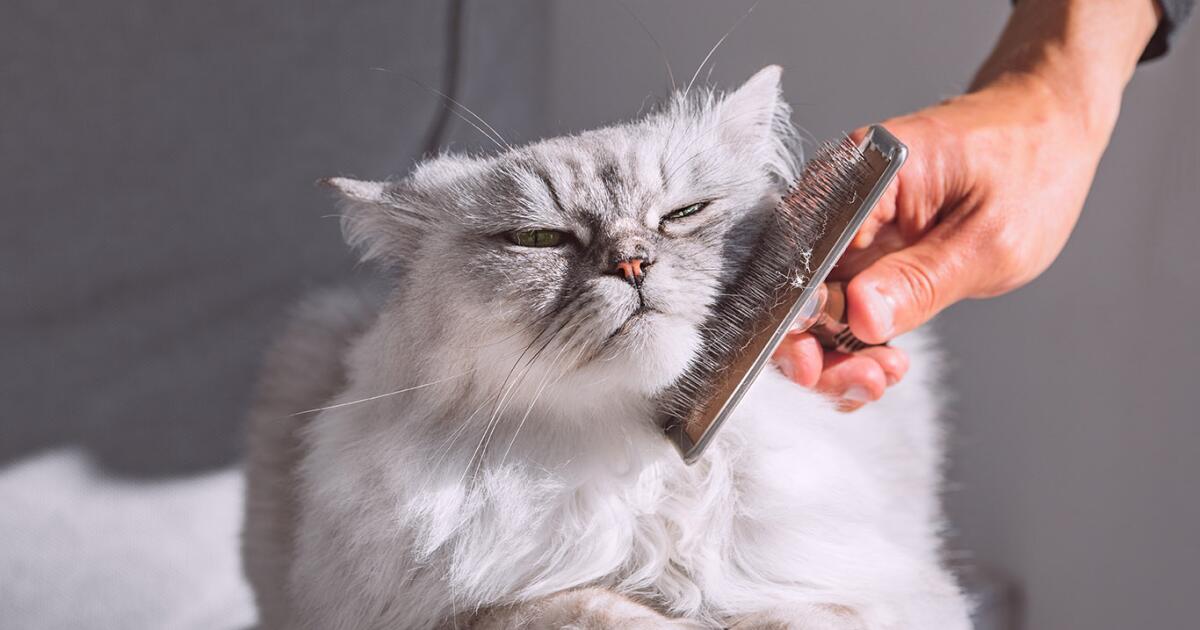
Choose brushes designed for short hair. A soft-bristle brush works well to remove loose fur. It also stimulates the skin and spreads natural oils. A fine-toothed comb helps catch small tangles and dirt. Brush your cat gently in the direction of hair growth. Regular brushing reduces shedding and keeps the coat shiny.
Nail Clippers
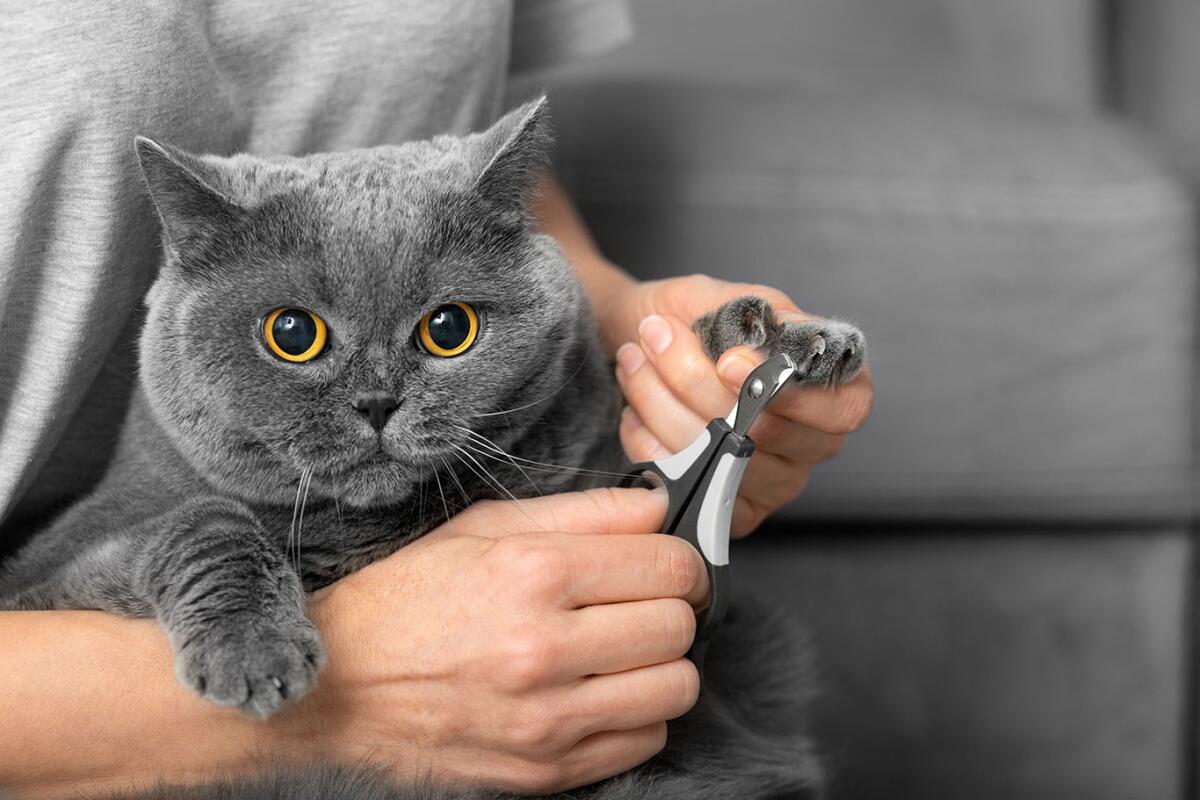
Use nail clippers made for pets. Sharp, small blades trim nails quickly and safely. Keep your cat calm by trimming slowly and carefully. Cut only the sharp tip to avoid pain or bleeding. Check nails weekly to prevent overgrowth. Healthy nails stop scratching damage to furniture and skin.
Cleaning Supplies
Keep cleaning supplies ready for grooming sessions. Use pet-safe wipes or a damp cloth to clean your cat’s face and ears. Cotton balls work well to remove dirt gently. Have a soft towel on hand for drying after cleaning. These supplies help maintain hygiene and comfort during grooming.
Preparing Your Cat For Grooming
Preparing your short-haired cat for grooming sets the tone for a smooth and stress-free experience. Cats are sensitive to change, so taking time to get them ready helps reduce anxiety and makes grooming easier for both of you. It’s not just about the tools or techniques; it’s about how you approach the moment.
Creating A Calm Environment
Start by choosing a quiet space where your cat feels safe and undisturbed. Loud noises or sudden movements can startle them, so turn off the TV and keep other pets away during grooming sessions.
Soft lighting and a warm surface, like a favorite blanket or cushion, can help your cat relax. You might also play gentle music or use a pheromone diffuser to create a soothing atmosphere.
Have all your grooming tools within arm’s reach to avoid leaving your cat alone mid-groom. This shows respect for their time and comfort, preventing unnecessary stress.
Getting Your Cat Comfortable
Before grooming, spend a few minutes petting your cat in their favorite spots to build trust. Notice how they respond—if they seem tense, slow down or pause to let them relax.
Try introducing the grooming brush or comb gradually. Let your cat sniff and explore it first, turning the tool into a familiar object instead of a scary one.
Consider offering treats or gentle praise during this process. Positive reinforcement can change your cat’s attitude toward grooming from a chore to a pleasant activity.
Have you noticed how your cat reacts when you try to touch certain areas? Use those cues to adjust your approach, focusing on comfort rather than speed.
Step-by-step Grooming Routine
Begin by gently brushing your cat’s short hair to remove loose fur and dirt. Use a damp cloth to clean the face and ears carefully. Regularly trim nails and check for any skin issues during grooming sessions.
Grooming your short-haired cat might seem like a simple task, but a structured routine can make it enjoyable for both you and your feline friend. Consistent grooming not only keeps your cat looking sharp but also strengthens your bond. Let’s dive into an effective grooming routine that covers all the essentials.Brushing Techniques
Brushing your short-haired cat is essential to remove loose hair and prevent matting. Use a soft-bristle brush or a rubber grooming glove to gently work through their coat. Regular brushing reduces shedding and keeps your home cleaner. Make it a relaxing time for your cat by speaking softly and offering treats. Do you notice how your cat purrs when you hit the right spot? That’s a sign you’re doing it right.Bathing Your Cat
Short-haired cats generally don’t need frequent baths. However, occasional bathing can help keep their coat clean and shiny. Use a cat-friendly shampoo and ensure the water is warm, not hot. Remember to rinse thoroughly to remove all shampoo residue. After the bath, wrap your cat in a towel and gently pat them dry. Do they seem to enjoy the fresh feeling afterward?Nail Trimming Tips
Trimming your cat’s nails is crucial to prevent them from growing too long and causing discomfort. Use a cat-specific nail clipper and work in a well-lit area. Gently press the paw to extend the nails and clip just the sharp tip. If your cat is anxious, try trimming one or two nails at a time. Have you noticed how much calmer they are with regular trims?Ear And Eye Care
Keeping your cat’s ears and eyes clean is vital for their health. Use a damp cotton ball to gently wipe around the eyes and ears. Never insert anything into the ear canal. Regular checks can help you spot any issues early. Isn’t it amazing how much your cat trusts you with these intimate tasks? Incorporating these steps into your grooming routine will ensure your short-haired cat stays healthy and happy. Have you tried any of these techniques before? How did your cat react?Dealing With Common Grooming Challenges
Grooming a short-haired cat is usually easier than grooming long-haired cats. Yet, some challenges can still arise. Understanding how to handle these issues makes grooming smoother for both you and your cat.
Short-haired cats often have sensitive skin and dislike grooming. Loose fur and dander can build up quickly. Hairballs may form if they swallow too much fur during cleaning. Addressing these common problems keeps your cat healthy and happy.
Handling Sensitive Cats
Many cats feel nervous during grooming. They may try to escape or scratch. Stay calm and gentle. Use soft brushes made for short fur. Speak softly and take breaks if your cat seems stressed. Let your cat sniff the brush before use. Start with short sessions and slowly increase time.
Removing Loose Fur And Dander
Loose fur and dander cause itching and allergies. Use a rubber grooming glove or a fine-toothed comb. Brush in the direction of hair growth. Focus on areas like the neck, back, and tail. Clean your tools after each use. Regular grooming helps reduce shedding and keeps the coat shiny.
Preventing Hairballs
Hairballs form when cats swallow loose fur. To reduce hairballs, groom your cat often. Feed a diet rich in fiber to help fur pass through the digestive system. Provide fresh water daily. Offer hairball remedies if needed. Watch for signs like coughing or gagging, which indicate hairball issues.
Credit: www.latimes.com
Diet And Health For A Shiny Coat
A shiny coat shows a cat’s good health. Short-haired cats need a balanced diet to keep fur smooth and bright. Feeding the right foods helps skin stay hydrated and fur strong. Poor diet can cause dull, flaky, or dry fur. Proper nutrition supports natural oils that protect the coat. Healthy skin means less shedding and fewer hairballs.
Nutrition Tips
- Choose high-quality cat food with real meat as the main ingredient.
- Include foods rich in omega-3 and omega-6 fatty acids.
- Ensure plenty of protein to support hair growth and repair.
- Provide fresh water daily to keep skin hydrated.
- Limit fillers like corn and soy that offer little nutrition.
- Feed a mix of wet and dry food for moisture and dental health.
- Adjust portions to maintain a healthy weight and avoid skin issues.
Supplements For Healthy Fur
Supplements can enhance your cat’s coat health. They fill gaps in the diet and boost fur quality. Use only vet-approved products for safety.
- Fish oil:Adds omega-3 fatty acids to reduce inflammation and improve shine.
- Biotin:Supports skin repair and hair growth.
- Vitamin E:Protects skin cells and promotes softness.
- Zinc:Helps skin heal and prevents dandruff.
Introduce supplements slowly and watch for any reactions. Consistent use improves fur texture over weeks.
When To Consult A Professional Groomer
Knowing when to consult a professional groomer can save your short-haired cat from discomfort and keep their coat in top shape. While short hair requires less maintenance, there are moments when expert help is the best choice for your furry friend. Recognizing these moments ensures your cat stays happy, healthy, and looking great.
Signs Your Cat Needs Professional Grooming
If your cat starts to develop mats or tangles that you can’t remove safely, it’s time to call in a pro. Persistent scratching or skin redness may indicate underlying issues that require expert attention. Also, if your cat is unusually stressed during grooming, a groomer with experience can handle them more gently and effectively.
Health Concerns That Require Groomer Attention
Sometimes your cat’s grooming needs overlap with health problems. If you notice unusual lumps, bumps, or skin infections, a groomer can help spot these early and recommend veterinary care. Groomers are trained to handle cats with arthritis or other mobility issues, making grooming less painful and stressful for your pet.
Complex Grooming Needs Beyond Basic Brushing
Short-haired cats generally don’t need elaborate grooming, but some situations are exceptions. Shedding seasons, skin allergies, or specific breed traits might require more than your regular brushing routine. Professional groomers have tools and techniques to manage shedding and keep your cat’s skin healthy during these times.
When You Lack Time Or Confidence To Groom
Grooming a cat can be tricky, especially if your cat is squirmy or nervous. If you feel unsure about handling your cat safely or simply don’t have the time, a groomer can step in. This ensures your cat gets the care they need without stress for either of you.

Credit: justcatsclinic.com
Frequently Asked Questions
How Often Should I Groom My Short Hair Cat?
Groom your short hair cat once a week to remove loose fur and dirt. Regular grooming reduces hairballs and keeps their coat healthy. Frequent brushing also helps you check for skin issues or parasites early on.
What Tools Are Best For Grooming Short Hair Cats?
Use a soft-bristle brush or rubber grooming mitt for short hair cats. These tools effectively remove loose hair without irritating their skin. Avoid harsh combs that can pull their fur or cause discomfort during grooming sessions.
How Can I Make Grooming Enjoyable For My Cat?
Keep grooming sessions short and gentle to make them enjoyable. Use treats and praise to create positive associations. Groom in a quiet, comfortable space where your cat feels safe and relaxed.
Can Grooming Reduce Shedding In Short Hair Cats?
Yes, regular grooming significantly reduces shedding by removing loose hair. It prevents fur from spreading around your home. Consistent brushing also helps maintain a shiny, healthy coat.
Conclusion
Grooming a short-haired cat keeps them healthy and happy. Regular brushing removes loose hair and stops mats. It also helps you spot skin problems early. Use gentle tools and be patient during grooming. Keep sessions short and calm to avoid stress.
Clean their ears and trim nails often. A well-groomed cat feels comfortable and looks great. Simple steps make grooming easy and enjoyable. Your cat will thank you with purrs and affection.

Leave a Reply