Have you ever looked at a cat and wondered, “What do you call a cat breeded like this?” Maybe it’s the fluffy fur, the unique markings, or those striking eyes that make you curious. Knowing the name of a cat breed can help you understand their personality, care needs, and even their history.
If you want to impress friends or simply learn more about your feline friend, you’re in the right place. Keep reading, and you’ll discover the answers you’ve been searching for.
Popular Cat Breeds
Popular cat breeds have distinct personalities and looks that attract different kinds of cat lovers. Each breed offers unique traits that might fit your lifestyle or preferences. Understanding these breeds helps you choose the right companion and appreciate their special qualities.
Siamese Cats
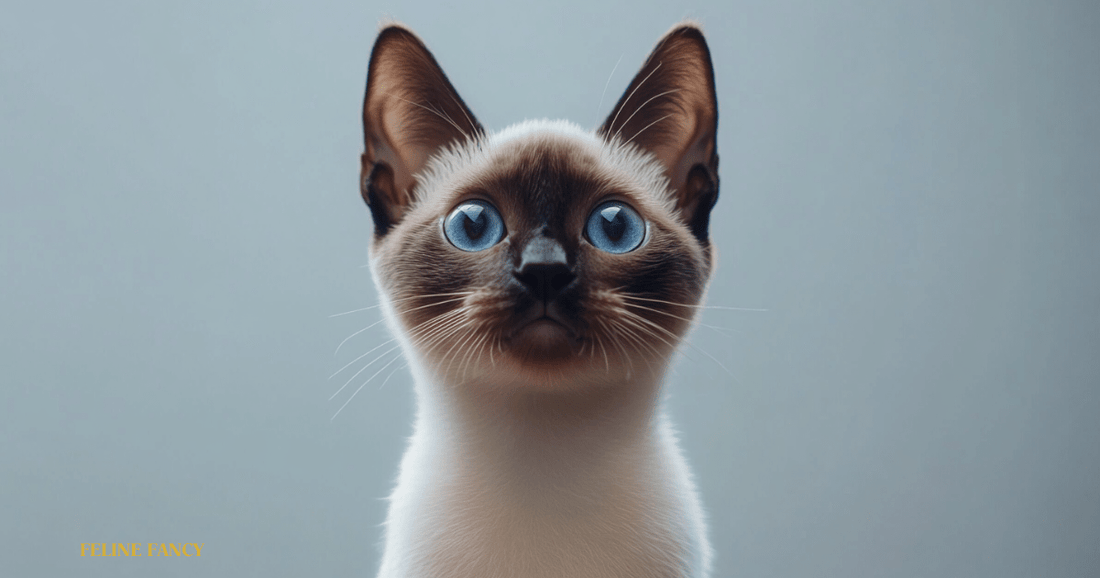
Siamese cats are famous for their striking blue eyes and sleek bodies. They are very vocal and love to communicate with their owners. If you enjoy an interactive and talkative pet, a Siamese cat could be your perfect match.
Maine Coon Cats
Maine Coons are large, fluffy cats known for their friendly and gentle nature. They adapt well to families and other pets. Their playful yet calm demeanor makes them great for people who want a big, cuddly friend.
Persian Cats
Persians have long, luxurious fur that requires regular grooming. They tend to be quiet and affectionate, often enjoying a calm environment. If you appreciate beauty and don’t mind extra care, Persian cats can bring elegance to your home.
Bengal Cats
Bengals look wild with their leopard-like spots, but they are playful and energetic. They need plenty of stimulation and love interactive toys. Consider a Bengal if you want a lively cat that can keep up with your active lifestyle.
Ragdoll Cats
Ragdolls get their name from their tendency to go limp when picked up. They are gentle and love being held, making them ideal for those seeking a relaxed lap cat. Their calm nature can bring a peaceful presence to your home.
Rare And Exotic Breeds
Rare and exotic cat breeds capture attention with their unique looks and personalities. These cats are not common and often have special traits. They can be a great choice for people who want something different. Each breed has its own story and charm. Learning about these cats helps understand their special needs and care.
Sphynx Cats
Sphynx cats are famous for their hairless bodies. Their skin feels warm and soft to touch. These cats love attention and are very social. They need regular skin care to keep clean. Sphynx cats enjoy being warm and cozy indoors.
Savannah Cats
Savannah cats look wild with their tall ears and spots. They are a cross between a domestic cat and a wild serval. These cats are very active and playful. They need space to explore and climb. Savannah cats bond closely with their owners.
Scottish Fold Cats
Scottish Fold cats stand out with their folded ears. This unique feature gives them a cute, owl-like appearance. They are gentle and calm pets. Scottish Folds enjoy quiet environments and soft places to rest. They often form strong bonds with families.
Kurilian Bobtail Cats
Kurilian Bobtail cats have a short, fluffy tail that looks like a pom-pom. They are strong and skilled hunters. These cats are friendly and love to play in water. Kurilian Bobtails are loyal and enjoy spending time with people.
Breed Characteristics
Cats bred for specific traits are called pedigreed or purebred cats. Each breed shows unique features, like coat color, size, and personality. These traits help identify and classify the cat’s breed easily.
Understanding the characteristics of a cat breed is crucial when you’re considering adding a feline friend to your family. Each breed is unique, with its own set of traits that can greatly influence your experience as a pet owner. Knowing these details can help you choose a cat that fits your lifestyle and preferences. Let’s dive into the fascinating details of breed characteristics.Coat Types And Colors
Cat breeds showcase a stunning array of coat types and colors. Some cats, like the Persian, boast long, luxurious fur that requires regular grooming. Others, such as the Siamese, have short coats that are low maintenance. Colors range from solid black to striking patterns like the tabby or calico. The coat not only defines a cat’s appearance but can also hint at its ancestry. Have you ever noticed how certain colors seem to reflect a cat’s personality? It’s an intriguing aspect to ponder as you choose your feline companion.Temperament And Personality
A cat’s breed often plays a significant role in its temperament and personality. Breeds like the Ragdoll are known for their calm and affectionate nature, making them ideal for families with children. On the other hand, the Bengal cat is energetic and playful, perfect for active households. Your lifestyle should align with your cat’s personality traits. Imagine the joy of having a cat whose temperament complements your daily life. What kind of feline personality are you looking for?Size And Build
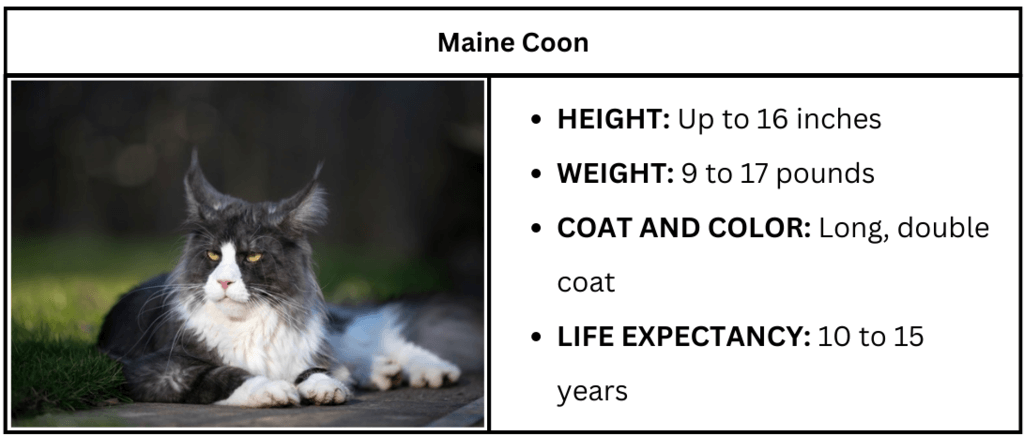
The size and build of a cat can vary greatly between breeds. Maine Coons, for instance, are one of the largest domesticated cat breeds, often weighing over 18 pounds. In contrast, the Singapura is petite and lightweight, usually under 8 pounds. These physical characteristics can affect how you interact with your cat. A larger cat might require more space and a sturdier scratching post. Consider how a cat’s size might fit into your home environment and daily routine. Are you ready for a gentle giant, or is a dainty companion more your style?Choosing The Right Breed
Choosing the right cat breed can shape your daily life in ways you might not expect. Each breed comes with unique traits that fit differently with various lifestyles. Knowing what to look for can save you from future challenges and help you build a rewarding bond with your feline friend.
Lifestyle Considerations
Think about your daily routine and home environment. Are you often away from home, or do you work remotely? Some breeds, like the British Shorthair, are happy spending time alone, while others, such as the Siamese, crave constant companionship.
Consider the space you have. Large, active breeds like the Maine Coon need room to roam and play. If you live in a small apartment, smaller or less energetic breeds may fit better.
Allergy Factors
If allergies affect you or someone in your household, choosing a hypoallergenic breed might be crucial. Breeds like the Sphynx or Balinese produce fewer allergens, reducing the risk of reactions.
Keep in mind that no breed is completely allergen-free. Spending time around the breed before adopting can help you gauge your body’s response. Have you tested your reaction to different cats before deciding?
Activity Levels
Matching a cat’s energy to your own is key. Active breeds like the Abyssinian require lots of play and mental stimulation. Without it, they can become bored and destructive.
On the other hand, if you prefer a laid-back pet, breeds such as the Ragdoll offer calm and relaxed companionship. Ask yourself: do you want a playful partner or a peaceful lap cat?
Breed Recognition And Standards
Breed recognition and standards define how cat breeds are officially identified and maintained. These standards help preserve the unique traits of each breed. They also guide breeders and judges in evaluating cats. Clear rules ensure consistency and fairness across the cat fancy world.
Cat Fancier Associations
Cat fancier associations are groups that manage cat breeds. They create and update breed standards. These organizations hold cat shows and events. They help protect the heritage of each breed. Well-known associations include CFA, TICA, and FIFe. Each has its own rules and lists of recognized breeds.
Breed Registrations
Breed registration is the official listing of a cat’s breed. It confirms the cat’s pedigree and lineage. Breeders register cats to track family history. Registrations help maintain purebred lines. They also make cats eligible for shows and breeding programs. Accurate registration supports breed health and quality.
Show Cat Criteria
Show cat criteria focus on how well a cat meets breed standards. Judges check physical traits like coat, color, and body shape. They also observe behavior and temperament. Cats must match the ideal description for their breed. Points or rankings decide the winners. These criteria keep breed qualities strong and visible.
Credit: medium.com
Mix Breeds And Hybrid Cats
Mix breeds and hybrid cats offer a fascinating glimpse into feline diversity. These cats combine traits from different breeds, creating unique looks and personalities. They often carry the best qualities of their parent breeds, making them popular among cat lovers.
Hybrids usually come from crossing domestic cats with wild species. This mix can produce exotic appearances but needs special care and handling. Understanding these cats helps owners provide the right environment and attention.
Common Mixes
- Domestic Shorthair: A mix of various short-haired cats.
- Domestic Longhair: Cats with mixed long-haired traits.
- Bengal Mix: Domestic cats crossed with Bengal, known for spotted coats.
- Savannah Mix: Cross between domestic cats and servals, wild African cats.
- Ragdoll Mix: Blend of Ragdoll and other breeds, friendly and soft.
Health Considerations
Mixed breed cats often have fewer health problems than purebreds. Genetic diversity can lower risks of inherited diseases. Still, hybrids may face unique health challenges from wild ancestors.
Regular vet check-ups are important. Watch for signs of stress or illness, especially in hybrids. Proper diet and exercise help maintain their health and happiness.
Naming Mixed Breeds
Mixed breed cats usually take names combining their parent breeds. For example, a Bengal mix might be called a “Bengal cross.”
Some owners choose creative names based on appearance or personality. Names like “Patch,” “Shadow,” or “Stripe” suit cats with unique markings.
Simple, clear names help others understand the cat’s background. This can be useful for vets and new friends alike.
Naming Your Cat By Breed
Naming a cat by its breed adds a special touch to your pet’s identity. It connects your cat to its origins and unique traits. This approach can also help highlight your cat’s personality and appearance.
Choosing a name inspired by breed can make your cat stand out. It gives a nod to the breed’s history or characteristics. This makes naming fun and meaningful.
Breed-inspired Names
Breed-inspired names come from the cat’s breed traits or origin. For example, a Siamese cat could be named “Sia” or “Ming.” A Maine Coon might be called “Hunter” or “Cooper.”
These names match the cat’s look or behavior. They remind owners of the breed’s special features. Breed names can be short or descriptive.
Cultural Influences
Many cat breeds come from different countries. Their names can reflect that culture or language. For instance, a Russian Blue might be named “Anya” or “Nikita.”
Cultural names add depth and interest. They celebrate the breed’s heritage. Owners can use local words or famous names from the breed’s country.
Creative Naming Tips
- Use the cat’s color or pattern for ideas.
- Think about the breed’s personality traits.
- Mix breed names with fun or unique words.
- Choose names easy to say and remember.
- Try short names for quick calling.
Creative names make your cat unique. They show your love and attention to detail. Naming your cat by breed is a fun way to honor your pet’s roots.
Credit: medium.com

Credit: goofytails.com
Frequently Asked Questions
What Is The Term For A Cat’s Breed?
A cat’s breed is called its “cat breed” or simply “breed. ” It describes the cat’s lineage and traits. Each breed has unique physical and behavioral characteristics. This helps identify and categorize cats for owners and breeders.
How Do You Identify A Cat’s Breed?
You identify a cat’s breed by examining its physical traits and patterns. Key features include fur length, color, body shape, and eye color. Genetic testing can also confirm breed. Knowing the breed helps in understanding the cat’s care needs and temperament.
Why Is Knowing A Cat’s Breed Important?
Knowing a cat’s breed helps predict behavior, health risks, and care needs. It guides owners in providing proper nutrition and environment. Breeds also have specific grooming requirements. This knowledge improves the overall well-being of the cat.
Can Mixed Cats Have A Breed Name?
Mixed cats are often called “domestic” cats or “mixed breed. ” They don’t belong to a specific breed but may show traits from multiple breeds. Mixed breeds can be healthy and unique. They often require the same care as purebreds.
Conclusion
Knowing the name of a cat breed helps understand its traits. Each breed has unique looks and behaviors. This makes choosing the right cat easier. Remember, names tell a story about the cat’s origin. Whether a Persian, Siamese, or Maine Coon, each is special.
Learning these names connects you to your pet’s history. Enjoy discovering more about your furry friend’s breed. It adds joy and meaning to your time together.

Leave a Reply